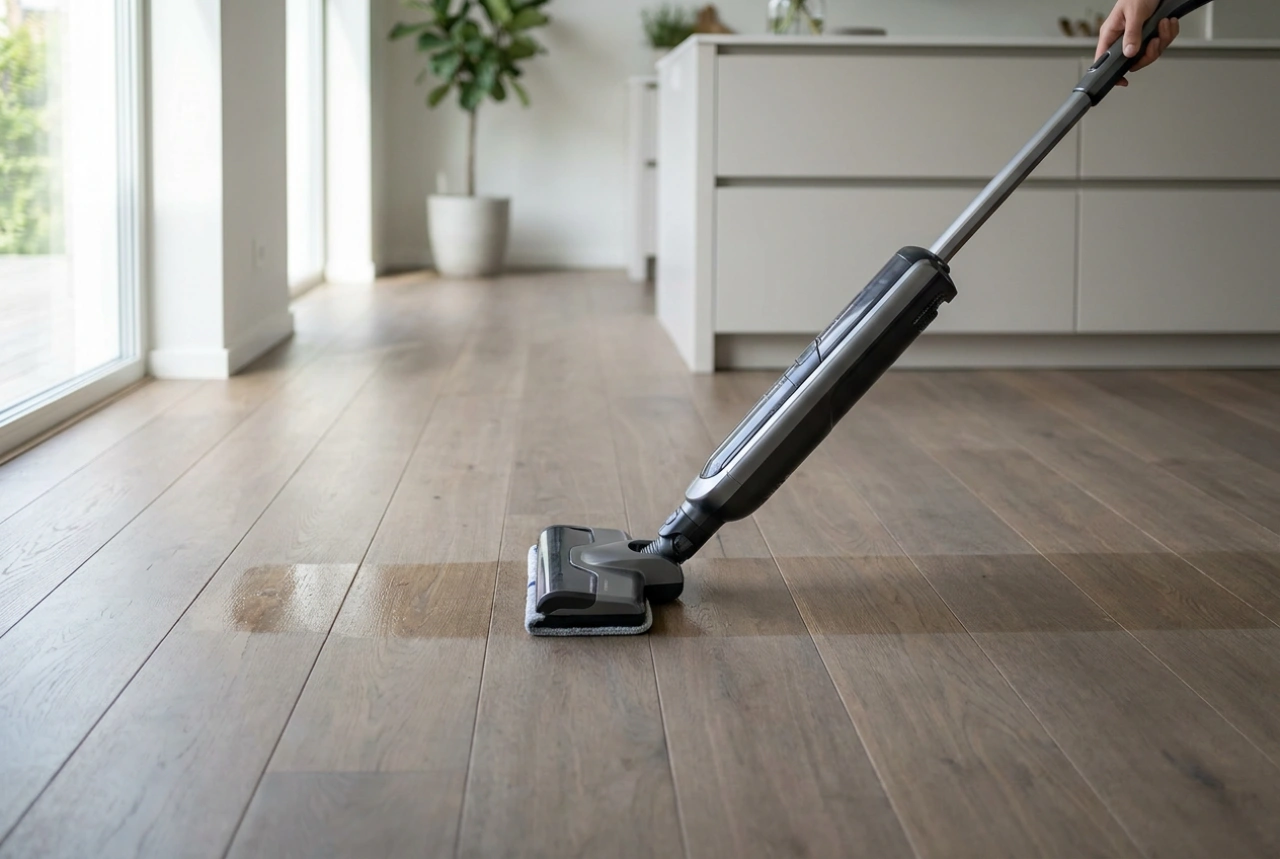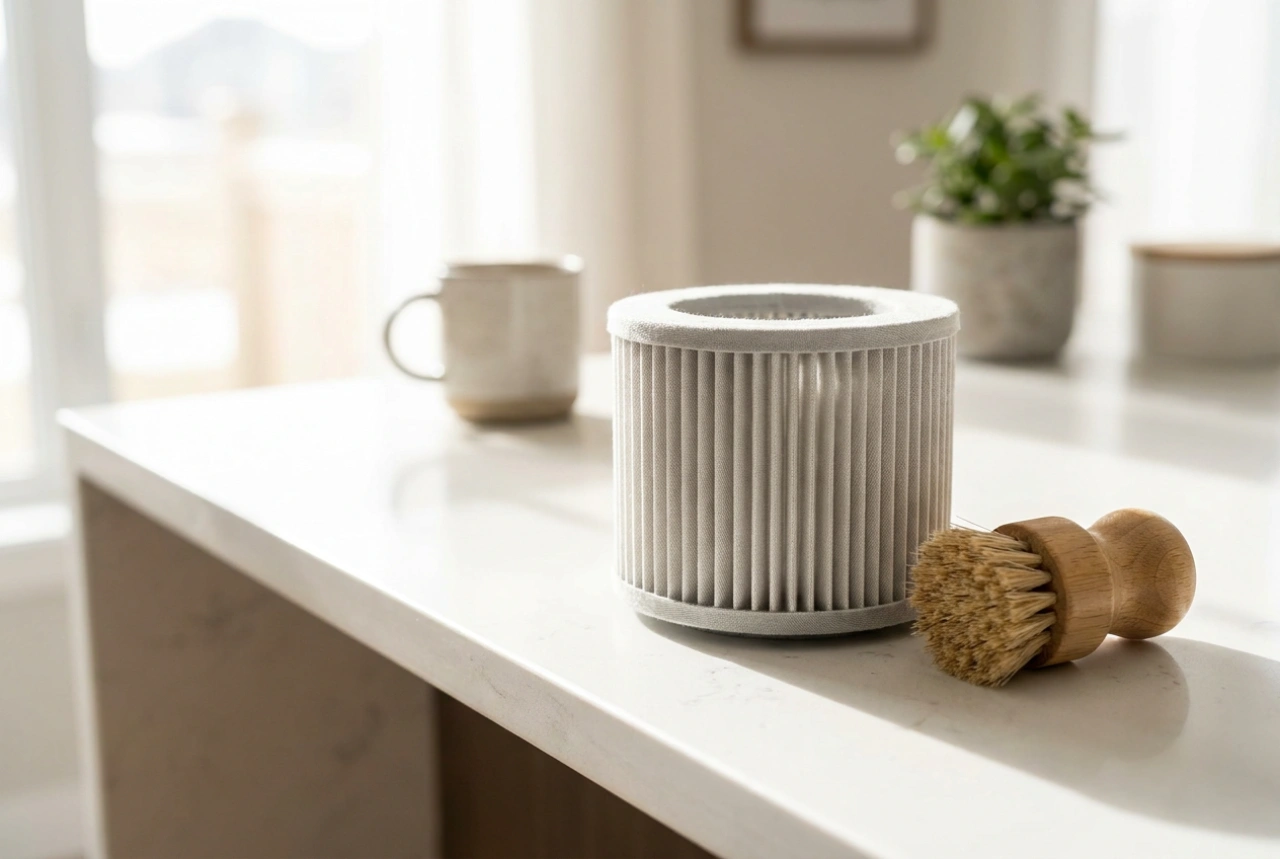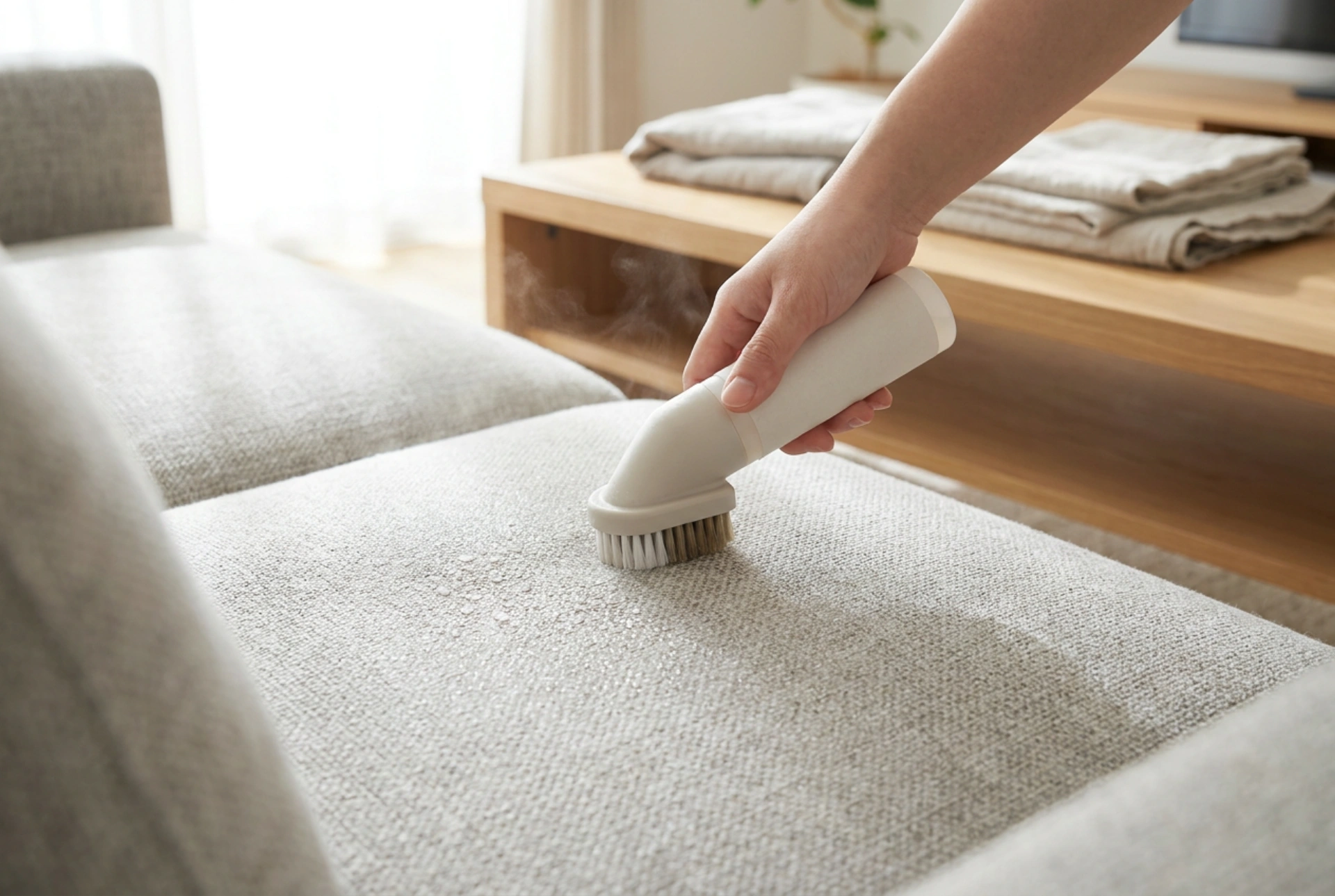


Using a spray-extraction vacuum cleaner is one of the most effective ways to restore deep-cleaned textiles, but success depends on understanding the physics of moisture extraction and textile chemistry. Incorrect technique can lead to overwet fibres, lingering chemical residues, or even structural damage to carpet backings. By applying the right combination of thermal energy, chemical action, and mechanical force, you can achieve professional-grade results safely.
The Chemistry of Extraction: Water Temperature and Surfactants
At the core of wet extraction vacuuming is the interaction between water, surface-active agents (surfactants), and fibre surface energy. Surfactants lower the surface tension of water, allowing it to penetrate deeply into the tight weave of carpets and upholstery. When selecting a cleaning solution, always match the pH of the cleaning agent to the specific fibre type. Synthetic fibres like polyester and nylon can tolerate moderately alkaline solutions, which are highly effective at breaking down oily organic soils and greasy spills. Conversely, natural protein fibres such as wool or silk are highly sensitive to high pH levels and high temperatures; using an alkaline detergent or water hotter than 40 degrees Celsius can denature these delicate fibres, causing irreversible shrinkage, colour bleeding, and structural weakening.
The temperature of the water plays a critical kinetic role in the cleaning process. Warm water increases the solubility of salts and accelerates chemical reactions, making it significantly easier to emulsify grease and oils. However, excessive heat can melt adhesive backings in synthetic carpets or cause delamination of the primary and secondary backings. A safe operating temperature for most domestic synthetic textiles is between 40 and 50 degrees Celsius, whereas wool must be treated strictly with cool or lukewarm water to maintain its natural elasticity and lanolin protective layer.
The Physics of Extraction: Airflow and Mechanical Movement
The primary mechanism of a washing vacuum is not actually the spraying action, but the rapid extraction of the liquid. This relies heavily on vacuum pressure and airflow velocity. To maximise extraction efficiency, the extraction nozzle must maintain a continuous, tight seal with the fabric surface. If air leaks under the edges of the tool, the suction velocity drops instantly, leaving behind excess moisture that can lead to musty odours and microbial growth deep within the padding.
When operating the machine, use slow, deliberate pull strokes. Pushing the wand forward while spraying allows the solution to penetrate, but the extraction stroke must always be a slow, steady pull backward. As a general rule of physics, every wet pass should be followed by at least two or three dry passes—where no cleaning solution is sprayed—to pull out as much residual water as possible. This mechanical extraction is far more effective than relying on natural evaporation, which takes hours and increases relative humidity in the room.
Step-by-Step Order of Operations
Achieving flawless results requires a disciplined sequence of steps designed to prevent soil redeposition and fabric damage:
- Dry Vacuuming: Always perform a thorough dry vacuuming pass using a high-filtration vacuum before introducing any water. This removes dry, insoluble particulates like sand, silica dust, and hair. Skipping this step turns dry dust into mud, which penetrates deeper into the carpet pile and becomes significantly harder to extract.
- Pre-treatment (Pre-spray): For heavily soiled areas, apply a mild pre-treatment solution using a simple hand pump sprayer. Allow it to dwell for 5 to 10 minutes to chemically break down bonded soil before using the extraction machine. Never let the pre-spray dry out on the carpet, as this can lock the soil back into the fibres.
- Extraction: Work in overlapping lanes, moving from the furthest corner of the room towards the exit to avoid stepping on damp surfaces. Maintain a consistent speed and wand angle of approximately 45 degrees to ensure optimal suction.
- Rinsing: For the final extraction pass, use clean, warm water without detergent in the tank. This neutralises and removes any leftover surfactant molecules, which would otherwise act as a magnet for new dirt once dry.
Preventing Mould and Fibre Damage
The greatest risk associated with wet vacuuming is prolonged drying times. If a carpet or upholstery fabric remains damp for more than 24 hours, fungal spores can germinate, leading to mould, mildew, and musty smells. To accelerate drying, increase ventilation by opening windows, or use domestic fans to promote air circulation across the cleaned surfaces. Keep the indoor temperature moderate; cold air holds less moisture, slowing down evaporation, while excessive heat can trap humidity in the room, creating a greenhouse effect. Ensuring low relative humidity in the cleaning environment is the ultimate key to a successful deep clean.