

To achieve pristine floors with a robotic vacuum and mop, you must look beyond the "start" button and understand the physics of contact pressure and fluid mechanics. Optimising your daily cleaning cycle ensures efficient dirt removal without streaking or damaging sensitive flooring materials.
Understanding the Physics of Robotic Mopping
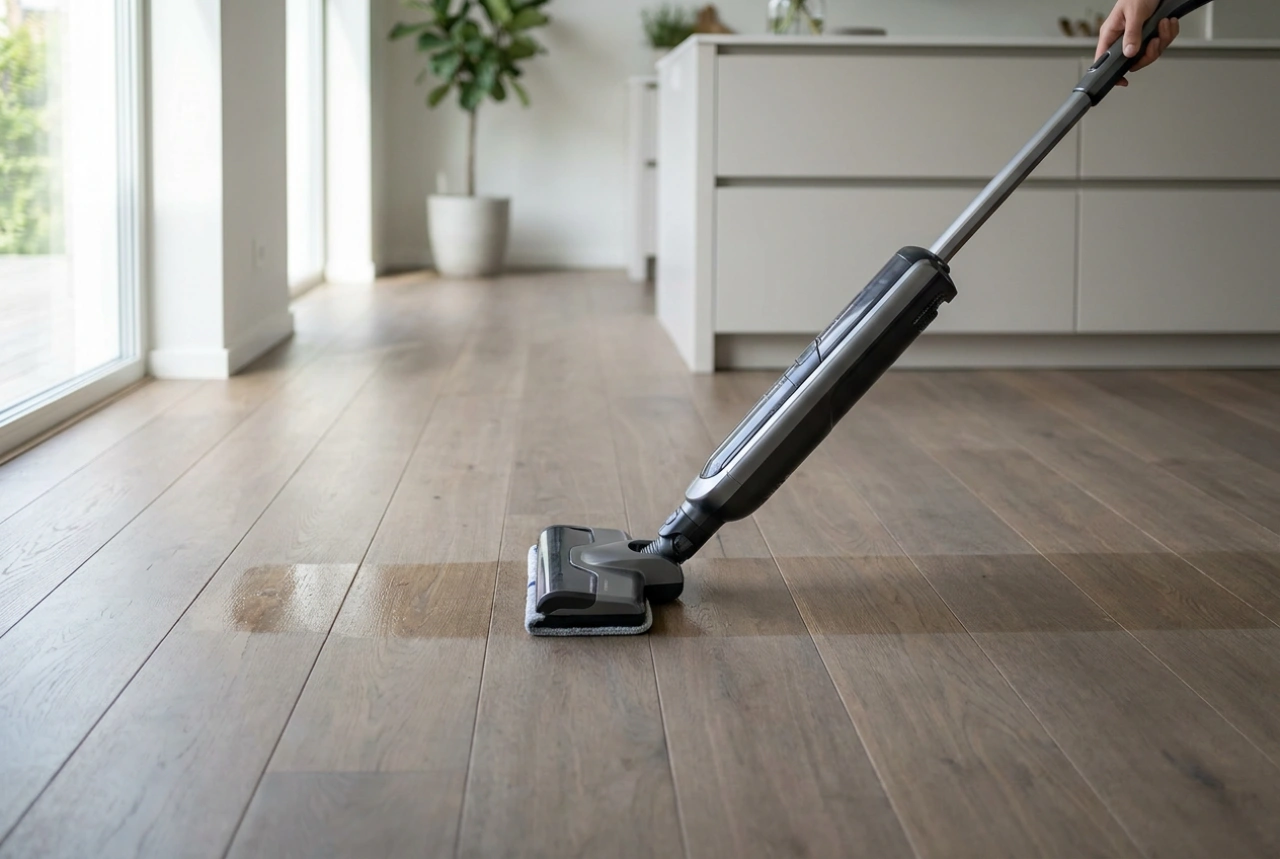
Unlike manual mopping, where human body weight exerts significant downward force, a robotic unit relies entirely on its own lightweight chassis. This limited contact pressure means the microfibre pad must work harder to lift bonded soil. To compensate for this physical limitation, always pre-wet the microfibre pad under a tap before starting a cycle. A dry pad takes too long to saturate via the robot's gravity-fed or pump-assisted water outlets, resulting in dry, dusty streaks for the first ten to fifteen minutes of operation. Additionally, ensure the microfibre pad is stretched perfectly taut across its attachment plate to maximise surface friction and prevent bunching, which causes uneven wear and missed spots.
Water Chemistry and Fluid Dynamics
The internal plumbing of a hybrid robot consists of extremely narrow silicone tubes and micro-pumps that are highly susceptible to blockages. The choice of liquid you put into the clean water tank is critical for both the machine's longevity and the cleanliness of your floors:
- Avoid Heavy Detergents: Standard floor cleaners, thick soaps, and essential oils should never be added to the water tank. These substances leave sticky residues that clog the micro-nozzles and attract more dirt to your floors over time.
- Demineralised Water: Using distilled or demineralised water prevents calcium carbonate (limescale) build-up within the heating and pumping elements. This is especially important in hard water areas, where mineral deposits can permanently block the water flow.
- Surfactant Selection: If you use a cleaning agent, select only highly diluted, non-foaming surfactants designed specifically for robotic devices. High-foaming liquids create air pockets in the pump, halting water delivery entirely.
- Temperature Control: Keep the water lukewarm. Boiling water can warp the plastic water tank, damage internal seals, and degrade the adhesive backing of the microfibre attachment plate.
Strategic Map Management and Room Sequencing
To prevent the robot from dragging a damp, dirty cloth across your carpets or transferring kitchen grease into the living room, precise digital zoning is vital. Modern navigation systems allow you to control the exact path and order of cleaning operations.
The Dry-Before-Wet Rule
Never wet-mop a floor that has not been thoroughly vacuumed first. Wetting dry dust and pet hair creates a muddy slurry that the microfibre pad cannot absorb, resulting in grey streaks across your floor boards. Program your robot to run a dry vacuuming cycle first, followed by a separate mopping pass.
Establishing Virtual Barriers
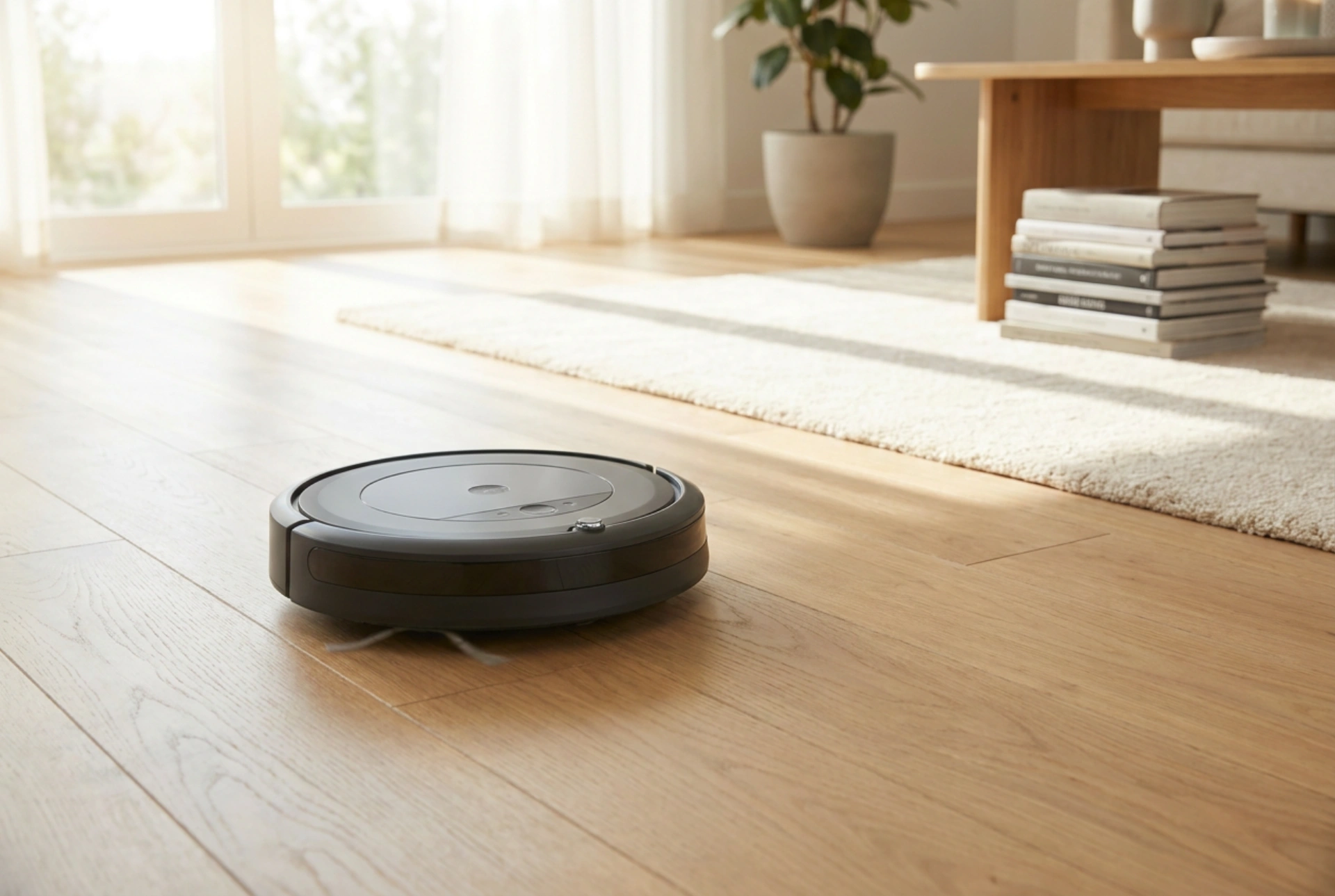
Map out all rugs and carpets as "no-mop zones" in your application. While some advanced models lift their mop plates automatically when detecting carpet fibres, manual boundaries provide an extra layer of security, preventing delicate textiles from absorbing dampness and dirty water residue.
Optimal Room Sequencing
Always sequence your cleaning runs from the cleanest rooms to the dirtiest. Start with bedrooms and study areas, move to living spaces, and finish in the kitchen and hallway. This prevents the microfibre cloth from cross-contaminating pristine areas with grease, cooking oils, or outdoor grime picked up near entryways.
Post-Clean Hygiene and Capillary Action
Microfibres clean through capillary action, pulling liquid and suspended dirt particles into microscopic spaces between the polyester and polyamide fibres. Once these spaces are saturated, the cloth loses its efficacy and begins to smear dirt. After every cycle, remove the pad immediately. Letting a wet pad sit on a charging dock creates an ideal breeding ground for bacteria and mould, leading to unpleasant odours. Wash the pads at 60°C using standard laundry detergent, but avoid fabric softeners. Softeners coat the microfibres in a hydrophobic layer, destroying their capillary properties and rendering them ineffective for future cleaning cycles.