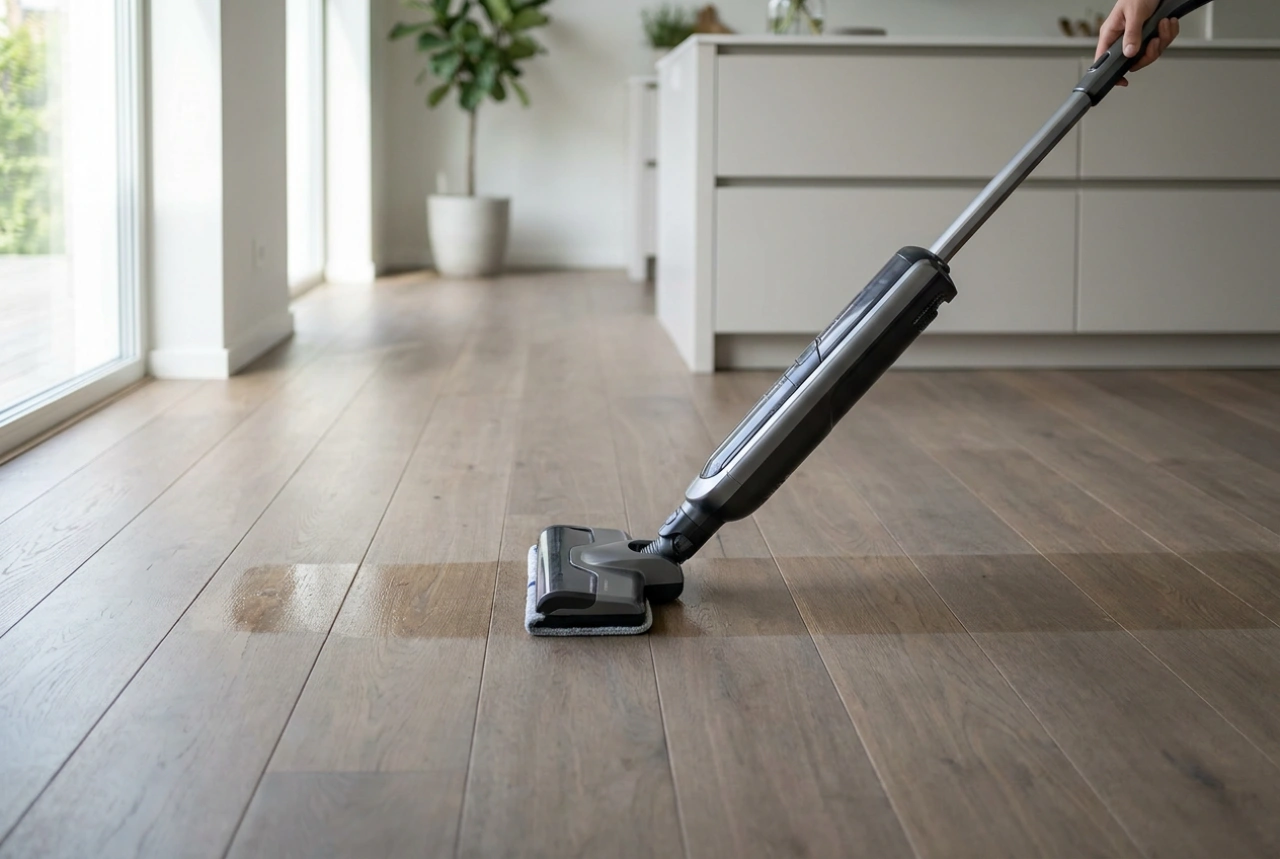


Maintaining optimal suction power in a cordless vacuum cleaner relies on preserving unrestricted airflow and maximizing electrical efficiency. Unlike corded models with high-wattage induction motors, cordless vacuums use compact, high-RPM brushless DC motors powered by lithium-ion batteries, making them highly sensitive to pressure drops and voltage fluctuations.
The Physics of Filter Resistance
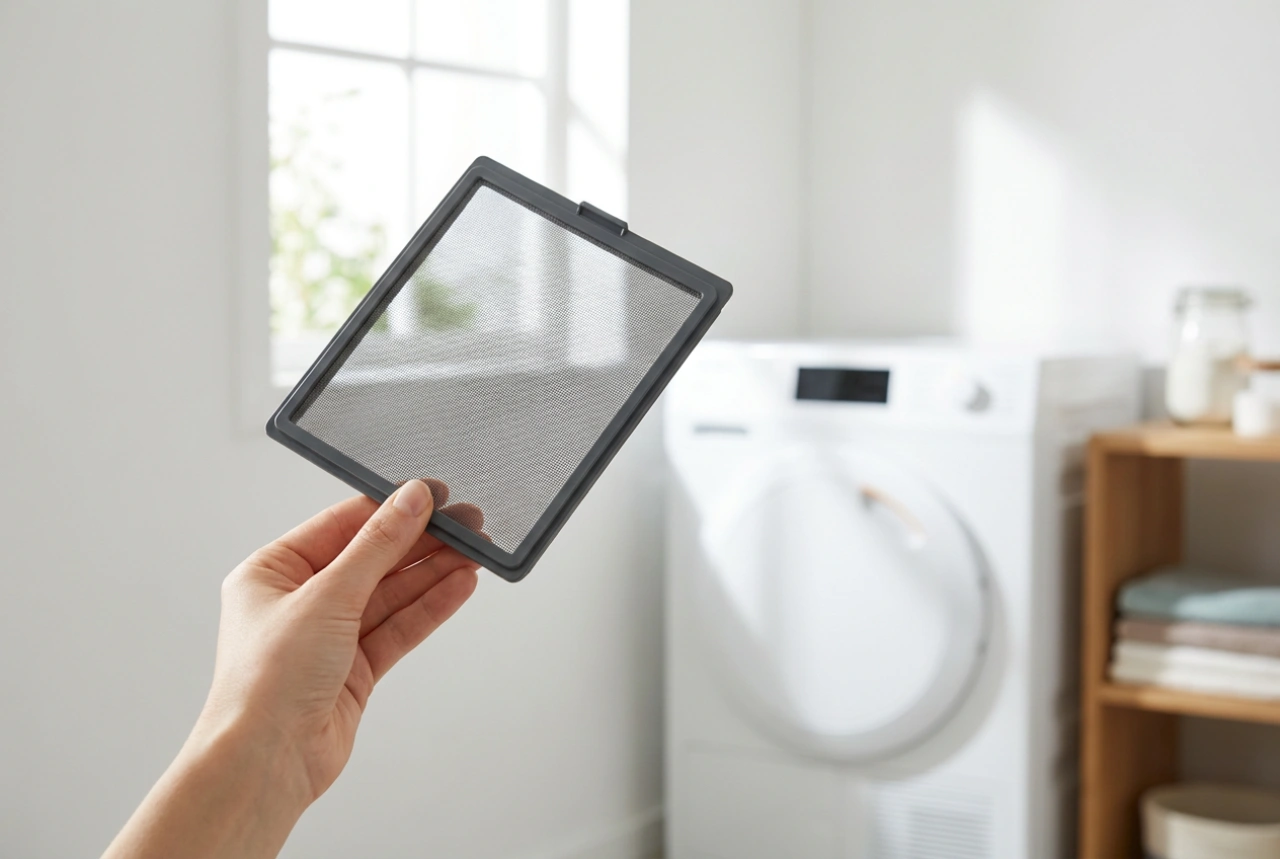
The primary cause of suction loss is airflow restriction within the filtration system. Cordless vacuums typically employ a multi-stage filtration process, starting with a coarse metal or plastic mesh, followed by a fine particle filter (often a HEPA filter). As air carrying debris enters the vacuum, larger particles are separated by centrifugal force, while microscopic dust settles on the fibers of the fine filter.
Over time, these microscopic particles fill the microscopic voids in the filter media, a phenomenon known as depth loading. This drastically increases the static pressure resistance within the system. To counteract this, filters must be cleaned systematically:
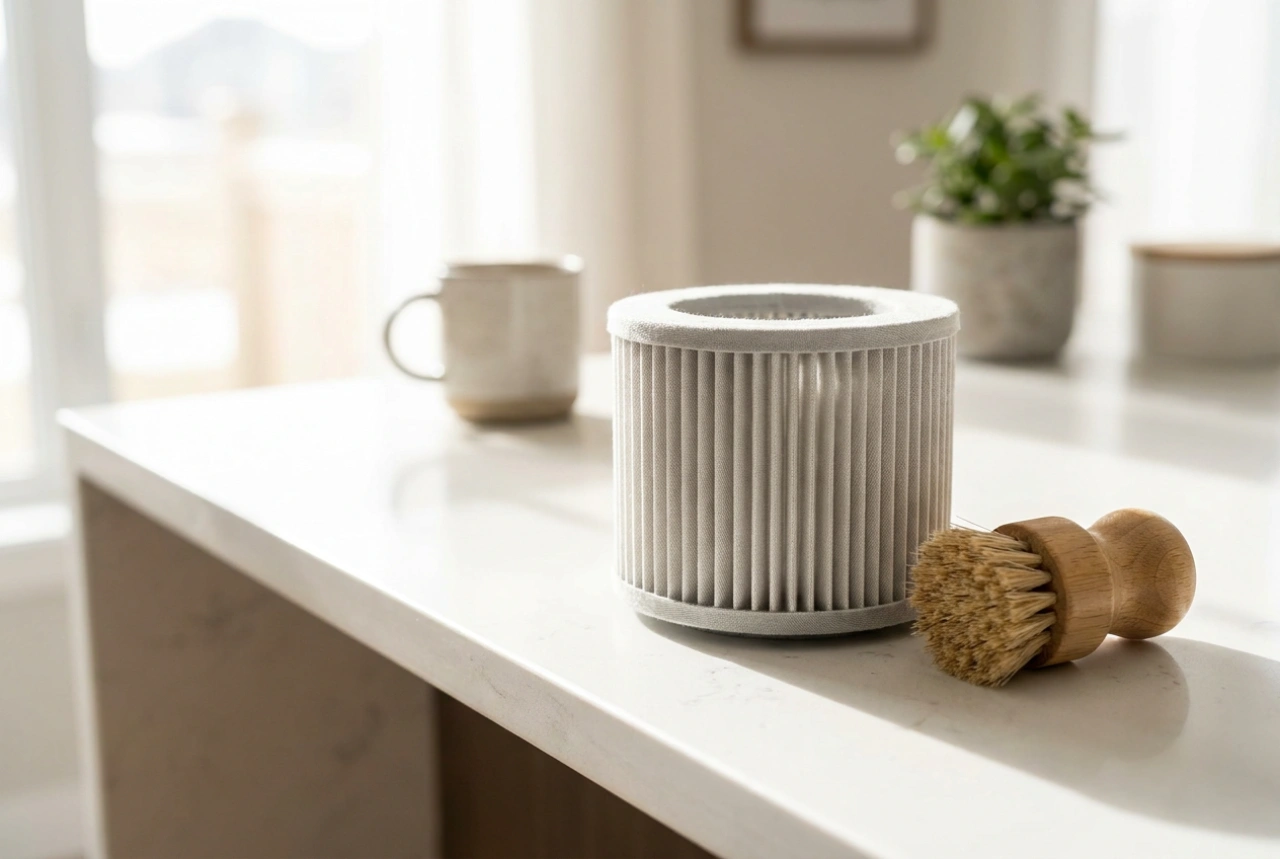
- Dry-cleaning the mesh: Tap the cyclone assembly gently to dislodge loose dust. Use a soft dry brush to clear the fine mesh shroud.
- Washing the fine filter: Wash the filter under cold, running water without any detergents, which can degrade the synthetic fibers. Avoid scrubbing the delicate pleats.
- The 24-hour drying rule: Never reinstall a damp filter. Moisture blocks airflow completely and, when drawn into the high-speed motor, can cause electrical shorts or promote mold growth inside the housing. Allow it to air-dry completely for at least 24 hours away from direct heat sources.
Mechanical Obstructions and Brush Roll Drag
Airflow velocity is governed by the narrowest point in the vacuum's pathway. Any partial blockage in the floor nozzle, wand, or inlet port creates turbulent air currents and a massive drop in static pressure. Regularly inspect the entire air duct by detaching the wand and looking through it against a light source.
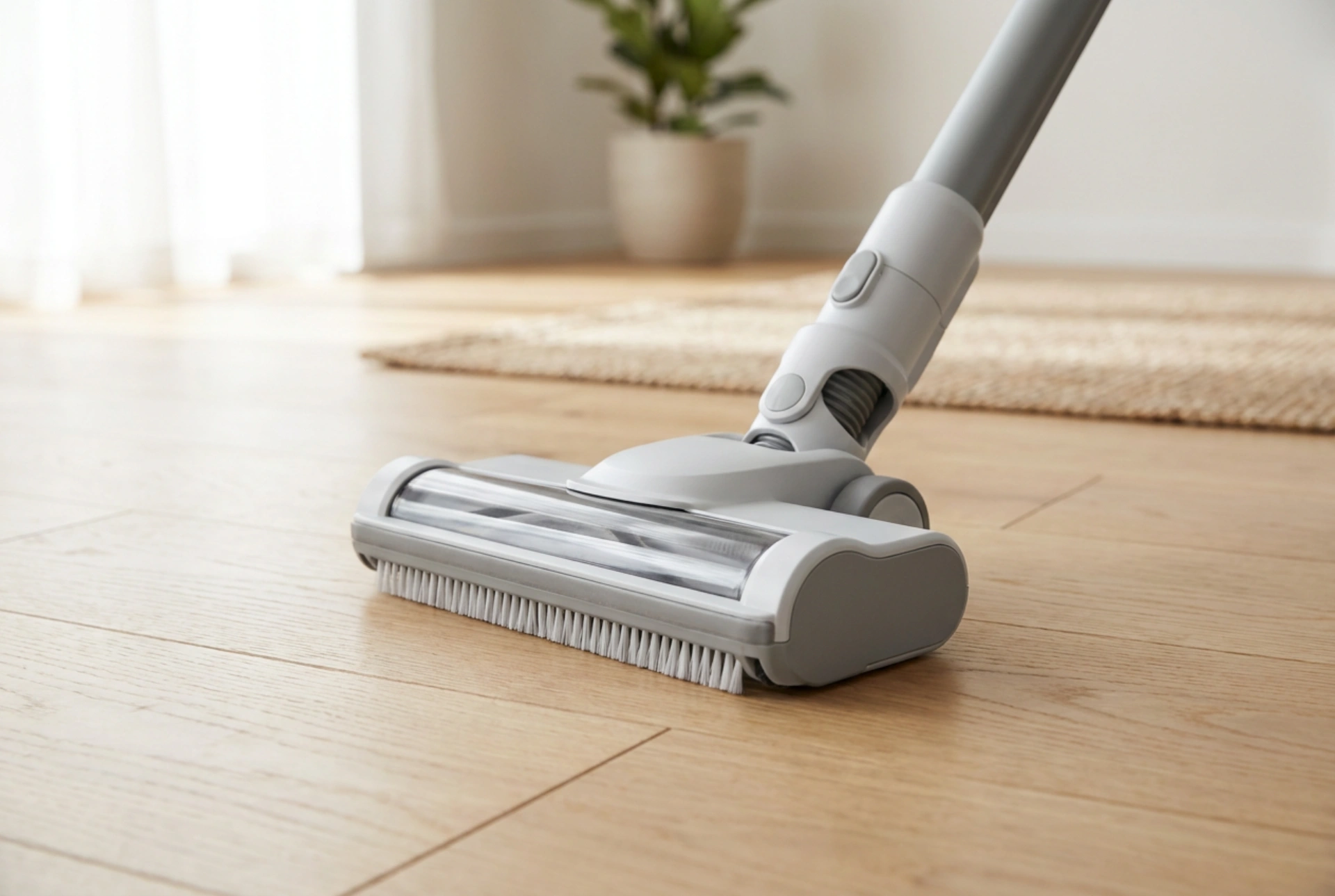
Equally critical is the mechanical resistance of the motorized brush bar. Most cordless vacuums use a motor-driven brush roll to agitate carpets. Hair, thread, and carpet fibers wrap tightly around the cylinder, creating frictional drag. This resistance forces the small electric drive motor inside the cleaning head to draw more current from the battery, reducing overall run time. Furthermore, a tangled brush roll disrupts the sealing lip of the vacuum head against the floor, allowing ambient air to seep in from the sides instead of being pulled through the carpet pile.
Cyclone Vortex Integrity and Airtight Seals
Cordless vacuums rely on cyclonic separation to spin heavy dust particles out of the airflow before it reaches the filter. This process requires a perfect vortex. If the dust bin is filled past the maximum fill line, the vortex is disrupted. Instead of falling into the bin, debris is sucked directly upward into the fine filter, clogging it within minutes.
Additionally, look at the elastomeric (rubber or silicone) gaskets sealing the dust bin door, filter compartment, and wand connections. These seals ensure that the pressure differential created by the motor is concentrated entirely at the floor nozzle. Small cracks, dust accumulation on the gaskets, or misaligned latches let air bypass the main pathway, causing a sudden drop in suction velocity at the cleaning head. Clean these seals with a damp microfiber cloth to ensure a perfect airtight fit.
Battery Management and Motor Efficiency
The suction power of a cordless vacuum is directly proportional to the rotational speed (RPM) of its motor, which depends on the voltage supplied by the lithium-ion battery pack. Lithium-ion cells experience a phenomenon called voltage sag under heavy loads. If the battery is degraded, hot, or nearly discharged, the voltage drops rapidly, leading to a noticeable decrease in motor RPM and suction.
To maintain peak voltage output and prolong battery life, follow these principles of battery physics:
- Avoid extreme temperatures: Do not charge or store the vacuum in cold garages or near hot radiators. Lithium-ion chemistry performs optimally between 15°C and 25°C.
- Manage thermal stress: If you use the vacuum on maximum power mode, the battery pack will heat up. Allow the battery to cool down for 15 to 30 minutes before plugging it into the charger to prevent thermal degradation of the cells.
- Optimal charge cycles: Avoid letting the battery drain completely to 0% regularly, as deep discharges strain the cell chemistry. Charge the device after each moderate use.