

Removing dog hair from household surfaces requires more than raw suction; it demands an understanding of static electricity, fiber friction, and mechanical agitation. This systematic guide details the exact physics-based techniques to dislodge stubborn pet hair from both hard flooring and delicate upholstery.
The Physics of Pet Hair Adhesion
To effectively extract dog hair, one must first understand why it clings so stubbornly. Dog fur consists of keratin, which readily accumulates static electrical charges when subjected to friction against synthetic upholstery fibers like polyester or nylon. Additionally, under microscopic examination, pet hair features microscopic cuticles or scales. These scales act like tiny barbs, interlocking with the woven loops of fabric and carpet fibers.
Simply applying suction is often insufficient because the mechanical interlocking and electrostatic attraction exceed the lifting force of standard vacuum airflow. Successful removal requires disrupting these physical bonds through mechanical agitation, neutralizing static charge, or utilizing high-friction materials that pull the hair free through shear force.
Optimizing Vacuum Mechanics: Airflow and Agitation
Efficient hair removal relies on two primary variables: airflow velocity and mechanical agitation. For carpets and textured upholstery, rely on tools equipped with motorized brush bars (beater bars). The rotating bristles physically strike the carpet fibers, flexing them to release the interlocked hair shafts, allowing the vacuum’s airflow to capture them.
- Beater Bar Speed: High rotational speed is ideal for dense carpets, but should be avoided on delicate woven fabrics to prevent fiber pilling.
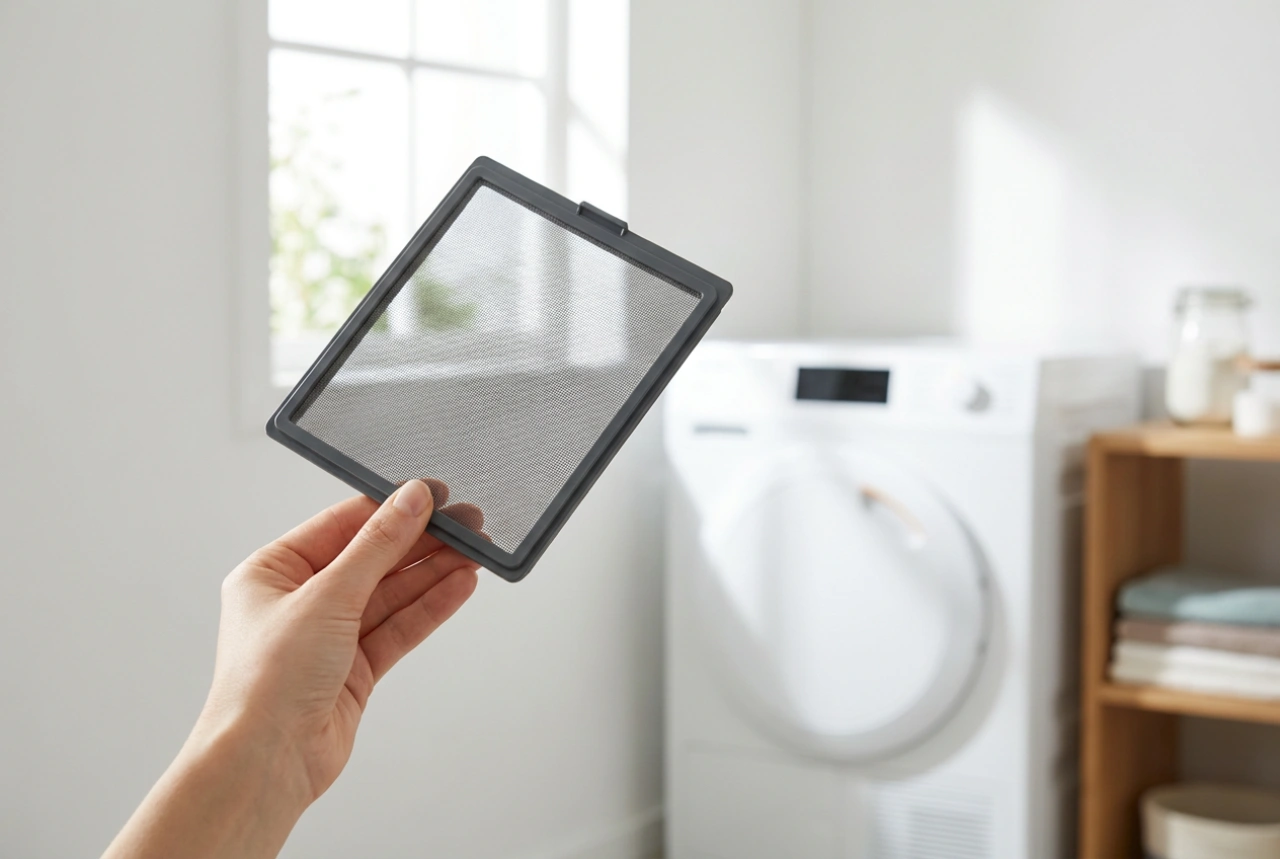
- Airflow vs. Vacuum Pressure: Airflow (measured in cubic feet per minute) carries the loosened hair into the collection chamber. Ensure filters are clean to maintain maximum velocity; restricted airflow causes hair to drop back onto the surface.
- Static Neutralization: Lightly misting carpets with a highly diluted solution of water and a tiny drop of fabric softener (which contains cationic surfactants) can neutralize negative static charges, making the hair significantly easier to lift.
A Systematic Floor Plan: High-to-Low and Cross-Hatch
An undisciplined approach to vacuuming leads to re-contamination of cleaned areas as airborne dander and hair settle. Always execute your cleaning plan from the highest points to the lowest. Start with shelves and window sills, move to upholstery, and finish with the floors.
When tackling floors, modify your technique based on the material:
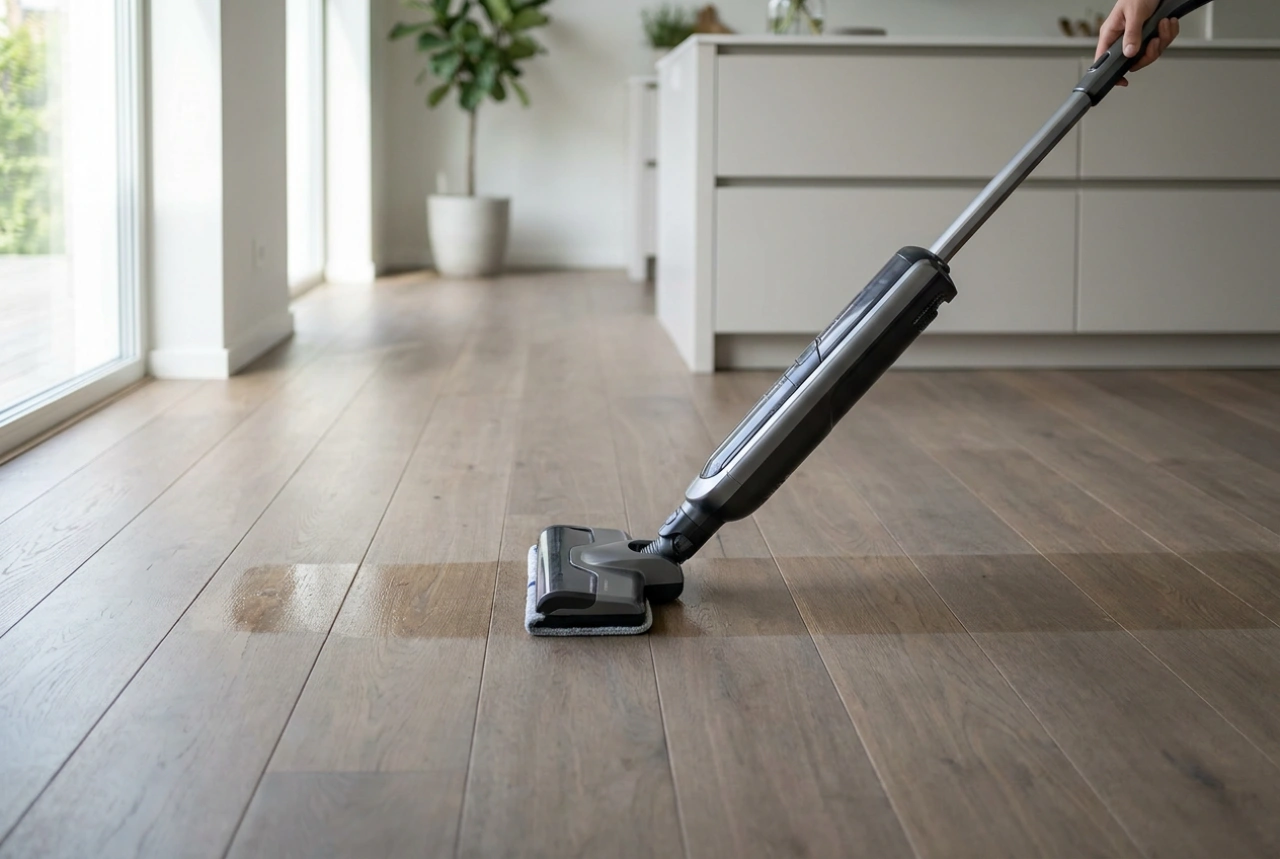
Hardwood and Tile Floors
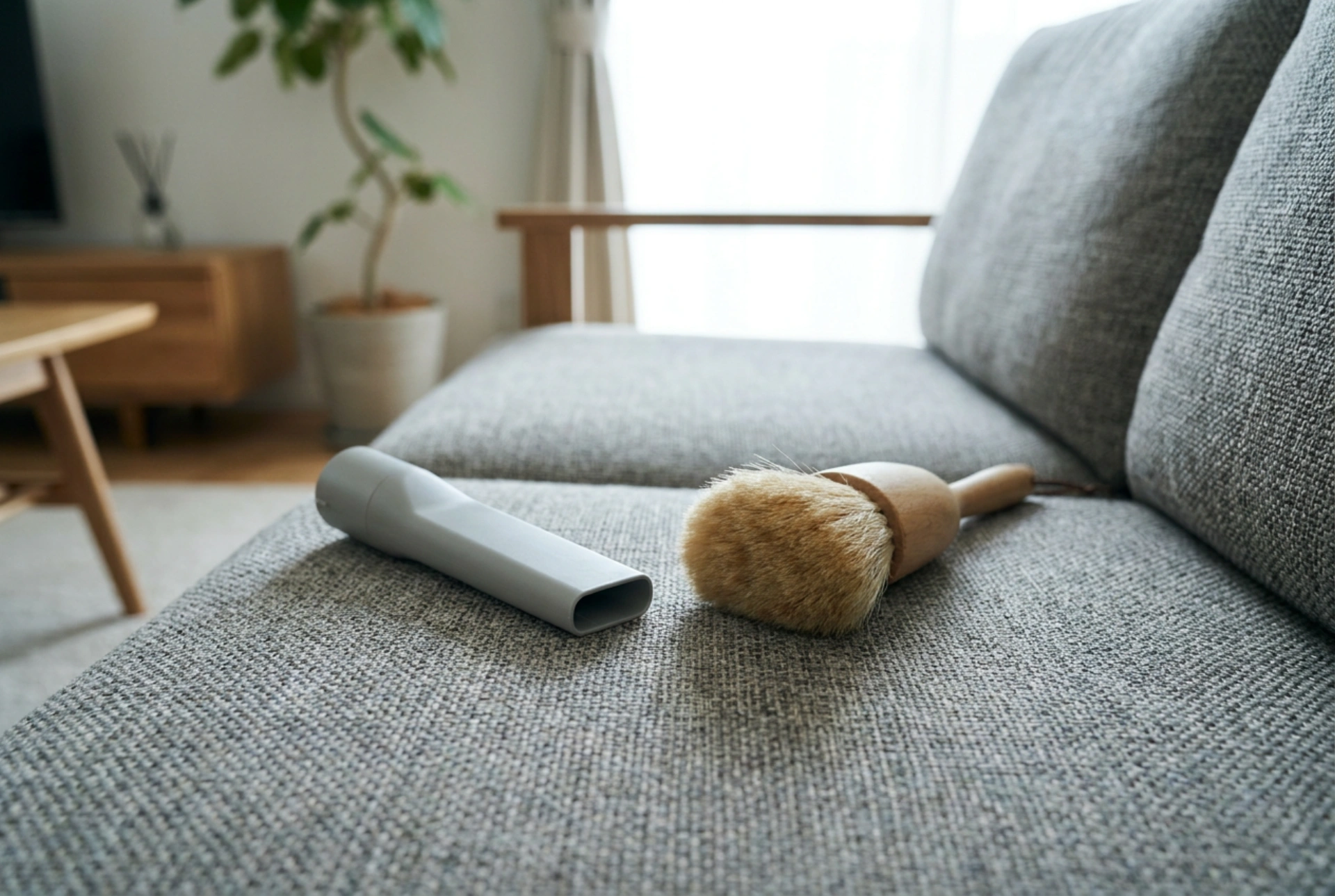
Avoid standard rotating brush bars on hard surfaces, as the rapidly spinning bristles can scatter light pet hair into the air or under furniture. Instead, utilize a dedicated hard-floor tool with soft, natural bristles. These bristles create a gentle seal against the floor, channeling the suction directly to the ground while physically gathering the hair without scattering it. Vacuum in overlapping parallel lines, working toward the room's exit.
Carpets and Rugs
Employ the cross-hatch technique. Vacuum the entire area in North-South lines, then repeat the process in East-West lines. This multi-directional approach ensures that hair snagged in carpet fibers from different angles is systematically dislodged and captured.
Upholstery Extraction Techniques
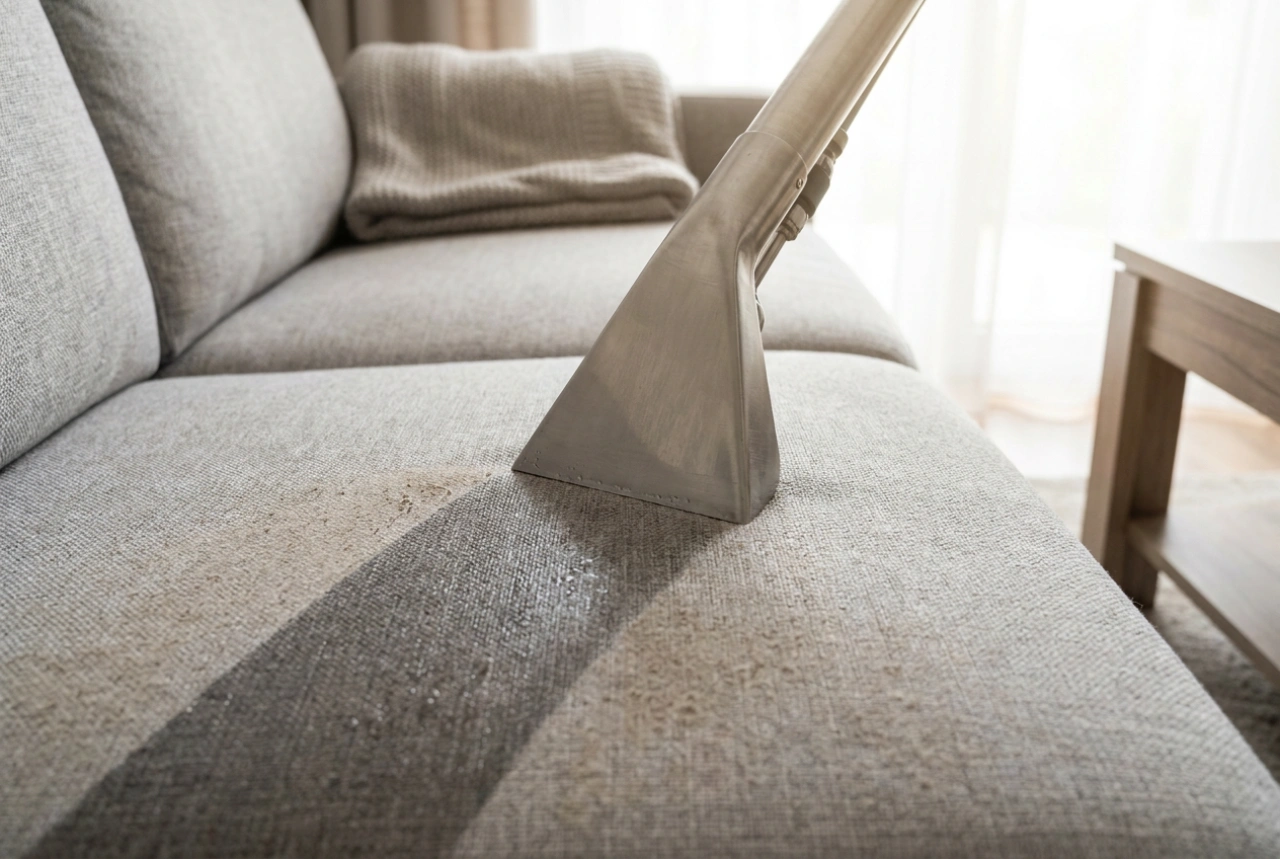
Upholstery fabrics present the greatest challenge due to tight weaves and high electrostatic potential. To clear sofas and chairs, use a targeted two-step process combining friction and suction.
First, introduce a high-friction material to pull hair to the surface. A simple rubber squeegee or a specialized rubber-bristled brush works exceptionally well. When dragged across fabric, rubber creates a strong mechanical grip on the hair shafts, pulling them out of the weave and gathering them into easily vacuumed clumps. Drag the rubber tool in short, firm strokes in a single direction.
Second, follow immediately with the vacuum's upholstery tool. Use slow, deliberate overlapping strokes. Speed is the enemy of thorough extraction; moving the nozzle too quickly does not allow enough time for the airflow to overcome the inertia of the fibers.
Vacuum Maintenance for Consistent Performance
Pet hair places immense mechanical strain on vacuum cleaners. Hair wraps tightly around rotating brush rolls, increasing friction, overheating the motor, and reducing rotational speed. After every major cleaning session, use a pair of shears to cut away wrapped hair along the brush roll's groove.
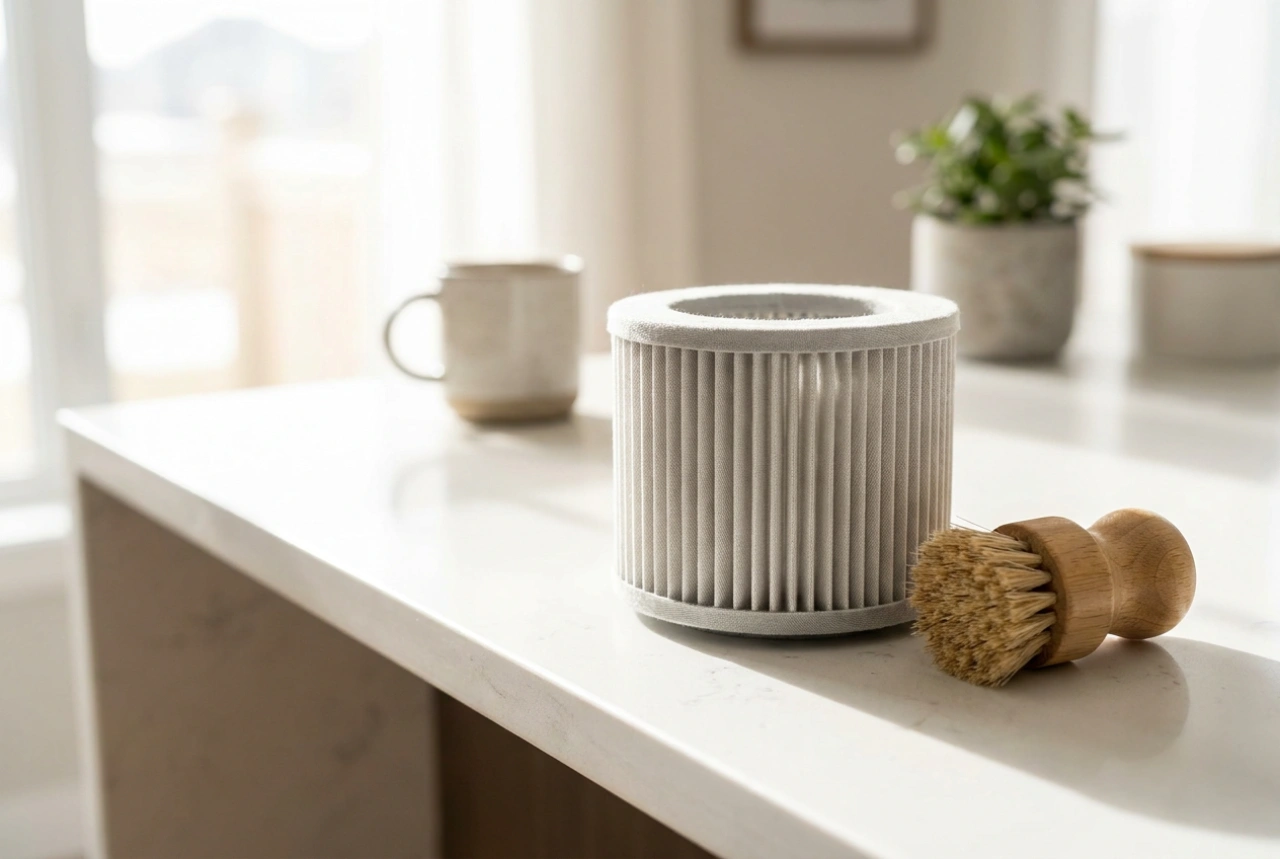
Additionally, fine pet dander quickly clogs high-efficiency particulate air (HEPA) filters. Clean or replace these filters according to the manufacturer's physical guidelines to maintain optimal pressure differentials, ensuring your vacuum retains the high velocity required to transport hair from the floor to the dust canister.