

Deep cleaning carpets and upholstery with a spray-extraction vacuum relies on the precise synergy of surfactant chemistry, water temperature, and mechanical suction to lift embedded soil from deep within textile fibers.
The Chemistry of Soil Suspension: Pre-treatment and Surfactants
A common mistake in textile extraction is relying solely on the machine's spray cycle to dissolve dirt. In reality, effective cleaning requires a distinct chemical preparation phase. Soils embedded in carpets and upholstery are typically bound by a microscopic layer of oils and greases. Standard water cannot penetrate this layer due to its high surface tension.
Applying a pre-spray solution containing surfactants breaks this tension. Surfactant molecules have a dual nature: a hydrophilic (water-loving) head and a lipophilic (fat-loving) tail. The lipophilic tails attach to the oily dirt particles, while the hydrophilic heads align outward toward the water. This process, known as emulsification, suspends the soil in a liquid state, detaching it from the fiber. Allowing a dwell time of five to ten minutes is crucial, as it gives the chemical reactions sufficient time to break down complex organic bonds without drying out.
The Physics of Extraction: Pressure and Suction Mechanics
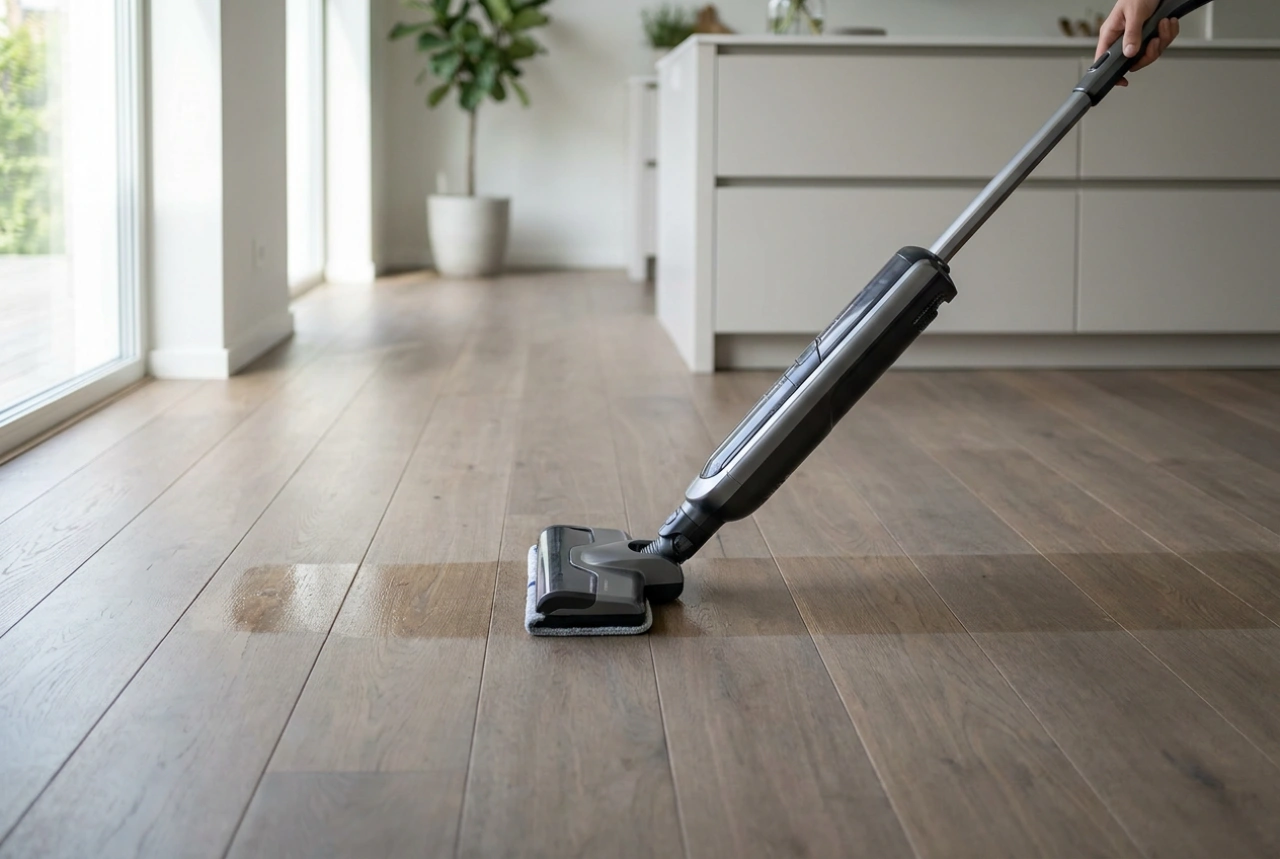
Once the soil is suspended, the spray-extraction vacuum uses two distinct physical principles: high-pressure fluid injection and high-velocity vacuum recovery. The machine injects water or a rinsing solution deep into the fiber matrix, immediately followed by a narrow vacuum nozzle that creates a powerful low-pressure zone.
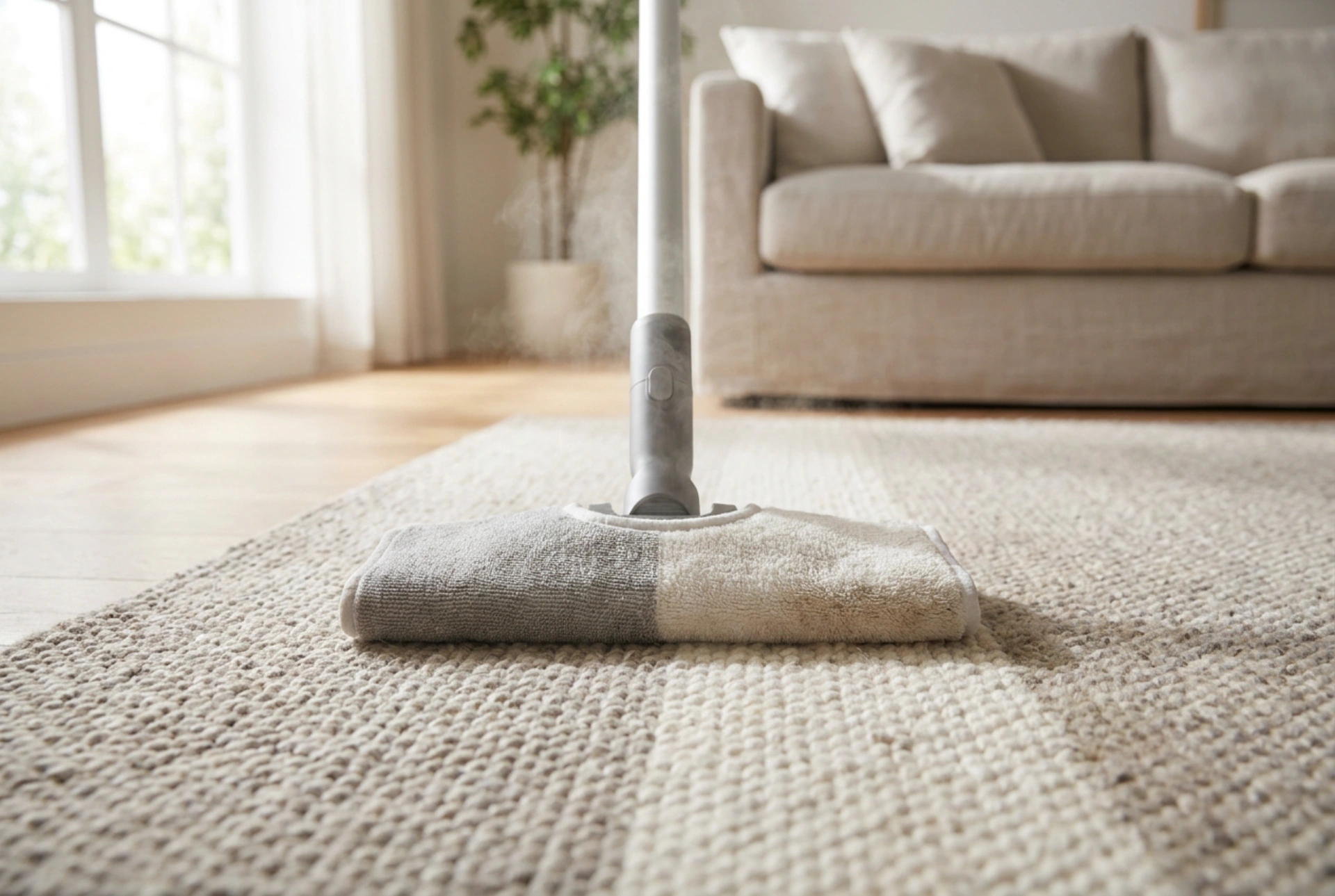
To maximize extraction efficiency, the speed of your stroke is paramount. Moving the extraction hand-tool too quickly prevents the vacuum from establishing a complete seal against the fabric, leaving significant amounts of dirty water behind. Slow, deliberate, overlapping passes pull the emulsified slurry out of the pile via capillary action and pressure differentials. A standard technique involves a "wet pass" (spraying and extracting simultaneously) followed immediately by two "dry passes" (extracting without spraying) to extract as much residual moisture as possible.
Fiber Dynamics: Temperature and Material Sensitivity
Different textile fibers respond uniquely to water temperature and chemistry. Understanding these physical limits is essential to prevent permanent damage like shrinkage or dye bleeding.
- Synthetic Fibers (Nylon, Polyester, Polypropylene): These fibers are highly resilient and can withstand higher temperatures (up to 60°C). Heat increases the kinetic energy of the water molecules, accelerating the breakdown of oily soils.
- Natural Fibers (Wool, Silk, Cotton): These materials are highly sensitive to heat and pH levels. Wool can shrink and felt under high temperatures and friction, while cotton is prone to "cellulosic browning" if it remains wet for too long. For natural fibers, water temperature should not exceed 30°C, and a neutral or slightly acidic pH rinse must be used to stabilize dyes and prevent browning.
A Step-by-Step Professional Extraction Protocol
To achieve professional-grade results without damaging your textiles, follow this methodical order of operations:
1. Dry Soil Removal: Before introducing any liquid, vacuum the surface thoroughly with a brush attachment. Up to 80% of carpet soil is insoluble particulate matter (like silica sand and dust). If mixed with water first, these particulates turn into a mud-like slurry that is significantly harder to extract.
2. Pre-spray and Agitation: Apply your surfactant pre-spray evenly across the surface. Use a soft-bristled brush for upholstery or a stiffer carpet brush to gently agitate the fibers. This mechanical action physically breaks the bond between the soil and the fiber wall, allowing the surfactant to work more effectively.
3. Rinsing and Extraction: Fill the vacuum’s clean-water tank. Adding a mild acidic rinse agent to the water is highly recommended; it neutralizes the alkaline pre-spray residues, preventing the carpet from feeling stiff or attracting dirt rapidly after drying.
4. Accelerated Drying: Residual moisture is the enemy of fabric preservation. High humidity can trigger mold growth within 24 to 48 hours. Open windows, utilize fans, or run a dehumidifier in the room to promote rapid evaporation.