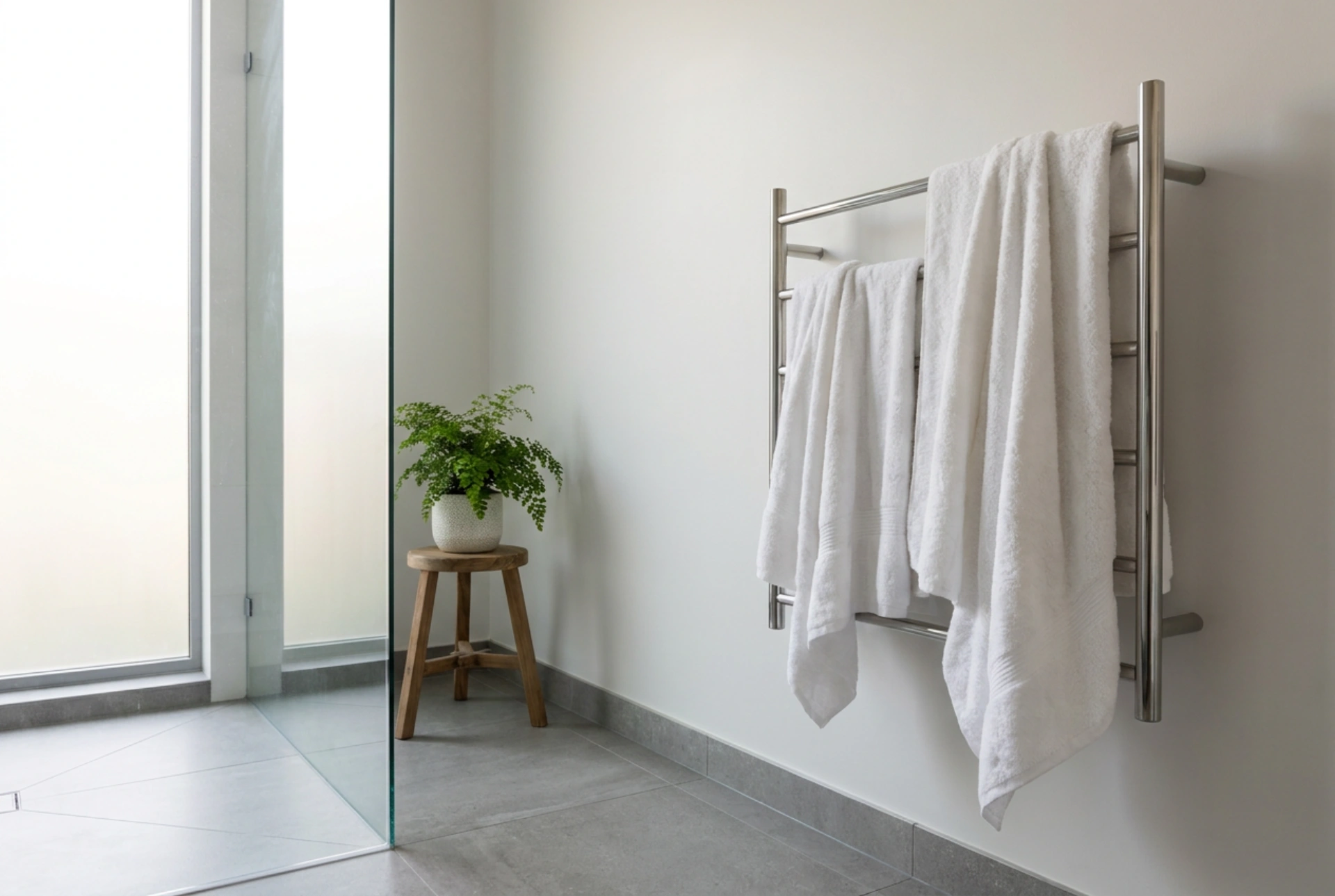


Using your shower cabin as an indoor drying zone is an excellent space-saving strategy, but without proper moisture management, it can rapidly lead to elevated relative humidity, condensation, and mold growth. Controlling the physical parameters of evaporation, temperature, and airflow allows you to dry clothes efficiently within this confined space.
The Physics of Evaporation in Enclosed Zones
To dry clothes, liquid water within the fabric fibers must transition into water vapour. This process relies on the vapour pressure deficit—the difference between the moisture level in the wet fabric and the surrounding air. In a closed shower cabin, the air quickly becomes saturated, reaching 100% relative humidity. Once this saturation point is met, evaporation ceases, and the moisture begins to condense on cold surfaces like glass panels, tiles, and metal fixtures. To prevent this, you must actively disrupt this microclimate. Continuous air exchange is required to carry away the moist air and replace it with drier air, maintaining a low relative humidity that encourages ongoing evaporation.
Optimising Airflow and Boundary Layers
Every wet garment is surrounded by a thin, stagnant layer of highly saturated air known as the boundary layer. If this layer is not disrupted, drying slows down dramatically. Because shower cabins are semi-enclosed, natural air currents are restricted. You can overcome this by utilising thermodynamic principles of natural convection or mechanical assistance.
- Leave the cabin doors open: Keeping the shower screen or door open at least halfway allows dense, moisture-laden air to escape into the wider bathroom space, where it can be handled by the main ventilation system.
- Utilise the bathroom extractor fan: Turn on the mechanical extract ventilation. This creates a low-pressure zone in the room, drawing dry air from surrounding hallways under the bathroom door and forcing moist air out through the ducting.
- Positioning of garments: Hang items parallel to the direction of the airflow, not perpendicular. This allows air to glide smoothly over both sides of the fabric, speeding up the removal of the boundary layer.
Strategic Hanging Techniques and Gravity Drainage
The arrangement of textiles on a rack inside the shower cabin directly influences drying times and moisture accumulation. Physics dictates that gravity draws liquid water downward through the fabric fibers. Therefore, the bottom hem of hanging garments will remain wet the longest.
- Maximum spacing: Ensure a minimum of five to ten centimetres of empty space between each hanging item. Clumped clothes restrict air movement and trap pockets of cold, damp air.
- Heavy fabrics on the perimeter: Place thick cotton items, which hold the most water, closer to the open side of the shower cabin where air movement is highest. Synthetic materials, which dry rapidly due to their hydrophobic properties, can be placed further back.
- Use coat hangers: Hanging shirts and trousers on plastic hangers opens up the interior of the garments, allowing air to circulate through the inside as well as the outside.
Managing Room Temperature and the Dew Point
The dew point is the temperature at which water vapour in the air condenses into liquid water. Cold surfaces inside a bathroom—such as glass shower screens, exterior-facing tiled walls, and metal frames—are highly susceptible to condensation because their surface temperature is often below the dew point of the humid indoor air. To combat this, maintain a consistent ambient temperature in the bathroom. A warm room (around 20 to 22 degrees Celsius) increases the moisture-holding capacity of the air, keeping the water in vapour form until it can be extracted by the ventilation system, rather than letting it settle on your bathroom surfaces.
A Quick Process Checklist for Efficiency
- Wring or spin-dry garments thoroughly in the washing machine before hanging to reduce initial water load.
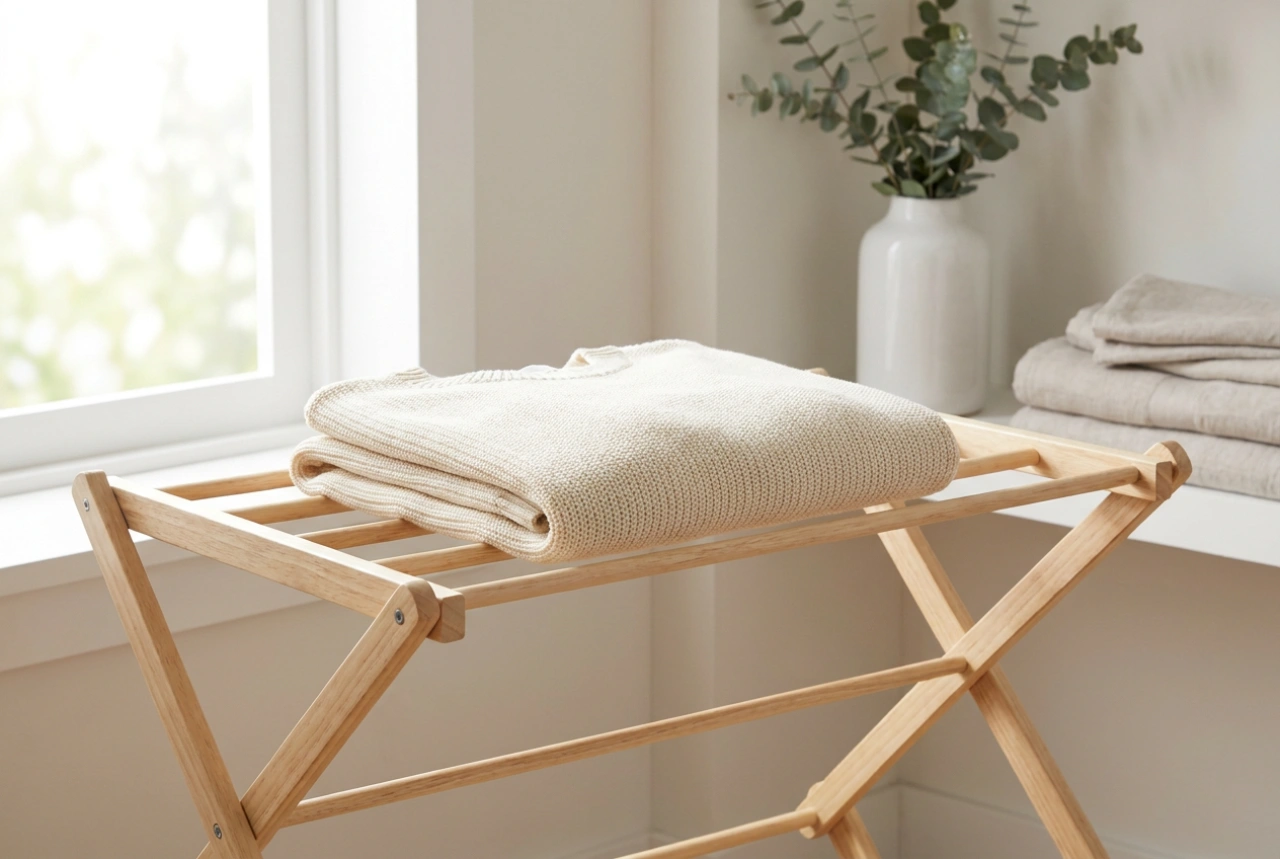
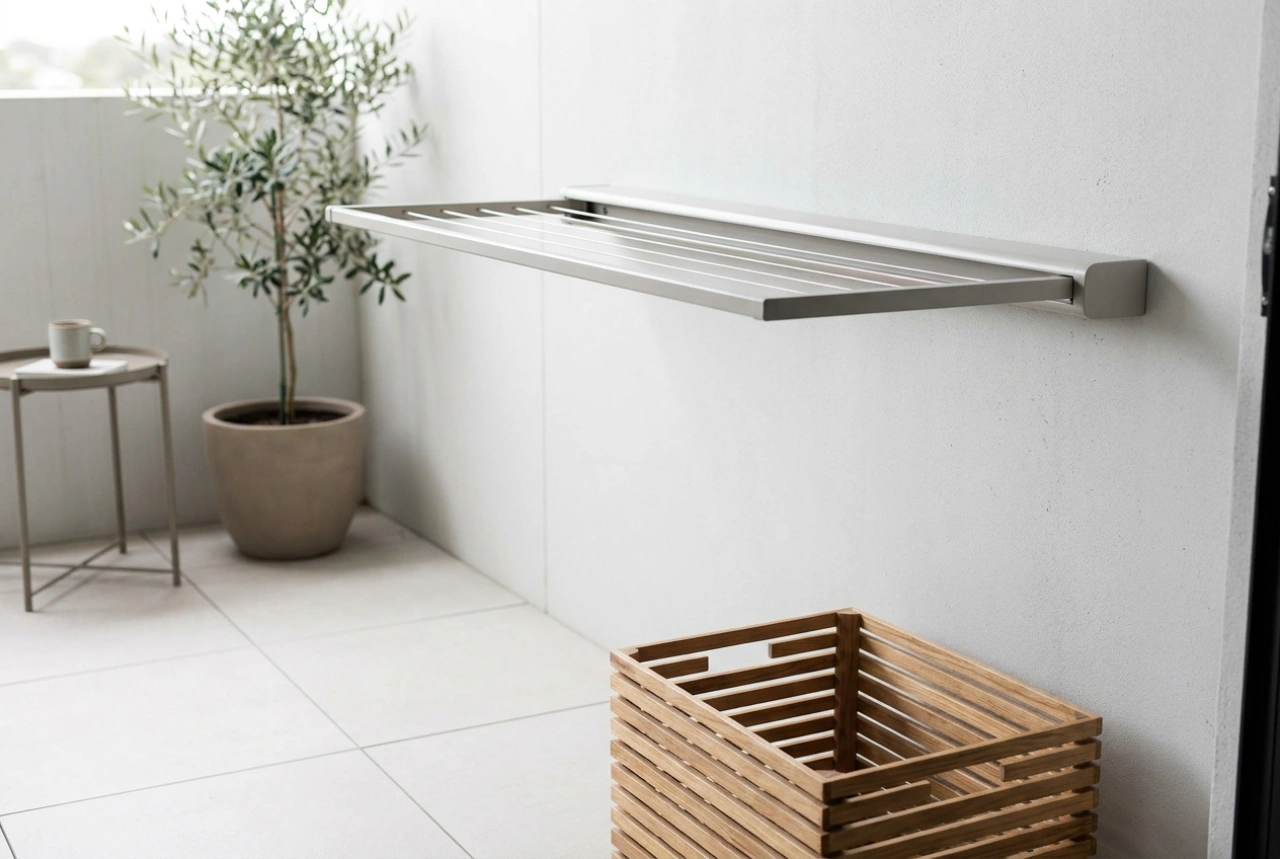
- Set up a rust-proof drying rack inside the tray, ensuring it does not block the drain.
- Keep the shower door open at least 45 degrees to facilitate air exchange.
- Engage the extractor fan or open a window slightly to vent the evaporated moisture.
- Wipe down any pooling water on the shower floor to prevent extra ambient humidity.