

Managing laundry in confined spaces like studio apartments or compact bathrooms requires a solid understanding of thermodynamics and indoor humidity control. Implementing a small electric clothes dryer or heated drying rack offers an energy-efficient solution, provided you optimize the physical mechanisms of evaporation and airflow.
The Thermodynamics of Heated Drying Racks
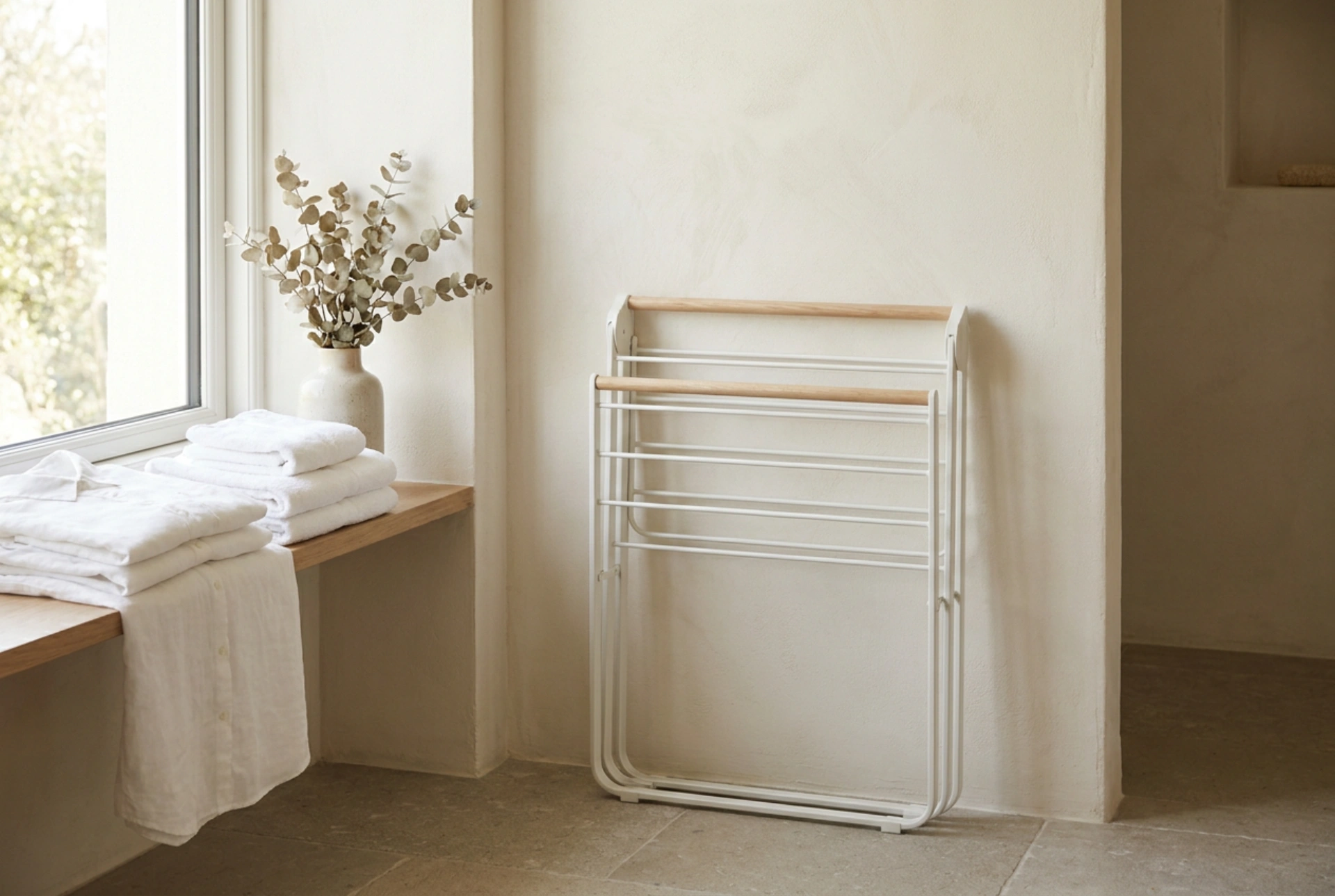
Traditional drying relies on ambient air temperature and natural convection to slowly pull moisture from wet fabrics. In a small space, this process is often too slow, leading to musty odors caused by bacterial growth in prolonged damp conditions. A small electric drying rack accelerates this process through direct thermal conduction.
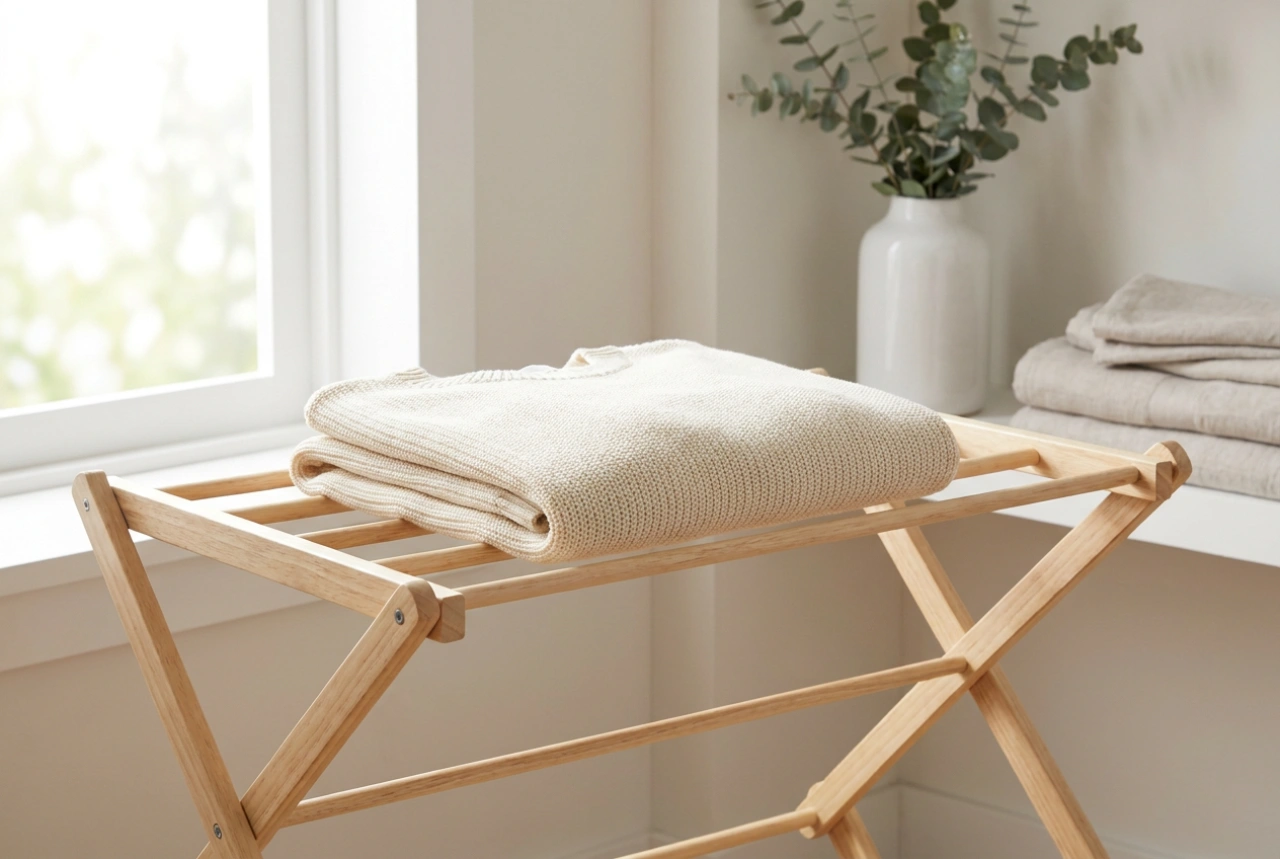
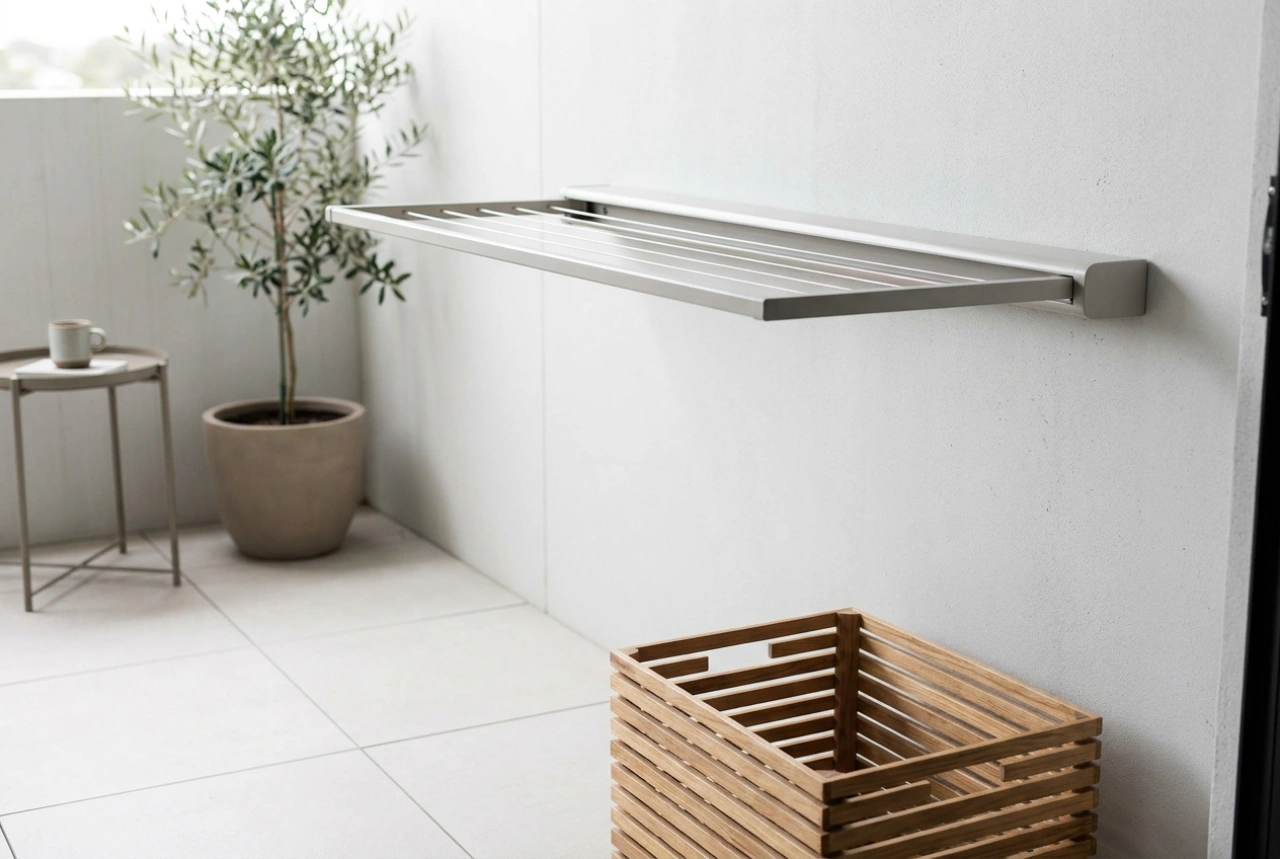
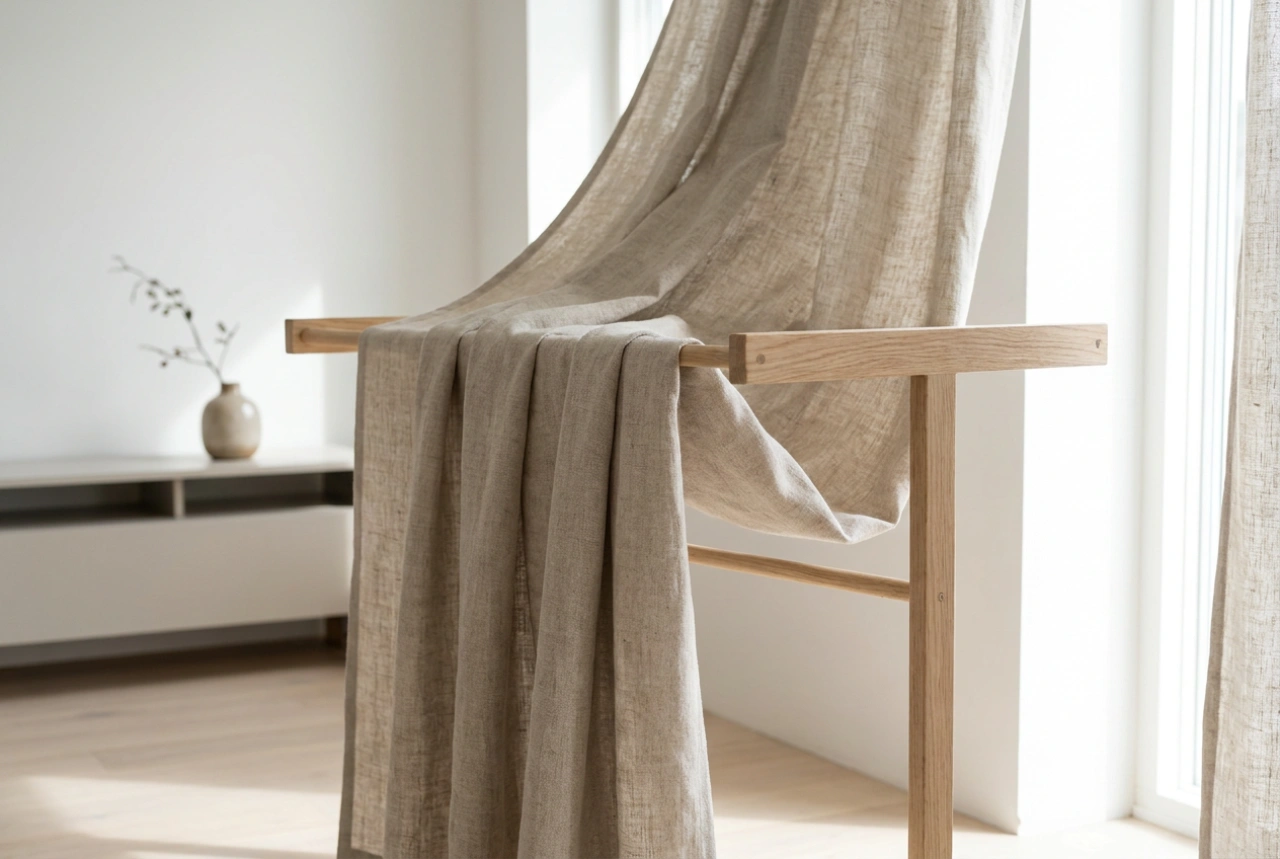
When the heated bars of an electric rack make direct contact with wet textiles, heat energy is transferred directly to the water molecules trapped within the fibers. This thermal energy increases the kinetic energy of the water molecules, allowing them to overcome intermolecular forces and transition from a liquid state to a gaseous state (vaporization) at a much lower ambient room temperature. To maximize this conductive heat transfer, clothes must be draped so that as much surface area as possible touches the heated aluminum or steel bars.
The Boundary Layer and Airflow Mechanics
As water evaporates from the fabric, a microscopic layer of highly humid air—known as the boundary layer—forms immediately around the wet clothing. If this boundary layer remains stagnant, the local relative humidity reaches 100%, halting further evaporation regardless of how warm the heating elements are.
To break this boundary layer, mechanical air movement is essential. In a small bathroom or studio, positioning the electric dryer near a natural air current or an active ventilation grille utilizes the stack effect. As the heated dryer warms the surrounding air, the air expands, becomes less dense, and rises. This natural convection pulls cooler, drier air from floor level upward through the hanging garments. You can enhance this cycle by leaving a 2-centimeter gap between hung items, ensuring air can circulate freely between the fabric layers rather than becoming trapped in cold, damp pockets.
Managing Indoor Moisture and Preventing Condensation
A single load of wet laundry can release up to two to three liters of water vapor into the air. In a small living area, this sudden influx of moisture can quickly push the indoor air past its dew point—the temperature at which air can no longer hold water vapor, causing it to condense back into liquid on cold surfaces like windows and external walls. Over time, this leads to mold growth and structural damage.
To prevent condensation, the moisture released by the electric dryer must be actively managed. In a bathroom, run the mechanical extraction fan during the drying cycle and for at least thirty minutes afterward. In an open-plan studio apartment, cracking a window slightly creates a pressure differential that encourages damp air to escape while fresher, drier outdoor air enters. Alternatively, pairing a small electric dryer with a compressor-based dehumidifier allows you to capture the airborne moisture, converting it back into liquid water in a controlled tank rather than letting it settle on your walls.
Fabric Material Science and Loading Efficiency
Different textiles react differently to thermal conduction based on their fiber chemistry. Natural fibers like cotton and linen are highly hydrophilic; their cellulose structure absorbs water deep within the fiber core, requiring more thermal energy and time to dry. Synthetic fibers like polyester and nylon are hydrophobic, retaining moisture only on the surface of the threads, meaning they dry rapidly under mild heat.
- Layering Strategy: Place heavy cotton items, such as towels and jeans, directly over the hottest sections of the electric rack to maximize conduction.
- Draping Technique: Hang lightweight synthetics on the outer wings or edges where radiant heat and natural convection are sufficient to finish the drying process.
- Load Capacity: Avoid overloading the rack. Piling garments on top of one another restricts heat transfer and traps moisture, reversing the efficiency of the heated bars.