

Selecting a vacuum cleaner that minimises joint strain and physical fatigue is essential for maintaining independent home care as we age. By understanding the physics of lever arms, weight distribution, and mechanical movement, you can choose and operate an appliance that works with the body rather than against it.
The Physics of Weight Distribution and Torque
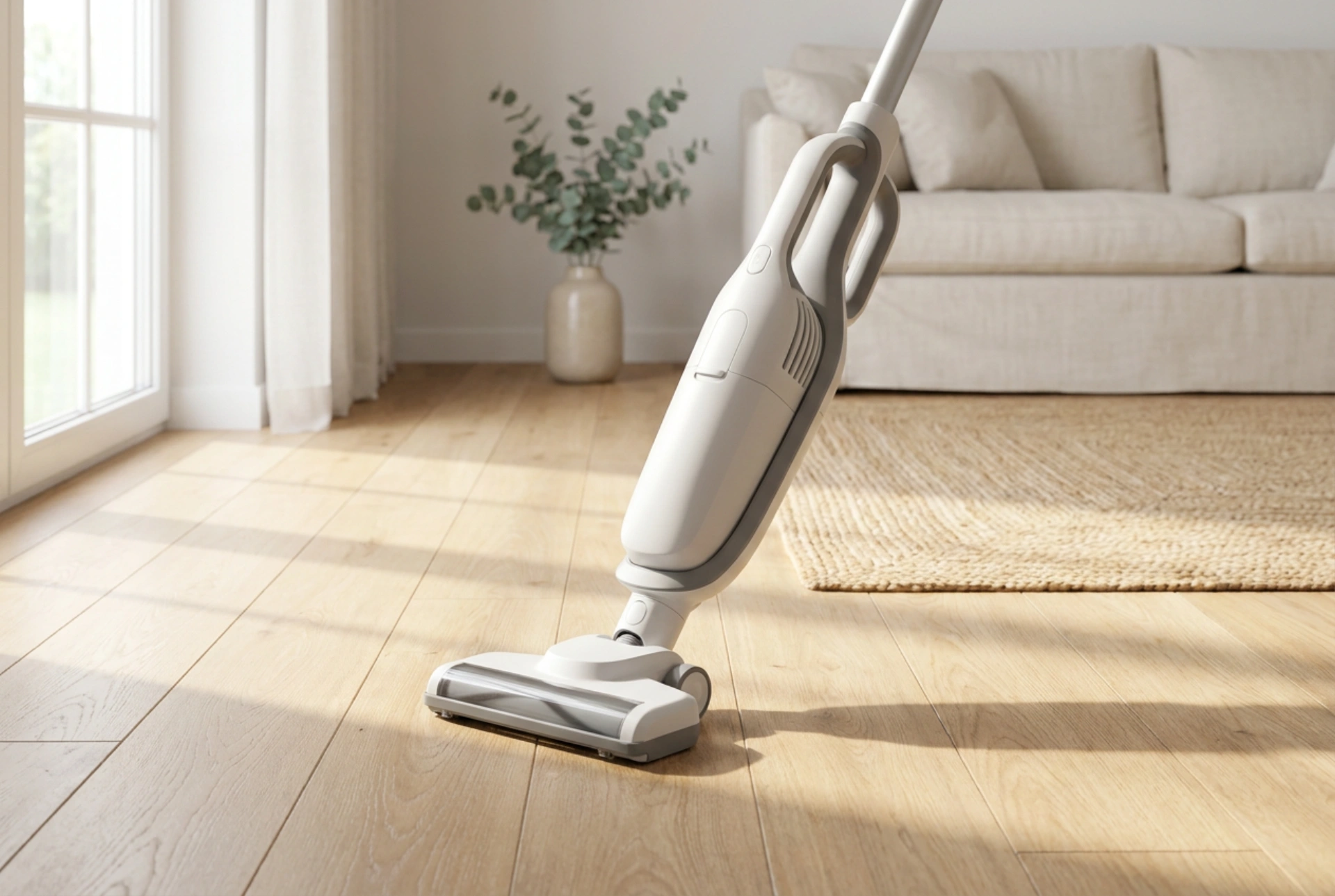
When evaluating a lightweight vacuum cleaner, the total weight listed on the box is only a partial indicator of how easy the machine is to use. The key metric is dynamic weight, which is determined by the position of the centre of gravity. In cordless stick vacuums, the motor and battery assembly are typically located either near the handle or down by the cleaning head. A handle-heavy design creates a longer lever arm, which exerts higher torque on the wrist and forearm, potentially accelerating joint fatigue. Conversely, a bottom-heavy design reduces wrist torque but makes the vacuum harder to lift over thresholds or up stairs.
For those managing severe arthritis or reduced upper-body strength, a traditional cylinder canister vacuum can actually be more ergonomic than a stick vacuum. The heavy motor and dust bin roll independently on the floor, meaning the user only holds the lightweight wand and cleaning head, reducing the weight held in the hand to a fraction of a kilogram.
The Mechanics of Brush Rolls and Floor Gliding
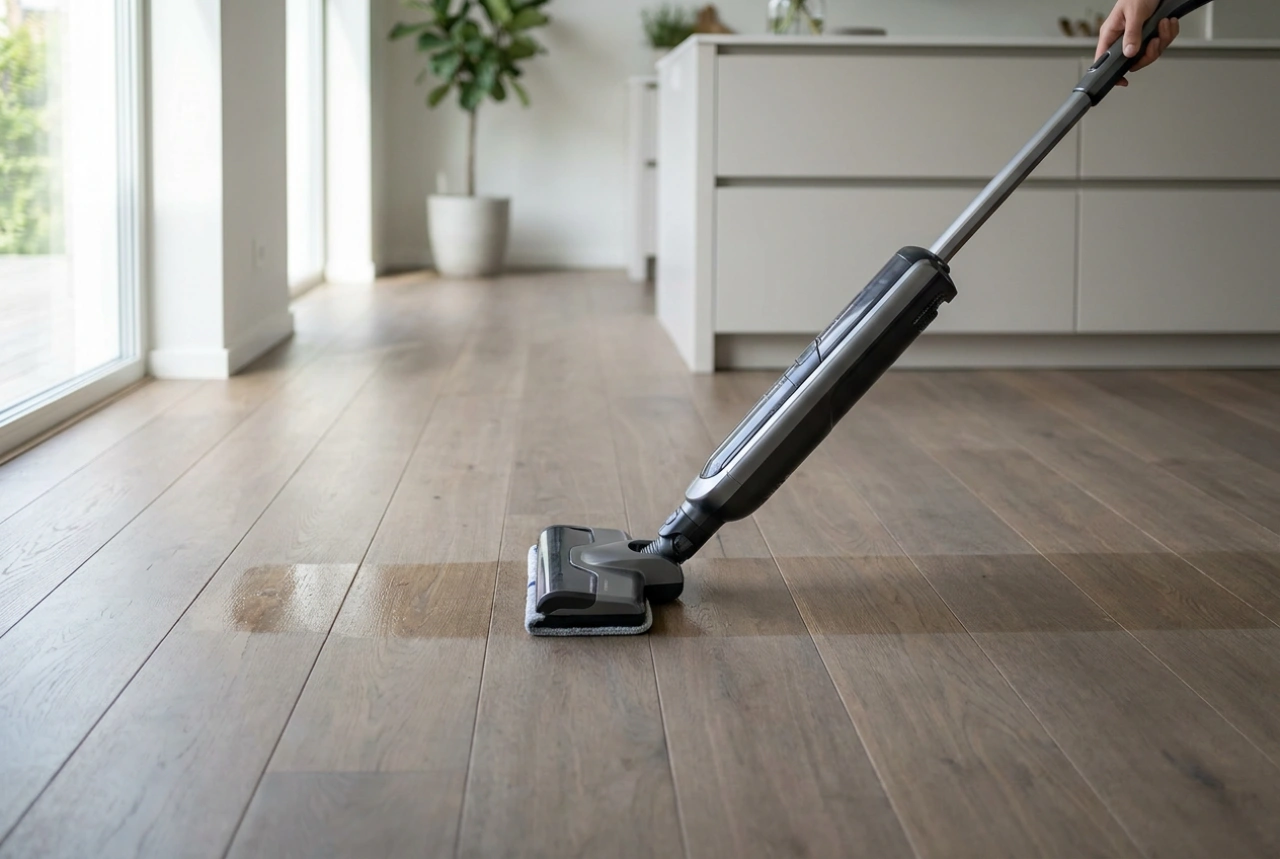
The interface between the vacuum head and the floor surface dictates the physical effort required to push and pull the machine. Motorised brush rollers do more than agitate carpet fibres; they also create mechanical propulsion. As the roller spins forward against the floor, it generates a pulling force that assists the forward motion of the vacuum, significantly reducing the muscular effort required from the user.
Furthermore, air seal physics plays a major role in ease of movement. High-suction vacuums can create a tight seal against dense carpets or smooth vinyl, generating a partial vacuum that increases sliding friction. This makes the machine feel heavy and difficult to slide. To prevent this, look for vacuum heads equipped with adjustable suction vents or bypass valves. Opening these vents allows air to bypass the seal, lowering the physical resistance without compromising debris pick-up.
Simplifying Container and Filter Maintenance
A vacuum cleaner is only helpful if it can be easily maintained without causing physical strain. Straining to twist open tight canisters or managing complex, stiff latches can cause acute pain in hands with limited grip strength. Gravity-fed, one-button release trapdoors are the most ergonomic solution, allowing the dustbin to empty directly into a bin with a single press of a lever.
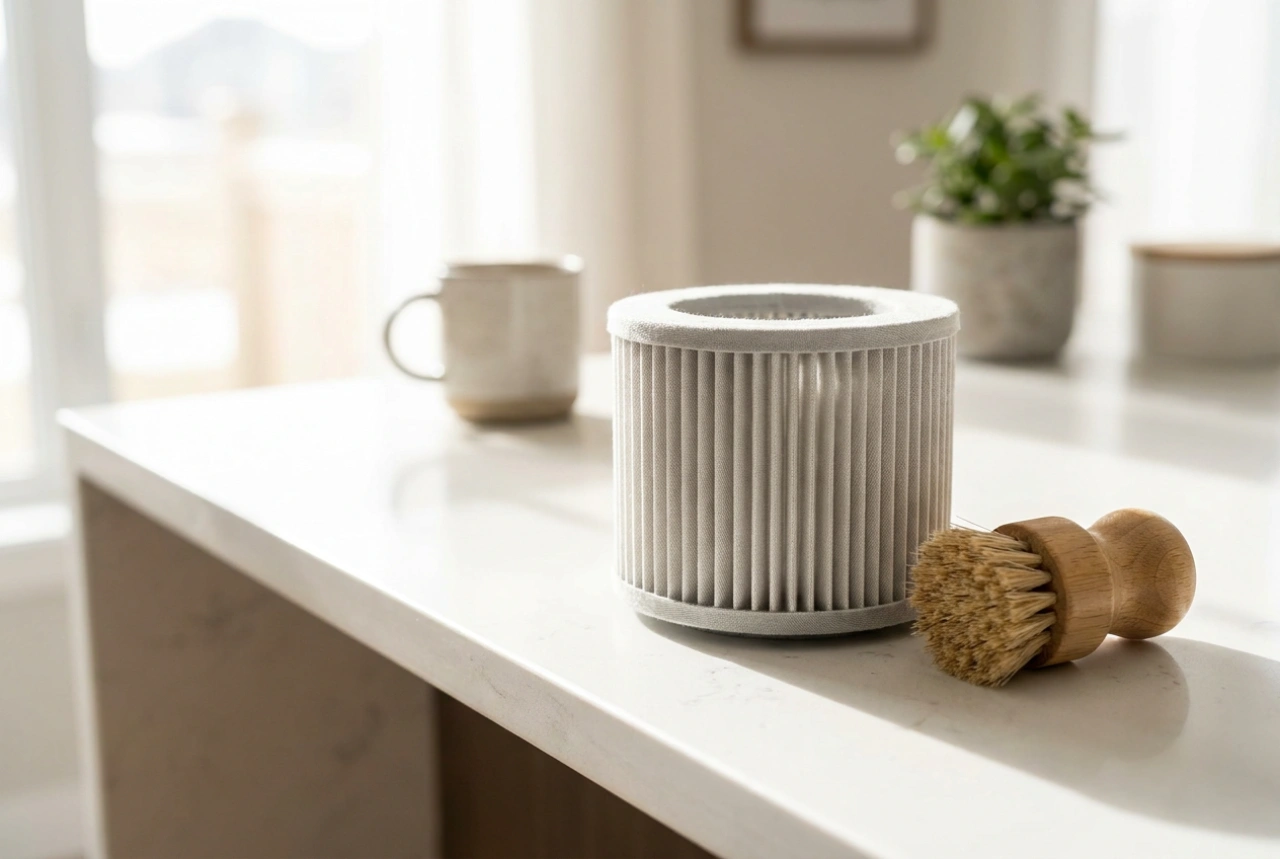
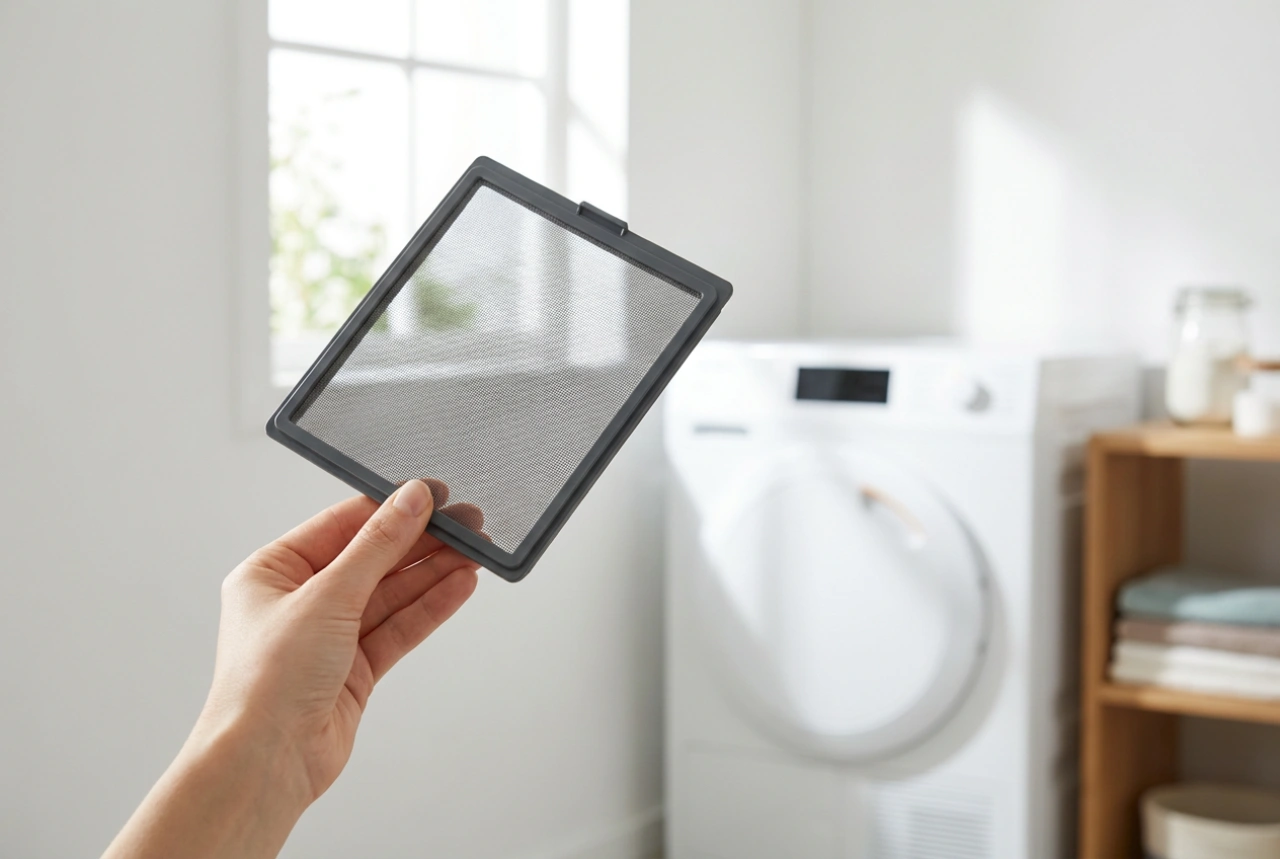
Airflow efficiency is directly linked to ease of use. A clogged filter restricts airflow, forcing the user to make multiple passes over the same area to clear debris. Ensuring the unit uses easily accessible, washable foam or pleated paper filters means suction remains high and cleaning time is minimised. Regularly rinsing these filters under lukewarm water and allowing them to dry fully ensures the appliance operates at peak efficiency.
Ergonomic Posture and Movement Techniques
Even the lightest vacuum can cause back strain if used with poor posture. Pushing the vacuum far away from the body extends the lever arm of the upper torso, forcing the lower back muscles to work harder to maintain balance. To prevent this, keep the vacuum handle close to the hip and walk with the machine, utilising the larger, stronger muscles of the legs rather than the arms and back. Using a two-handed grip on stick vacuums can also distribute the physical load evenly across both shoulders, preventing asymmetrical muscle strain.