

Combining the thermal power of steam with the mechanical suction of a spray-extraction vacuum is highly effective for deep-cleaning upholstery and carpets, yet improper thermal management can permanently warp, shrink, or discolour delicate textile fibres. Understanding how heat, moisture, and mechanical pressure interact with different materials is key to achieving professional-grade results without compromising structural integrity.
The Thermal Mechanics of Steam on Fibres
To safely clean fabrics with steam-assisted extraction, you must understand the material science behind fibre behaviour. Natural fibres, such as wool, cotton, and silk, are held together by hydrogen bonds that are easily disrupted by heat and moisture. When exposed to temperatures above 60°C, natural proteins and cellulosic structures swell, making them prone to structural shrinking or permanent distortion. Synthetic fibres like polyester, nylon, and acrylic are polymers. Every polymer has a specific glass transition temperature (Tg) at which it transitions from a rigid, glassy state to a highly pliable, rubbery state. Exceeding this threshold with direct steam can cause synthetic fibres to melt, fuse together, or lose their texture permanently, resulting in a stiff, glazed surface patch.
The Critical Pre-Treatment Testing Protocol
Never apply steam extraction to an untested fabric surface. First, identify the fibre composition by checking the manufacturer care label or performing a simple water-droplet absorbency test. Natural fibres absorb water rapidly, whereas synthetic fibres tend to bead water initially. Once identified, select an inconspicuous area—such as the reverse side of a cushion or a low spot behind the furniture frame—for a safety spot test. Pass the steam nozzle over this small section for three seconds, followed immediately by extraction. Wait for the area to cool completely, then inspect the spot under direct light for changes in texture, colour transfer (bleeding), or fibre shrinkage. If the pile feels rough or the colour has migrated, lower the steam temperature or switch to a cold-water extraction method instead.
Nozzle Movement and Moisture Control Techniques
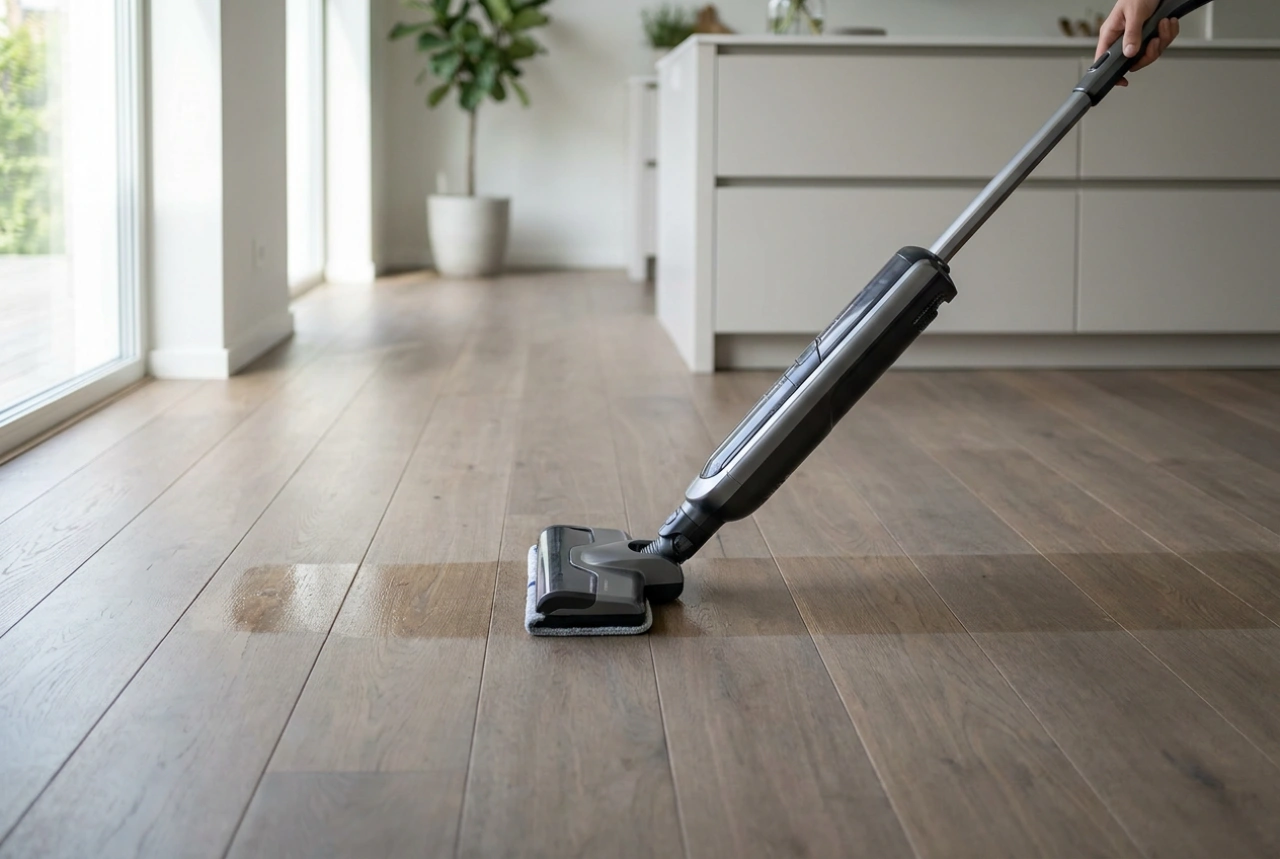
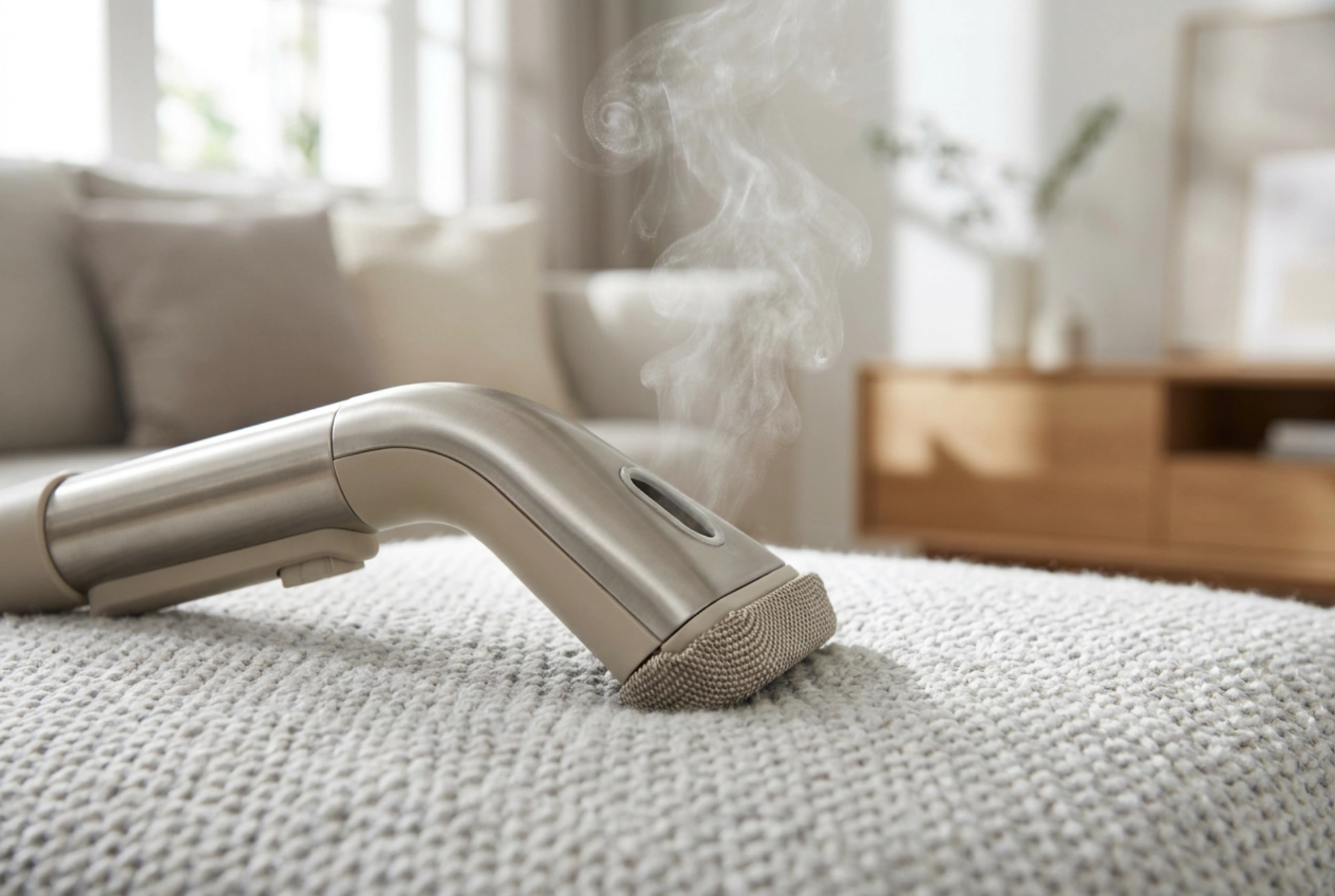
When operating a steam extraction machine, your technique dictates the safety of the fabric. Always keep the cleaning nozzle in constant, fluid motion. Pausing in one spot concentrates thermal energy and moisture, leading to local delamination of carpet backings or fibre damage. Work in structured, overlapping vertical stripes, pulling the nozzle towards you at a consistent speed of approximately ten centimetres per second. Immediately follow each wet stroke with several dry vacuum passes. These dry passes extract residual moisture and rapidly lower the fabric temperature, arresting any ongoing thermal reactions before they damage the fibres. Maintain a ninety-degree angle between the nozzle head and the fabric to ensure maximum seal and suction efficiency, which accelerates the cooling and drying phase.
Chemical Reactions and Temperature Synergy
The addition of heat significantly accelerates chemical reactions. When using a spray-extraction cleaning solution alongside steam, choose generic low-foaming surfactants designed specifically for high-temperature extraction. Standard detergents often contain optical brighteners or synthetic foaming agents that decompose under high heat, leaving a sticky, alkaline residue that accelerates resoiling. High temperatures also increase the activity of pH levels. An alkaline pre-spray that is safe at room temperature can become aggressive when heated, causing dye stripping or fibre degradation in natural materials. Keep the pH of your cleaning solution neutral (between 6.5 and 7.5) for wool and delicate synthetics to prevent chemical burning.
Drying and Pile Alignment
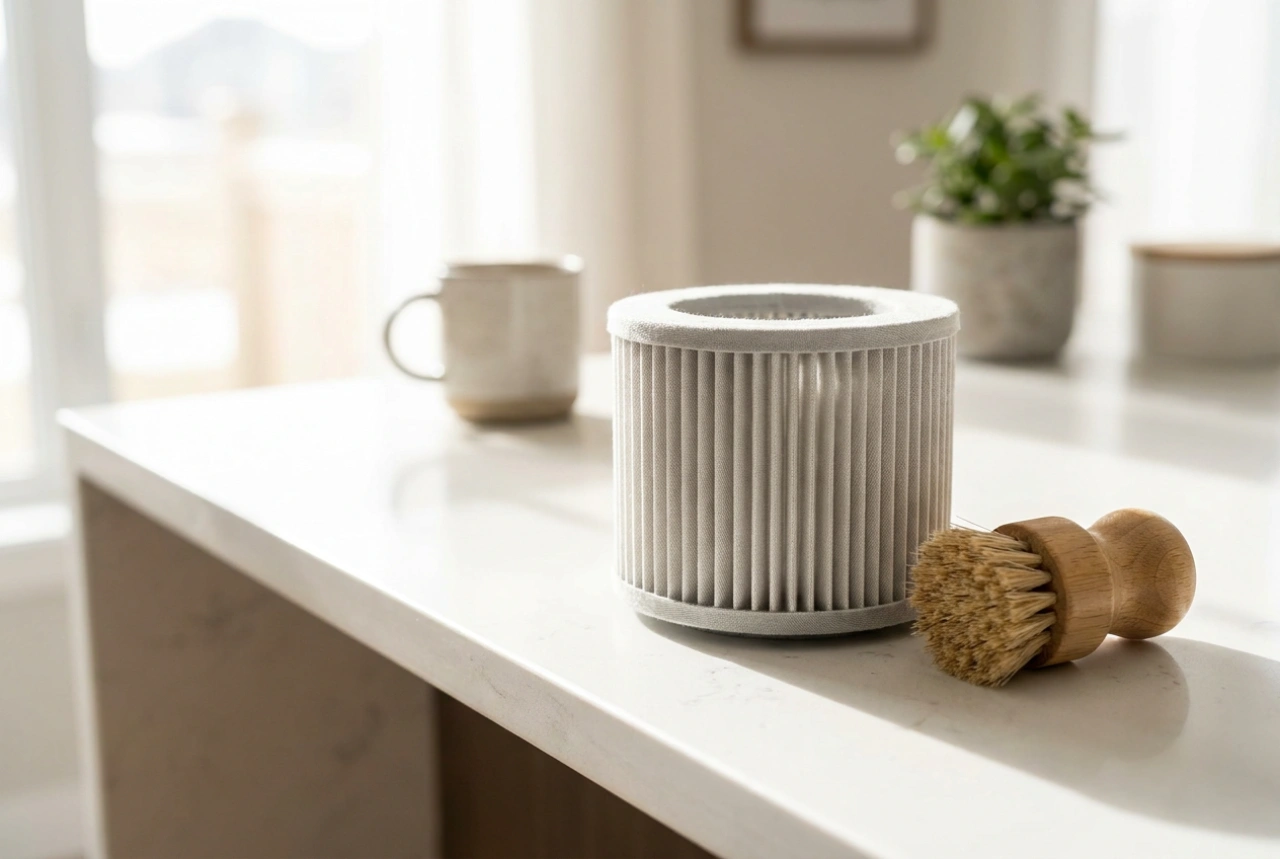
Once extraction is complete, the fibres remain temporarily malleable. Use a clean, soft-bristled textile brush to gently comb the pile in its natural direction while the fabric is still slightly warm and damp. This prevents the fibres from drying in a collapsed or matted position. To prevent cellulosic browning—a chemical reaction where natural sugars in cotton or jute migrate to the surface as water evaporates, leaving brown stains—accelerate the drying process. Use air movers or open windows to ensure the cleaned surface dries completely within six to twelve hours, preventing mould spore germination and musty odours.