

Using wool dryer balls with delicate fabrics requires a precise understanding of material physics to prevent friction damage while optimizing drying efficiency. By mastering the mechanical and thermal dynamics of your tumble dryer, you can safely dry sensitive fibers without relying on chemical softeners.
The Science Behind Wool Dryer Balls
Wool dryer balls work through a combination of physical separation, kinetic energy distribution, and moisture absorption. When placed in the dryer drum, the spheres physically bounce between layers of wet fabric. This action prevents the laundry from bundling or wrapping around itself, creating open pockets where warm air can circulate freely.
From a material science perspective, natural wool fibers possess a unique, complex structure. Wool is highly hygroscopic; its core can absorb up to thirty percent of its weight in water vapor without feeling wet, while its outer layer remains hydrophobic. In a drying cycle, this allows the wool balls to actively draw moisture away from the surrounding fabrics in the early stages, then steadily release it as the humidity within the drum drops. This self-regulating moisture exchange prevents over-drying, which is the primary cause of static electricity and fiber degradation.
Why Delicates Require Gentle Mechanical Treatment
Delicate textiles like silk, fine linen, and lightweight synthetic blends have delicate fiber structures that are highly sensitive to friction and heat. Standard plastic dryer balls are dense and rigid, transferring intense kinetic energy to fabrics upon impact. This harsh mechanical action can cause micro-tearing, pilling, and fiber thinning.
Wool balls, conversely, are soft and resilient. They act as kinetic dampeners. When they collide with delicate textiles, they deform slightly, absorbing the impact energy rather than transferring it to the fabric. This cushioning effect preserves the integrity of fine weaves. Furthermore, wool balls generate significantly less friction than synthetic alternatives, preventing the abrasion that dulls the surface of silk or weakens elastane fibers.
How to Optimize the Process for Sensitive Garments
To safely dry delicate fabrics with wool dryer balls, follow a precise sequence of operations to balance thermal and mechanical forces:
- Sort by Weight and Density: Never mix heavy denim or towels with silk or fine synthetics. Heavy garments will crush the delicate fibers, rendering the cushioning effect of the wool balls useless.
- Adjust the Load Size: Fill the dryer drum no more than one-third full. Delicates need ample space to loft and tumble. If the drum is packed too tightly, the wool balls cannot move freely to separate the fabrics.
- Set to Low or No Heat: Use the lowest temperature setting or a specialized delicate cycle. High temperatures break down the protein structures of silk and wool, and melt the polymer chains in synthetics. Wool balls work efficiently even at low temperatures by maintaining optimal airflow.
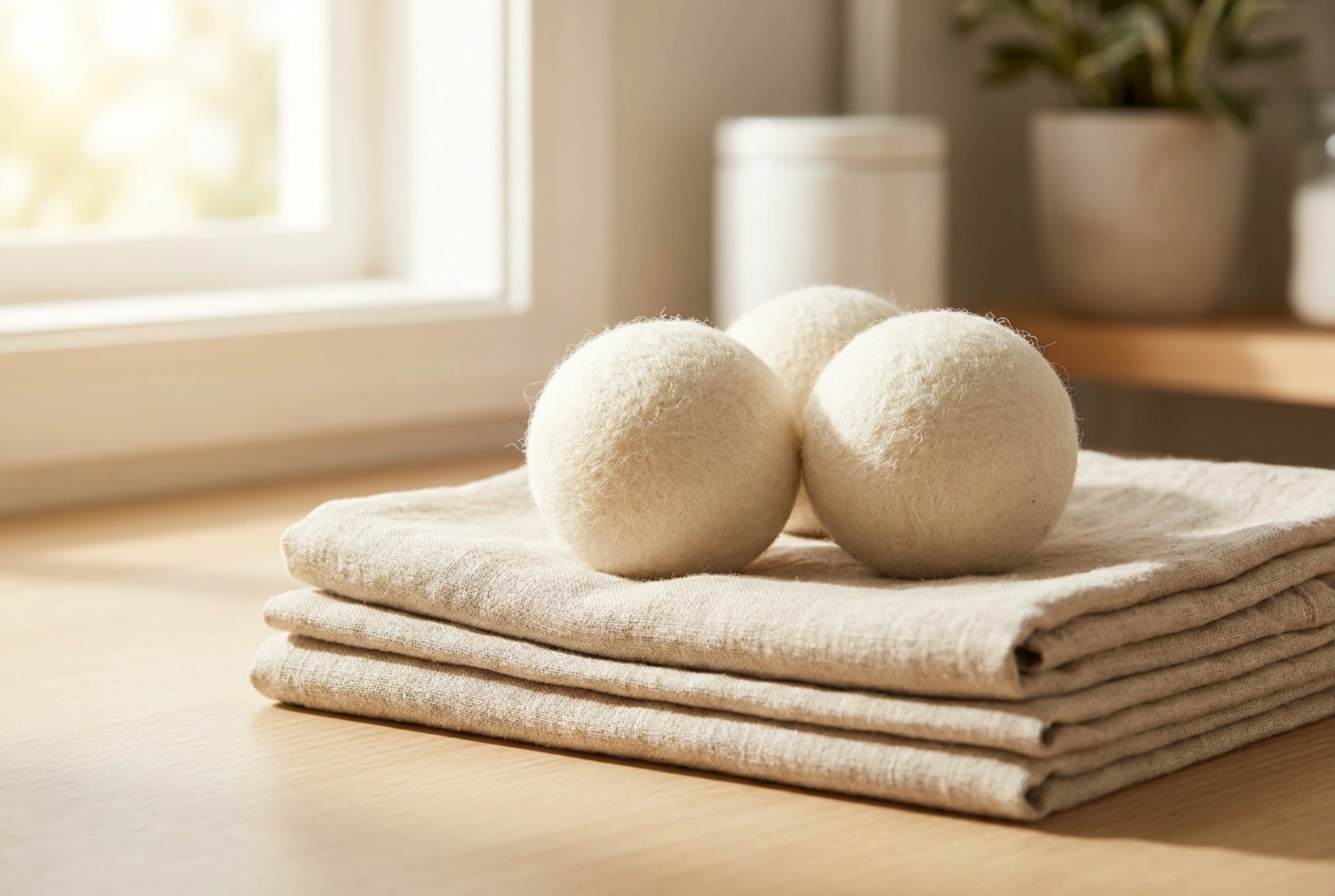
- Use the Correct Number of Balls: For a small load of delicates, three medium-sized wool balls are sufficient. This provides enough mechanical separation without overcrowding the small volume of fabric.
Managing Static Electricity Naturally
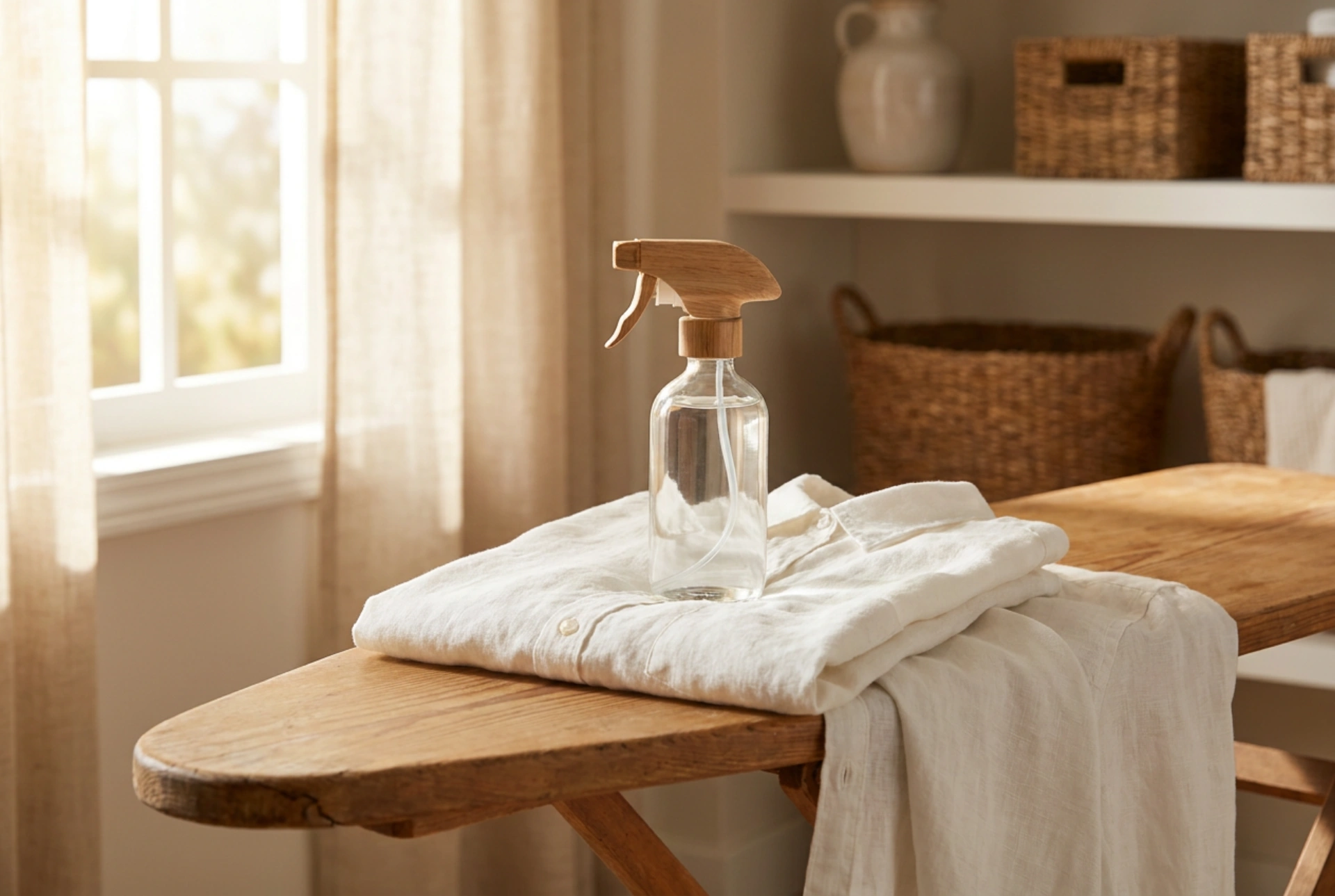
Static electricity occurs when dry synthetic fibers rub against each other, causing an imbalance of electrons. Because wool naturally retains a small amount of moisture, it acts as a conductor to safely dissipate these static charges. If you struggle with persistent static in very dry conditions, lightly spray the wool balls with pure water before starting the cycle. This micro-dose of moisture raises the relative humidity inside the drum just enough to neutralize electrical charges without prolonging the drying time.