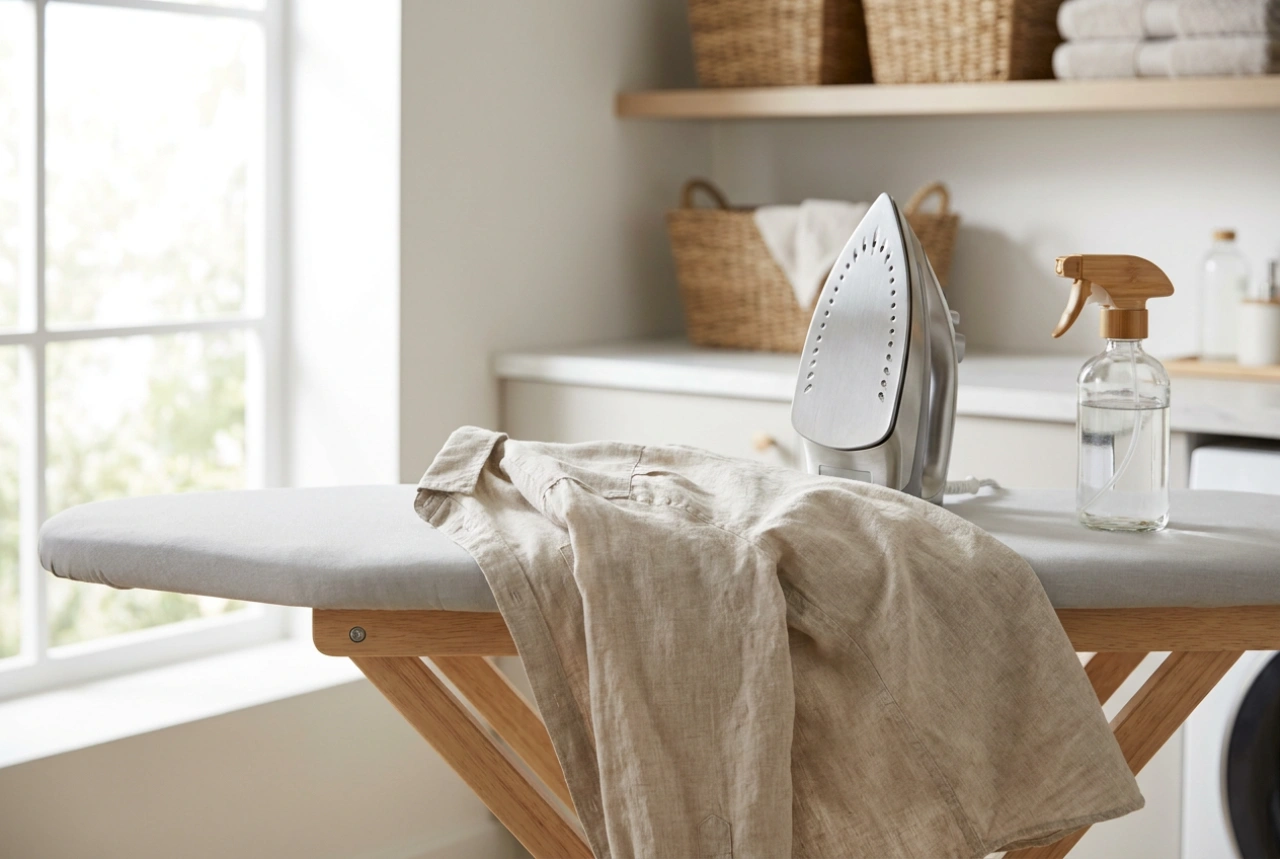


Using tumble dryer fragrances often comes with a hidden cost: waxy residues that clog fabric fibers and destroy the natural absorbency of your textiles. By understanding the physical and chemical interactions between heat, moisture, and fragrance carriers, you can achieve a long-lasting, fresh scent without compromising the integrity of your clothes.
The Chemistry of Fabric Softeners and Fragrance Sheets
Traditional commercial dryer sheets work by coating fabrics with a thin layer of chemical agents, typically cationic surfactants derived from fatty acids. When exposed to the high heat of a tumble dryer, these fats melt off the sheet and transfer onto the spinning laundry. While this process temporarily reduces static electricity by neutralizing negative charges on the fibers, it leaves a hydrophobic barrier behind. For materials like cotton towels or microfiber athletic wear, this fatty layer is highly detrimental; it prevents water absorption and traps moisture, which eventually leads to sour, musty odors over time.
Why Wool Dryer Balls Are a Superior Fragrance Carrier
To avoid the accumulation of lipid barriers, a mechanical and natural approach is required. Solid wool dryer balls offer an ideal alternative. Made from dense, natural wool, these balls physically separate wet garments within the drum. This separation allows hot air to circulate more efficiently, reducing drying time by up to 25 percent and naturally loosening fabric fibers without chemical assistance.
To introduce fragrance without heavy residues, you can apply pure essential oils directly to the wool. Unlike synthetic fragrance sheets that rely on heavy carrier oils and non-volatile binding agents, pure essential oils consist of volatile organic compounds (VOCs). These compounds evaporate and infuse into the fibers during the drying process without leaving a physical, waxy film on the surface of the textile.
The Critical Rule of Drying Temperature and Timing
Temperature control is vital when working with natural fragrances in a tumble dryer. Most essential oils have relatively low boiling points and can degrade or completely evaporate if exposed to extreme heat. If you run a high-heat cycle from the beginning with scented wool balls, the fragrance molecules will simply volatilize too early and escape through the dryer's exhaust vent, leaving your laundry unscented.
- The Cool-Down Phase Technique: For the best results, run your standard drying cycle using unscented wool balls first. Approximately 10 to 15 minutes before the cycle ends—typically during the cool-down phase—pause the dryer and swap or add the scented wool balls. The lower temperature at this stage ensures the volatile oils gently bind to the open fabric fibers rather than evaporating into the exhaust.
- Low-Heat Settings: If your fabrics permit, select a low-temperature or delicate drying cycle. Lower temperatures prevent the thermal degradation of delicate fragrance compounds, ensuring a more authentic and enduring scent profile.
Step-by-Step Guide to Safe Fragrance Application
To prevent localized oil stains on your fabrics, you must follow a precise sequence when applying essential oils to dryer balls:
First, select high-quality, clear essential oils such as lavender, eucalyptus, or citrus, avoiding heavily pigmented or thick resinous oils (like patchouli or vetiver) which can leave physical stains. Apply 3 to 5 drops of the chosen oil directly onto each wool ball.
Crucially, you must allow the balls to sit for at least 15 to 20 minutes before placing them into the dryer drum. This waiting period allows the oil to fully penetrate the inner core of the wool fibers. If you throw freshly saturated balls directly into a wet load of laundry, the concentrated oil can transfer via direct contact, leaving dark, oily spots on your light-colored garments.
Alternative Methods: Fabric Sachets and Infused Water
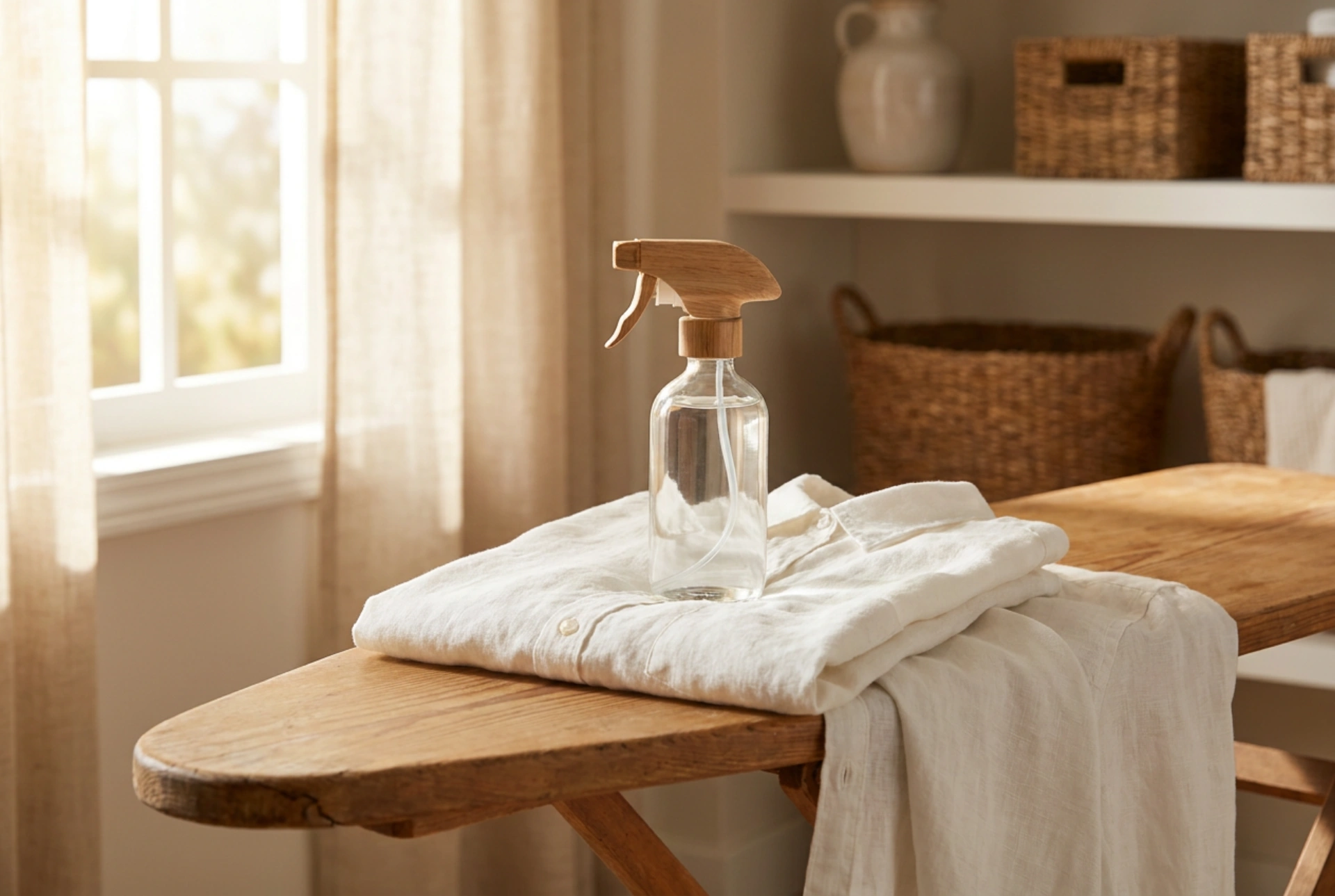
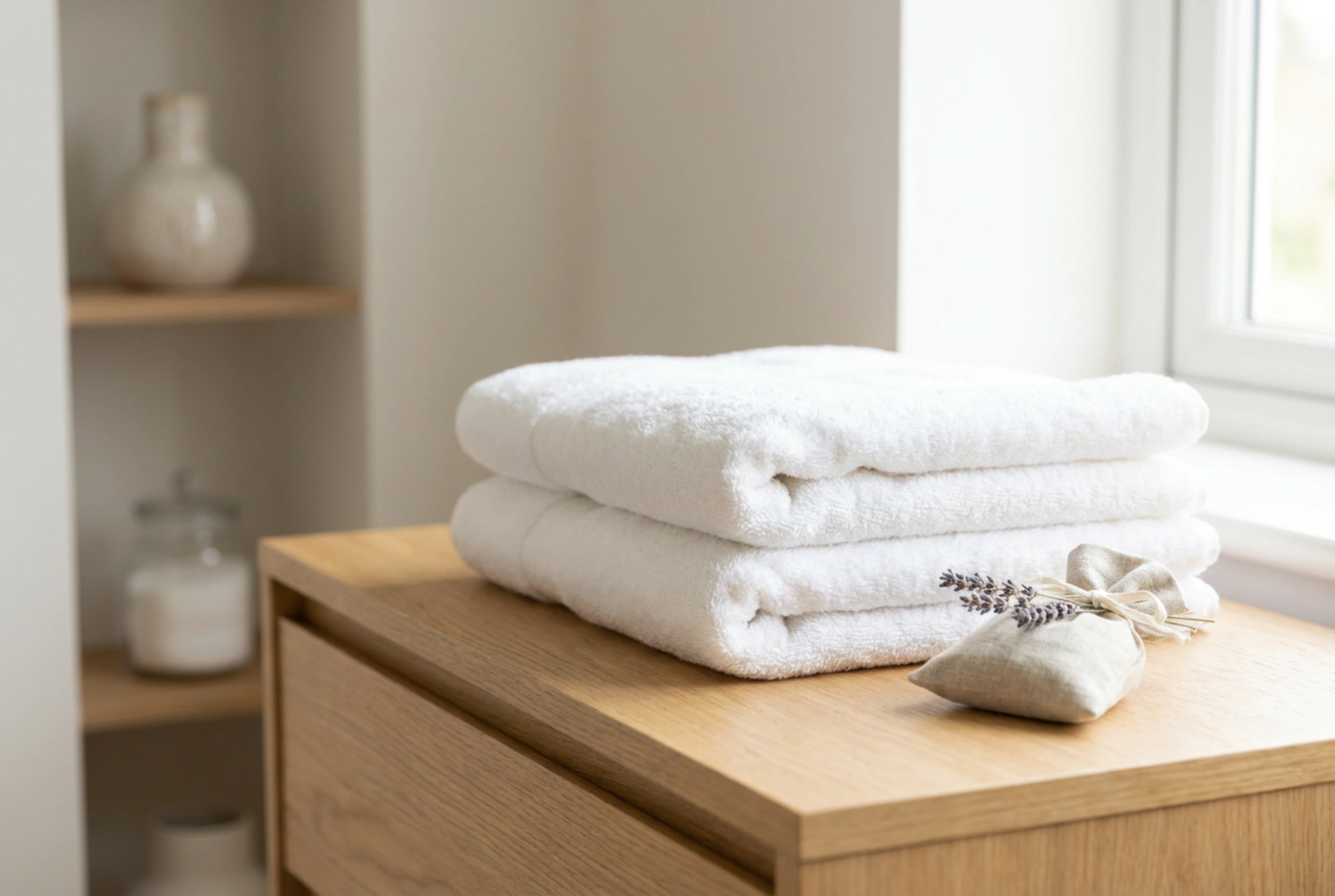
For those who prefer not to use wool balls, natural linen or cotton sachets filled with dried botanicals, such as lavender buds, offer a gentle mechanical alternative. These sachets can be tossed directly into the drum. The mechanical tumbling action breaks open the dry botanical cells, slowly releasing volatile oils without any liquid carriers. Additionally, you can lightly mist the damp laundry with a homemade mixture of distilled water and a few drops of essential oil before starting the cycle, ensuring an even, microscopic distribution of fragrance across the entire load.