

Vacuuming cold ash and soot requires specialized equipment and techniques to prevent microscopic particles from bypassing standard filters, damaging motor bearings, and polluting indoor air. By understanding particle dynamics and using physical barriers, you can safely restore your hearth without risking your health or your appliance.
The Science of Ash: Why Standard Vacuums Fail
To understand why a regular household vacuum cleaner is unsuitable for fireplace maintenance, one must look at the particle size and chemical composition of combustion byproducts. Wood ash consists of inorganic compounds like calcium carbonate, potash, and silica, alongside fine carbon soot. These particles typically range from 0.1 to 100 microns in diameter. For perspective, a human hair is roughly 70 microns wide.
Standard household vacuum filters, even those labeled as high-efficiency, are designed for larger domestic dust particles and carpet fibres. When microscopic ash enters a domestic vacuum, it easily passes through porous paper or fabric bags. These abrasive silica and carbon particles then enter the motor chamber. Because these particles are highly conductive and abrasive, they rapidly wear down the motor bearings, cause electrical short circuits, and are ultimately blasted back into your living space through the exhaust vent, degrading indoor air quality.
The Mechanics of Ash Separators and Thermal Safety
The safest and most efficient way to vacuum ash is by utilizing an ash separator—a heavy-duty metal canister connected between your vacuum cleaner and the hearth. This device operates on the principle of cyclonic and gravitational separation. As air and ash enter the metal drum, the sudden volume expansion drops the air velocity. Heavier particles lose momentum and fall to the bottom of the container. At the same time, centrifugal forces spin the air, pushing remaining particles against the metal walls, away from the intake stream. Only pre-filtered air reaches the main vacuum filter.
Before initiating any vacuuming, thermal safety must be absolute. Wood embers can smoulder undetected deep within an ash bed for up to 48 hours, insulated by the upper ash layer. Introducing even slightly warm ash into a plastic vacuum or paper bag can lead to smouldering fires due to the high oxygen flow generated by the vacuum motor. Always use a metal poker to stir the ash, checking for buried heat pockets, and ensure the fireplace has been completely inactive for at least two days.
A Methodical Guide to Ash Removal
To prevent ash from becoming airborne during the cleaning process, follow a precise order of operations and use controlled physical movements.
- Preparation: Lay a damp cotton drop cloth in front of the hearth to catch any accidental spills. Close nearby windows to prevent drafts from dispersing the fine dust.
- The Separator Connection: Securely attach the flexible metal hose of the ash separator to the hearth inlet, and connect your standard vacuum hose to the separator's air outlet. Ensure all seals and gaskets are airtight to prevent pressure drops.
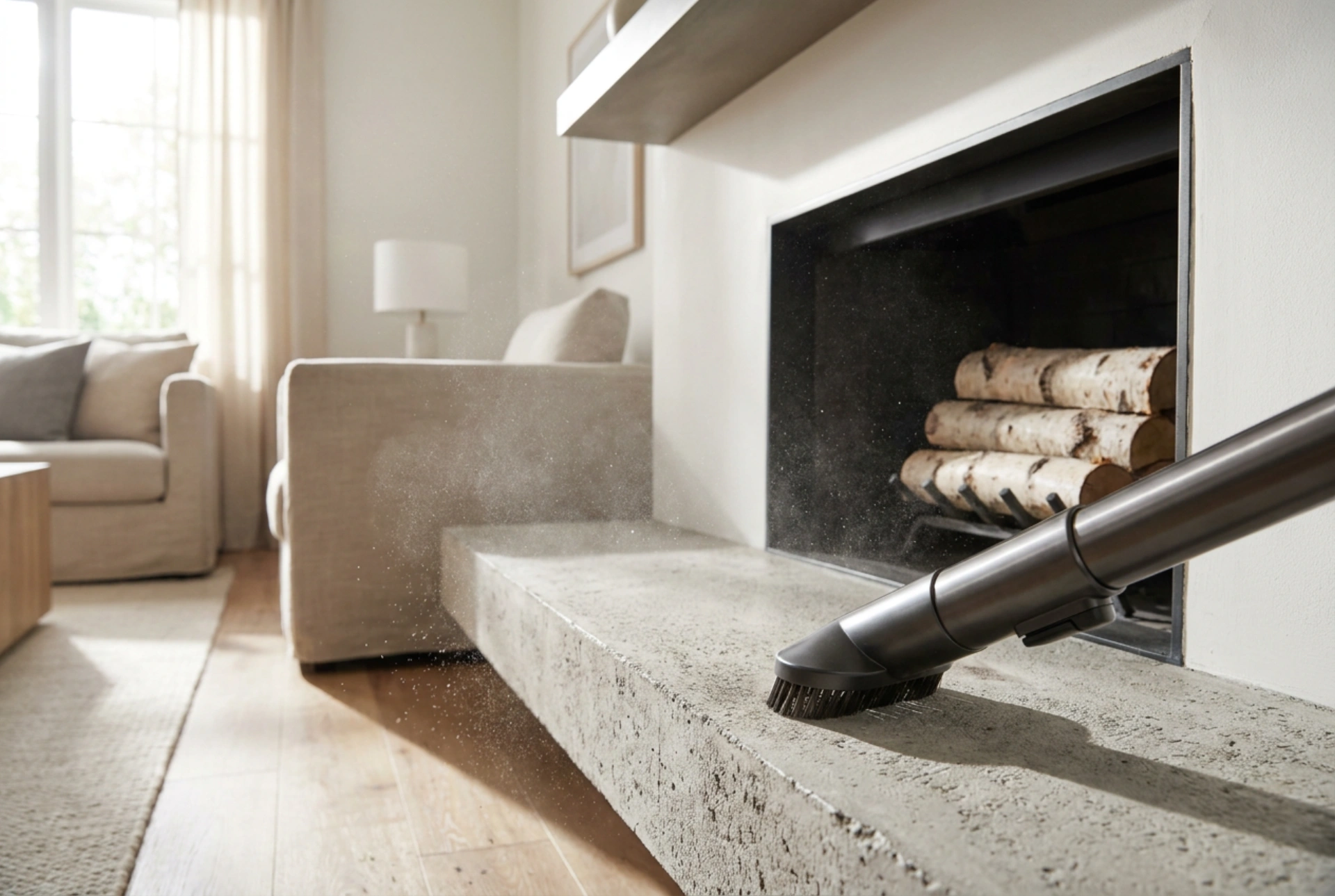
- Nozzle Technique: Hold the metal nozzle at a shallow angle relative to the hearth floor. Do not plunge the nozzle directly into deep piles of ash, as this will clog the airflow and create high static pressure. Instead, gently skim the top layers, working systematically from the front of the hearth to the back.
- Soot Mitigation: Soot is highly electrostatic and oily due to unburnt hydrocarbons. When cleaning soot from brickwork, avoid scrubbing with dry brushes, which smears the carbon into the porous masonry. Vacuum the surface lightly without touching the brick with the nozzle, allowing the suction velocity to pull the loose soot from the pores.
Post-Cleaning Maintenance and Air Filtration
Once the fireplace is clean, the maintenance of the cleaning equipment itself determines the longevity of your tools and the safety of your home environment. Always empty the metal separator canister outdoors. Slowly decant the cold ash into a metal bin, keeping the canister close to the bottom of the bin to minimize dust clouds. Avoid disposing of ash in plastic bags or plastic rubbish bins.
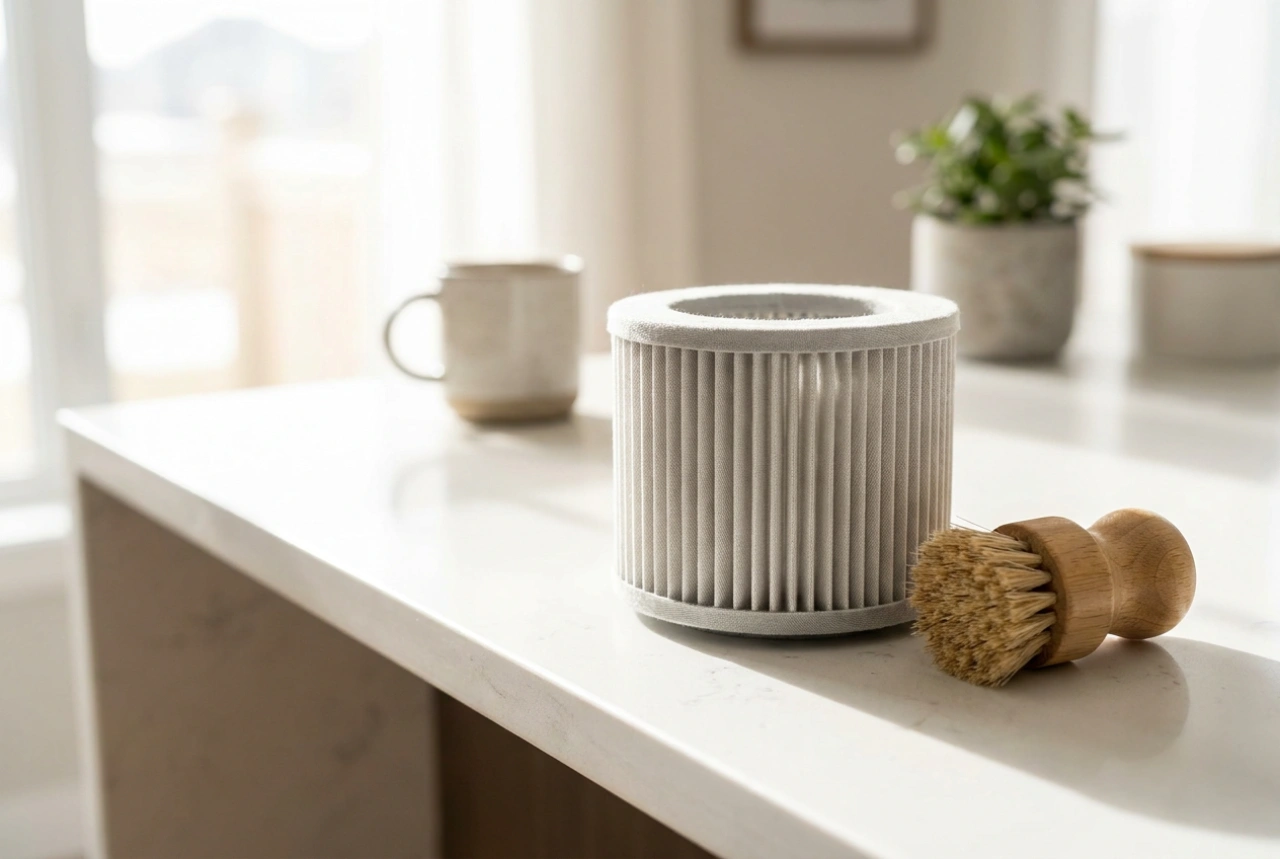
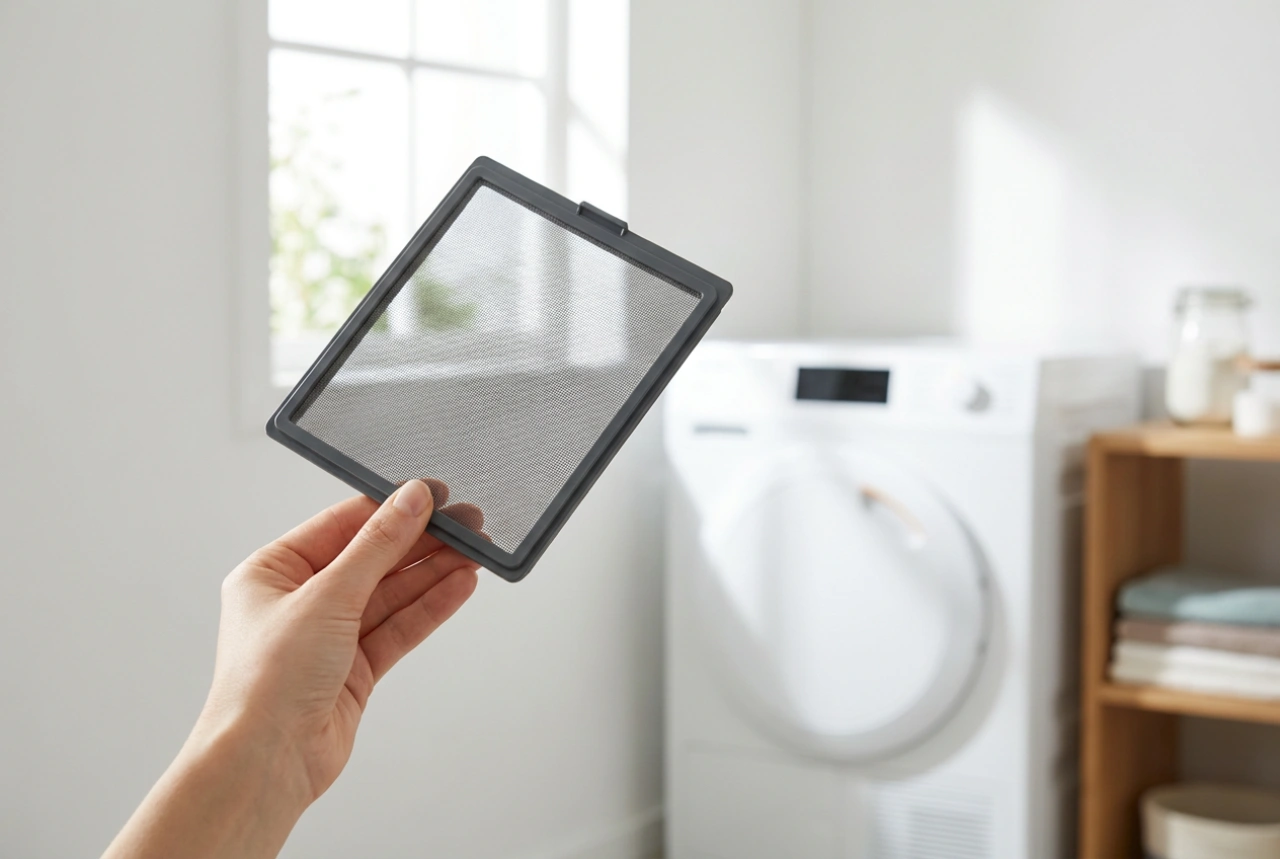
Finally, clean the separator's internal filter by gently tapping it inside a waste receptacle outdoors. If the filter is washable, rinse it thoroughly with cold water to remove embedded carbon particles, and allow it to dry completely for 24 hours. Running a damp filter through a vacuum creates a solid paste when exposed to new ash, permanently blocking the airflow and straining the motor.