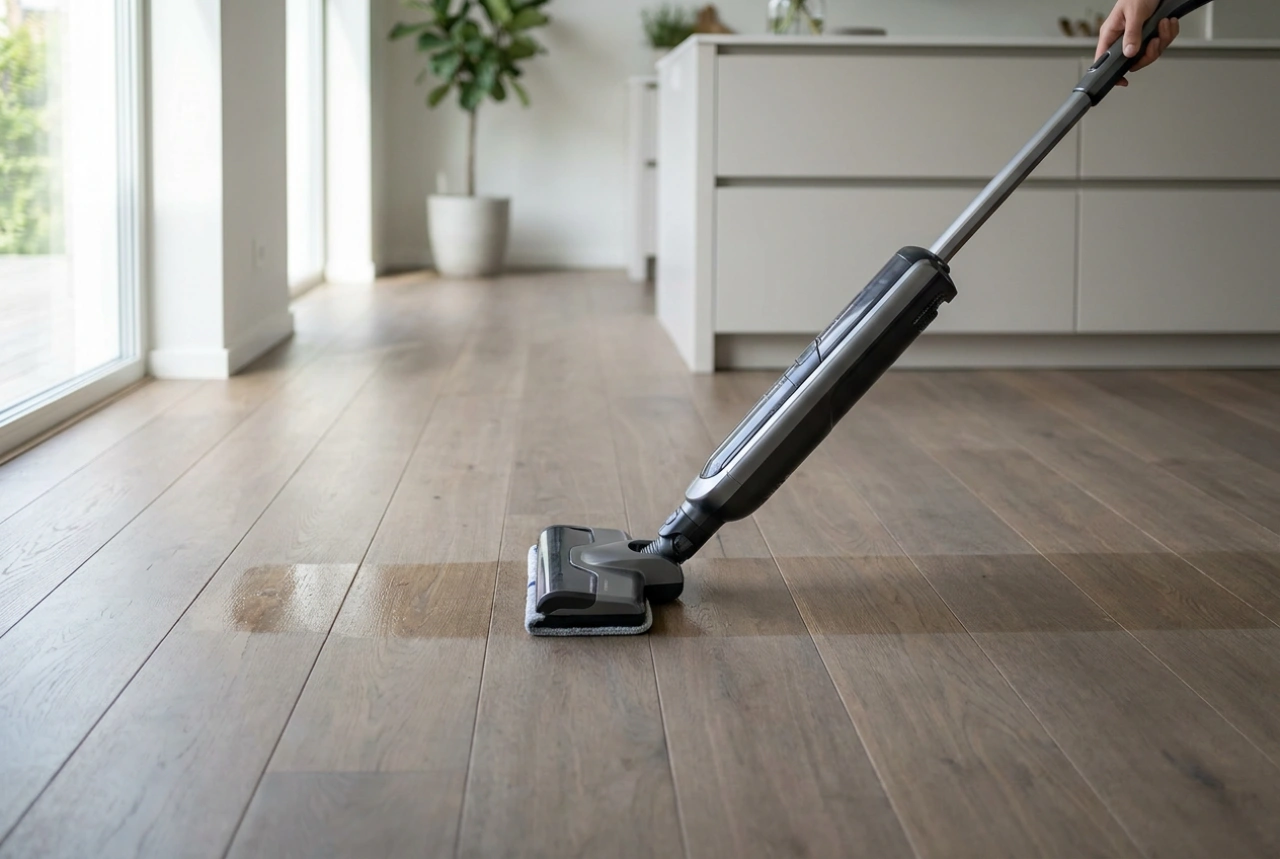


Evaluating a cordless stick vacuum requires looking beyond the raw wattage listed on the box to understand the physics of airflow, static pressure, and mechanical seal on different floor textures.
The Core Metrics: Air Watts, Kilopascals, and Airflow
To understand how a cordless vacuum removes debris, we must distinguish between the two primary measurements of suction: static pressure, measured in kilopascals (kPa), and working power, measured in Air Watts (AW). These two variables dictate how air behaves as it passes through the machine.
Static pressure (kPa) represents the maximum vacuum force the motor can generate when the airflow is completely blocked. It indicates the machine’s ability to lift heavy, dense particles, such as sand or small pebbles, out of deep crevices or high-pile carpet backing. A high kPa rating means the motor can overcome significant resistance.
Conversely, Air Watts (AW) measures the overall efficiency of the vacuum cleaner by calculating the rate of airflow combined with the static pressure at the nozzle. While standard electric wattage only indicates how much electrical energy the motor consumes from the battery, Air Watts indicate the actual kinetic energy transferred to the air stream. A well-designed vacuum converts electrical power into usable airflow with minimal thermal waste.
The Role of Air Volume (CFM)
Airflow, often measured in cubic feet per minute (CFM) or litres per second, determines how much air the vacuum moves over a given area. High airflow is critical for sweeping up fine dust and lightweight debris over a wide path. Without sufficient airflow, even a high-pressure motor will only clean the tiny area directly beneath the narrowest point of the suction nozzle.
The Aerodynamics of Nozzle Sealing
Suction power does not exist in a vacuum; it relies heavily on the physical interface between the vacuum head and the floor surface. This is governed by the Venturi effect, which states that fluid velocity increases as the cross-sectional area of the flow channel decreases.
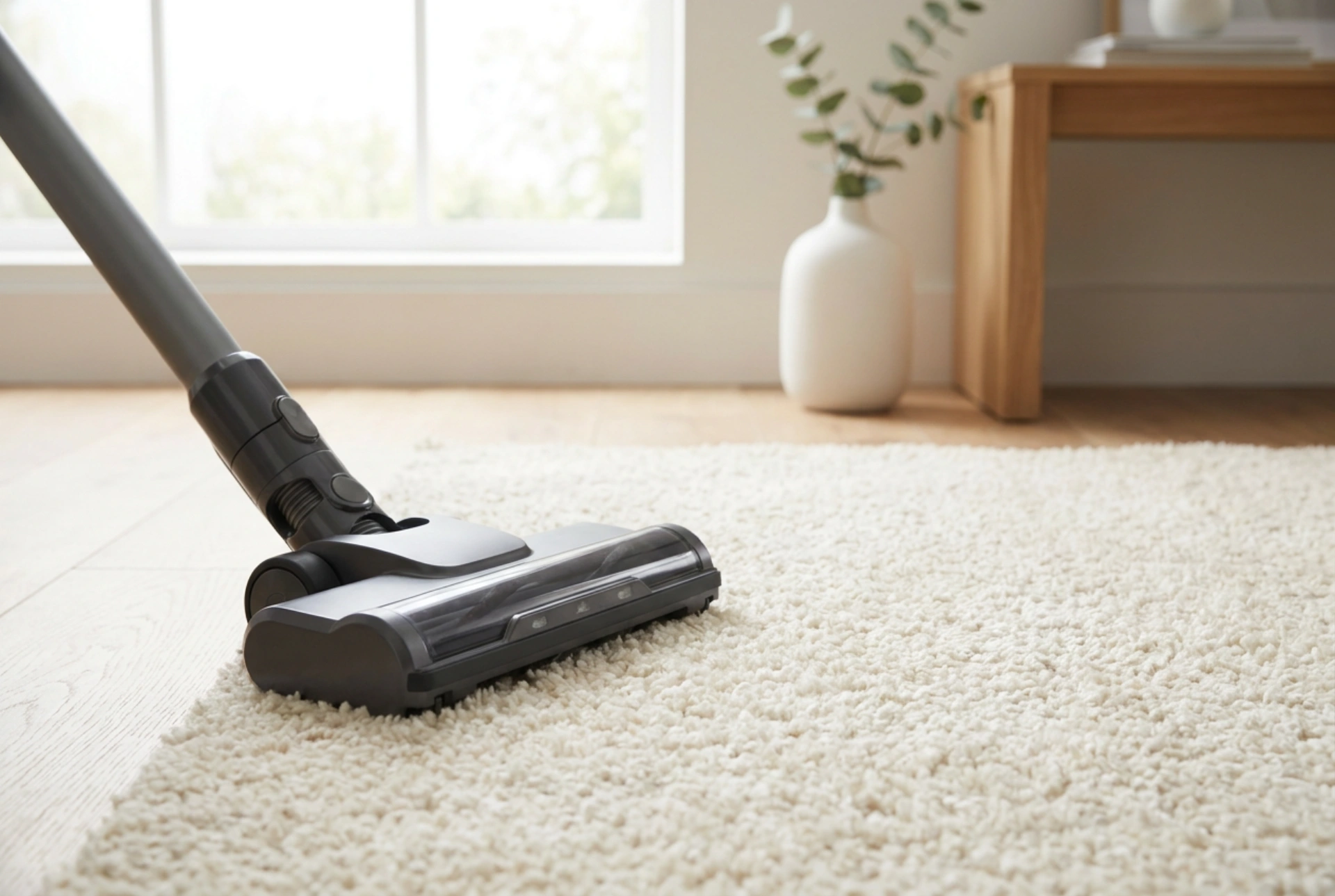
When cleaning hard floors, a tighter seal is necessary to accelerate the air underneath the nozzle, lifting stubborn dust from floorboard gaps. However, on carpets, a complete seal can be counterproductive. If the nozzle seals completely against the carpet backing, the airflow drops to zero, stalling the debris-carrying medium. To combat this, modern floor heads utilise small air channels or adjustable gates to maintain a continuous, high-velocity stream of air through the carpet fibres even under high static pressure.
Filter Resistance and Cyclonic Separation Dynamics
As dirty air enters the vacuum, it undergoes cyclonic separation. The air is forced into a high-speed vortex, where centrifugal force flings heavy dirt particles outward against the walls of the dust bin. This mechanical separation is crucial because it keeps the bulk of the debris away from the exhaust filters.
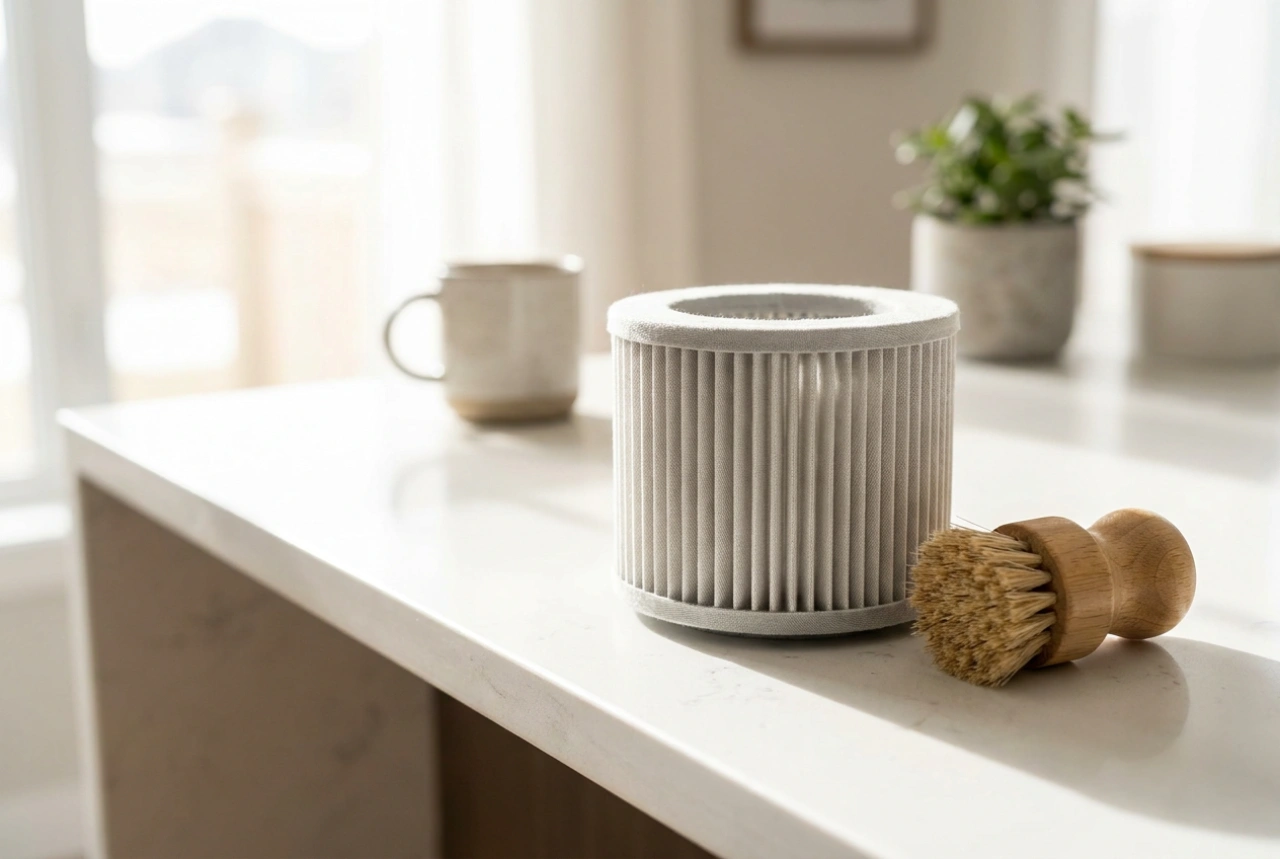
The remaining microscopic particles are captured by the pre-motor and post-motor HEPA filters. Over time, these filters accumulate fine dust, which increases resistance within the system. This resistance restricts the airflow, forcing the motor to work harder against higher static pressure, which rapidly depletes the lithium-ion battery. Maintaining clean filters is therefore essential for preserving the dynamic balance between airflow and suction pressure.
Practical Techniques for Maximising Efficiency
To get the most out of a cordless vacuum’s suction capabilities, specific operating techniques must be applied:
- Controlled Speed: Moving the vacuum head slowly allows the static pressure to act on heavy particles deep within carpet piles. Rapid strokes do not provide enough time for the high-velocity air to penetrate and lift embedded dirt.
- Sealing Alignment: Ensure the floor head remains parallel to the cleaning surface. Lifting the edge of the nozzle breaks the aerodynamic seal, causing an immediate drop in air velocity and leaving debris behind.
- Regular Filter Cleansing: Wash fabric and HEPA filters at least once a month using cold water only. Allow them to dry completely for 24 hours to prevent moisture from entering the motor casing and destroying the electronic components.
- Dust Bin Management: Empty the collection bin before it reaches the maximum fill line. Overfilling disrupts the cyclonic airflow pattern, forcing more dust into the filters and lowering suction efficiency.