

Using a standard household vacuum cleaner to clear ashes from a fireplace or wood burner is a tempting shortcut, but it represents a severe safety hazard and a guaranteed way to destroy your appliance. While ash may appear cold and inert on the surface, its physical structure and thermal properties make it highly dangerous for conventional cleaning equipment.
The Insulating Properties of Ash and Hidden Heat
To understand why ash is so dangerous, we must look at its thermodynamic properties. Wood ash is an exceptional thermal insulator. Due to its porous, low-density structure, it traps air pockets that prevent heat from dissipating quickly. Consequently, while the top layer of an ash bed may feel cool to the touch, active embers can remain insulated and glowing deep within the pile for up to several days.
When you introduce these hidden, superheated embers into a standard vacuum cleaner, you create a perfect storm. The high-velocity airflow generated by the vacuum\'s motor forces a massive volume of oxygen directly over the ember. This process acts like a bellows, rapidly accelerating combustion. What was a dormant spark can instantly ignite into a high-temperature flame inside the vacuum canister.
Material Vulnerability of Standard Household Vacuums
Household vacuum cleaners are constructed primarily of thermoplastic polymers (such as ABS or polypropylene), synthetic rubber seals, and paper or fabric filtration bags. None of these materials are designed to withstand elevated temperatures.
- Melting of Plastic Housings: Even if the ash does not ignite a flame, temperatures as low as 80°C can soften and warp plastic collection bins, hose connectors, and internal housing components, rendering the vacuum unusable.
- Filter Ignition: Standard paper or fabric filters ignite extremely easily. Once an ember reaches the filter membrane, it burns through instantly, destroying the filtration system and allowing toxic smoke and burning particles to bypass the motor.
- Motor Destruction: When hot particles bypass damaged filters, they enter the motor chamber. The fine, abrasive ash strips away the lubricants on the motor bearings and can cause electrical short circuits, leading to immediate mechanical failure.
The Problem of Microscopic Particle Filtration
Even if you are absolutely certain the ash is cold, using a standard vacuum is still a mistake due to particle dynamics. Fireplace ash is composed of extremely fine particulate matter, often measuring less than 2.5 microns in diameter. Standard household vacuum filters are not sealed or graded to capture particles of this size under high pressure.
The high-pressure airflow of a household vacuum pushes these microscopic particles directly through the pores of the filter or around the rubber seals. Instead of being trapped, the fine ash is aerosolized and blown out of the vacuum’s exhaust directly into your breathing zone. This creates a fine layer of dust across your living space and poses a serious respiratory risk. Furthermore, the ultra-fine dust that does get trapped quickly clogs the filter pores, choking the airflow, causing the motor to overheat and potentially burn out from lack of cooling air.
Safe Alternatives and Correct Handling Procedures
To safely manage ash removal without risking property damage or air contamination, a specific protocol must be followed:
- The Cooling Phase: Allow the ashes to cool in the fireplace for at least 24 to 48 hours after the fire has completely died down. Do not attempt any cleanup while the hearth is hot.
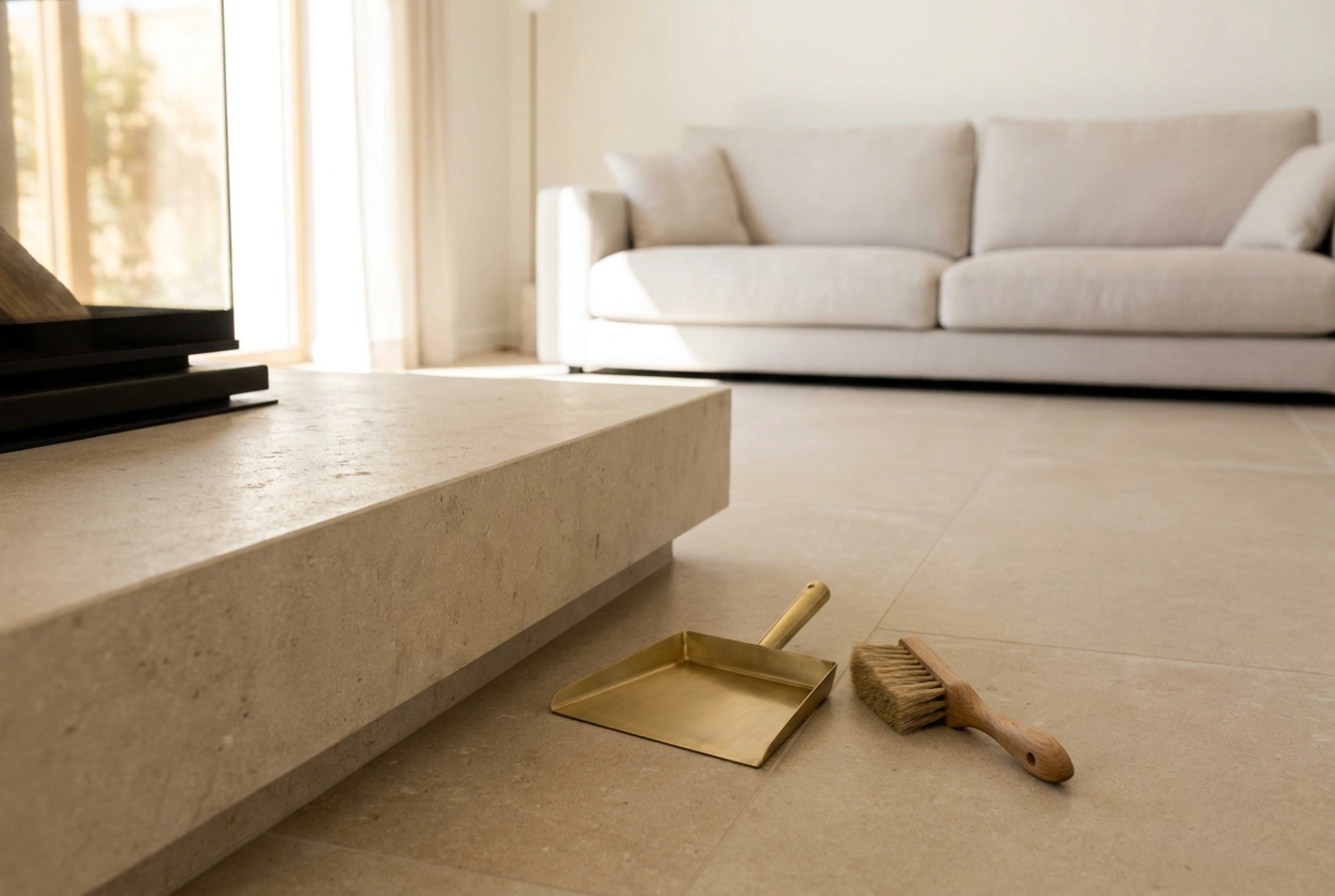
- The Metal Container Method: Use a dedicated, non-combustible metal ash shovel and scoop the ashes into a double-bottomed metal bucket. This bucket must have a tight-fitting metal lid to starve any remaining embers of oxygen.
- Safe Storage: Place the sealed metal bucket outdoors on a non-combustible surface, such as concrete, brick, or stone. Never place it on a wooden deck, near vinyl siding, or close to dry vegetation. Keep it there for several days before disposal.
- Using a Dedicated Ash Vacuum: If mechanical vacuuming is necessary, you must use a specialized ash vacuum. These appliances are engineered with flame-retardant metal canisters, metal-reinforced suction hoses, and specialized heat-resistant glass-fibre filters designed specifically to contain fine ash particles safely.