

Selecting the ideal vacuum cleaner requires understanding the physical interplay between airflow, mechanical agitation, and surface tension across different flooring materials. Choosing the wrong configuration can result in permanently scratched laminate, embedded pet dander, or inefficient energy consumption.
The Physics of Suction: Airflow vs. Static Lift
To make an informed decision, it is essential to distinguish between two main physical forces: airflow and static lift. Airflow, measured in volume of air moved per minute, represents the quantity of air moving through the machine. This is crucial for carrying loose debris from hard, flat surfaces like laminate panels where air can flow freely under the nozzle. Static lift, or vacuum pressure, is the machine's ability to overcome resistance and pull air through dense materials. High static lift is the defining factor for deep carpet cleaning, as it is needed to pull dust from the base of thick piles, while high airflow is ideal for sweeping wide paths on hard floors. Understanding this distinction prevents the common mistake of buying a high-wattage motor that lacks the seal required to generate actual static lift.
Protecting Laminate and Wood: Avoiding Mechanical Abrasion
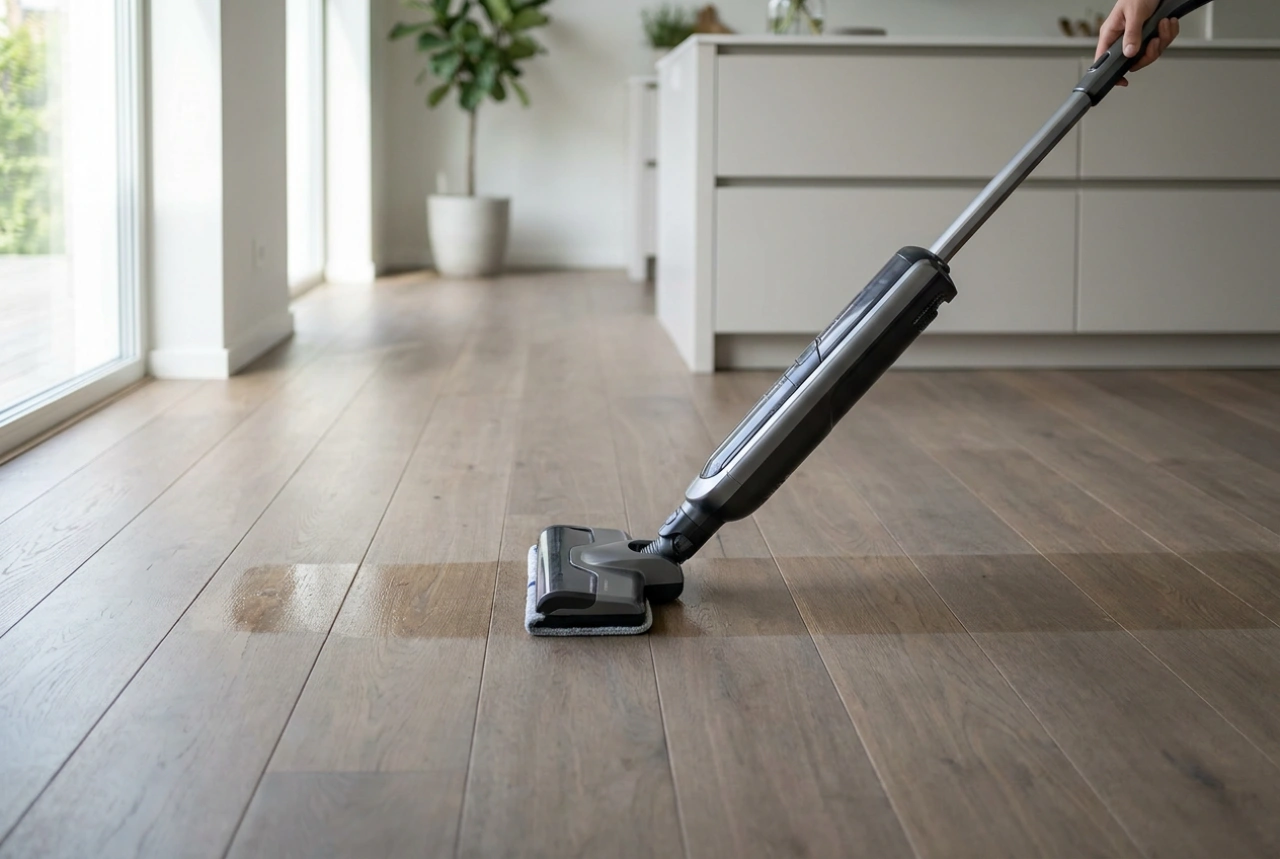
Hard floors, such as wooden panels and laminate, present a low-resistance surface where dirt sits loosely on top. The primary risk during cleaning is mechanical scratching caused by trapped grit. Traditional vacuum nozzles with stiff nylon bristles or rotating brush bars can drag abrasive particles, like quartz sand, across the protective coating of the panels, causing micro-scratches that dull the finish over time. For these surfaces, look for the following features:
- Soft, natural bristles that gently sweep particles into the airflow without pressing them into the floor.
- Bypass channels in the nozzle perimeter to prevent the suction from creating a perfect seal, which would immobilize the tool and scratch the surface beneath.
- Soft rubber wheels on the vacuum body to prevent friction-induced marking on delicate sealants and finishes.
Deep Carpet Cleaning: The Necessity of Agitation
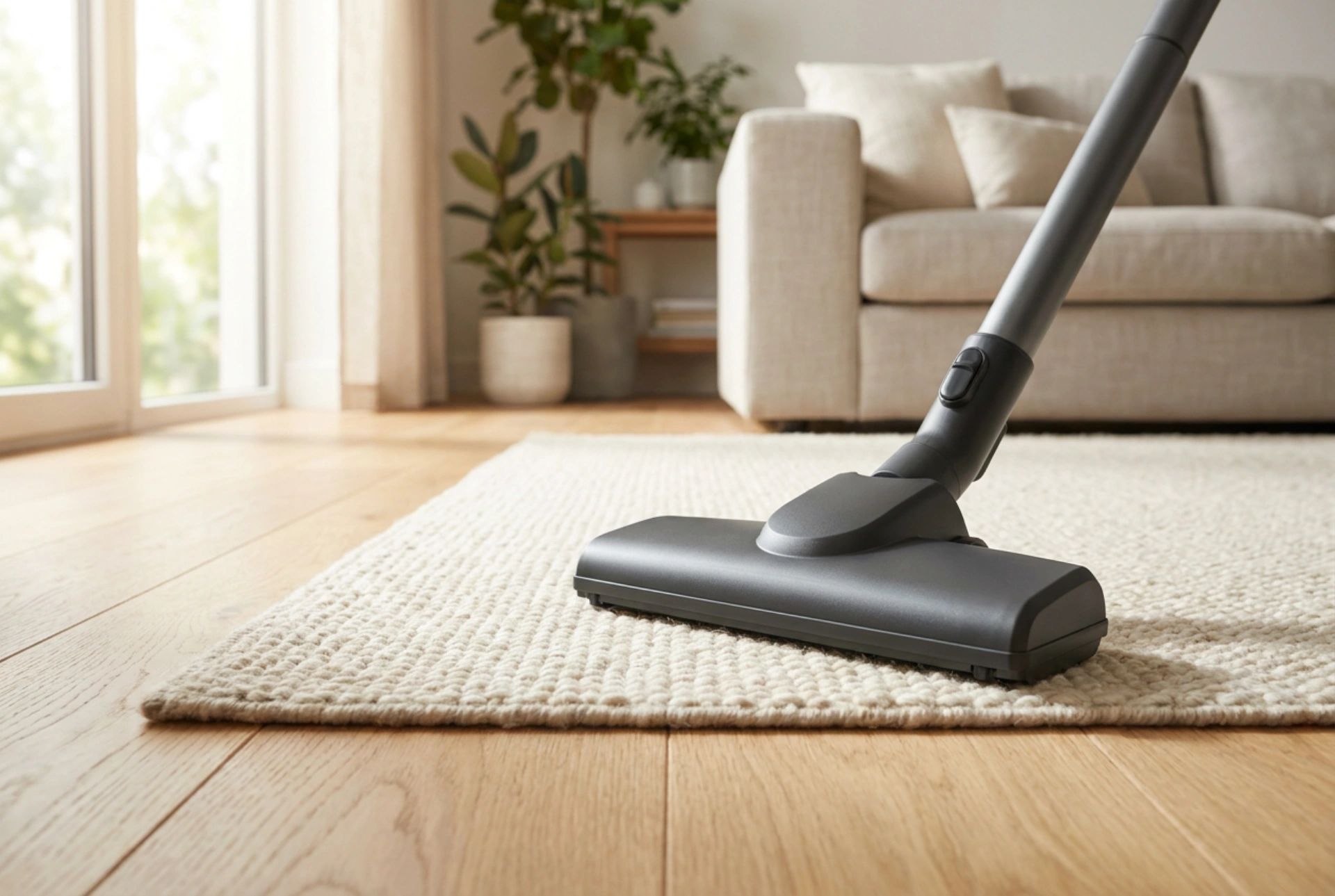
Carpets act as mechanical filters, trapping dirt, dust mites, and hair deep within their woven fibers. Simply applying suction to the surface of a carpet is insufficient because the physical friction between the fibers holds onto particles. Effective carpet cleaning relies on mechanical agitation. A rotating brush bar physically strikes the carpet fibers, vibrating them to loosen embedded dirt and lift it into the stream of moving air. When selecting a machine for carpets, a motorized brush roll is superior to one powered solely by suction, as the independent motor maintains a constant rotational speed even when resisting dense carpet piles. For delicate wool carpets, however, the ability to turn off the brush roll is crucial to prevent the wool fibers from fraying and pilling under heavy friction.
The Science of Pet Hair: Electrostatic Charges and Fiber Interlocking
Pet hair poses a unique cleaning challenge due to two forces: electrostatic attraction and mechanical interlocking. Hair shafts have microscopic scales that hook onto carpet fibers, while the friction of walking across carpets creates static electricity, bonding the hair to the synthetic pile. To remove pet hair, a vacuum needs a specialized brush roll featuring stiff, angled bristles that can shear the hair away from the fibers, breaking the static bond. Rubber flaps on the roller are also highly effective, as rubber creates high friction against the hair, pulling it out without wrapping it as tightly around the axle as standard bristles do.
Filtration and Dust Retention: Closing the Loop
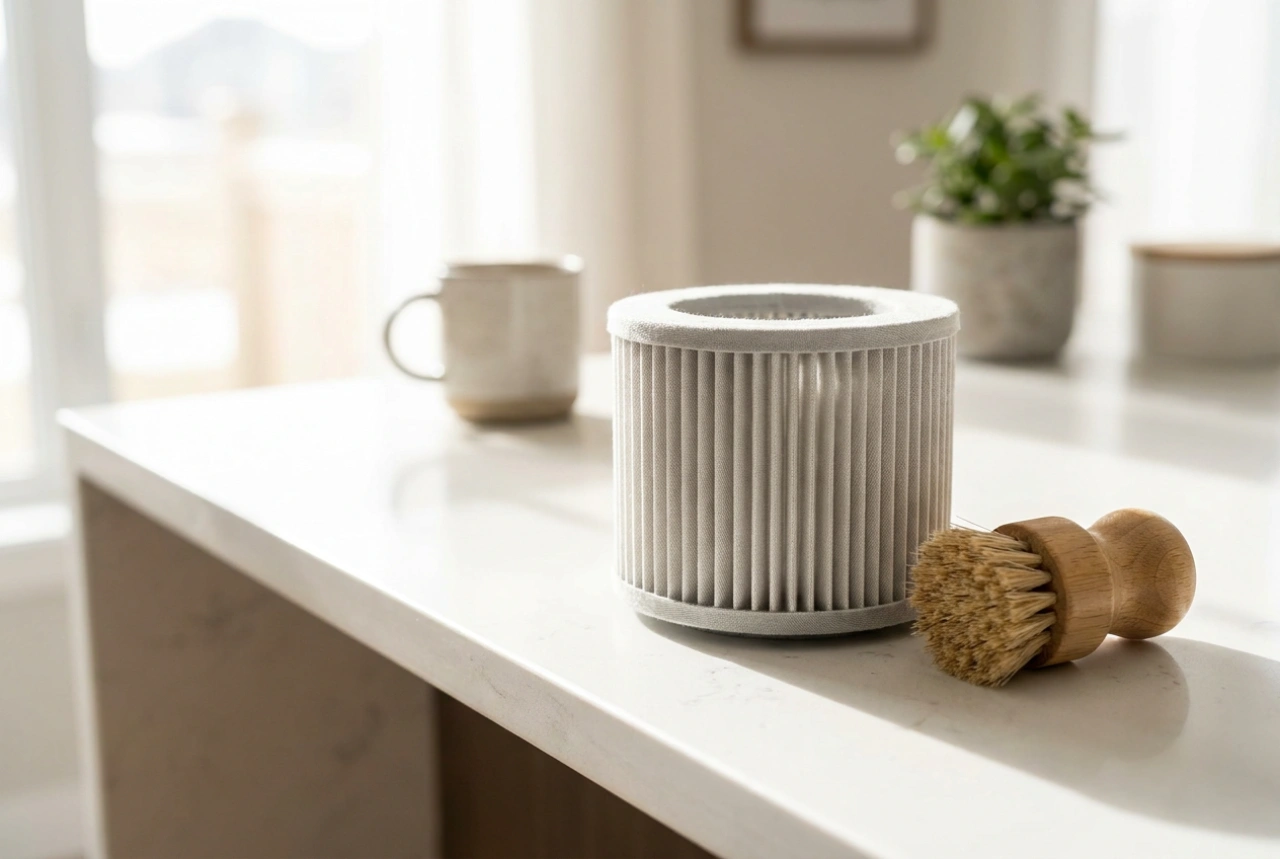
An often-overlooked aspect of vacuum performance is filtration. If a vacuum has powerful suction but poor filtration, it simply acts as an allergen redistributor, expelling fine particulates back into the room. Multi-stage filtration, culminating in a sealed High-Efficiency Particulate Air filter, captures microscopic particles down to 0.3 microns. For households with pets, a completely sealed system is vital, ensuring that all exhausted air passes through the filter media, preventing fine dander from escaping through cracks in the vacuum casing.