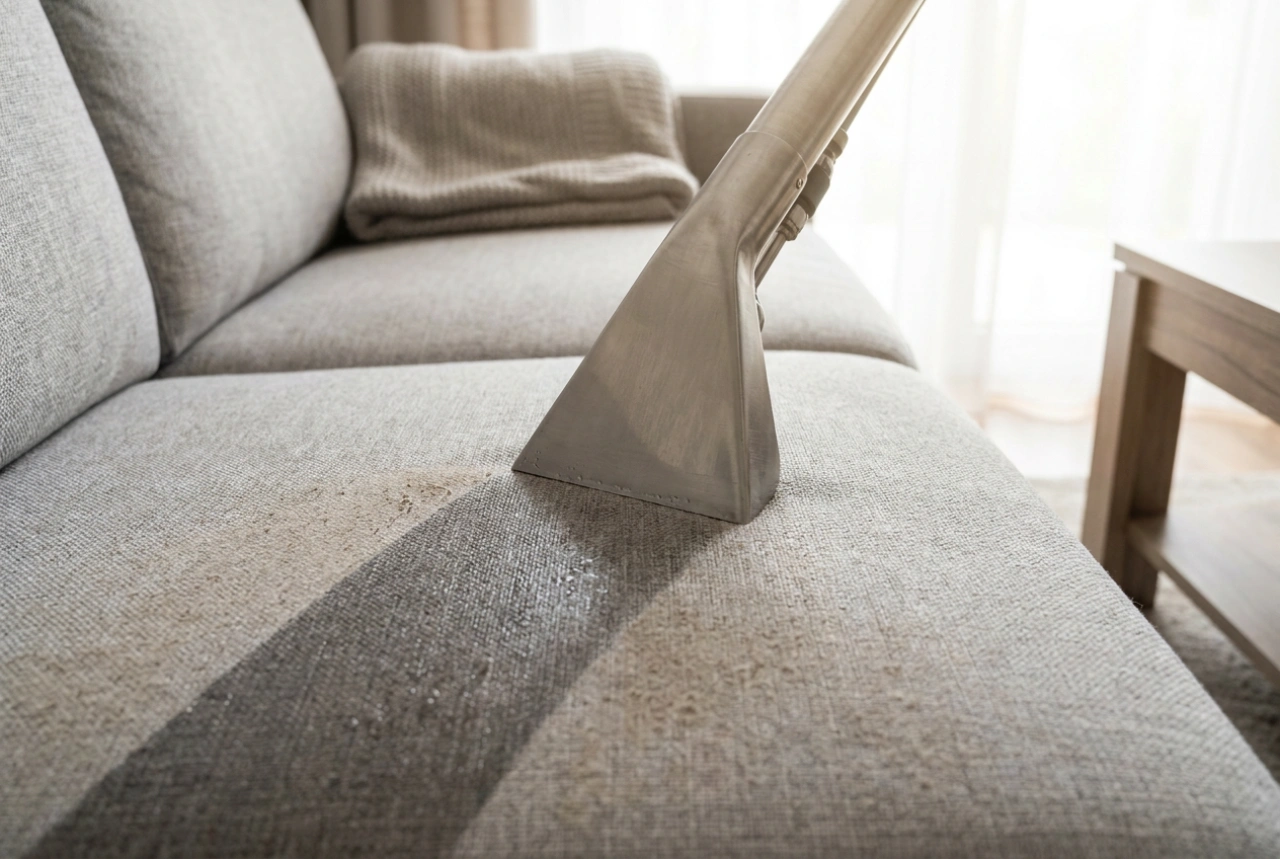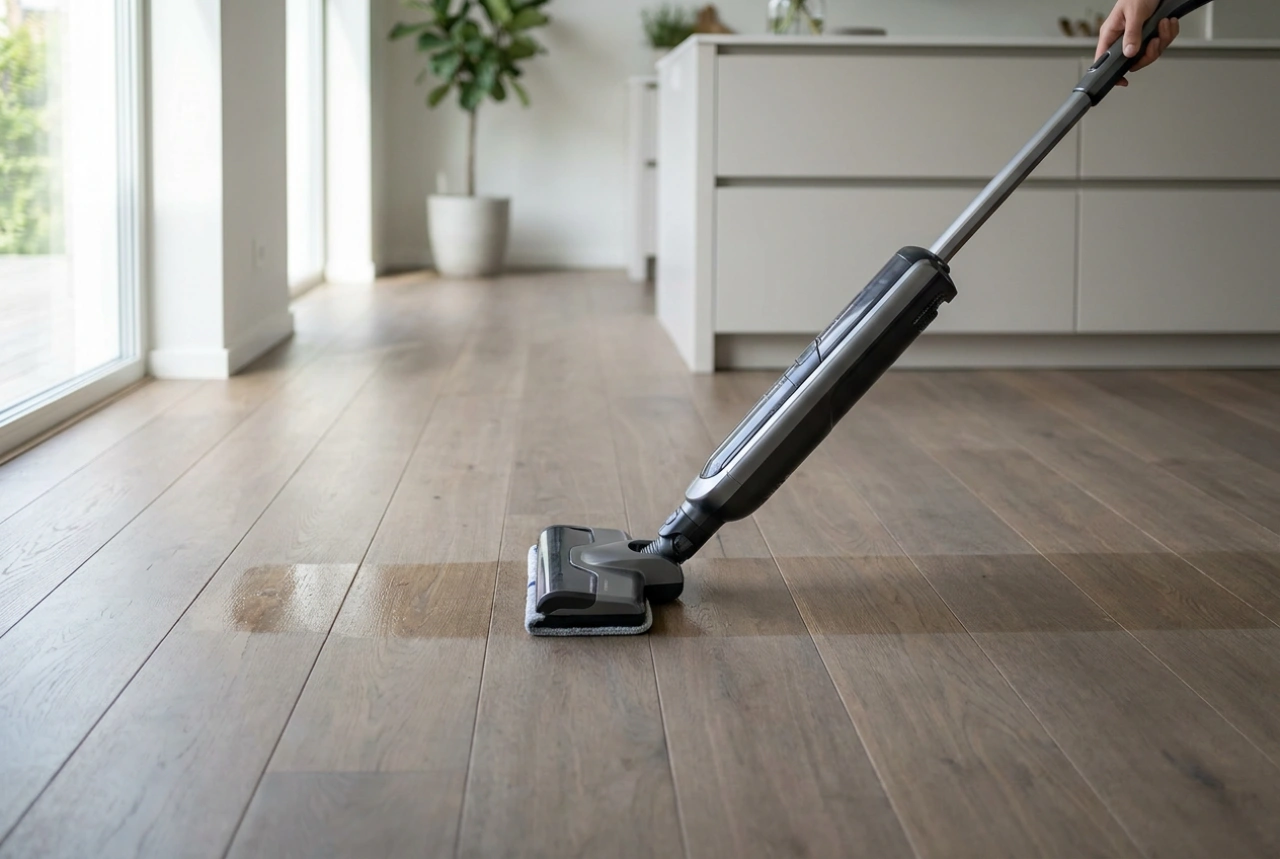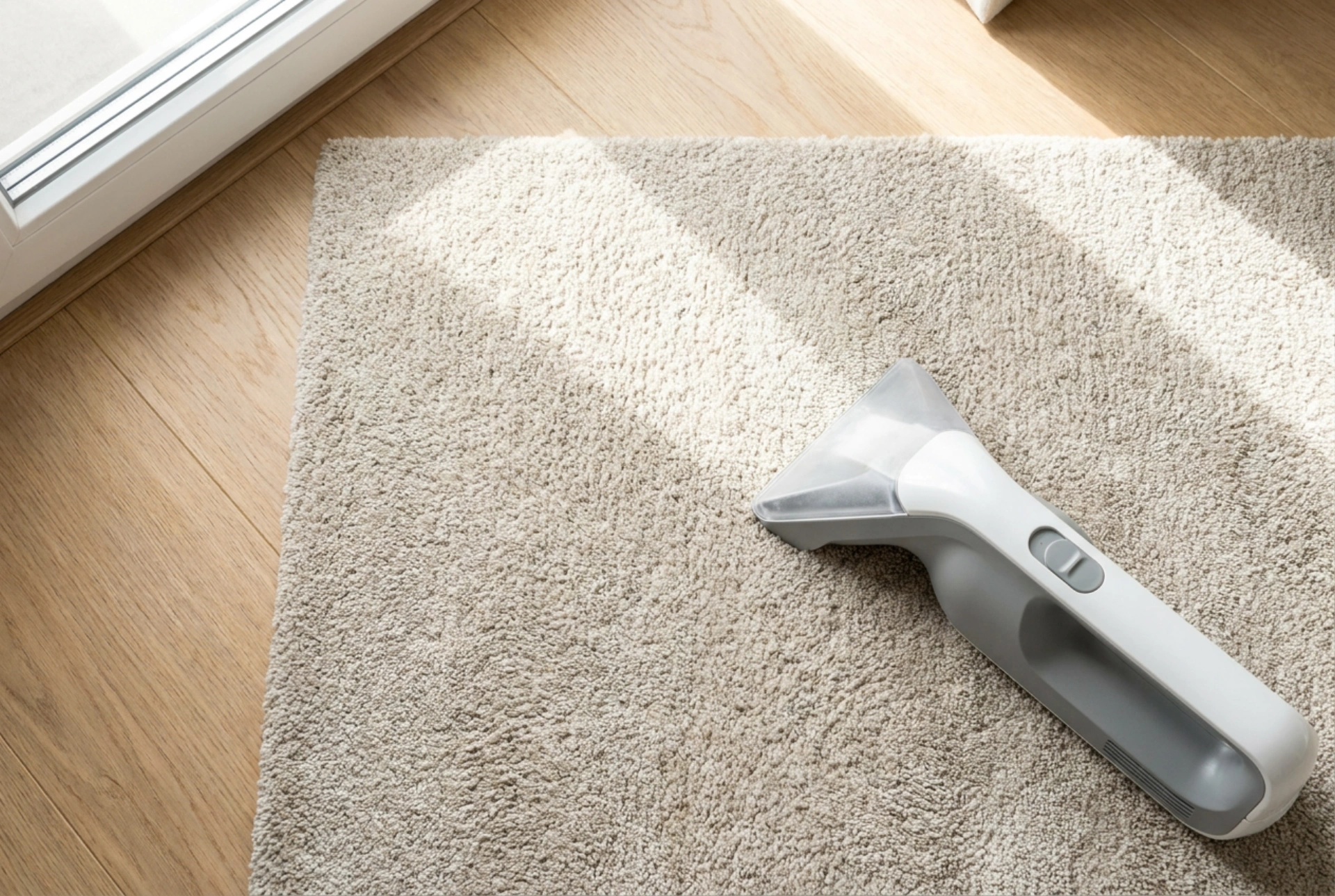


Cleaning a carpet using a small wet-dry vacuum or compact extraction machine is an efficient way to remove embedded dirt, provided you control the liquid volume to prevent over-saturation. Excess water can compromise the structural integrity of the carpet backing and trigger mold growth, making precise moisture control a fundamental skill in home maintenance.
The Physics of Capillary Action and Over-Wetting Risks
Carpets are multi-layered textiles consisting of the face fibers (the pile), a primary backing, an adhesive layer (often latex), and a secondary backing (typically jute or synthetic polypropylene). When water is applied to the carpet, capillary action draws the liquid down through the pile into the backing materials. If the backing gets wet, it dries extremely slowly due to restricted airflow.
This prolonged dampness leads to several structural issues. Cellulosic browning can occur when natural fibers like jute release lignin as they dry, migrating to the surface and leaving brown stains on the pile. Furthermore, excessive water dissolves latex adhesives, causing delamination where the secondary backing separates from the carpet. To prevent this, liquid must remain confined to the upper portions of the carpet pile, where air circulation can quickly dry the fibers.
The Role of Surfactants and Chemical Pre-treatment
Applying water alone is insufficient because water has high surface tension, meaning it tends to bead up rather than penetrate grease and oil-based soils. To overcome this, a low-foaming surfactant (carpet prespray) must be used. Surfactants have hydrophilic (water-attracting) heads and lipophilic (oil-attracting) tails. They align at the interface of soil and water, reducing surface tension and emulsifying oils so they can be suspended in water and vacuumed away.
- Synthetics (Nylon, Polyester): Benefit from slightly alkaline pre-sprays (pH 8 to 9.5) to break down grease and protein-based soils.
- Natural Fibers (Wool): Require neutral to slightly acidic cleaners (pH 5.5 to 8) to preserve protein structures and prevent dye bleeding.
Rather than pouring cleaning solution onto the carpet, use a fine mist sprayer. This distributes the surfactant evenly across the tips and mid-sections of the pile without allowing gravity to pull the liquid down into the backing material.
Step-by-Step Low-Moisture Extraction Technique
Successfully cleaning with a small, portable vacuum cleaner relies entirely on your physical technique and the ratio of wet to dry passes.
Step 1: Thorough Dry Evacuation
Before introducing any moisture, remove up to 80% of dry particulate soils (sand, dust, pet dander) using a high-efficiency dry vacuum. If dry soil gets wet, it turns into mud, which penetrates deeper into the backing and becomes significantly harder to extract.
Step 2: Controlled Prespray and Dwell Time
Mist the target area with your prepared surfactant solution. Allow a dwell time of 5 to 10 minutes. This period is crucial for the chemical reactions to break down bonds between dirt and carpet fibers. Do not let the solution dry completely during this phase.
Step 3: The Extraction and Dry-Pass Ratio
When operating a small extraction machine, separate the spraying action from the suction action if possible. Pull the hand tool slowly toward you, applying consistent downward pressure to ensure the suction nozzle maintains a tight seal with the carpet fibers. For every single pass where you apply clean rinse water, you must perform three to four "dry passes" (suction only). Watch the clear plastic nozzle of your tool; continue making dry passes until you no longer see liquid droplets being pulled into the chamber.
Optimizing Post-Clean Drying Kinetics
Once extraction is complete, the remaining moisture must evaporate within 6 to 8 hours to ensure no microbial growth develops. You can accelerate this thermodynamic process by altering the room's microclimate. Position a standard floor fan to blow air horizontally across the carpet surface, creating laminar airflow that breaks the boundary layer of humid air directly above the fibers. If relative humidity is high, running a dehumidifier alongside the fan will significantly decrease drying time.