

Cordless vacuum cleaners rely on lightweight lithium-ion batteries that inevitably degrade over time, but understanding their chemical properties allows you to significantly extend their operational lifespan. By managing operating temperatures, charging cycles, and storage conditions, you can prevent premature capacity loss and maintain peak suction performance.
The Science Behind Lithium-Ion Battery Degradation
Most modern cordless vacuums use lithium-ion (Li-ion) battery packs because of their high energy density and lack of memory effect. Inside these cells, lithium ions move back and forth between a positive cathode and a negative anode. However, every charge and discharge cycle causes microscopic physical and chemical changes. Over time, side reactions occur within the liquid electrolyte, creating a solid electrolyte interphase (SEI) layer that consumes active lithium and increases internal electrical resistance. Additionally, operating at extreme states of charge—either completely empty or fully saturated—strains the delicate crystal structures of the electrodes, leading to mechanical micro-cracking and a permanent reduction in total capacity.
Optimising the Charging Cycle
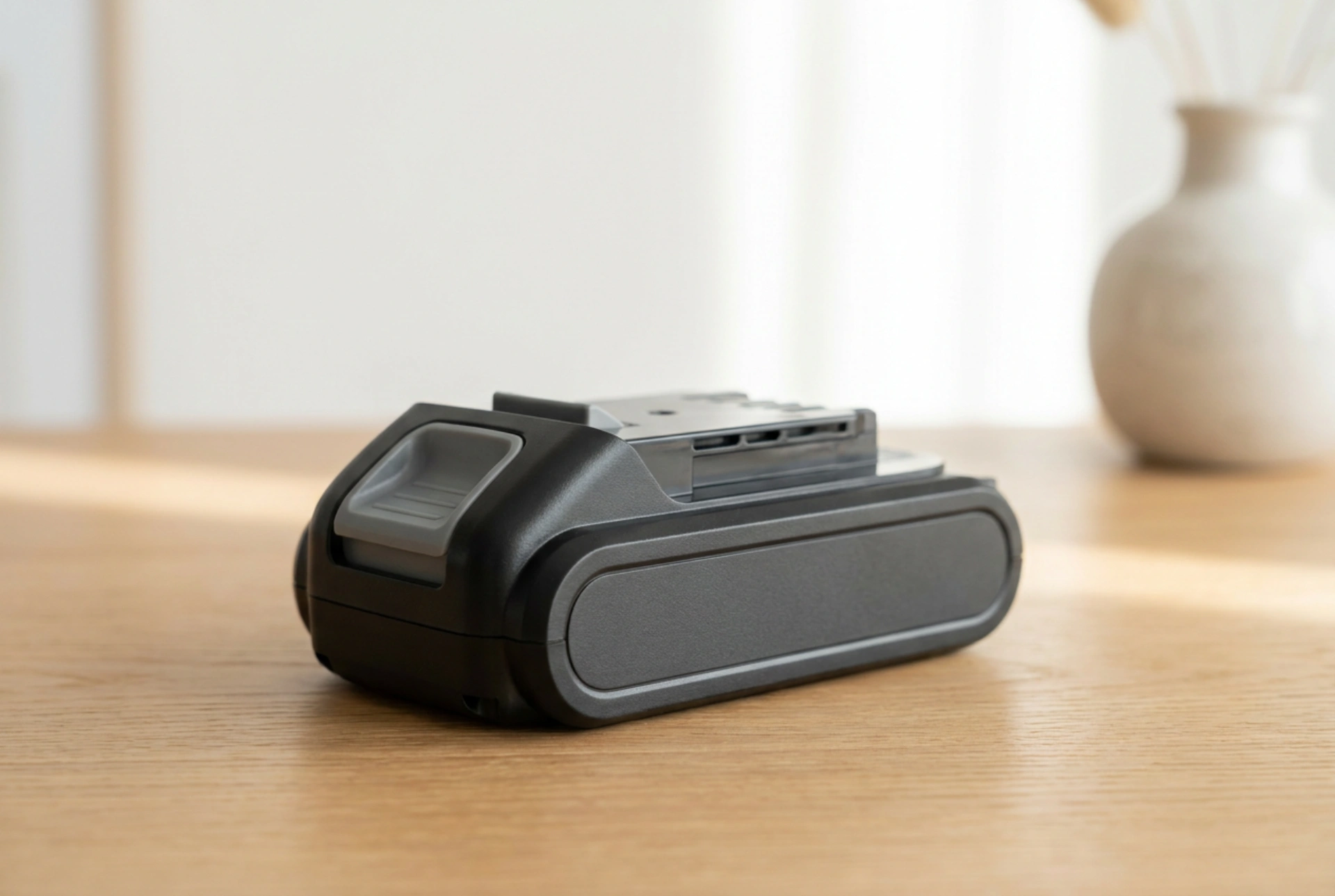
How and when you charge your replaceable battery determines its longevity. While it is tempting to leave the vacuum on its charger continuously, keeping a battery at a 100% state of charge (SoC) subjects the cells to high voltage stress, accelerating chemical aging. To maximise lifespan, consider these fundamental rules of battery chemistry:
- Avoid Deep Discharge: Do not run the battery down to 0% until the vacuum cuts out completely. Deep discharging causes excessive electrode wear. Instead, plug the battery in when it drops to around 20% capacity.
- The Cool-Down Rule: Never charge a hot battery. Immediately after a heavy cleaning session, the battery cells are thermally stressed. Plunging a hot battery into a charger initiates accelerated chemical degradation and increases the risk of thermal runaway. Allow the pack to rest for 15 to 30 minutes until it reaches room temperature.
- Unplug After Full Charge: If your vacuum charger does not feature smart automatic cut-off circuitry, manually disconnect the power supply once the battery is full to prevent low-level trickle-charging stress.
Managing Thermal Energy and Power Modes
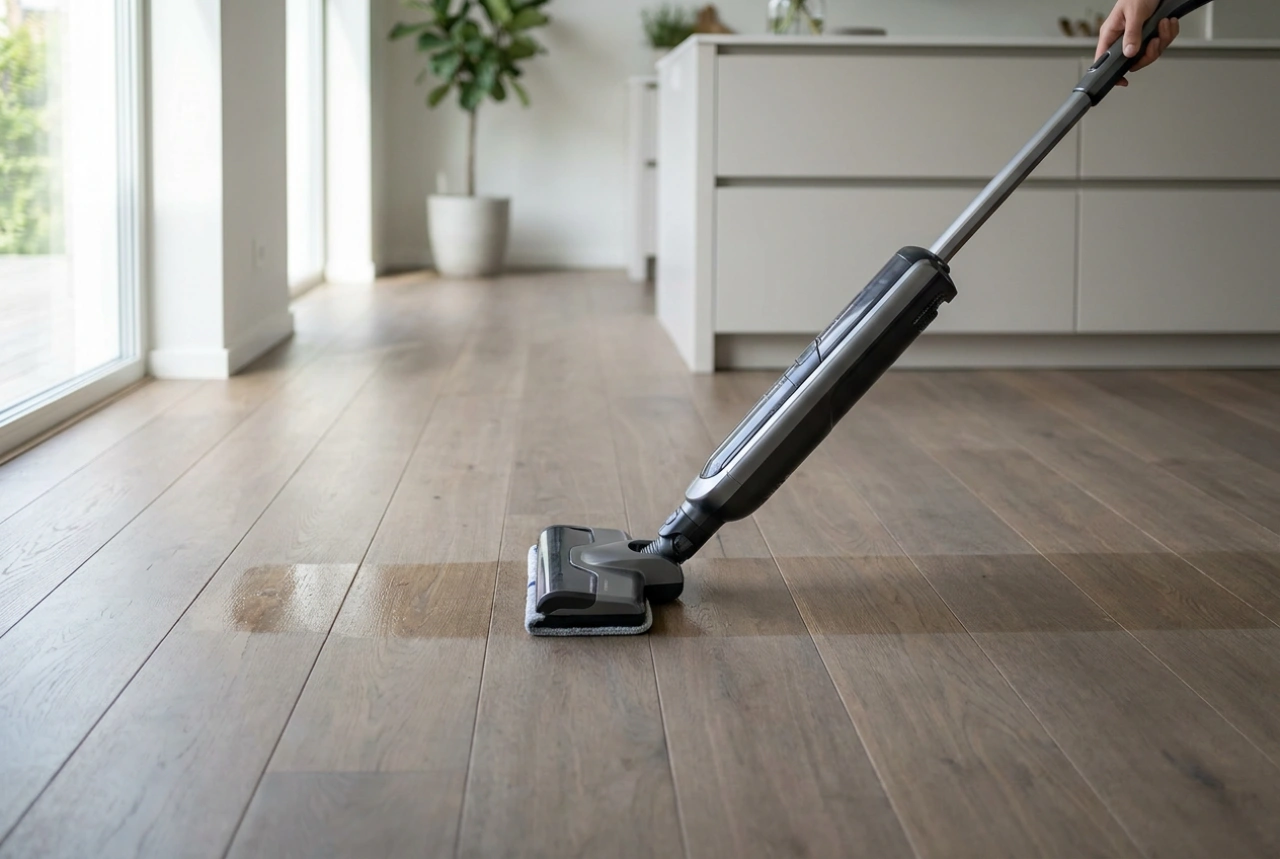
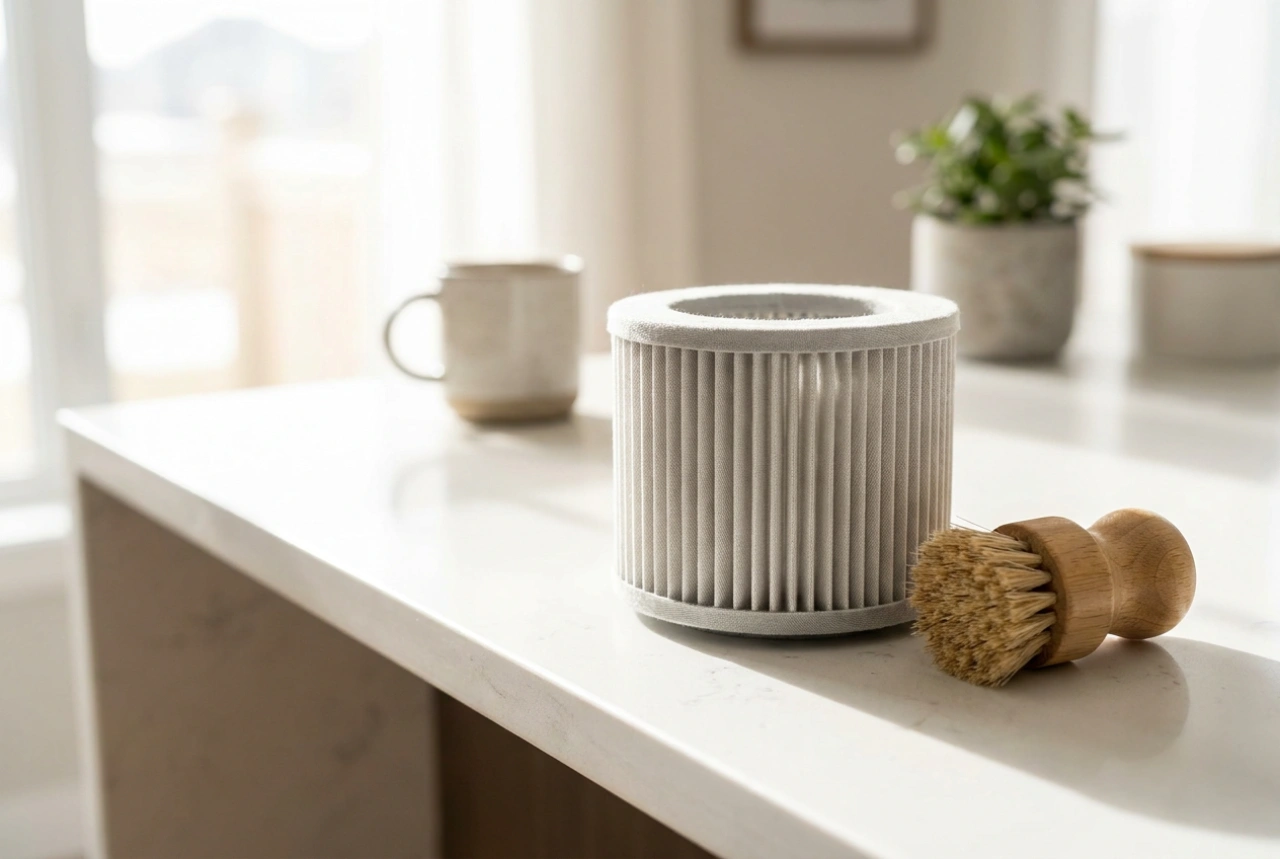
Heat is the primary enemy of lithium-ion chemistry. Cordless vacuums offer high-power or boost modes that draw massive amounts of current from the battery pack. This rapid discharge rate generates significant internal heat due to Joule heating, where energy is lost as heat due to internal resistance. Prolonged use of high-power modes degrades the cell separators and causes the liquid electrolyte to break down into gas. Use high-power settings sparingly, reserving them for deeply embedded dirt on thick carpets, and rely on standard or eco modes for hard floors. Ensure the vacuum's filters are clean; a clogged filter forces the motor to work harder, drawing more current and generating more ambient heat inside the vacuum body, which directly transfers to the adjacent battery compartment.
Storing Replaceable Batteries Safely
Replaceable batteries offer the distinct advantage of external storage, which is ideal if you have a spare unit. However, storage conditions dictate how well the cells retain their capacity over time. Never store a battery completely empty, as the internal voltage can drop below a critical threshold, causing copper shunts to form that short-circuit the cell and render it permanently dead. Conversely, do not store it at 100% charge, which accelerates oxidation of the cathode. The chemical sweet spot for long-term storage is between 40% and 60% capacity. Store the pack in a cool, dry environment between 10 degrees and 20 degrees Celsius, away from direct sunlight, cold concrete floors, or high humidity.