

Vacuum-mop combo appliances promise to streamline daily hard floor maintenance by combining debris removal and wet wiping into a single pass. Understanding the mechanical and chemical principles behind these dual-function systems is essential for achieving streak-free results while preserving the lifespan of your flooring materials.
The Physics of Simultaneous Extraction and Hydration
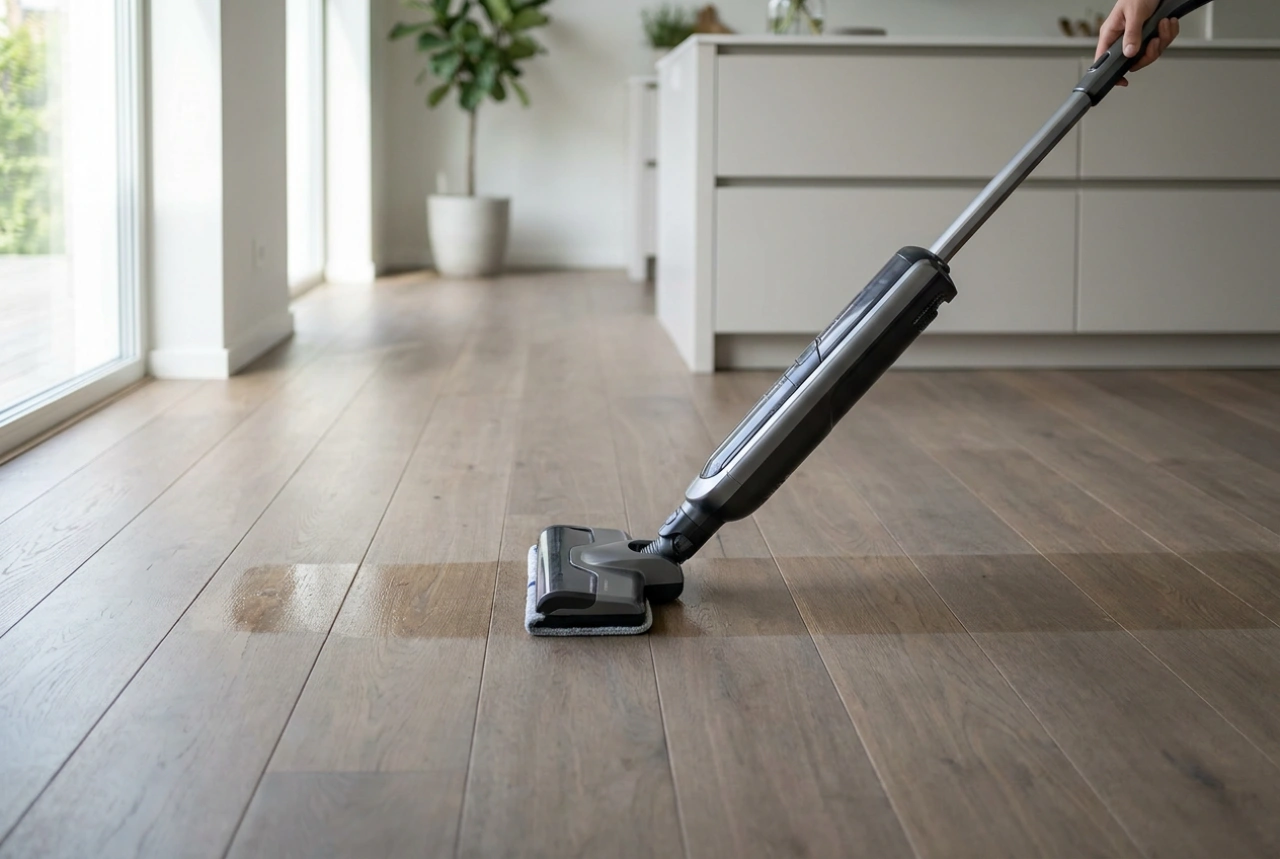
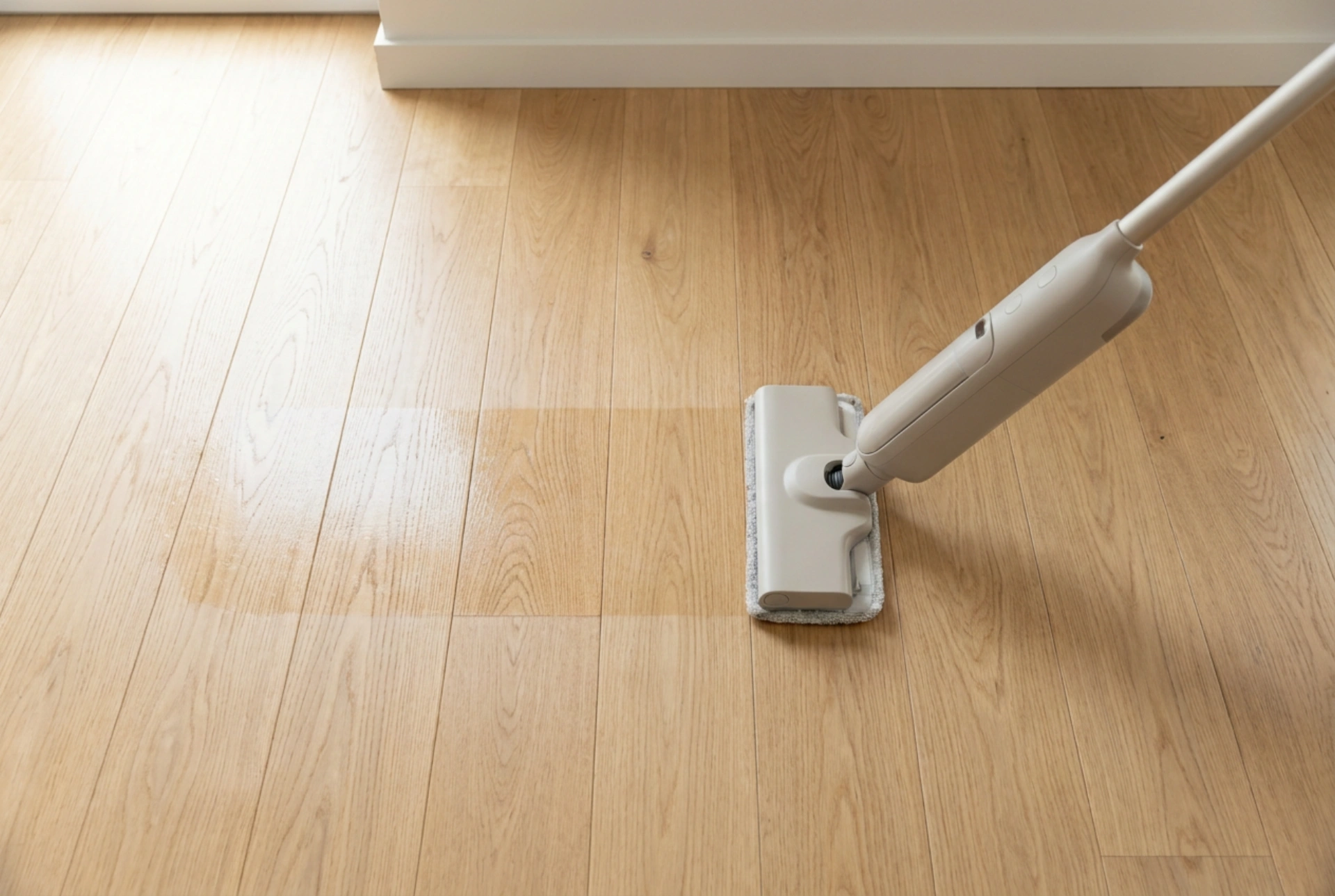
Standard manual mopping often redistributes fine dirt particles across the floor surface, suspended in a thin film of dirty water. Vacuum-mop combos alter this dynamic by introducing a continuous cycle of hydration and extraction. As the machine moves forward, a rotary brush roll or microfibre pad mechanically agitates the surface, loosening adhered soils. Simultaneously, a controlled volume of water is dispensed to dissolve soluble residues. Crucially, high-velocity suction immediately follows the wetting mechanism, drawing the liquefied dirt and suspended particulates upward into a separate waste tank before the water can evaporate or pool.
This dual-tank system relies on pressure differentials. The clean water tank operates under gravity or low-pressure pumping, while the dirty water collection chamber is kept under vacuum pressure. This continuous extraction prevents the redeposition of particulate matter, ensuring that only clean fluid touches the floor surface. However, the efficiency of this process depends heavily on movement speed; moving the appliance too rapidly prevents the vacuum inlet from fully capturing the fluid, leaving behind excess moisture that can damage sensitive joints.
Floor Material Dynamics and Moisture Control
Different hard floors react distinctively to the moisture levels applied by combination cleaning devices. Understanding these material properties prevents irreversible physical damage:
- Solid and Engineered Hardwood: Wood is highly hygroscopic, meaning it readily absorbs water from its environment. Excessive moisture penetrating the seams can cause the wood fibres to swell, leading to cupping, crowning, or structural warping. When using a combo device on timber, low-flow settings are critical to ensure that the water film evaporates within sixty seconds of application.
- Laminate Flooring: Laminate consists of compressed wood fibres topped with a photographic wear layer. While the surface is impervious to water, the joints between planks are highly vulnerable. Capillary action can draw standing water into these unsealed gaps, causing the core board to swell and the edges to peel. A high-suction, low-moisture setting is mandatory here.
- Ceramic and Porcelain Tiles: These materials are highly resilient and non-porous, making them ideal for deeper hydration. However, the cementitious grout between tiles is porous and prone to absorbing dirty water. The strong extraction force of a vacuum-mop combo is particularly beneficial here, as it pulls dirty water out of the grout lines before it can settle and stain.
The Chemistry of Clean: Water Temperature and Surfactants
The choice of cleaning fluid and temperature determines how effectively organic soils are emulsified and removed. Water temperature affects the kinetic energy of the molecules; warmer water lowers surface tension and accelerates the dissolution of polar substances. However, highly elevated temperatures can warp plastic components in standard appliances or degrade protective finishes on wood floors. Moderately warm water is optimal for balancing cleaning efficiency and material safety.
In terms of chemical additives, neutral-pH surfactants are essential. Surfactants consist of hydrophilic (water-attracting) heads and hydrophobic (water-repelling) tails. When applied to the floor, the hydrophobic tails bind to lipids and oils, while the hydrophilic heads align with the water. The mechanical action of the rotating brush roll then shears these bound oils away from the floor surface, forming an emulsion that is easily vacuumed away. Using high-foaming detergents must be avoided, as foam disrupts the vacuum seal, reduces suction power, and leaves dulling chemical residues behind upon evaporation.
System Maintenance to Prevent Biofilms
Because these devices combine moisture, heat, and organic waste (skin cells, pet dander, food crumbs) within a sealed container, they create an ideal environment for microbial proliferation. If the dirty water tank and brush roll are not thoroughly dried after use, anaerobic bacteria will quickly multiply, producing volatile organic compounds that cause sour odours.
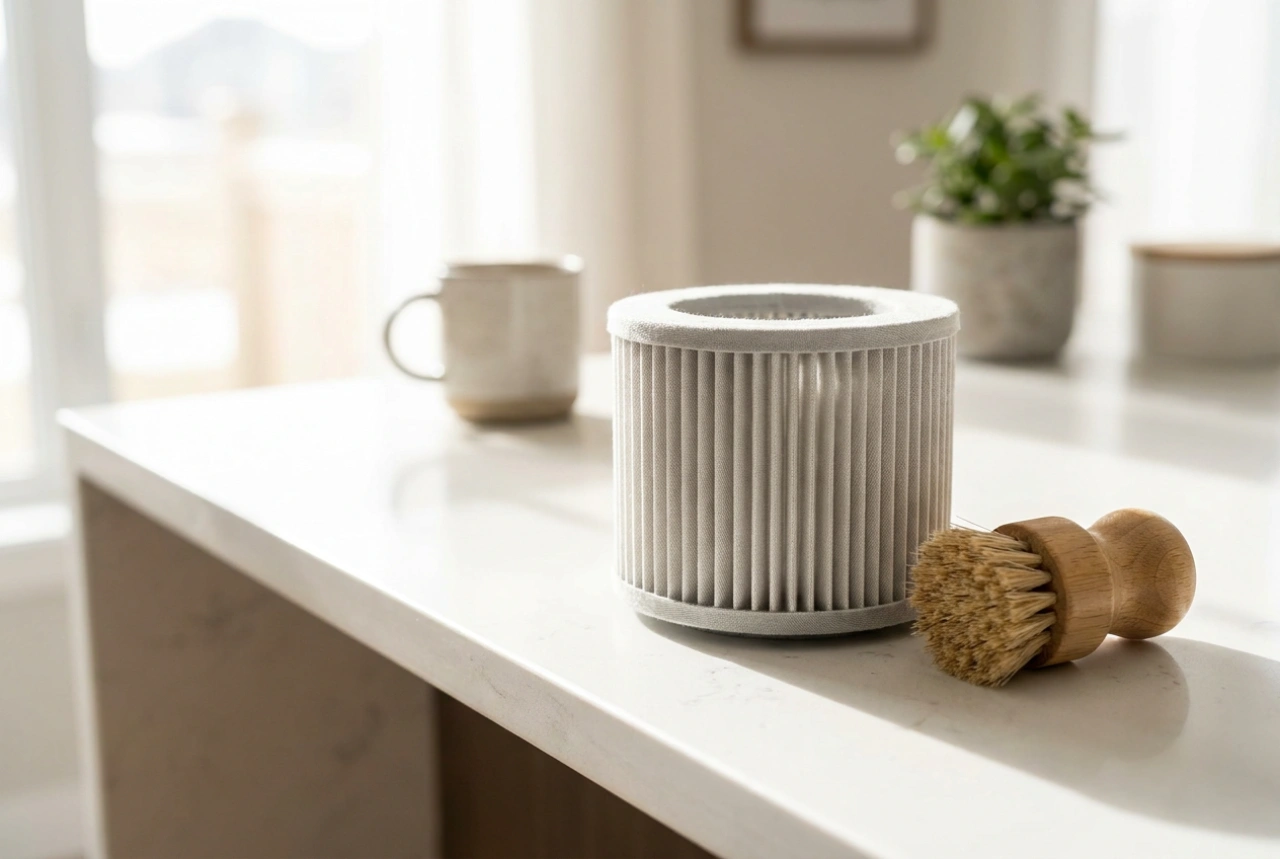
Preventing this requires a strict post-cleaning protocol. Empty the dirty water reservoir immediately after every cycle, rinsing away accumulated silt. The brush roll must be extracted and allowed to air-dry completely in a well-ventilated space to prevent the formation of damp-loving biofilms within the microfibre filaments. Regular flushing of the internal vacuum pathways with clean, warm water prevents mineral scaling and debris blockages, keeping suction levels optimal.