

Injection-extraction vacuum cleaners, commonly referred to as spray extraction machines, do not simply wash fabrics; they rely on a precise combination of hydraulic pressure, chemical dissolution, and high-velocity airflow to dislodge and remove embedded contaminants from textile fibers.
The Physics of Pressure and Vacuum Lift
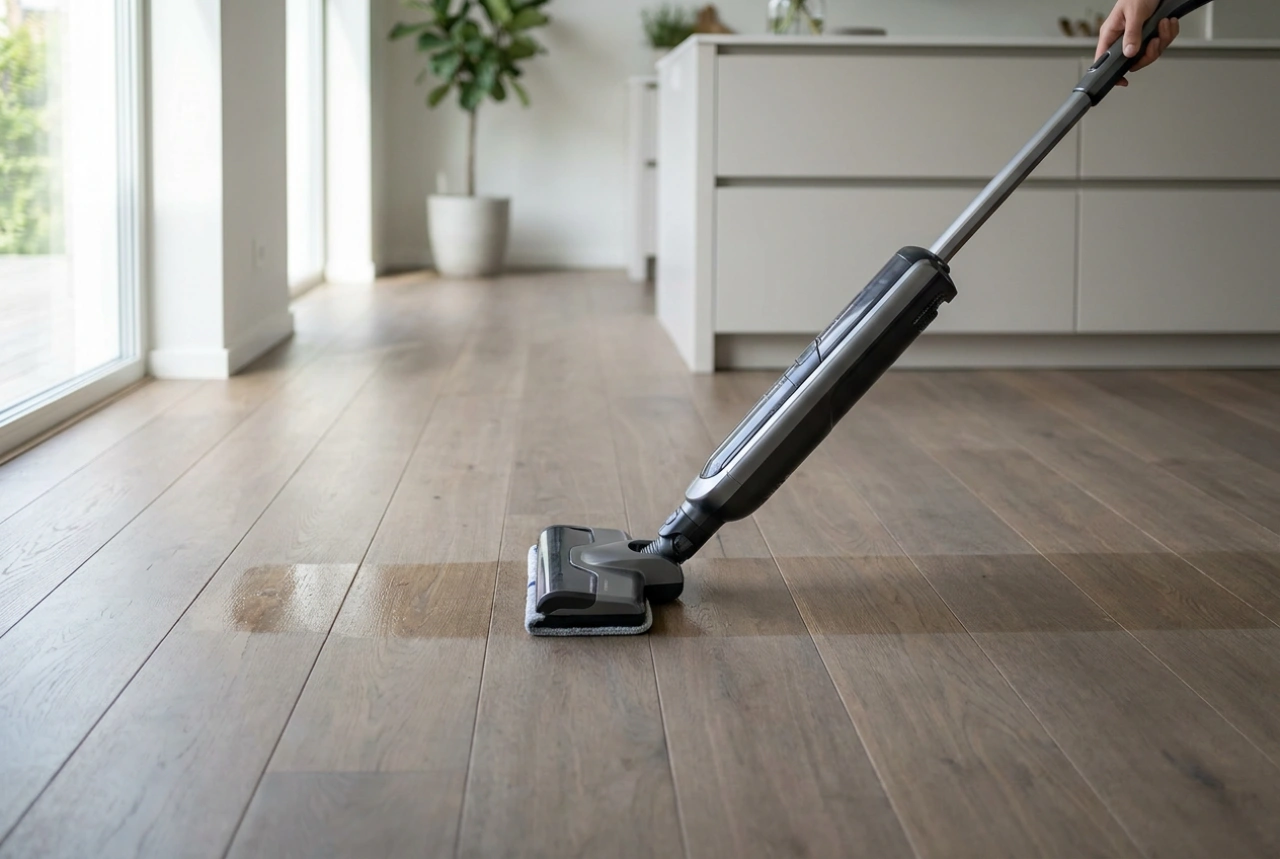
At the core of an injection-extraction system lies a dual-tank configuration: one containing clean water mixed with a specialized cleaning solution, and another dedicated to collecting the recovered slurry. The cleaning process begins with a high-pressure pump that forces the liquid through a fine-spray nozzle directly into the pile of the carpet or upholstery. This hydraulic force is designed to penetrate deep into the yarn structure, releasing dry soils and binding agents that have adhered to the fiber surfaces.
Simultaneously, a powerful vacuum motor generates a significant pressure differential at the vacuum nozzle, creating high cubic feet per minute (CFM) airflow. This suction does not merely dry the fabric; it physically pulls the liquid, along with the suspended and dissolved dirt particles, out of the textile matrix. Without sufficient vacuum lift—measured as water lift or static pressure—the dirty water remains trapped in the backing of the fabric, leading to prolonged drying times and potential fiber degradation.
The Chemistry of Surfactant Action and pH Balancing
Water alone is a poor cleaner for oily and greasy soils due to its high surface tension. To overcome this, cleaning agents containing surfactants are introduced. Surfactant molecules possess a dual nature: a hydrophilic (water-attracting) head and a lipophilic (fat-attracting) tail. When injected into the fabric, the lipophilic tails bond with oily soils, lifting them from the fiber, while the hydrophilic heads remain bound to the water molecules. This process, known as emulsification, suspends the soil in the liquid solution, making it extractable.
The chemical composition of the fibers dictates the required pH of the cleaning solution. Synthetic fibers, such as nylon or polyester, are highly resilient and typically require a mildly alkaline solution (pH 8 to 10) to break down acidic organic proteins and oils. Conversely, natural fibers like wool or silk are highly sensitive to alkaline environments, which can swell and weaken the protein structures, causing color bleeding or fiber shrinkage. For these delicate materials, neutral or slightly acidic cleaning agents (pH 5.5 to 7) must be used to preserve structural integrity.
The Crucial Role of Temperature and Dwell Time
The efficiency of an injection-extraction cycle is heavily influenced by thermal energy. Elevated water temperatures—ideally between 50°C and 60°C for synthetic materials—accelerate chemical reactions and lower the viscosity of oily residues. This thermal energy weakens the bonds between the contaminant and the fiber, allowing the surfactants to work more rapidly. However, temperature must be carefully controlled, as excessive heat can shrink natural wool fibers or melt synthetic adhesives used in carpet backings.
Equally critical is the concept of dwell time. After applying the solution, the chemicals require several minutes to break down the soil matrix before vacuum extraction begins. Extracting the solution too quickly prevents the surfactants from fully emulsifying the grease, resulting in an incomplete clean. Conversely, allowing the solution to sit for too long can cause the dissolved soil to settle back into the fiber base, making extraction significantly harder.
Preventing Capillary Wicking: Why Stains Reappear
A common phenomenon after extraction cleaning is the reappearance of spots as the fabric dries, a process known as capillary wicking. When a spill occurs, it often penetrates deep into the backing material or underlayment. During extraction, if only the surface fibers are cleaned and excess moisture is left in the backing, a capillary pathway is established. As water evaporates from the tips of the fibers, it draws moisture upward from the damp backing. This rising moisture carries dissolved soil back to the surface, where it dries and forms a visible stain.
To prevent wicking, the operator must execute multiple "dry passes"—running the vacuum nozzle over the fabric without injecting further solution to extract as much residual moisture as possible. Additionally, utilizing an acidic rinse agent during the extraction phase can help neutralize alkaline residues, stabilizing dyes and preventing the physical movement of dissolved soils during the drying phase.
The Correct Sequence of Operations
To achieve optimal soil removal without damaging fabrics, a strict sequence of operations must be followed:
- Dry Soil Recovery: Thoroughly vacuum the textile using a high-efficiency particulate vacuum. Over 75% of soil in carpets is dry particulate matter; adding water to dry soil creates mud, which is significantly harder to extract.
- Pre-spray Application: Apply the cleaning solution uniformly across the surface and allow a dwell time of 5 to 10 minutes to loosen bonded soils.
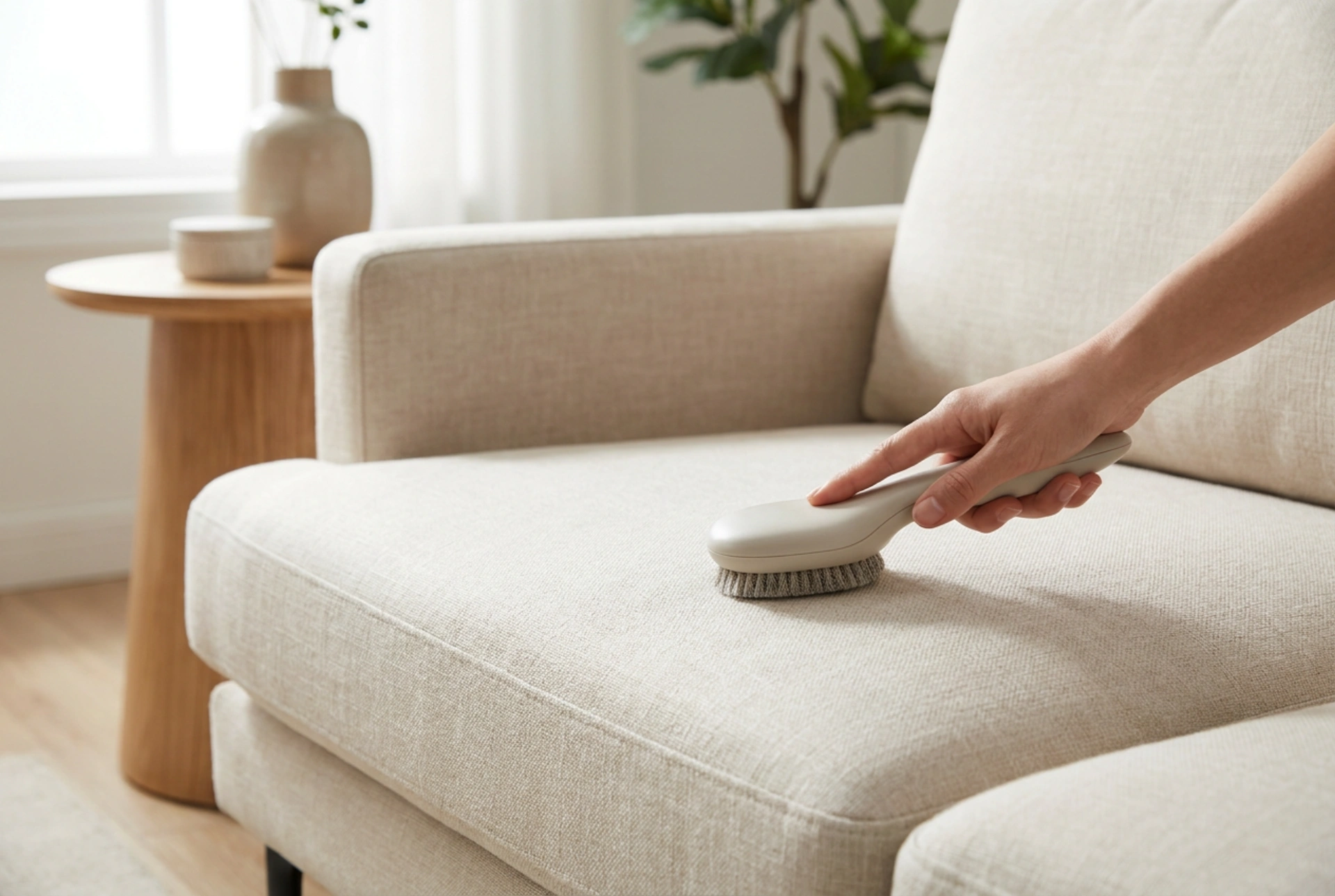
- Agitation: Gently work the solution into the fibers using a soft-bristled brush to facilitate mechanical break-up of the soil barrier.
- Extraction and Rinse: Inject clean water (or an acidic rinsing agent) while simultaneously extracting the slurry, maintaining a steady, slow movement.
- Dry Extraction Passes: Perform several overlapping vacuum-only passes to maximize moisture recovery and accelerate drying times.