

Understanding the physics of airflow and pressure differentials is key to maintaining a healthy indoor environment, as suction power directly determines how effectively debris is lifted from household surfaces. Selecting and maintaining the right level of vacuum pressure ensures that fine dust, micro-allergens, and abrasive grit are successfully extracted rather than redistributed into the air.
The Physics of Suction: Airflow vs. Static Pressure
To understand why suction power is critical, we must look at the two distinct forces at play inside a vacuum cleaner: static pressure (often measured as water lift) and airflow (typically measured in cubic feet per minute or liters per second). The vacuum motor spins a high-speed fan, which expels air from the internal chamber to create a partial vacuum—a region of extremely low pressure. Because nature abhors a vacuum, the higher-pressure ambient air in the room rushes into the nozzle to equalize the difference, carrying dirt and debris along with it.
Static pressure represents the raw lifting capability of the motor, reflecting how sealed the system can remain under load. This force is what physically lifts heavy particles and pulls air through dense carpet fibers. Airflow, on the other hand, represents the volume of air moving through the system over time. High airflow is essential for sweeping up loose debris on hard, smooth surfaces. An ideal balance of both forces is required for daily maintenance: high static pressure to break the mechanical hold of dust in fabrics, and high airflow to transport that dust into the collection chamber.
Overcoming the Mechanical Lock of Carpet Fibers
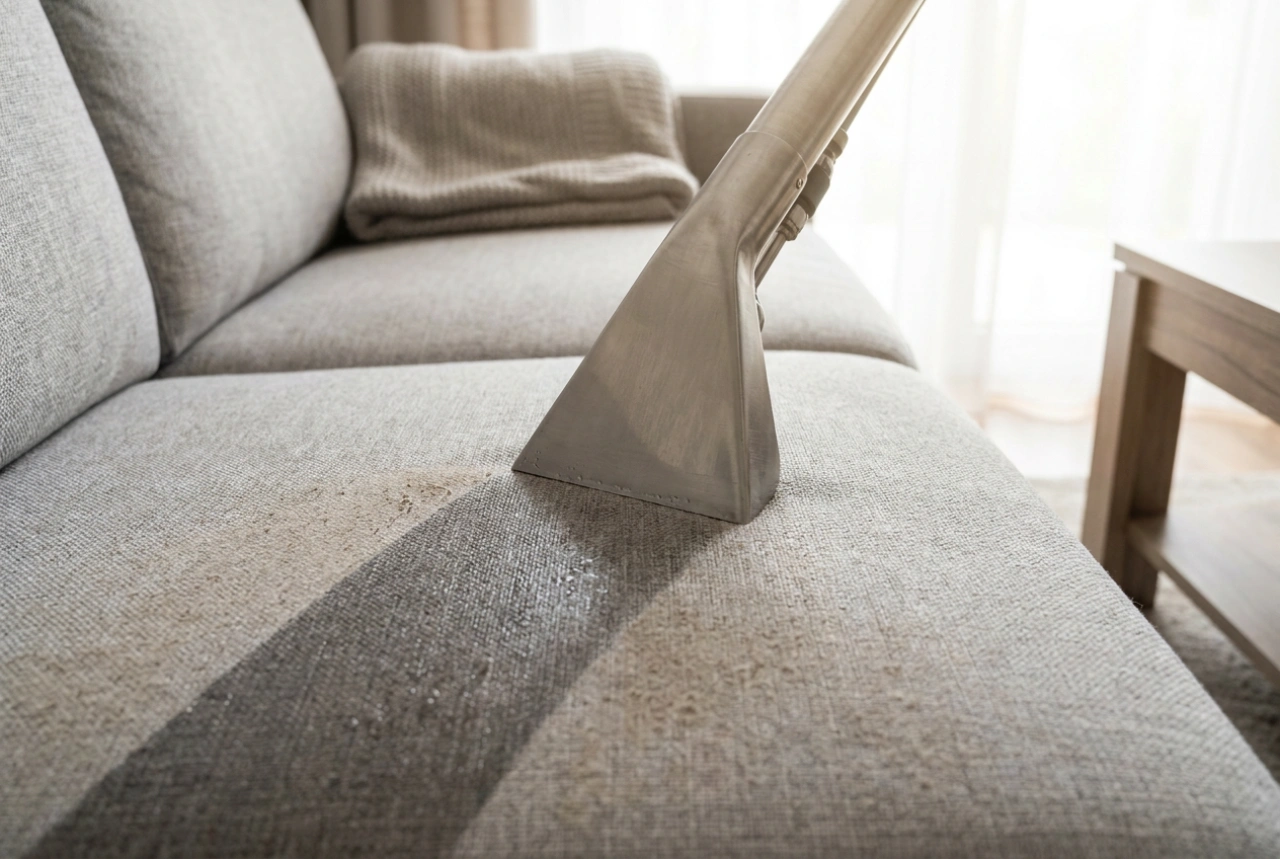
Daily foot traffic forces dust, pollen, and microscopic silica particles deep into the pile of carpets and rugs. Once lodged at the base of the fibers, these particles are held in place by friction and mechanical interlocking. Merely sweeping the surface of a carpet does not disrupt this bond. Without sufficient static suction, only the uppermost layer of dust is cleared, leaving the sharp, abrasive silica grit untouched at the bottom.
As people walk across the carpet, this trapped silica acts like microscopic sandpaper, grinding against the synthetic or natural fibers and causing them to fray and degrade over time. High suction power is necessary to overcome this fiber resistance. By creating a powerful upward air velocity, the vacuum overcomes gravity and the mechanical friction of the weave, pulling the heavy grit out of the carpet backing before it can cause permanent structural damage to the textile.
The Role of Nozzle Dynamics and Fluid Mechanics
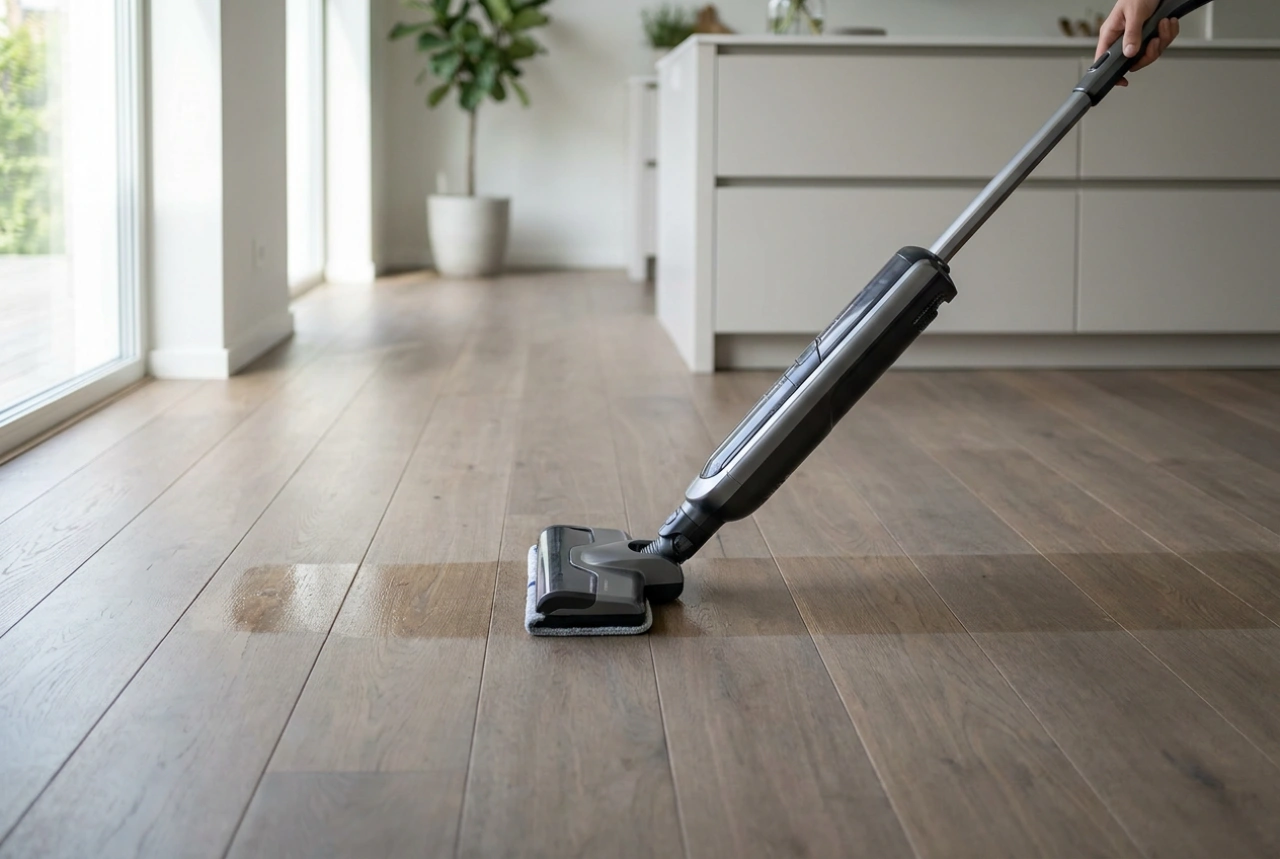
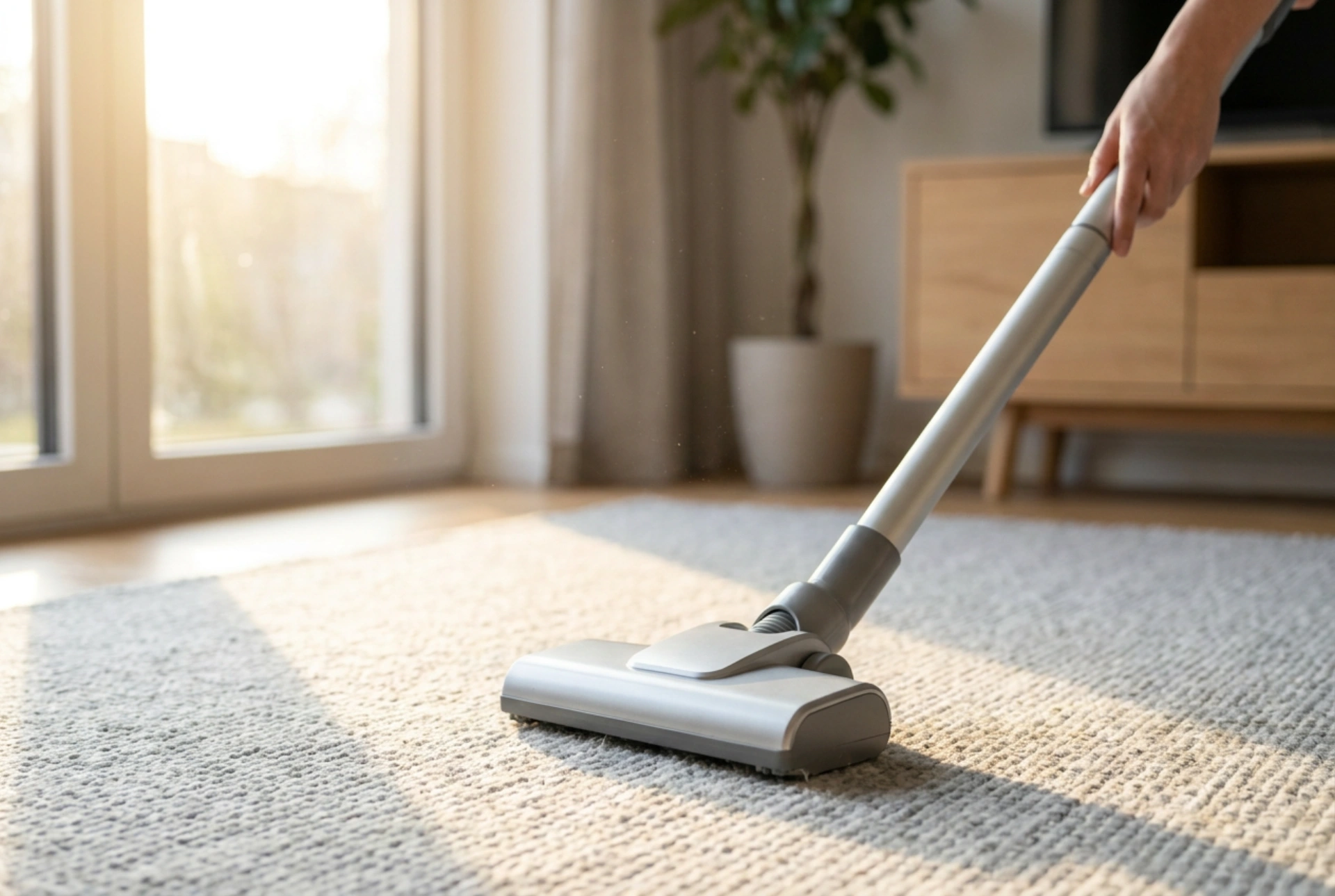
Suction power is not solely a product of motor wattage; it is highly dependent on fluid dynamics at the point of contact with the floor. If a vacuum head does not form an appropriate seal with the surface, ambient air will bypass the carpet pile entirely, rushing in from the sides of the nozzle where resistance is lowest. This bypass instantly drops the effective negative pressure to near zero, leaving deep-seated dirt untouched.
- Nozzle Height Adjustment: Setting the nozzle too high prevents the sealing lips from contacting the carpet, destroying the pressure differential. Setting it too low restricts airflow entirely, choking the motor. Optimal height allows just enough air to slip under the seal to carry the dirt away.
- Airstream Velocity: The velocity of air increases as the channel narrows. Well-designed floor heads utilize narrow channels to accelerate the air right at the floor level, maximizing particle pickup.
- Brush Roll Interaction: While mechanical agitation from a brush roll loosens stubborn fibers, it is the underlying airflow that carries the released particles away. Without high suction, loose dirt simply resettles behind the vacuum head.
System Resistance and the Importance of Filtration Maintenance
Every element in a vacuum cleaner—from the nozzle to the exhaust port—creates aerodynamic resistance. As air flows through the wand, hose, dust bag, and filters, it loses energy. If the system is not maintained, this resistance increases exponentially, severely diminishing the suction power available at the floor surface.
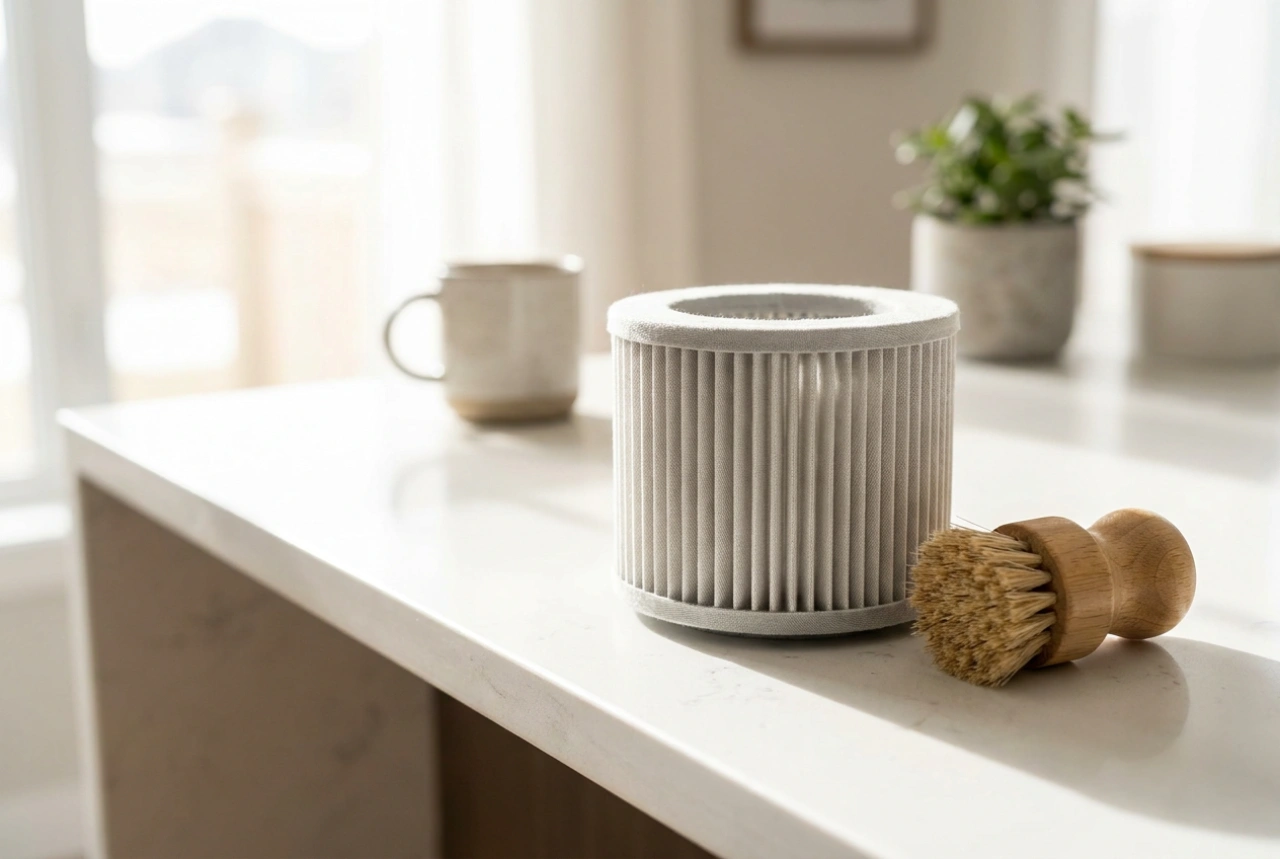
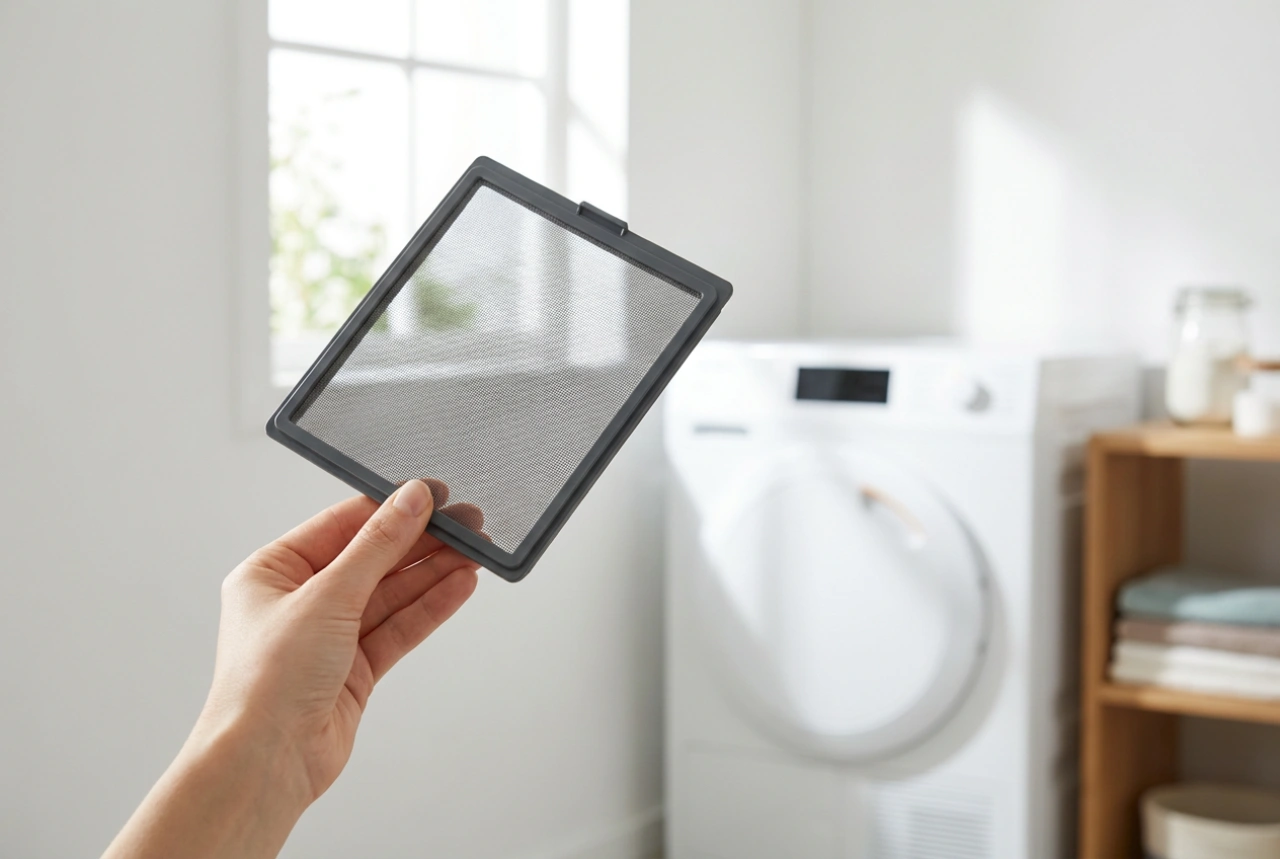
When microscopic dust particles clog the fine pores of a HEPA or foam filter, they restrict the volume of air that the motor can exhaust. This restriction causes the internal pressure to rise, reducing the pressure differential at the nozzle. Regularly washing or replacing filters, clearing obstructions from the hose, and emptying dust bins before they reach their maximum capacity are critical steps to prevent this drop in pressure. Maintaining an unobstructed air pathway ensures that the motor's energy is efficiently converted into effective cleaning power at the floor level.