

Removing embedded pet hair from carpets, sofas, and corner couches requires understanding the physics of fiber friction and static electricity rather than just relying on sheer suction power.
The Physics of Pet Hair Adhesion
Pet hair does not simply lie on top of fabrics; it actively binds to them. This adhesion is driven by two main physical forces: mechanical interlocking and electrostatic attraction. Animal hair possesses microscopic cuticle scales that point outward. When these rough shafts come into contact with woven upholstery fabrics or carpet loops, they act like tiny barbs, anchoring themselves deep within the weave. Furthermore, the constant friction of sitting on a couch or walking across a carpet generates static electricity. This triboelectric effect transfers electrons between materials, creating opposite electrical charges that tightly bind the hair to the synthetic or natural fibers of your furniture.
Utilizing the Triboelectric Effect to Release Hair
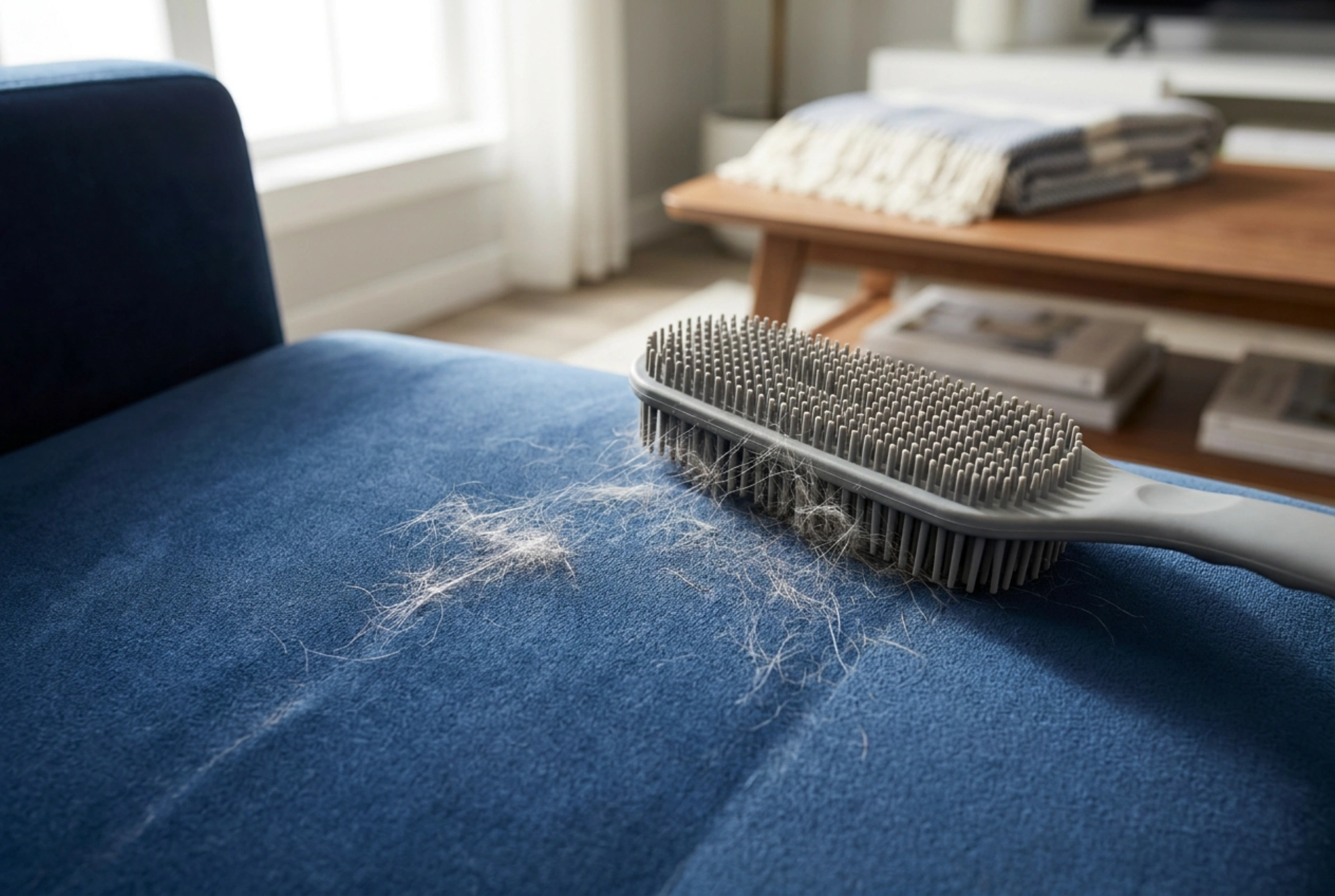
To efficiently extract hair, you must first break this electrostatic bond and dislodge the mechanical lock. Standard vacuum suction alone is often insufficient because it cannot overcome the static cling. Introducing rubber into the cleaning process leverages friction to generate a stronger opposing static charge. When you drag a rubberized tool, squeegee, or even a textured rubber glove across the fabric, the high-friction material grabs the hair shafts and pulls them out of the fabric weave, clumping them together. This mechanical collection is highly effective because rubber has a high coefficient of friction against textile fibers, forcing the embedded cuticles to disengage without damaging delicate upholstery like velvet or chenille.
The Multi-Directional Vacuuming Technique
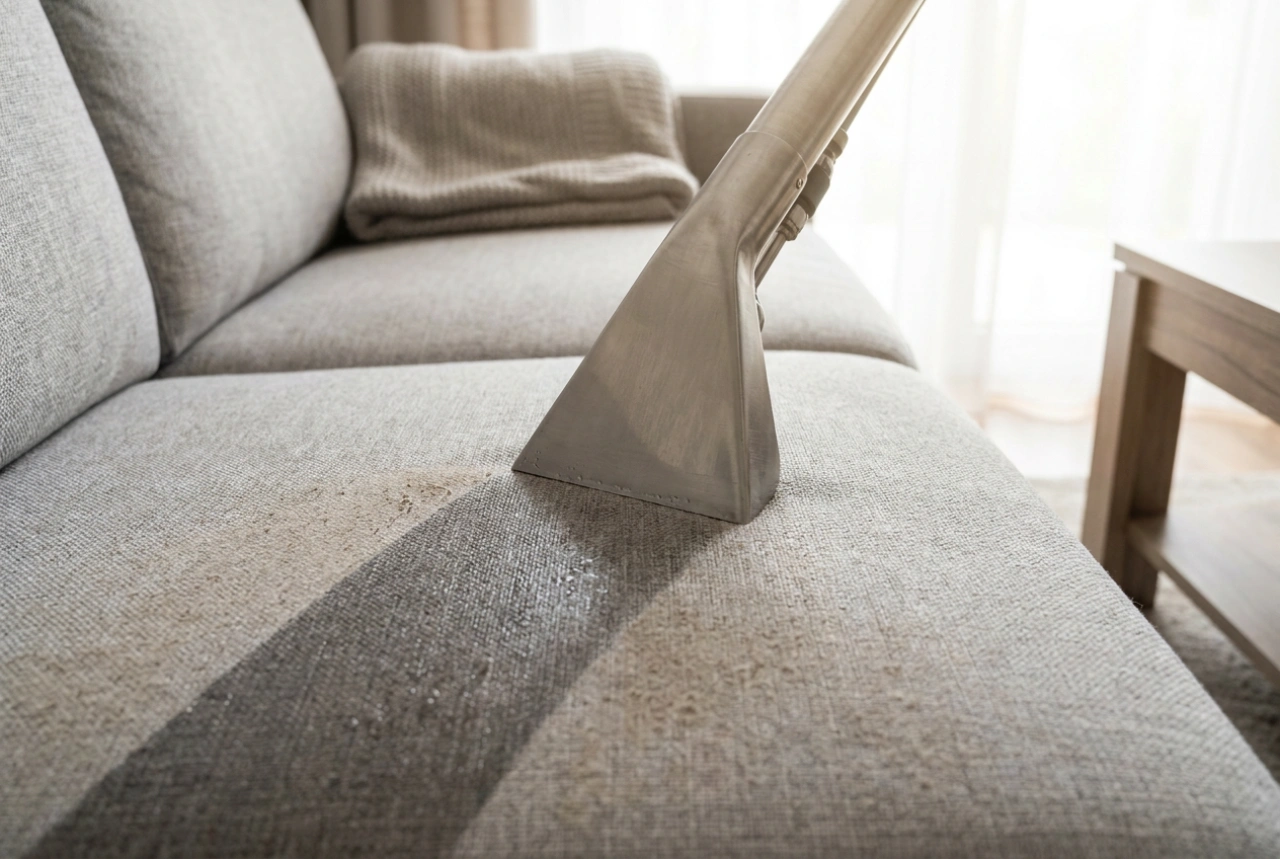
Once the hair is loosened, vacuuming technique determines the success of the extraction. Vacuuming in a single direction merely pushes the carpet pile or upholstery weave over the trapped hair, further burying it. To counteract this, utilize a cross-hatch or grid pattern. Start by vacuuming a section in slow, deliberate strokes moving north-to-south. This lifts the fibers in one direction, exposing one side of the hair shafts. Follow this immediately by vacuuming east-to-west over the same area. This perpendicular motion opens up the fabric weave from the side, allowing the high-velocity airflow of the vacuum cleaner to grab and extract the now-exposed hair. Slow movement is crucial; fast sweeps do not allow enough dwell time for the pressure differential of the vacuum nozzle to pull the hair out of the pile.
Managing Moisture and Static to Prevent Re-attachment
Dry indoor air increases static electricity, making pet hair exceptionally stubborn. To combat this, a very light mist of clean water or a highly diluted fabric softening solution can be sprayed onto the surface before cleaning. The water molecules increase the conductivity of the air and the fibers, rapidly discharging the static electricity. Only a micro-mist should be used; excess moisture will swell natural fibers like wool or cotton, trapping the hair even tighter and risking mold growth. Once the static charge is neutralized, the mechanical barbs of the hair lose their grip, allowing a motorized brush roll or rubberized upholstery nozzle to sweep them up effortlessly.
Optimizing Vacuum Maintenance for Pet Hair
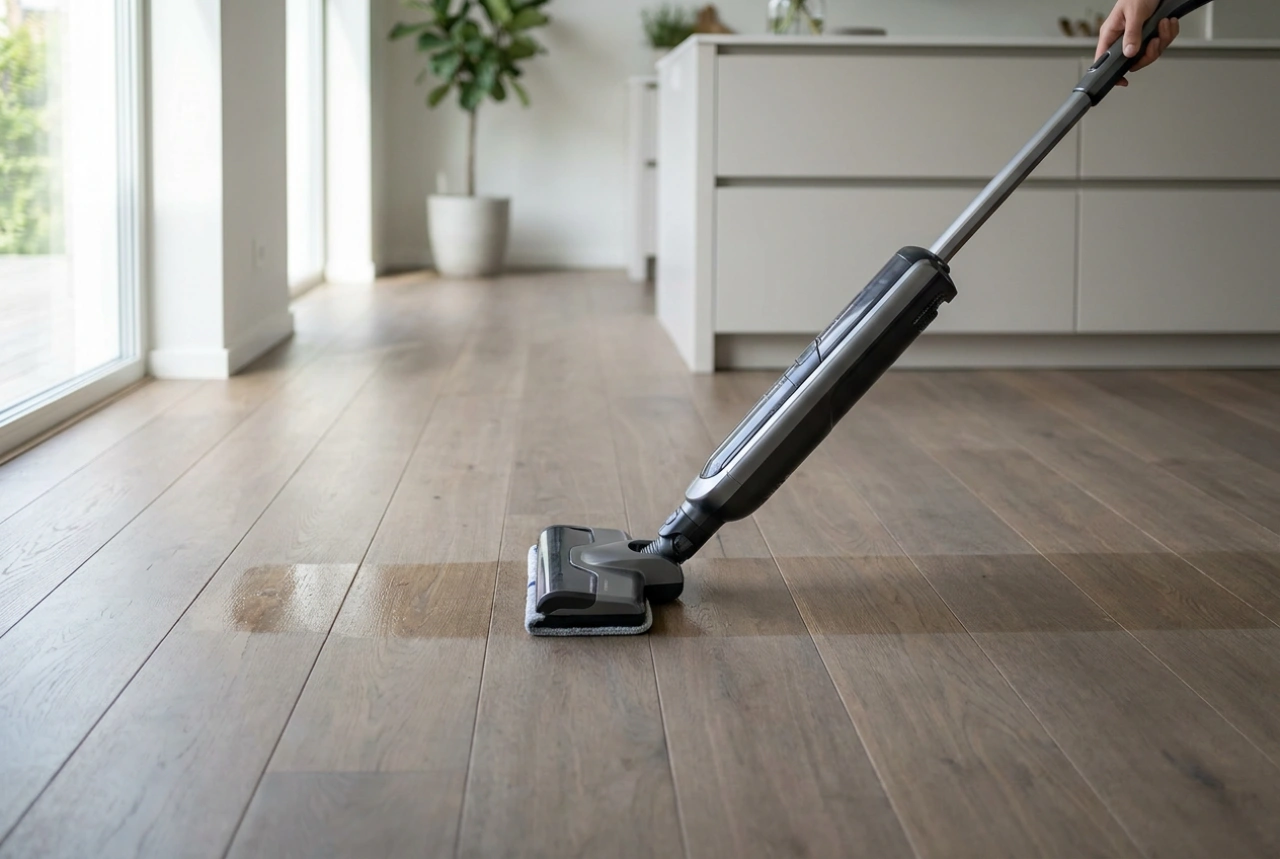
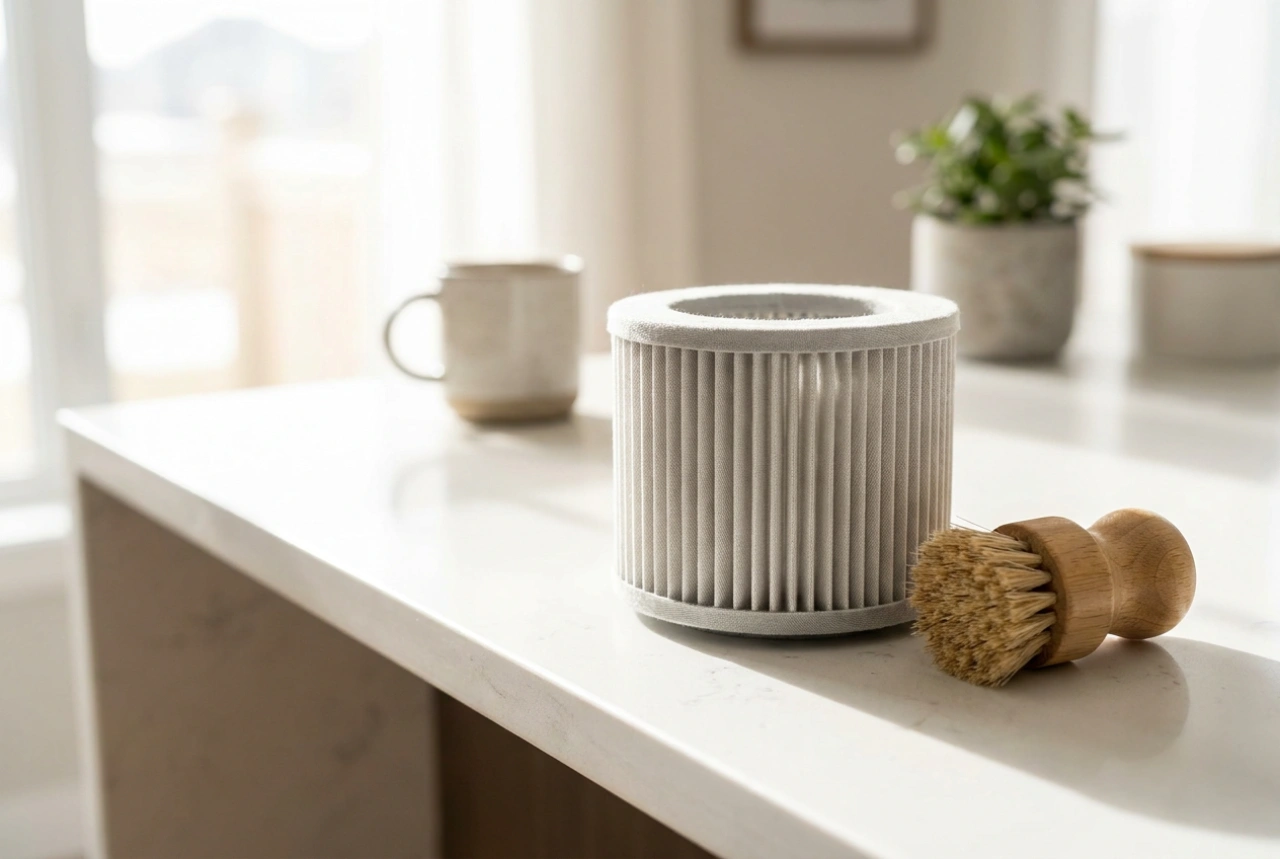
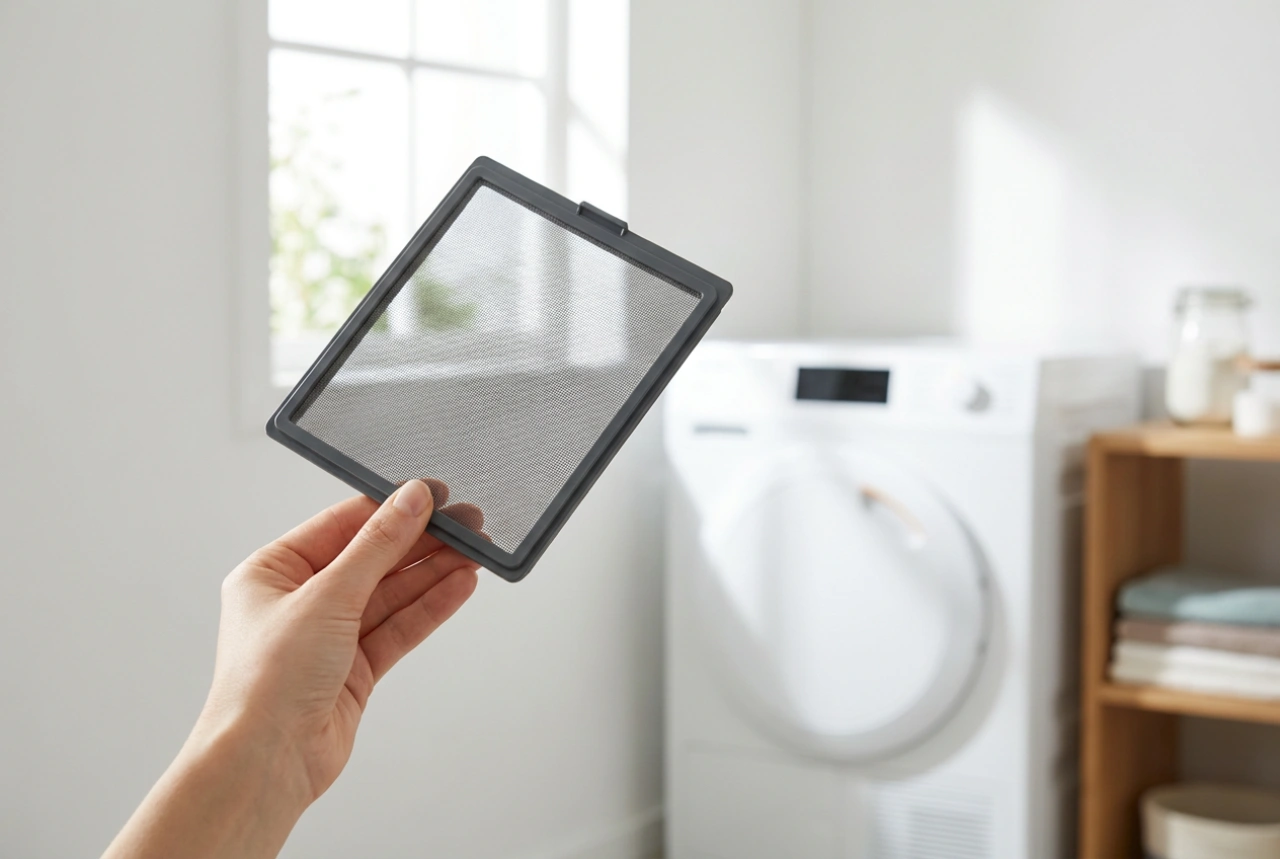
Vacuuming pet hair places a heavy demand on your machine's filtration and airflow dynamics. As fine dander and hair enter the system, they quickly clog standard filters, causing a drop in static pressure. A vacuum cannot lift embedded hair without high static pressure. Regularly washing or replacing the HEPA filters and emptying the canister before it reaches maximum capacity ensures optimal airflow velocity. Additionally, check the brush roll frequently. Wrapped hair restricts the rotation of the bristles, reducing the mechanical agitation required to beat the carpet fibers and lift the embedded hair shafts.