

Managing delicate textiles like cashmere, silk, and fine synthetics in a tumble dryer requires a precise balance of temperature, airflow, and mechanical agitation. Heat pump tumble dryers represent a significant technological leap in fabric preservation, utilising low-temperature thermodynamic cycles to remove moisture without compromising structural integrity.
The Physics of Heat Pump Drying
Unlike conventional vented or condenser dryers that rely on high-energy electrical heating elements, heat pump dryers operate on a closed-loop refrigerant system. This technology works similarly to an air conditioning unit running in reverse. A compressor circulates refrigerant, which absorbs heat from the damp exhaust air, causing the water to condense and drain away. The dry, cool air is then reheated by the condenser coil and recirculated into the drum. Because the thermal energy is constantly recycled, the operating temperature inside the drum remains significantly lower, typically hovering around 50 degrees Celsius compared to the 75 degrees Celsius or higher found in traditional dryers. This lower temperature threshold is critical for preserving delicate organic and synthetic fibres, which are highly susceptible to thermal degradation.
How High Heat Damages Delicate Fibres
To understand why low-temperature drying is essential, one must look at the molecular structure of different textile fibres. Protein fibres like wool, cashmere, and silk are highly sensitive to thermal stress. Wool and cashmere fibres are covered in microscopic scales. When subjected to high heat combined with mechanical friction and moisture, these scales lock together, a process known as felting, which leads to irreversible shrinkage. Silk, composed of fibroin protein, loses its natural tensile strength and lustre when exposed to extreme heat, becoming brittle and prone to tearing.
Synthetic elastomers, such as elastane or spandex, are often blended into modern garments to provide elasticity. These polyurethane-polyurea copolymers degrade rapidly under high thermal stress. The polymer chains break down, causing the fabric to lose its recovery memory, resulting in permanently stretched-out clothes. Cellulosic fibres, including rayon, viscose, and modal, have low wet-strength. High heat during the drying phase causes rapid, uneven moisture loss, leading to severe fiber distortion, surface pilling, and warping of seams.
Optimising Your Heat Pump Dryer for Fine Garments
While the heat pump mechanism inherently protects fabrics, achieving optimal results requires careful control of cycle parameters and loading techniques. Modern heat pump appliances utilise electronic moisture sensors, usually conductive metal strips situated near the lint filter, to measure the electrical resistance of the wet laundry load. As the garments dry, the resistance increases, signaling the microchip to terminate the cycle before over-drying occurs. To protect delicates, always select a damp dry or iron dry setting. This leaves approximately 10 to 12 percent residual moisture in the fabric, allowing the fibres to naturally relax and cool at room temperature, preventing the static charge and fibre brittleness associated with zero-percent moisture states.
Friction is the secondary driver of textile wear. When drying delicates, ensure the drum features bi-directional rotation. This prevents the garments from twisting into a tight rope, which traps high humidity in the core while exposing the outer layers to excessive friction. Additionally, always place highly sensitive items, such as embellished lace or fine knits, inside a mesh laundry bag. This acts as a physical barrier, absorbing the impact of the stainless-steel drum perforations and reducing mechanical abrasion.
The Correct Order of Operations for Delicate Care
- Sort by Weight and Composition: Never mix heavy denim or garments with heavy metal zippers with lightweight cashmere or silk. The kinetic energy of heavy brass zippers tumbling against delicate wool fibres will cause micro-tears and fabric pull.
- Pre-Dry Shake: Gently shake out each garment before loading. This aligns the warp and weft yarns, allowing uniform warm airflow through the weave and minimizing drying time.
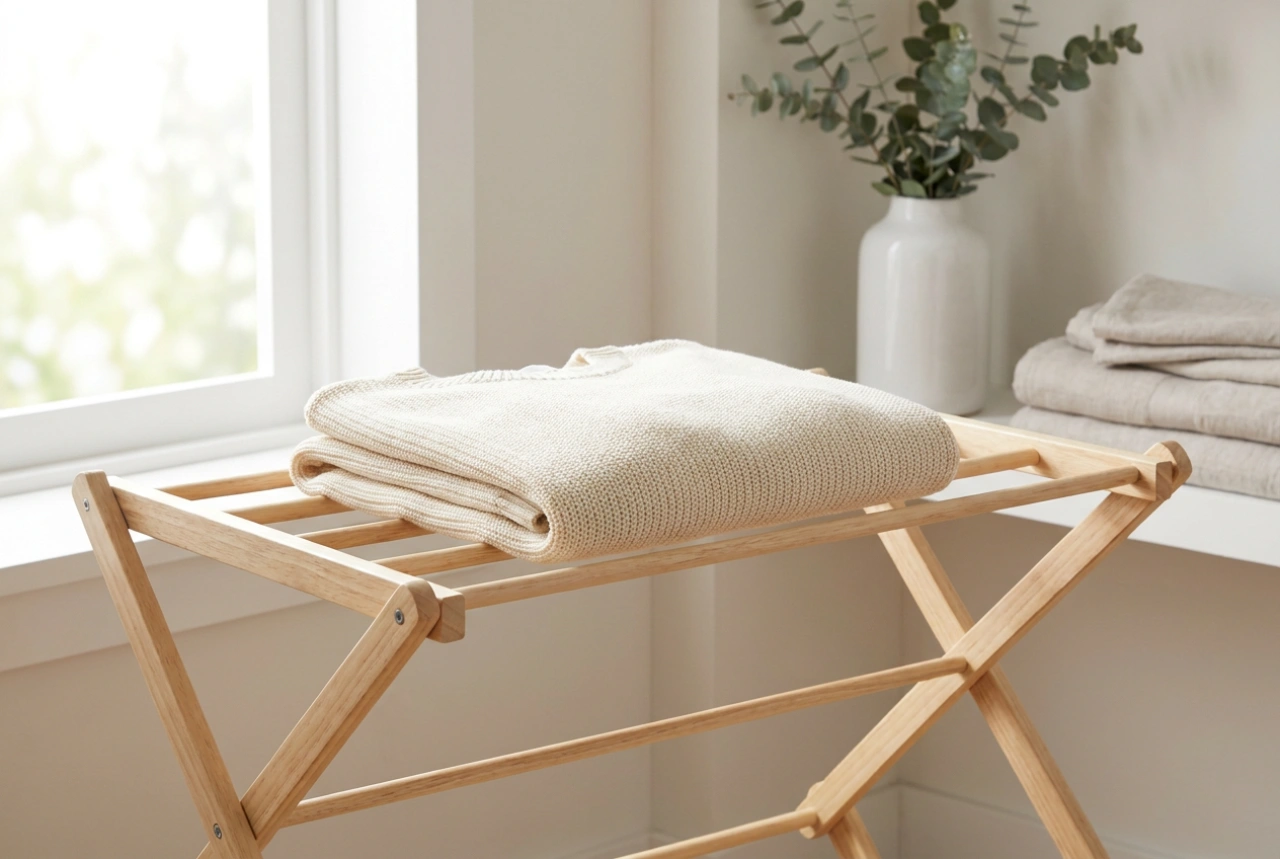
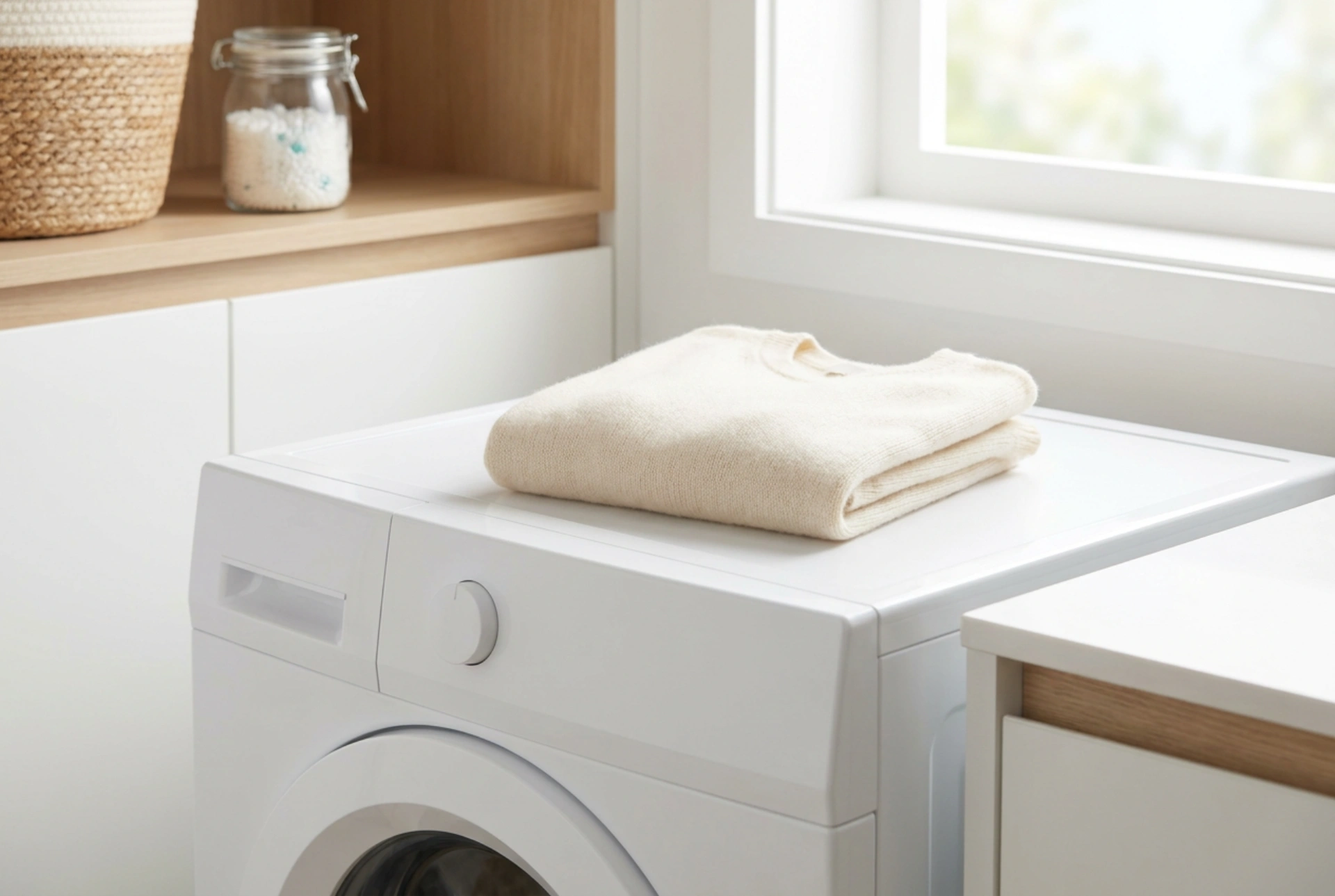
- Post-Cycle Relaxation: Remove delicate garments immediately once the cycle ends. Lay them flat on a clean, dry, horizontal surface to allow any remaining humidity to evaporate naturally. This prevents gravity-induced stretching that occurs when hanging damp garments.