

To keep your central vacuum system operating at peak efficiency, you must understand the balance between airflow and static pressure within its sealed network. Unlike portable vacuums, a central system relies on a complex run of hidden pipes where even a minor drop in pressure can significantly degrade suction power at the inlet valves.
The Science of Suction: Airflow vs. Static Pressure
A central vacuum works by creating a partial vacuum inside the main power unit. This pressure differential forces air, carrying dust and debris, through the wall inlets and piping. If there is a restriction anywhere in the system—whether a clogged filter, a leaking inlet gasket, or a partial pipe blockage—the airflow velocity drops. According to fluid dynamics, as airflow slows down, the heavier debris settles inside the horizontal pipe runs rather than reaching the canister. Over time, this settlement creates a compounding blockage, further starving the motor of cooling air and reducing suction to a fraction of its original capacity.
Filter Maintenance and Canister Hygiene
How you handle dust collection depends entirely on whether your system uses a cyclonic separator, a disposable bag, or a cartridge filter. For bagged and filtered systems, pore blockage is the primary enemy of suction.
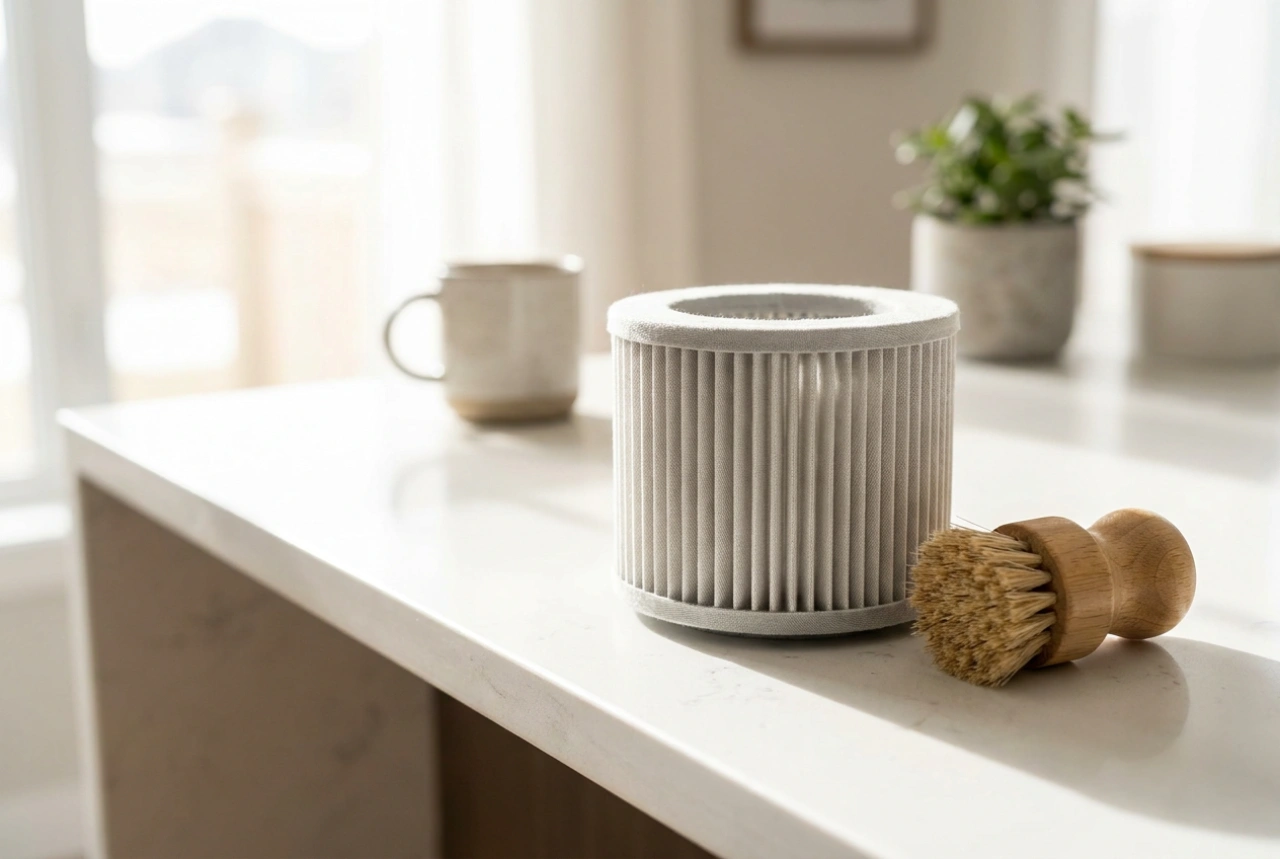
- Inverted or Cartridge Filters: Fine dust, especially gypsum or masonry dust, quickly coats the filter fibres, blinding the micro-pores. Clean these by gently tapping them inside a rubbish bag to dislodge the cake. Do not wash paper filters; water expands the cellulose fibres, permanently reducing airflow once dry.
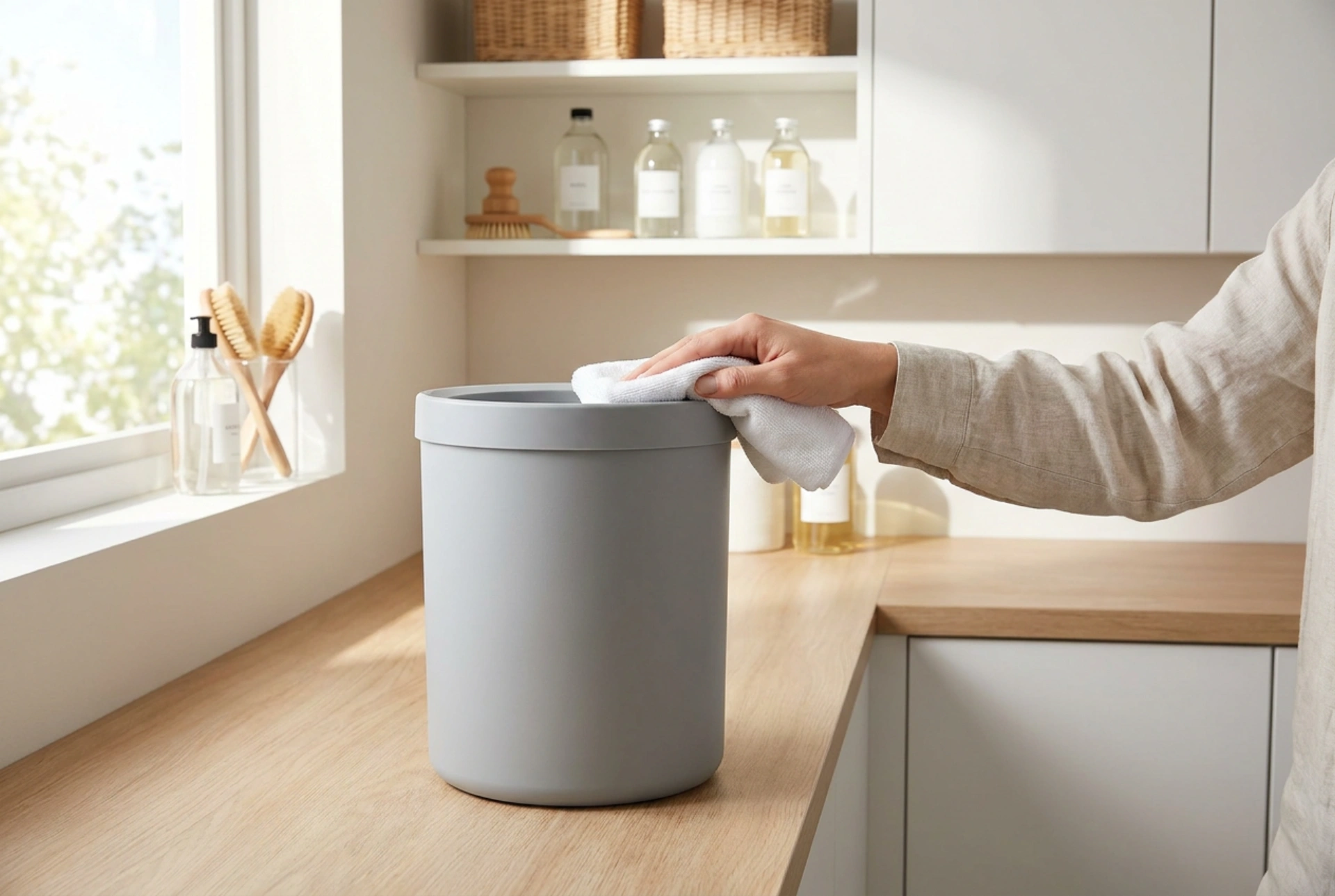
- Cyclonic Separators: While these do not have traditional filters to clog, they rely on a clean, smooth interior surface to maintain the cyclonic vortex. Clean the walls of the canister with a microfibre cloth dampened with water and a drop of mild dishwashing liquid to remove static charge. A static charge on the plastic canister walls can cause fine dust to cling, disrupting the vortex aerodynamics.
- Disposable Bags: Replace bags when they are two-thirds full. Allowing them to overfill forces the motor to push air through a highly compacted mass of debris, straining the motor.
Maintaining Inlet Valve Seals
The wall inlets are the gateway to your piping network. Each inlet contains a rubber gasket designed to seal the opening when the hose is not inserted. Over time, these gaskets dry out, crack, or become fouled with dust, allowing ambient air to seep into the system. This leakage acts as a pressure relief valve, lowering the vacuum level throughout the entire house. Inspect these seals annually. Wipe them with a damp cloth to remove grit and apply a tiny amount of silicone-based lubricant to keep the rubber pliable. Never use petroleum jelly, as it degrades natural rubber seals over time.
Clearing and Preventing Pipe Blockages
If you notice a sudden drop in suction at only one inlet, the issue is localised to that specific branch. If the suction is weak everywhere, the blockage is either near the power unit or the filter is completely choked. To clear a suspected partial clog safely without calling a technician or using dangerous tools:
- The Reverse Airflow Method: If you have a secondary utility inlet near the power unit, you can plug the weak inlet, then use a standard portable vacuum hose to draw air backward from the blocked inlet, pulling the debris back out the way it entered.
- Avoid Chemical Solvents: Never use liquid drain cleaners or harsh chemical solvents to clear a blockage. These chemicals can melt or weaken the PVC piping and degrade the glue holding the joints together, leading to catastrophic system leaks behind your walls.
- Say No to Construction Dust: Never vacuum up plaster dust, flour, or cold fireplace ash. These ultra-fine particles bypass the separation stage, coating the motor filters instantly and potentially bypassing them entirely to damage the motor bearings.
Routine Maintenance Schedule
Establish a regular routine to ensure your system remains in top condition. Every three to six months, empty the canister and clean the filters. Every twelve months, inspect the inlet valves for airtightness and check the exterior exhaust vent for obstructions, such as bird nests or lint buildup. By keeping the airways clear and the seals tight, you preserve the precise pressure differential required for deep cleaning.