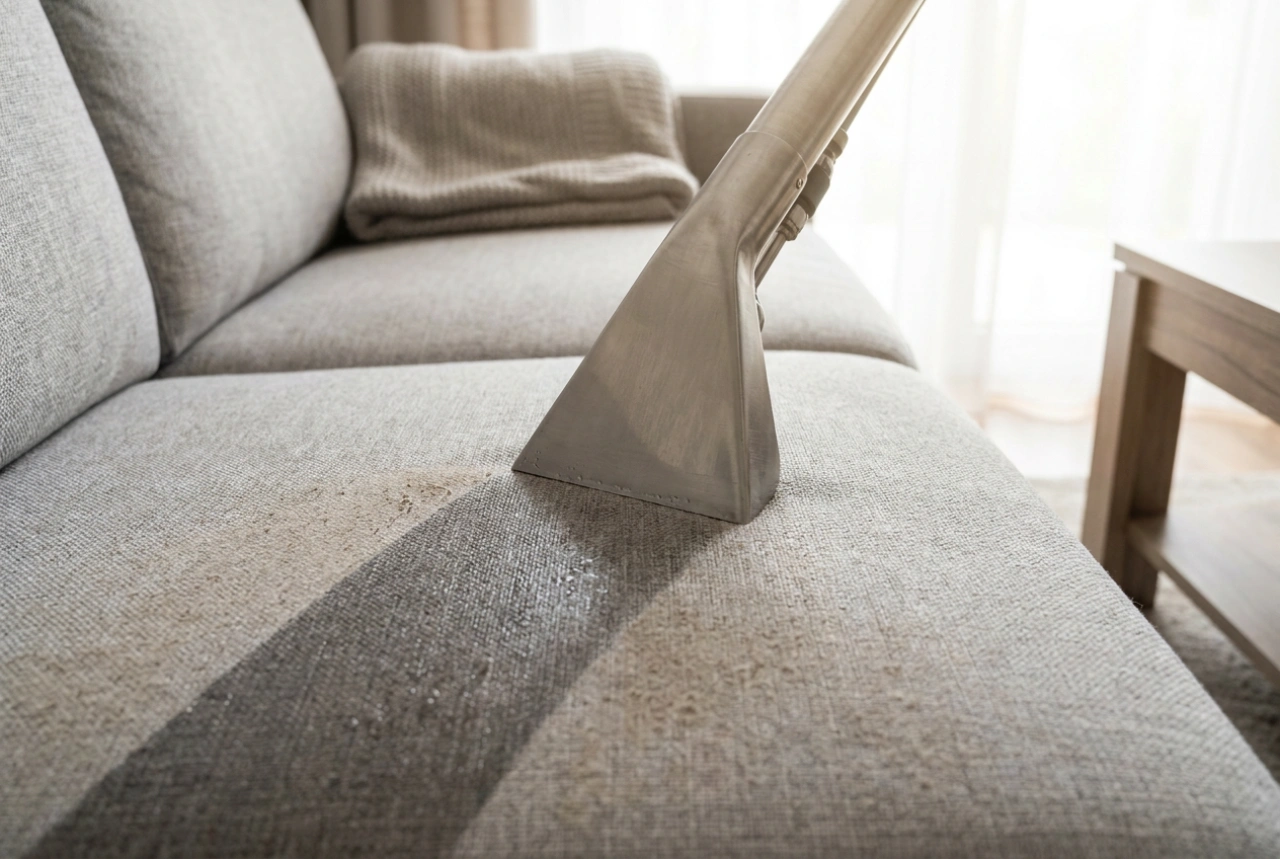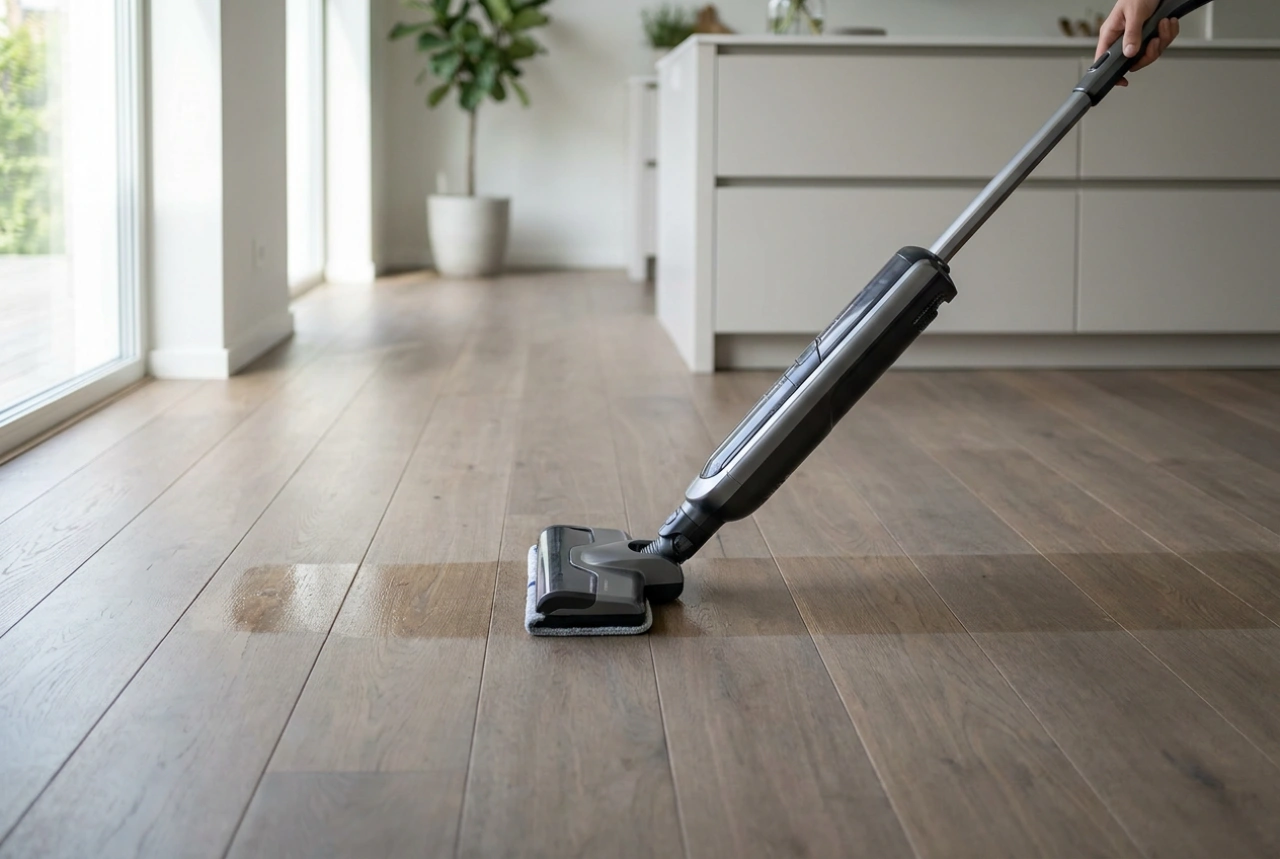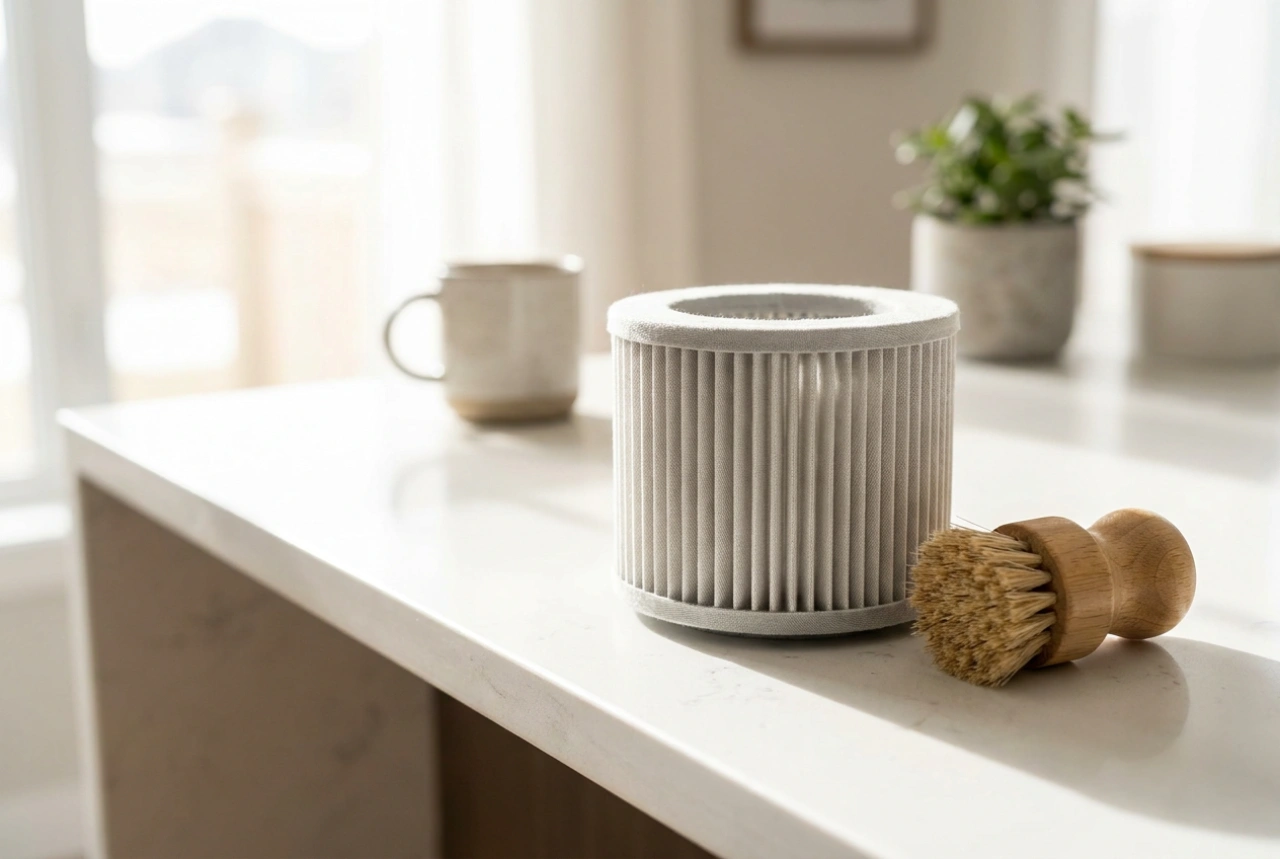


Preparing your living space before running a robot vacuum and mop is essential to prevent navigation errors, protect your delicate surfaces, and ensure deep, streak-free cleaning. By systematically clearing physical obstacles and managing moisture levels, you allow the device’s sensors and cleaning pads to work at peak efficiency.
Optimising the Floor Space for Sensor Navigation
Modern cleaning robots rely on a suite of sensors to map and navigate your home. These typically include LiDAR (Light Detection and Ranging), optical cameras, and infrared cliff sensors. For these systems to calculate the most efficient cleaning path, you must minimise physical chaos. Loose cables, charging cords, and thin toy pieces represent major hazards. When a side brush encounters a loose cable, the rotational torque easily wraps the wire around the brush assembly, stalling the motor or dragging delicate electronics off tables.
Another critical aspect is the clearance under furniture. Measure the height of your sofas, cabinets, and beds against the height of your robot (especially the raised LiDAR turret on top). If the clearance is within a millimetre of the robot's height, it can wedge itself under the furniture, causing physical scratches and battery drain as the drive wheels lose traction trying to break free. Use physical risers to elevate furniture slightly, or set up virtual keep-out zones in your application to prevent the robot from entering these tight spaces.
The Science of Mopping: Friction, Water, and Surfactants
Unlike manual mopping, where you can apply significant downward force, a robot mop relies on a consistent, lighter pressure (often between 5 and 20 Newtons) combined with the capillary action of a microfibre pad. Because the scrubbing action is limited, heavy, dried-on stains like syrup or grease should be pre-treated. Dampen these stubborn spots with a drop of warm water to soften them before the robot begins its run; otherwise, the spinning or vibrating pad will simply smear the residue across a larger surface area.
The choice of cleaning solution is also vital for both the machine's longevity and the finish of your floor. Always avoid high-foaming detergents and wax-based polishes. High foam creates air pockets in the internal water pump, leading to dry running and pump failure. Furthermore, soapy residues reduce the friction between the rubber drive wheels and the wet floor, causing the robot to slip, lose its orientation, and leave curved track marks. Opt for highly diluted, neutral-pH surfactants specifically designed for automated dispensers to ensure streak-free evaporation.
Protecting Textiles and Moisture-Sensitive Materials
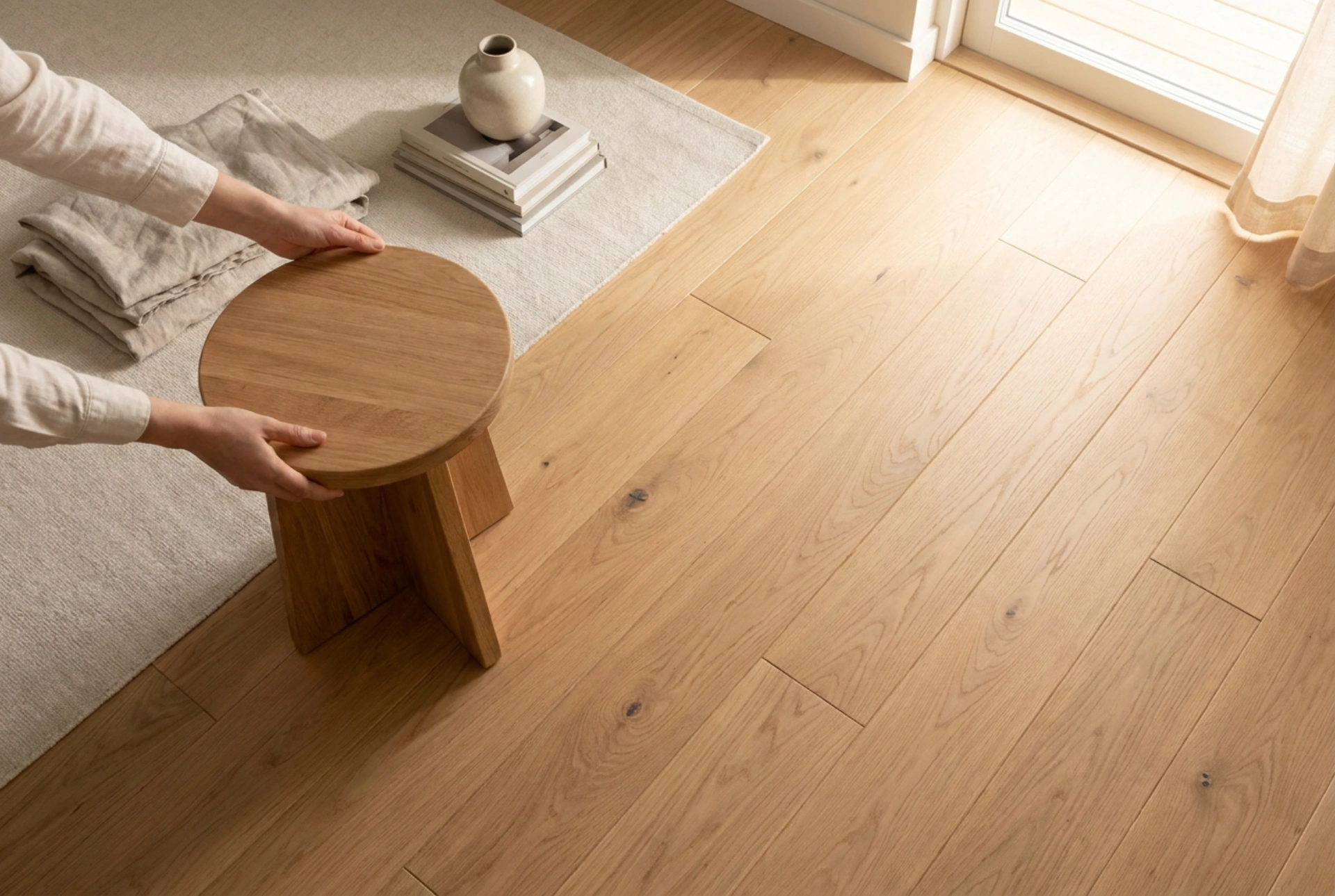
Wood floors, particularly unsealed oak or laminate, are highly susceptible to moisture damage. If water penetrates the joints, the wood fibres swell, leading to warping and buckling. To protect these surfaces, always install the plastic protective mat that accompanies the charging dock. This prevents a wet microfibre pad from sitting in direct contact with your wood floor for hours after a cleaning cycle completes.
Rugs and carpets require deliberate management. While some advanced robots can lift their mop pads when detecting carpet via ultrasonic sensors, others cannot. For machines without auto-lifting mechanisms, you must define virtual 'no-mop zones'. Additionally, long carpet fringes (longer than 2 cm) must be tucked underneath the rug. The rotating main brush of the vacuum will catch these loose threads, pulling them into the roller housing and potentially tearing the rug fibres or overheating the vacuum motor.
Pre-Run Checklist for Maximum Cleaning Efficiency
To get the absolute best performance from each cleaning cycle, perform this quick physical prep routine:
- Elevate dining chairs: Place chairs on top of the table or move them to a cleared area. This drastically reduces the number of complex geometric obstacles the robot has to navigate around, saving up to 20% of its battery life.
- Clear lightweight rugs: Thin, lightweight bathmats or doormats lack the mass to stay in place; the robot will often push them around, bunching them up into obstacles it cannot climb over.
- Secure drapes and bed skirts: Ensure that long curtains or bedding do not hang flat on the floor. Optical and infrared sensors often interpret hanging fabric as a solid wall, leaving the floor underneath uncleaned.
- Inspect the hardware: Check that the water reservoir is filled with clean, lukewarm water, the dustbin is empty, and the microfibre cloth is clean and pre-dampened to initiate capillary flow immediately.