

Small, lightweight vacuum cleaners are not just downsized versions of standard models; they serve a specific structural role in maintaining home hygiene by tackling localized debris before it integrates into textiles or floor finishes. Understanding the ergonomics, airflow dynamics, and specific zones where these compact devices excel allows for a highly efficient, preventative cleaning routine.
The Physics of Spot Cleaning: Preventing Particle Abrasion
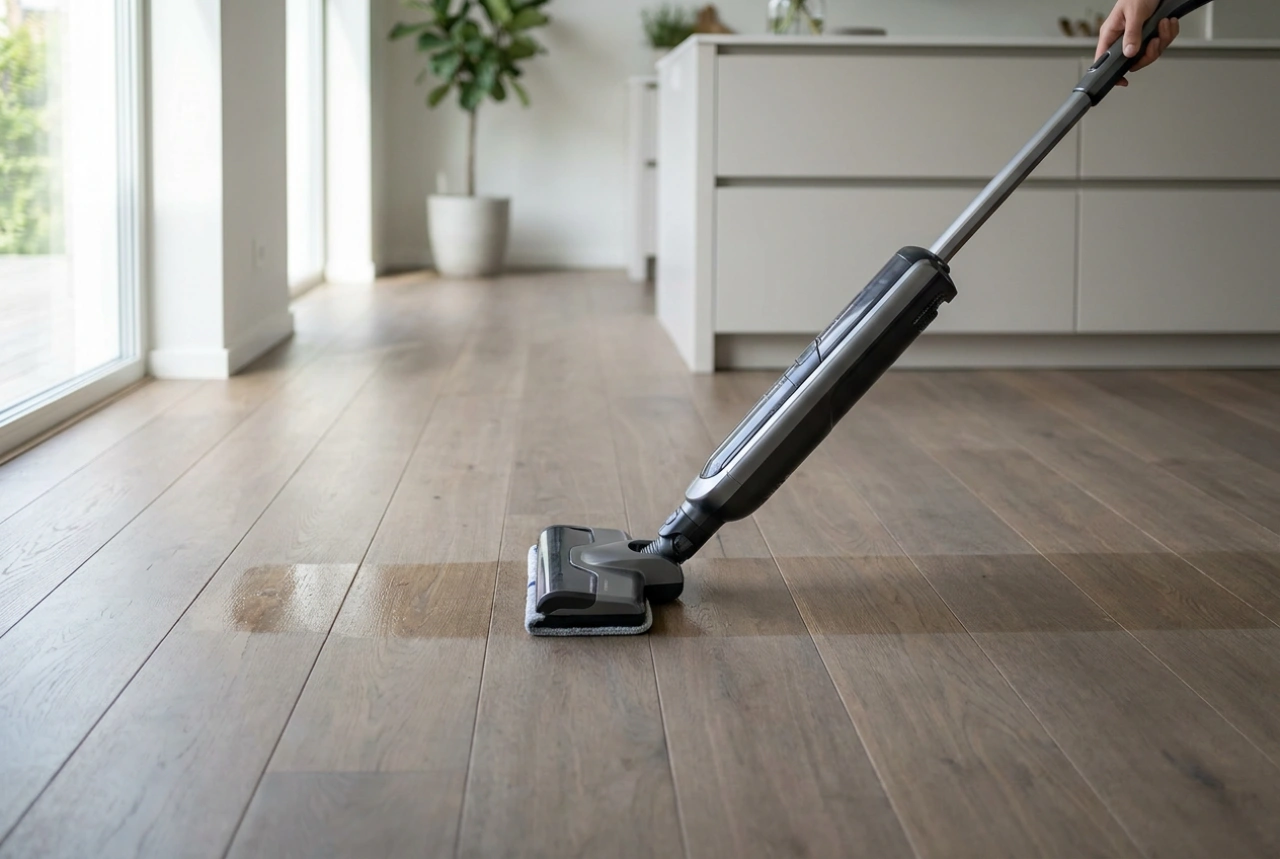
Large-scale vacuuming is typically a weekly chore, but soil accumulation is a continuous, daily process. When mineral particles like silica and sand are tracked onto floors, they act as micro-abrasives under the pressure of foot traffic. Every step grinds these sharp-edged particles into wood finishes or cuts through carpet fibres. A compact vacuum cleaner excels at immediate intervention, capturing these abrasive particles before they are pushed deep into the floor matrix.
The efficiency of a small vacuum lies in its high static pressure. By utilizing a smaller intake nozzle, these devices compress the incoming airflow. According to fluid dynamics, narrowing the passage increases the velocity of the air. This rapid airflow creates a powerful pressure differential that lifts heavy, dense particles like sand or dry soil with minimal power consumption compared to bulkier machines.
Entryways and High-Traffic Transition Zones
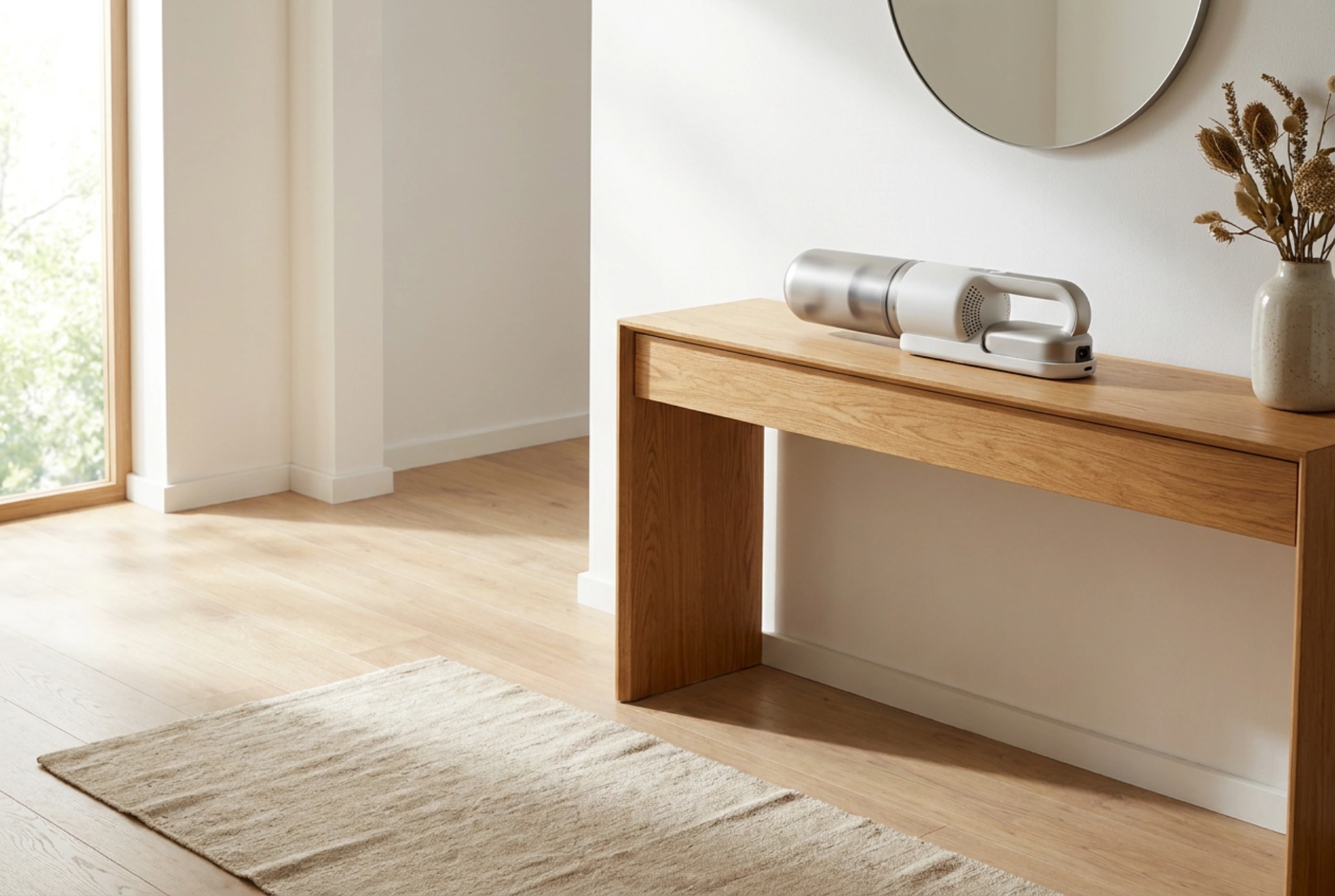
The entryway is the primary barrier between external contaminants and your home's indoor environment. Organic matter, pollen, and road dust settle within the first two metres of a doorway. Utilizing a small handheld vacuum stored near the entrance allows for a quick, three-step routine: clearing the threshold, cleaning the transition mat, and dusting adjacent storage surfaces like console tables.
By keeping the device easily accessible in these zones, you can execute targeted cleaning immediately after entry. This prevents the transfer of outdoor pollutants deeper into the living spaces, significantly reducing the load on your main HVAC filters and reducing the frequency of deep-cleaning cycles.
Upholstery, Crevices, and the Science of Textile Care
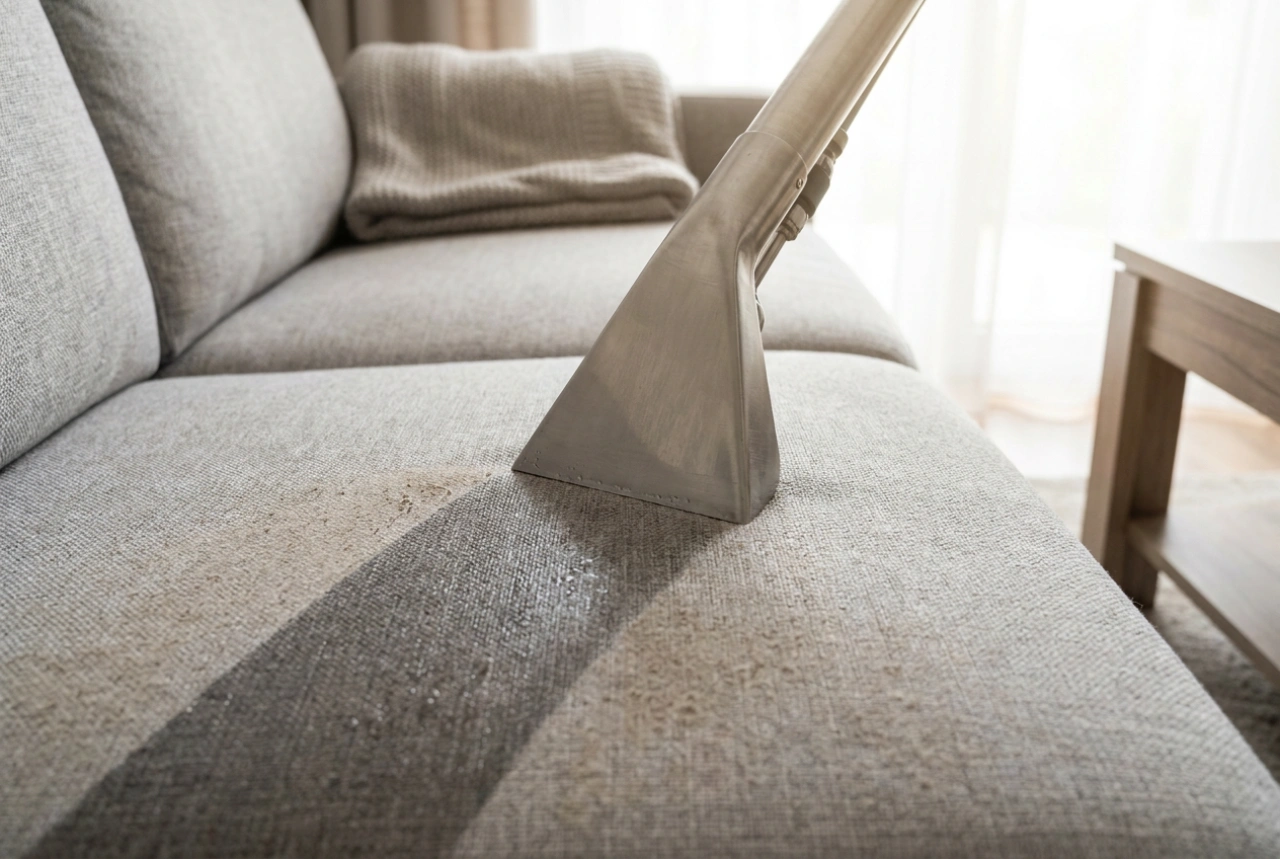
Sofas, armchairs, and car seats are prone to accumulating dead skin cells, pet dander, and food crumbs. These organic materials quickly become food sources for dust mites and bacteria if left undisturbed. Large vacuum cleaner nozzles are often too wide to navigate the complex contours of upholstery, losing suction due to air leaks at the edges of the attachment.
A compact vacuum equipped with a crevice tool or a small motorized brush bar solves this by concentrating suction. The brush bar mechanically agitates the textile fibres, releasing statically charged dust and hair, while the narrow nozzle maintains a tight seal against the fabric. This targeted suction ensures deep extraction of allergens from seams and tufts without stretching or damaging delicate weave patterns.
Kitchen Counters and Dry Spill Management
In kitchen environments, dry spills such as coffee grounds, flour, spices, or salt are common occurrences. Wiping these fine powders with a wet sponge or microfiber cloth often creates a paste, pushing the residue into tile grout lines or wood grain. This can lead to staining or provide a breeding ground for mould in high-humidity zones.
Using a lightweight vacuum to lift dry spills before any liquid introduces moisture is the most effective protocol. The dry air stream lifts particles cleanly from textured countertops and drawer interiors without altering their physical state. This preserves the integrity of sealants on natural stone or wooden surfaces and prevents the micro-abrasions caused by dragging hard particles across polished countertops with a cloth.
Optimising Airflow: Maintenance and Technique
To maximize the utility of a small vacuum, proper technique and regular maintenance are essential. When vacuuming, maintain a 45-degree angle to the surface; this balance allows the airflow to sweep under the debris while keeping the nozzle close enough to sustain high negative pressure. Avoid pressing the nozzle flat against non-porous surfaces, as this chokes the airflow and can cause the motor to overheat.
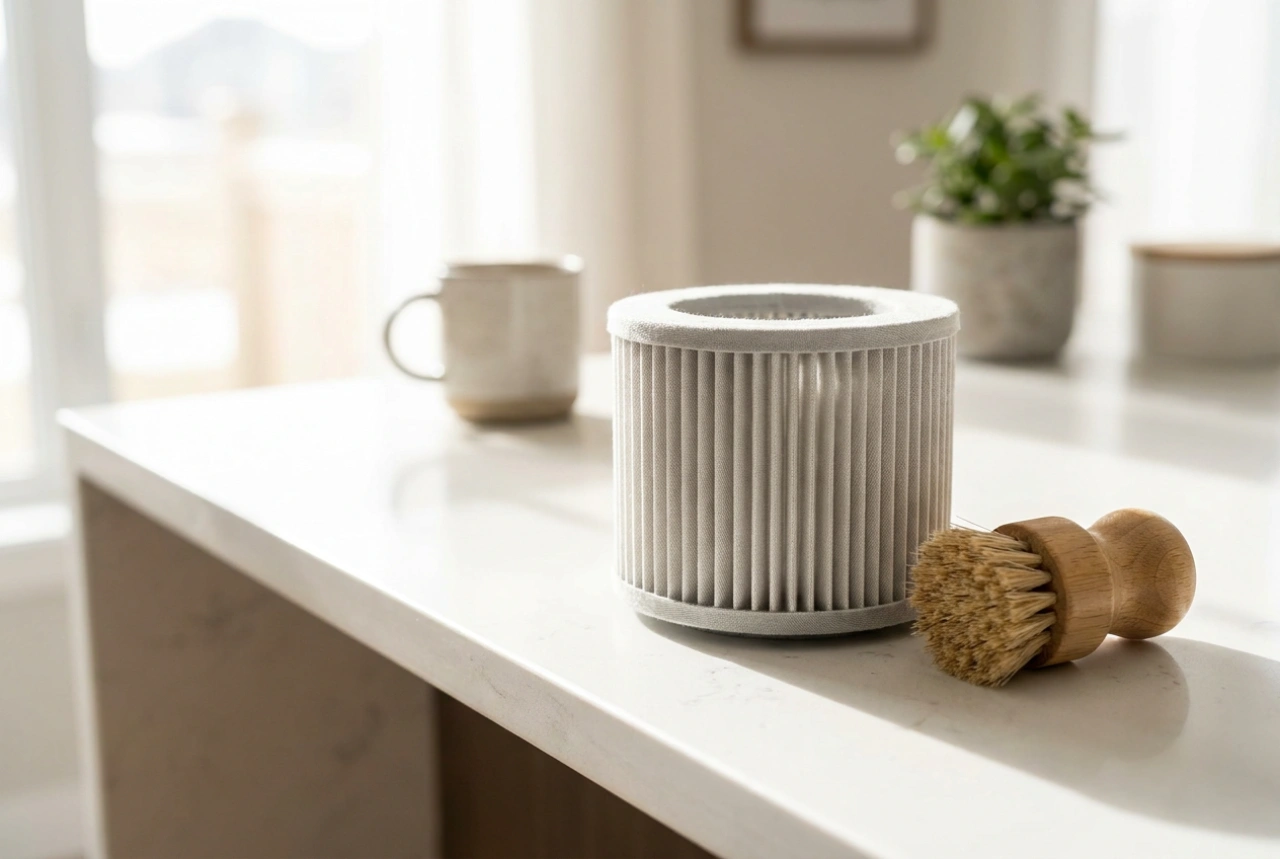
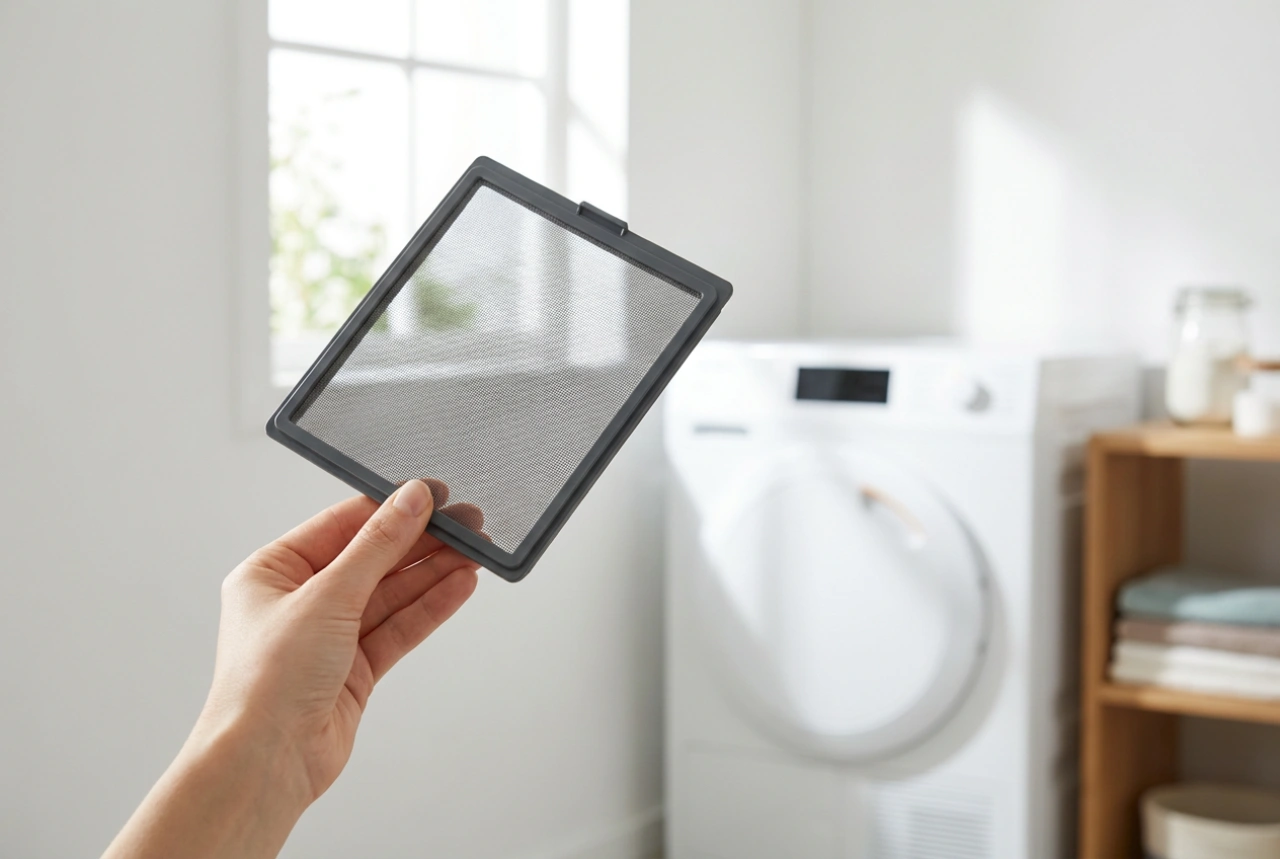
Because compact vacuums have smaller dust receptacles and filters, their performance degrades quickly as they fill. Empty the collection chamber after every major use to maintain maximum airflow. Clean the primary mesh and HEPA filters at least once a month by tapping out loose dust or washing them under cold water, ensuring they are completely dry before reinsertion. This prevents microbial growth inside the dark, warm chamber of the vacuum.