

Hanging laundry outside is more than just a way to save energy; it is a physical and chemical process that, when executed correctly, naturally sanitizes fabrics and preserves their structural integrity. Understanding how solar radiation, atmospheric humidity, and airflow interact with different fibers allows you to maintain vibrant colours and prevent the stiff, rough texture often associated with line drying.
The Chemistry of Sunlight: Bleaching vs. Disinfection
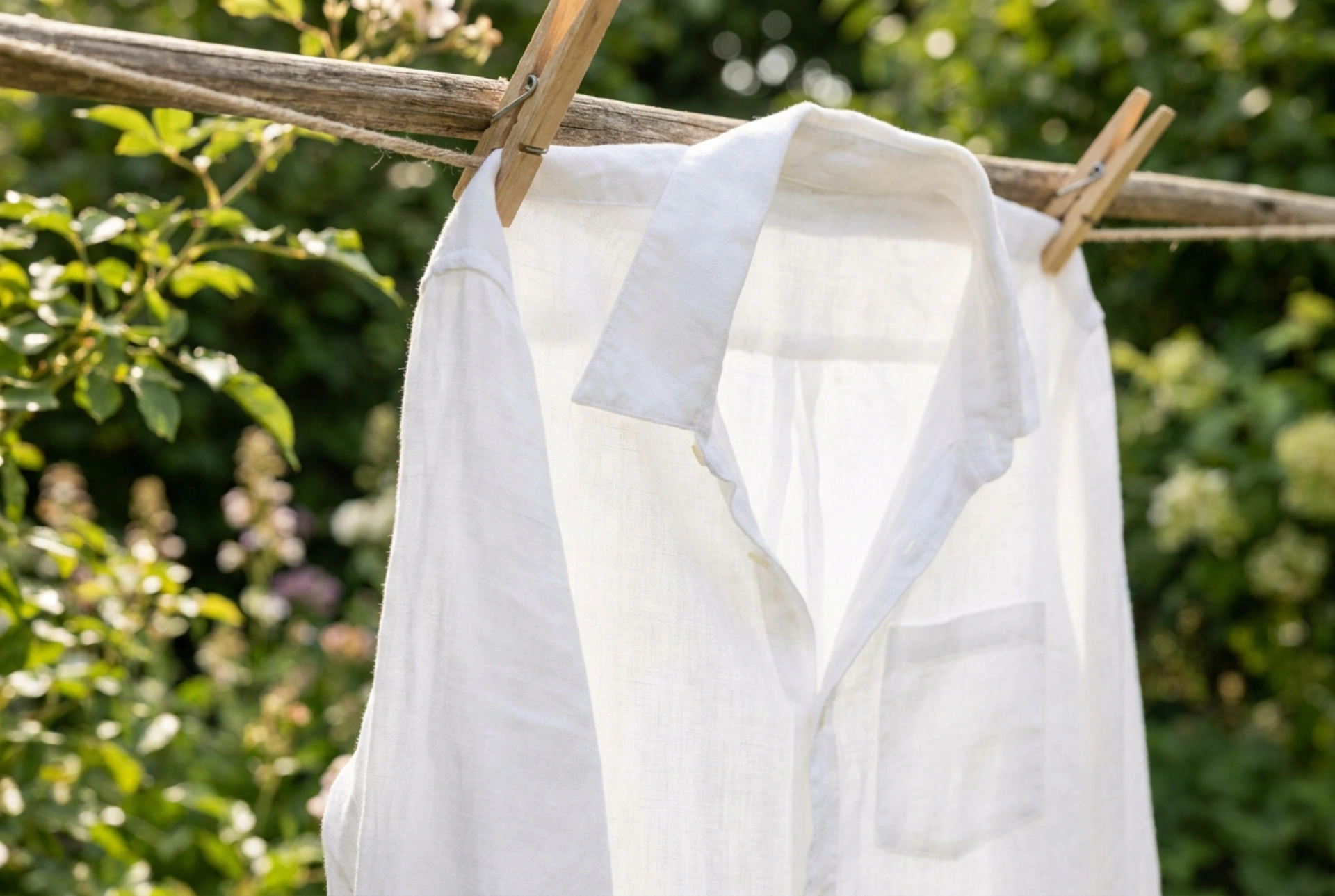
Direct sunlight contains ultraviolet (UV) radiation, which acts as a powerful natural disinfectant. UV light penetrates damp fabrics and disrupts the cellular structure of bacteria and fungal spores, effectively eliminating the microorganisms responsible for musty, damp odors. This makes outdoor drying highly beneficial for white sheets, towels, and cotton underwear.
However, this same UV radiation triggers a process called photodegradation in coloured fabrics. The energy from UV rays breaks the chemical bonds in chromophores—the molecules responsible for giving dyes their colour. When these bonds are severed, the dye loses its ability to absorb and reflect light correctly, resulting in faded garments. To harness the sanitizing power of the sun without sacrificing colour vibrancy, follow these strategic practices:
- Turn garments inside out: This ensures that any inevitable photodegradation occurs on the interior surface of the fabric, leaving the visible exterior intact.
- Zoning your clothesline: Reserve the sunniest sections of the line for white linens, cottons, and light-coloured towels. Hang darks, bright colours, and delicate synthetics in shaded areas or under the canopy of trees where airflow is still abundant but direct UV exposure is minimized.
Maximizing Airflow and Managing Humidity
The rate of drying is determined by the rate of evaporation, which relies on temperature, relative humidity, and kinetic air movement. When water evaporates from fabric, it creates a micro-climate of high humidity immediately surrounding the garment. Without adequate airflow, this barrier of moist air stalls the drying process, leaving clothes damp for hours and encouraging bacterial growth.
To optimize evaporation, clotheslines should ideally be positioned perpendicular to the prevailing wind. This alignment allows air currents to pass freely between the garments, continuously sweeping away the moisture boundary layer. Leave a minimum gap of five to ten centimetres between items on the line. Overcrowding slows down air circulation, while strategic spacing utilizes natural convection to dry fabrics quickly and evenly.
Fiber Physics: Preventing the "Cardboard" Effect
A common complaint with outdoor line drying is that fabrics, particularly cotton and linen, emerge feeling stiff and rough. This stiffening is caused by the formation of hydrogen bonds between cellulose microfibrils as the water evaporates. When wet fabric dries in completely stagnant, hot air, these bonds lock the fibers into a rigid structure.
To prevent this stiffness, physical agitation is required during the drying process. A gentle breeze acts as a mechanical softener, flexing the fabric fibers as they dry and preventing the hydrogen bonds from freezing into a rigid matrix. If you are drying laundry on a calm, windless day, you can manually simulate this by vigorously shaking out each wet item before hanging it. This simple action aligns the fibers and releases tension, ensuring a softer finish once dry.
Fiber-Specific Guidelines
Different textile compositions require specific drying configurations to prevent physical distortion and damage:
- Cotton and Linen: These robust plant fibers can tolerate direct sunlight well (if white) and benefit from being hung by their sturdiest seams—such as the waistband of trousers or the bottom hem of shirts—to minimize stretching.
- Synthetics (Polyester, Nylon, Acrylic): These fibers are hydrophobic and dry rapidly. However, they are highly sensitive to heat and UV degradation, which can weaken the polymer chains and cause yellowing. Always dry synthetics in the shade.
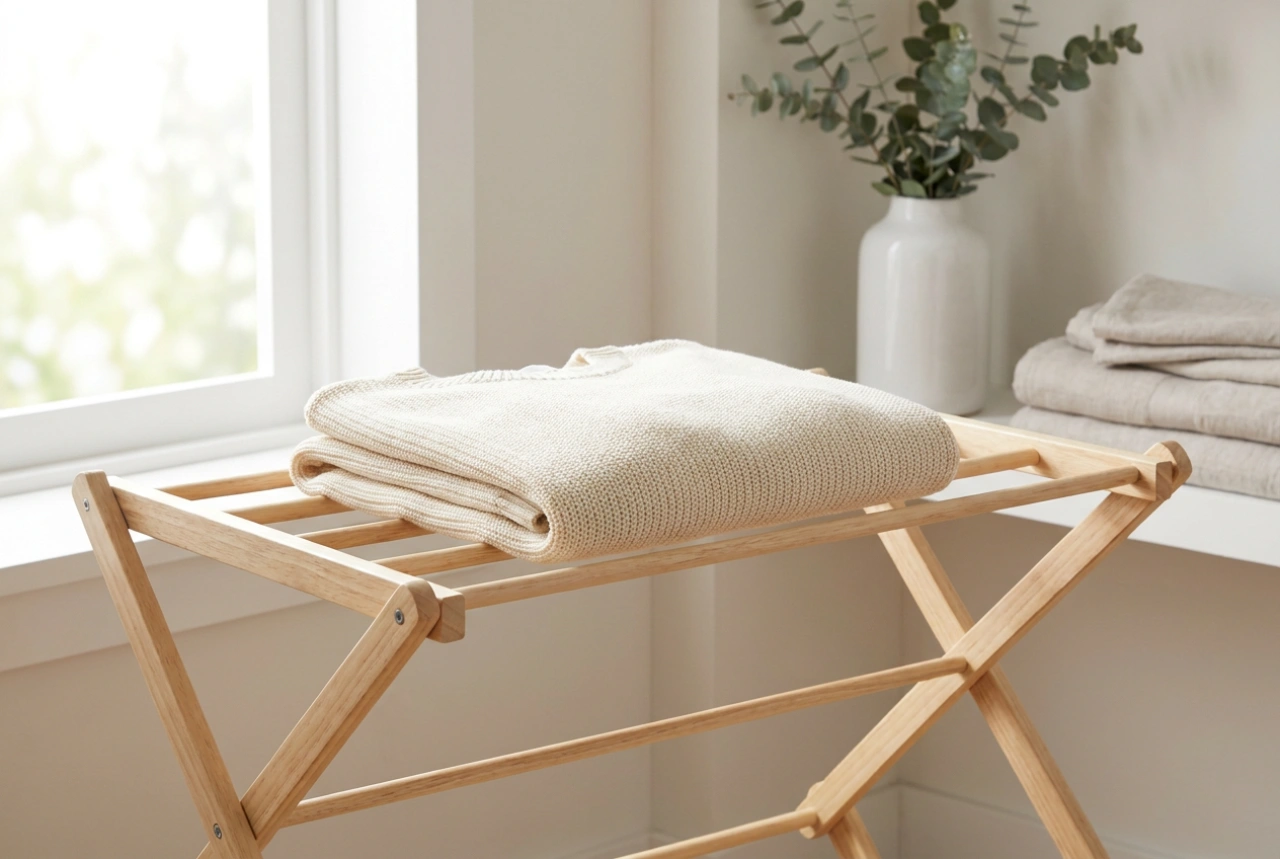
- Wool and Silk: Protein-based fibers are highly fragile when wet. Heavy garments like wool sweaters should never be hung vertically, as the weight of the water will stretch the fibers permanently. Instead, dry them flat on a clean, horizontal drying rack positioned in a shaded, well-ventilated area.
Peg Selection and Placement Dynamics
The physical stress exerted on wet garments can cause localized stretching, fiber distortion, and unsightly peg marks. When wet, fibers are in a highly plastic state, making them prone to retaining the shape of whatever compresses or stretches them. To minimize this, use wide, soft-grip pegs that distribute pressure evenly over a larger surface area rather than sharp, narrow wooden pegs.
Always anchor garments at their strongest points of construction. For shirts, pin them to the line at the underarm seams or hang them directly on heavy-duty, wide-shouldered plastic hangers secured to the line. For trousers and skirts, attach them by the waistband. This allows gravity to pull the fabric straight down along its natural grain, reducing wrinkles and eliminating the need for high-temperature ironing later, which further protects the fabric fibers from thermal damage.