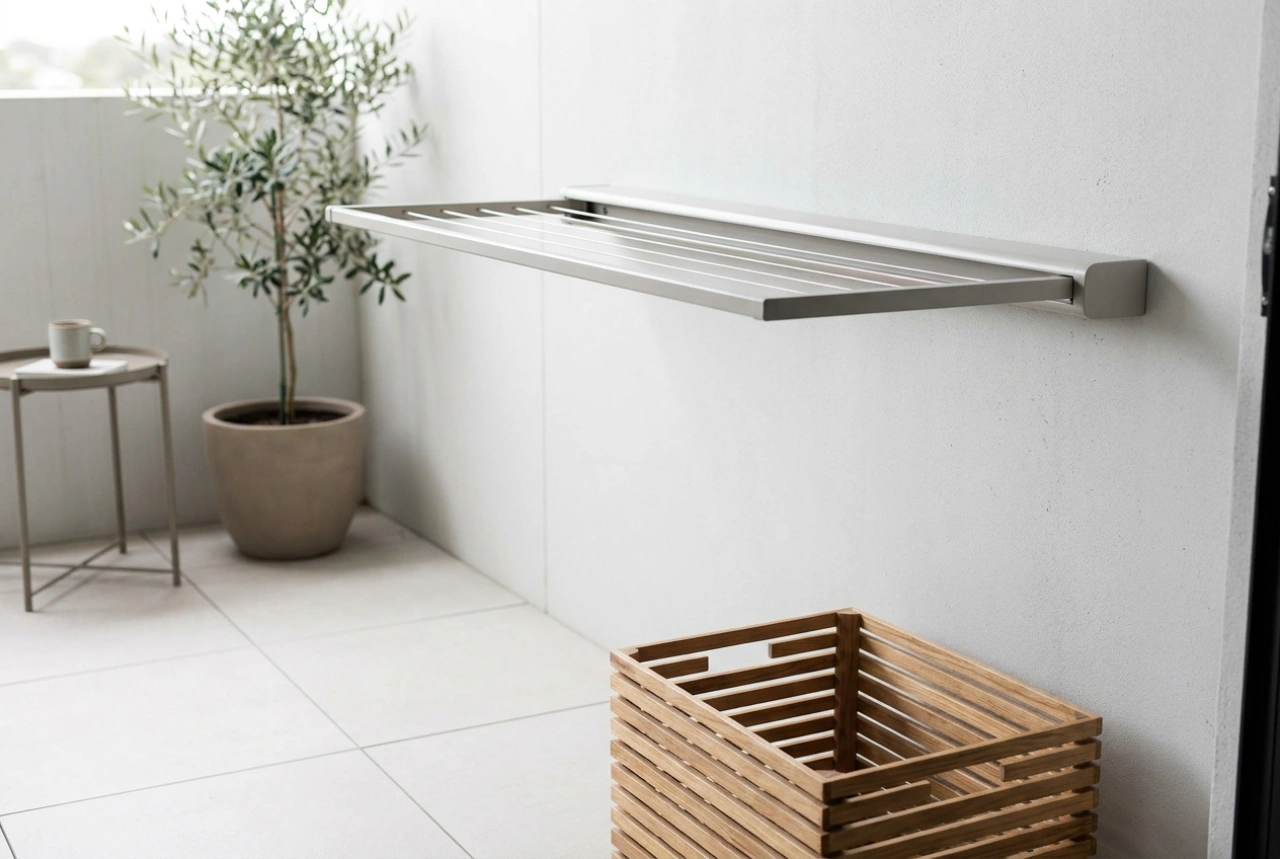


Electric heated drying racks offer an efficient, energy-saving alternative to tumble dryers, but their direct contact heat requires precise technique to prevent delicate fabrics from shrinking, warping, or scorching.
The Physics of Direct Heat Transfer on Fabrics
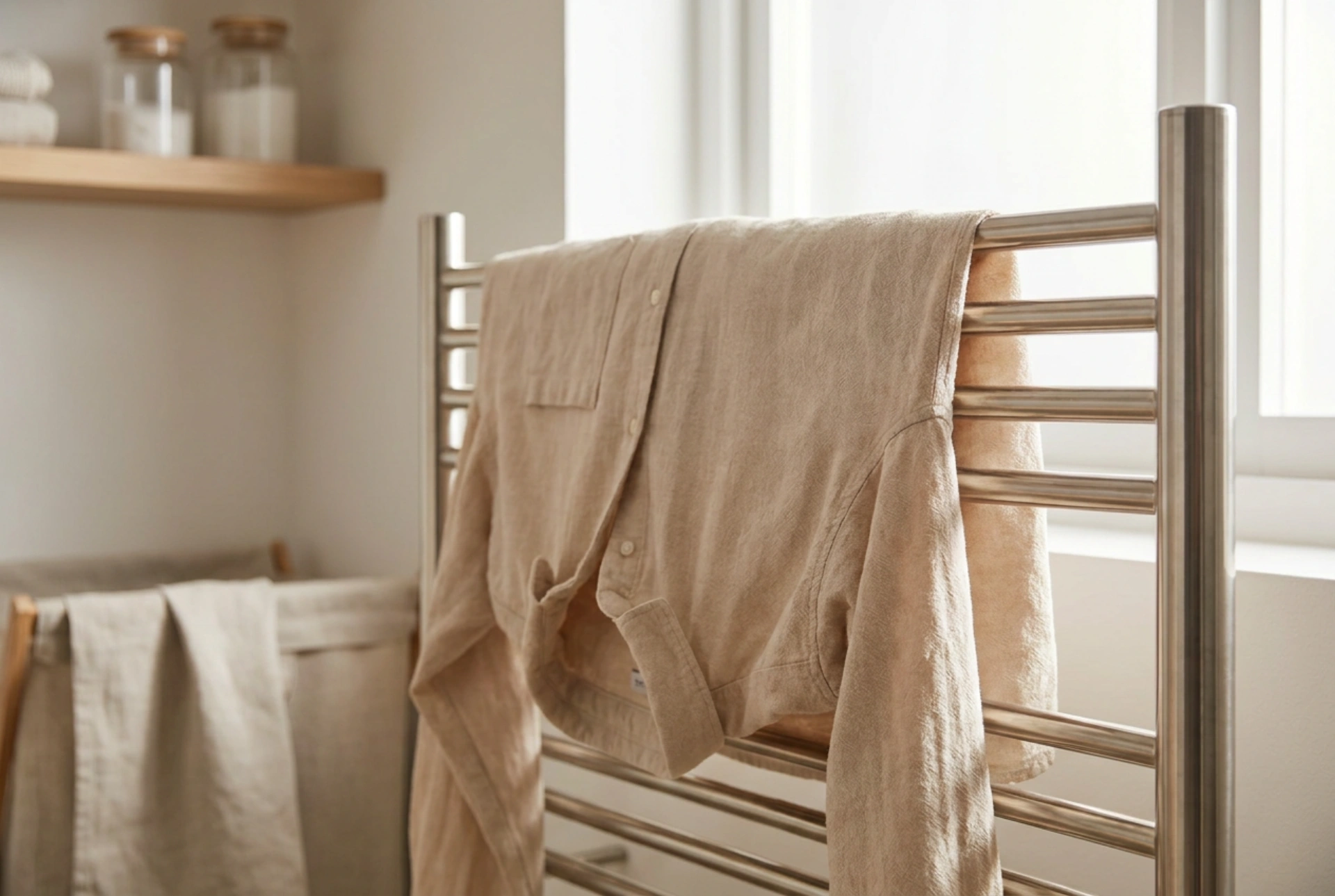
Unlike tumble dryers that use circulating hot air to suspend and dry garments, an electric drying rack relies on conduction. Heat transfers directly from the aluminum or steel bars into the wet fibers. When water inside the fabric absorbs this thermal energy, it evaporates. However, because the heat source is localized, the areas of the garment touching the rails dry significantly faster than the suspended parts. This uneven drying rate can cause tension within the fibers. Natural materials like wool, silk, and fine cotton are highly sensitive to thermal gradients. If left stationary for too long, the fibers in contact with the hot metal can contract rapidly, leading to localized shrinkage or permanent structural distortion.
Temperature Management and Fiber Protection
Most electric drying racks operate at a surface temperature of 45°C to 55°C. While this is safe for robust synthetics and heavy cottons, delicate elastane fibers (commonly found in underwear and stretch lace) can degrade at sustained temperatures above 40°C. High heat causes polyurethane-based fibers to lose their elasticity, leading to saggy garments. To protect these materials, always place a dry, thin cotton towel over the heated rails before laying your delicates down. This buffering layer diffuses the concentrated heat, converting direct conduction into a gentler, more uniform convective heat. This technique ensures that your delicate garments dry via warm air rising through the towel rather than direct contact with the hot metal.
The Art of Structural Positioning
How you arrange your garments on the rack determines how well they retain their original shape. Never hang heavy, wet woolens or delicate knits vertically over a single rail; the weight of the water pulling downward will stretch the shoulder seams and distort the hem. instead, practice flat drying. Lay the garment horizontally across several bars, utilizing the top surface of the rack. For structural items like bras or shaped camisoles, avoid draping them by their straps. The heat will accelerate the degradation of the elastic in the straps under tension. Instead, lay them flat with the cups resting upward to maintain their molded shape.
Optimizing Airflow and Moisture Evaporation
Drying is not just about heat; it requires effective moisture removal. As water evaporates from the damp clothing, a layer of cold, humid air settles directly above the garments, slowing down further evaporation. To break this microclimate, position your electric rack in a well-ventilated room, preferably near an open window or an active ventilation register. Alternatively, placing a standard household fan on its lowest setting several meters away will create a gentle cross-breeze. This continuous airflow carries the saturated air away from the drying rack, significantly accelerating the drying process without the need to increase the heat.
Safety Precautions and Maintenance
Operating an electrical appliance in close proximity to wet textiles requires strict adherence to safety protocols. Never overload the rack or drape garments in a way that completely covers the heating element joints or the power switch housing. Ensure that garments are thoroughly spun in the washing machine before placing them on the heated rack; dripping water must never come into contact with the electrical cord, plug, or internal heating elements. After each cycle, wipe down the cool rails with a dry microfiber cloth to remove any laundry detergent residue, which can become baked onto the metal over time and transfer onto your clean clothes during subsequent uses.