

Choosing the right robotic helper for your home requires understanding your floor types, lifestyle, and the physical principles of dust collection.
The Mechanics of Dust and the Limits of Mop Plates
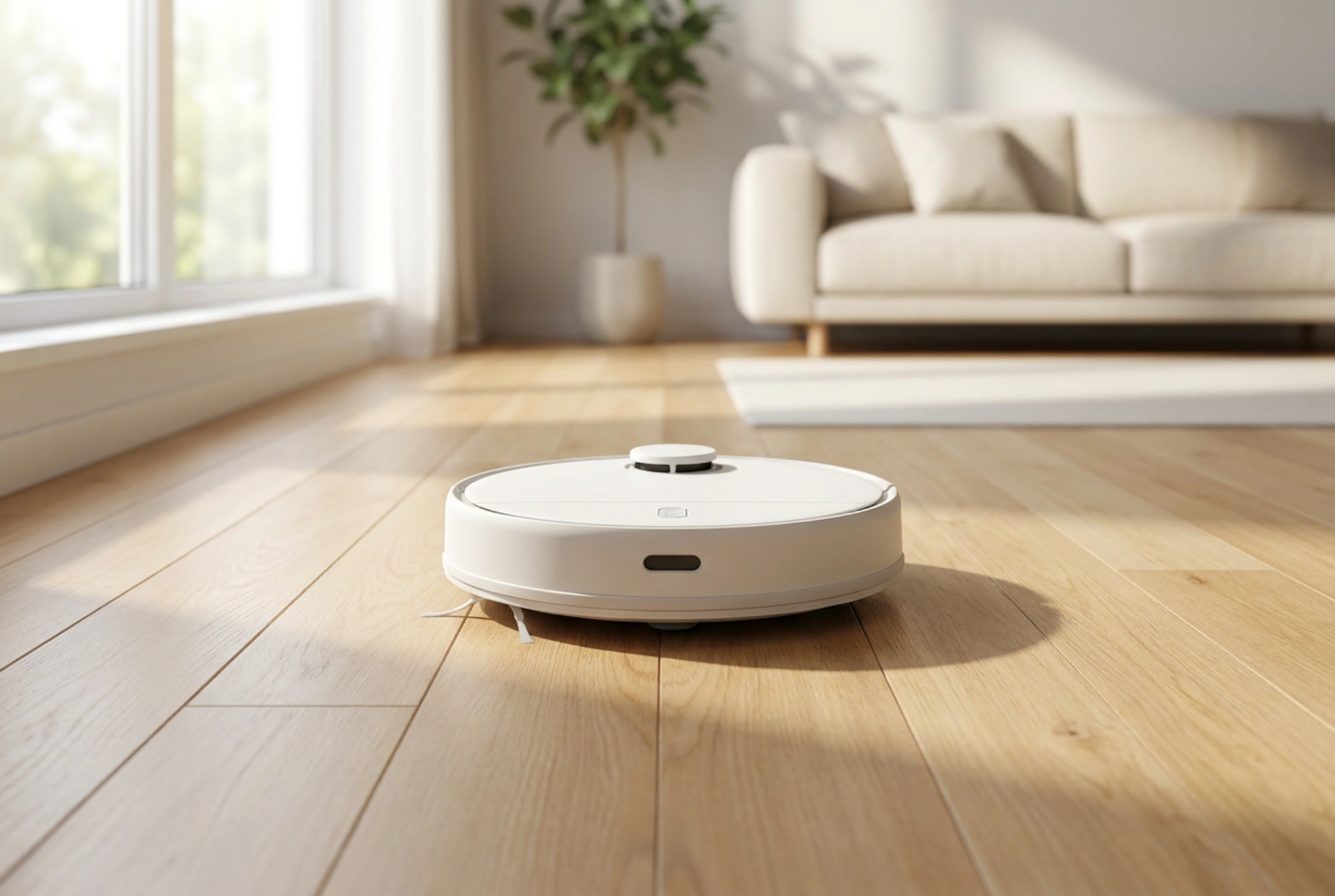
To understand why a vacuum-only robotic cleaner can be the superior choice, we must look at how these devices interact with surfaces. Traditional robotic vacuums rely on mechanical agitation via rolling brushes and negative air pressure (suction) to lift dry particulate matter, such as dead skin cells, pet dander, silica dust, and hair. This dry debris is easily captured in a filtration system.
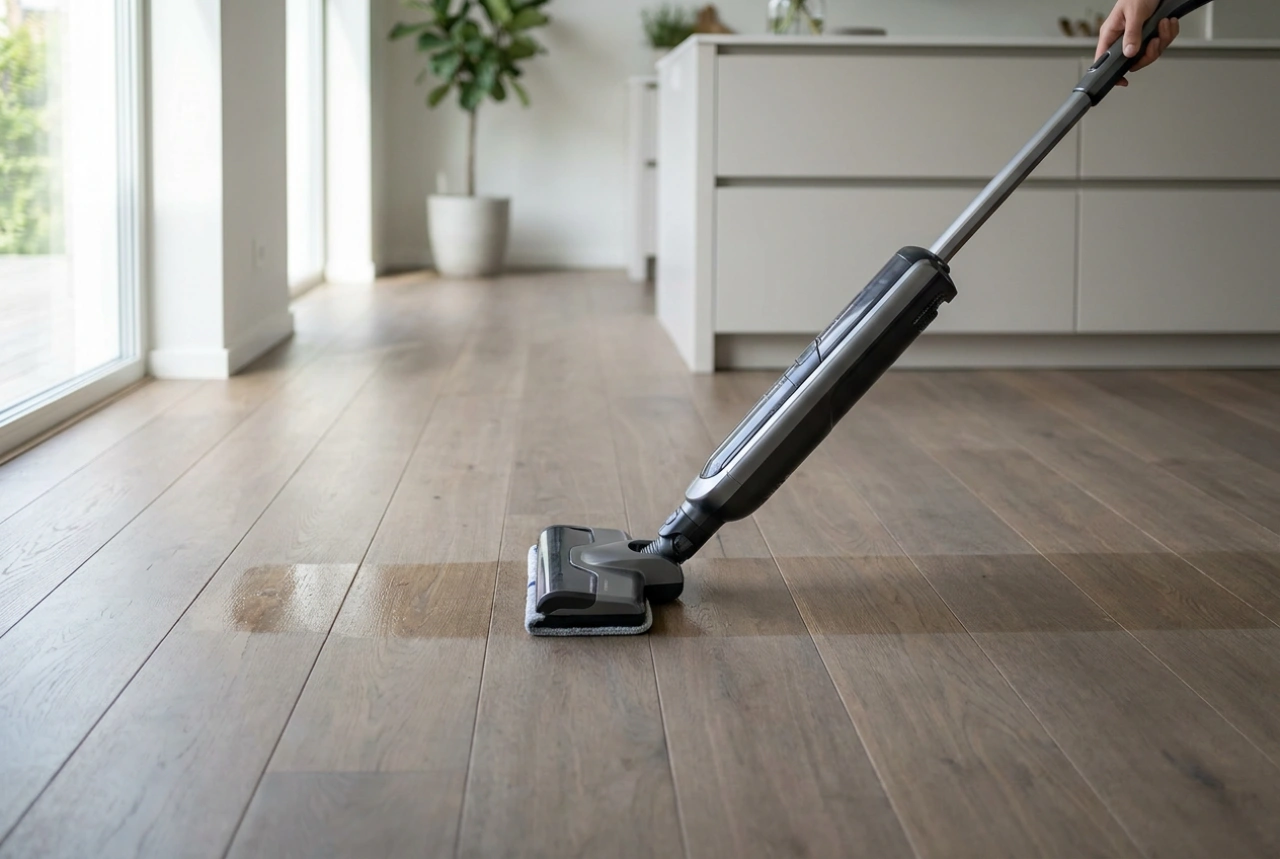
By contrast, basic hybrid robotic mops do not scrub. They drag a damp microfibre cloth across the floor using the machine's weight, which is often less than three kilograms. On uneven surfaces, textured tiles, or bevelled wooden planks, this light pressure is insufficient to lift dried-on spills or sticky residues. Instead of cleaning, a basic wet attachment can sometimes merely smear fine dust particles across the floor, creating unsightly streaks when the water evaporates.
Evaluating Your Floor Materials and Layout
Your flooring material is the primary factor in deciding whether a dedicated vacuum-only unit is sufficient. Hardwood, engineered timber, and laminate floors are highly sensitive to moisture. Prolonged exposure to standing water can cause timber joints to swell, warp, or delaminate. If a hybrid robot stalls on a wooden floor with a wet pad attached, the localized moisture can permanently damage the seal.
Furthermore, apartments with significant carpeted areas, heavy rugs, or high-pile runners gain little to no benefit from a mopping function. A vacuum-only robot can transition seamlessly between low-pile carpets, dense rugs, and hard floors without the risk of dragging a damp pad over textiles, which can transfer dirt and encourage mold growth in the carpet fibres.
The Hidden Trade-offs of Hybrid Systems
Opting for a machine that tries to do both tasks often leads to compromises in engineering. To accommodate a water tank and electronic pump mechanism, manufacturers must reduce the size of the dustbin, the battery pack, or the suction motor.
- Dustbin Capacity: Vacuum-only models typically offer significantly larger dust container volumes, meaning you need to empty them less frequently.
- Maintenance Hygiene: Wet systems require immediate maintenance. Leaving a damp cloth on a robot leads to bacterial proliferation and unpleasant odors. A vacuum-only model can operate fully autonomously for days without user intervention.
- Mechanical Simplicity: Without water pumps, tubes, and electronic valves, there is a lower risk of component failure due to limescale buildup or seal degradation.
Optimising the Vacuuming Process
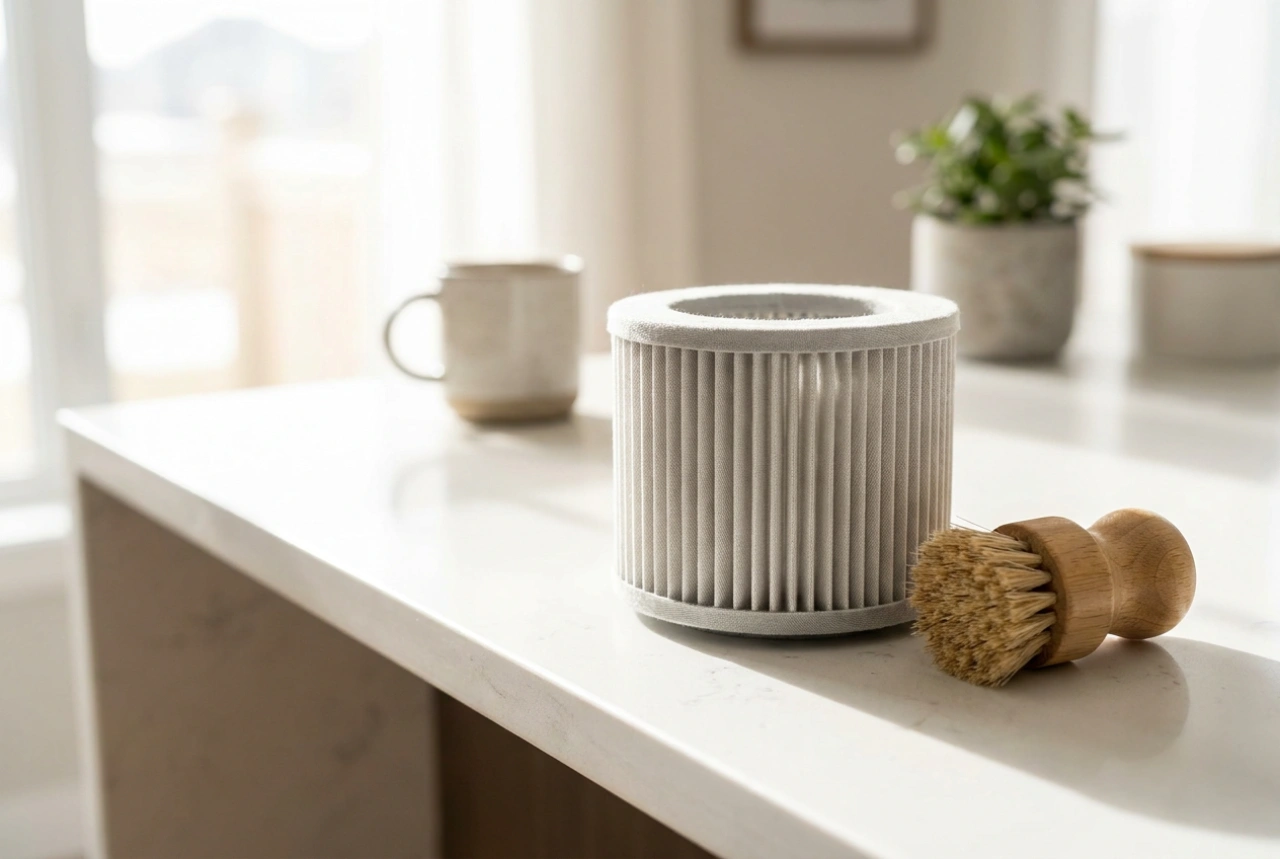
To get the most out of a vacuum-only robot, focus on the physics of airflow and room preparation. Ensure the main roller brush is free from tangled hair, which reduces rotational speed and kinetic energy transfer to dust particles. Schedule the robot to run when the home is empty; this allows the airborne dust settled on the floors to be collected before it is kicked back into the air by human foot traffic. Maintaining dry filters ensures maximum CFM (cubic feet per minute) of airflow, which is critical for pulling deep-seated dust out of floorboard crevices.