

Tumble drying offers unmatched convenience, but improper techniques often result in deeply set creases that require intense ironing. Achieving wrinkle-free results depends on understanding fiber physics, air circulation, and the thermodynamics of the cooling phase.
The Physics of Creasing: Heat, Moisture, and Fiber Elasticity
To prevent wrinkles, you must understand why they form in the first place. When fabrics are wet and heated in a dryer, the hydrogen bonds holding the polymer chains within the textile fibers loosen. This makes the fibers highly pliable. As the clothes tumble, they twist and compress. If they cool down while crumpled, new hydrogen bonds lock the fibers into these distorted shapes, resulting in stubborn wrinkles. Controlling the transition from hot and damp to cool and dry is the key to maintaining smooth fabrics.
Optimizing Drum Capacity and Mechanical Action
Airflow is the most critical element in preventing wrinkles during the drying cycle. When a tumble dryer is overloaded, clothes clump together in a heavy mass, preventing hot air from circulating evenly through the fibers.
- The 50% Rule: For optimal wrinkle prevention, the dryer drum should never be filled more than halfway for standard cottons, and only one-third full for delicate or synthetic fabrics. This provides ample space for the garments to loft, open up, and tumble freely.
- Sorting by Weight and Material: Heavy fabrics like denim and thick towels retain moisture longer than lightweight synthetic shirts. Drying them together forces the lighter garments to overdry and bake in the high heat, creating permanent creases. Group fabrics of similar weight and material together.
The Crucial Role of the Cool-Down Phase
Modern tumble dryers feature a dedicated cool-down period at the end of the cycle. During this phase, the heating element turns off while the drum continues to tumble, drawing in ambient air to lower the temperature of the garments gradually.
Never interrupt this phase. Removing hot clothes from a dryer and placing them in a laundry basket causes them to cool down rapidly while compressed under their own weight. This instantly sets deep creases. Allow the cool-down cycle to finish completely so the hydrogen bonds in the fibers can stabilize while the clothes are in motion.
Thermodynamics and Moisture Retention
Overdrying is a primary cause of stiff, wrinkled fabrics. Removing 100% of the moisture strips the fibers of their natural elasticity, making them brittle and prone to creasing. Aim for a residual moisture level of about 2% to 3%. This microscopic layer of moisture keeps the fibers relaxed. Selecting the "iron dry" setting rather than "extra dry" preserves this crucial moisture level, making the garments easy to smooth out by hand or hang immediately on hangers.
Post-Dryer Protocol: The Five-Minute Window
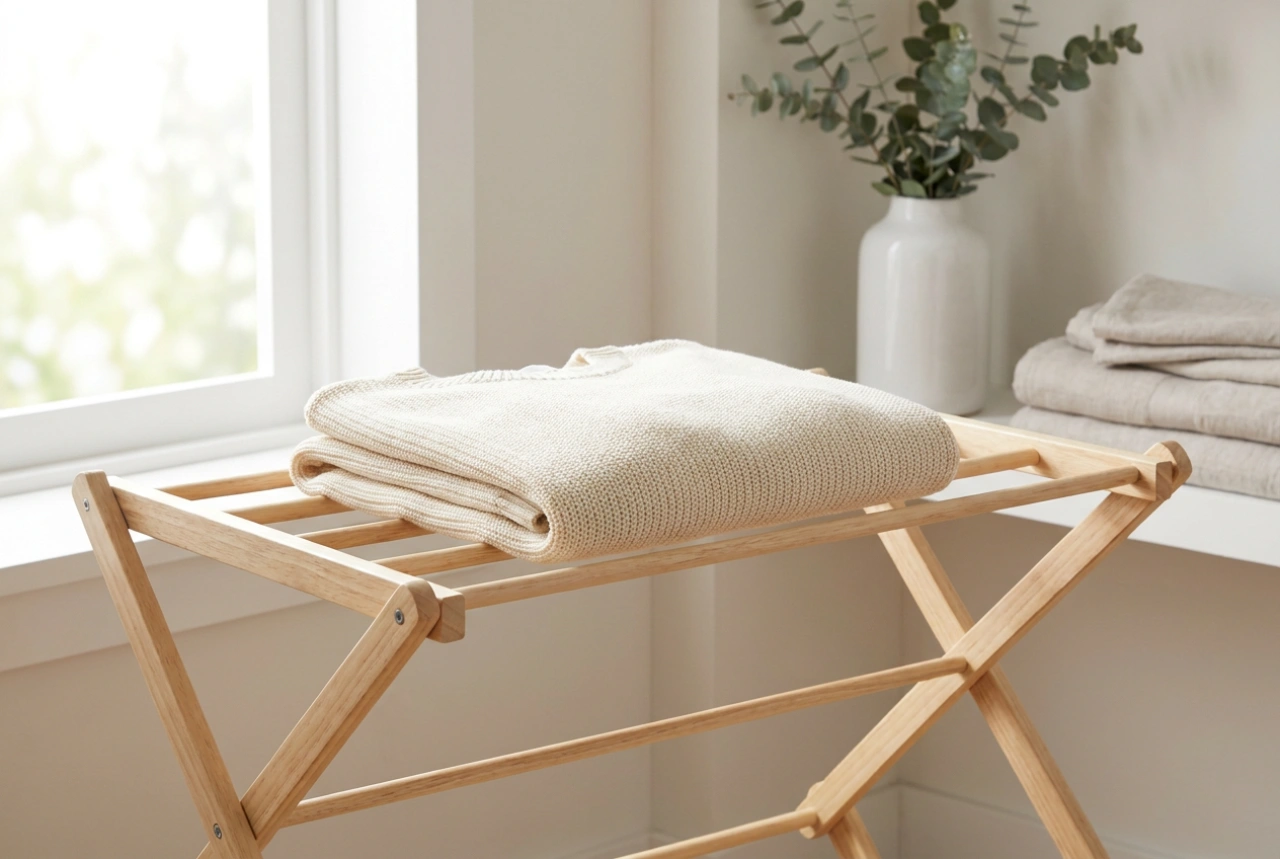
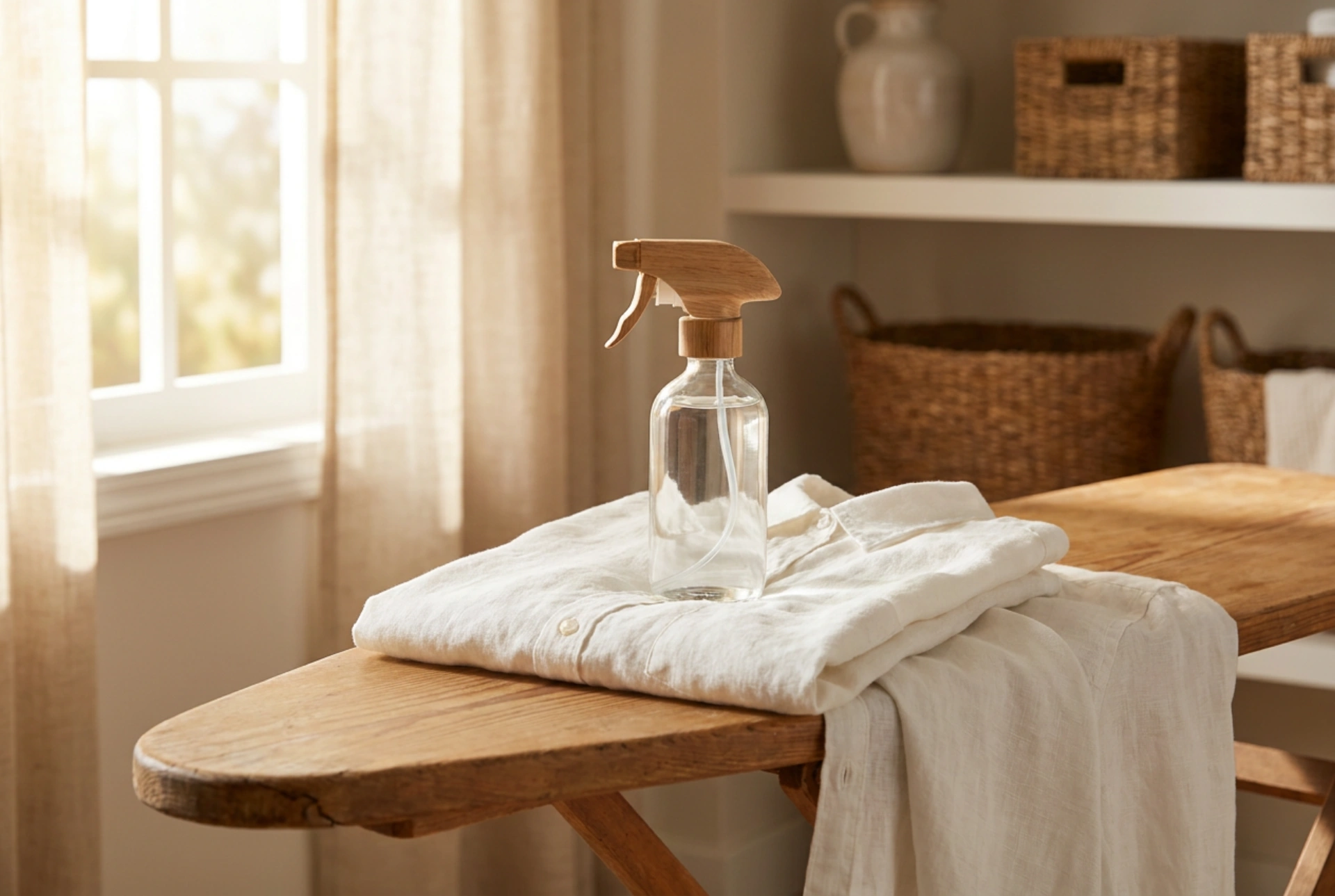
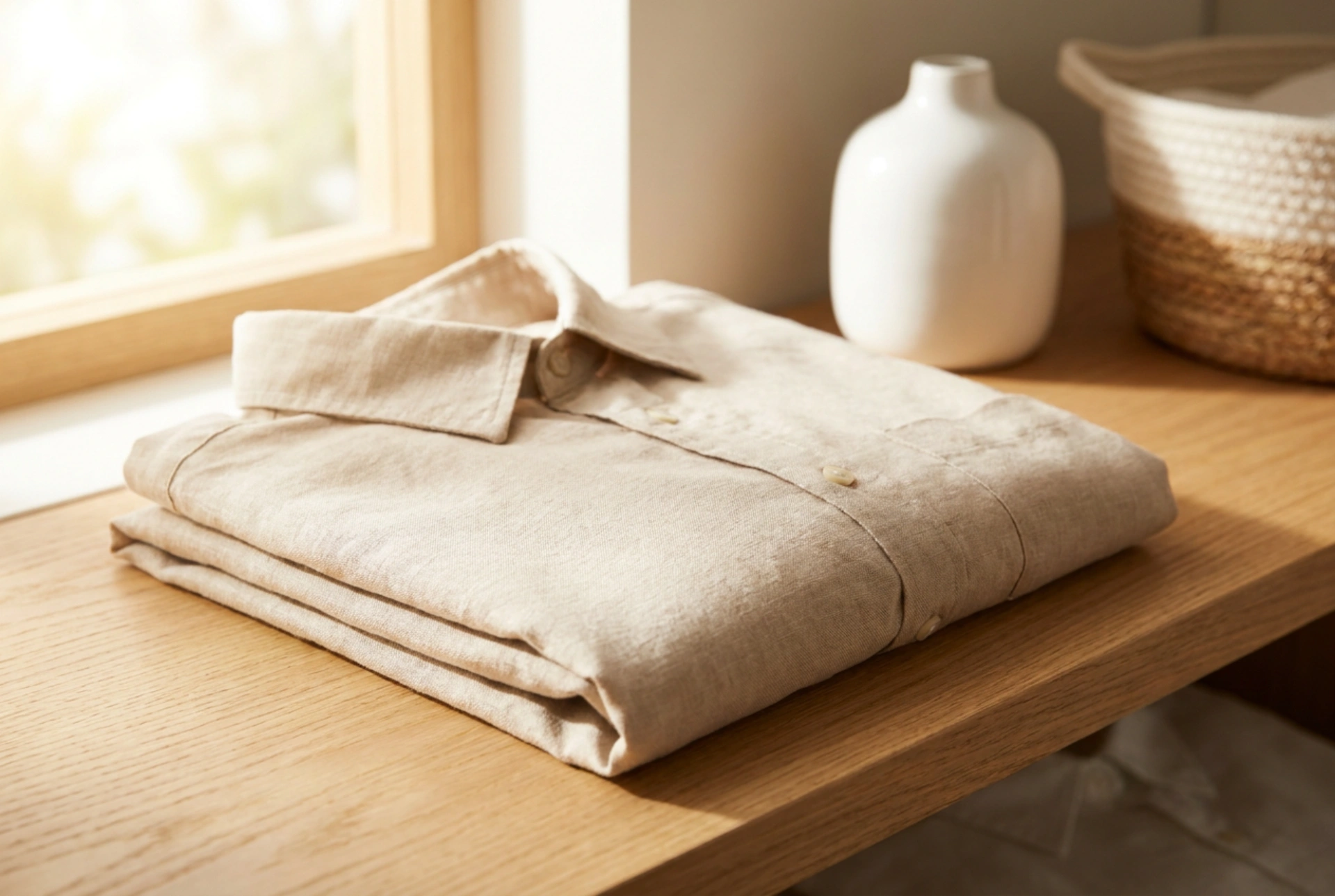
The final step in wrinkle prevention occurs the moment the dryer stops rotating. If clothes sit in a stationary, warm drum, gravity and remaining warmth will quickly press wrinkles into the fabric. Establish a strict habit of removing garments within five minutes of the cycle ending. Give each item a vigorous snap to align the fibers, then immediately hang them on wide-shouldered hangers or fold them flat on a hard surface to lock in the smooth texture.