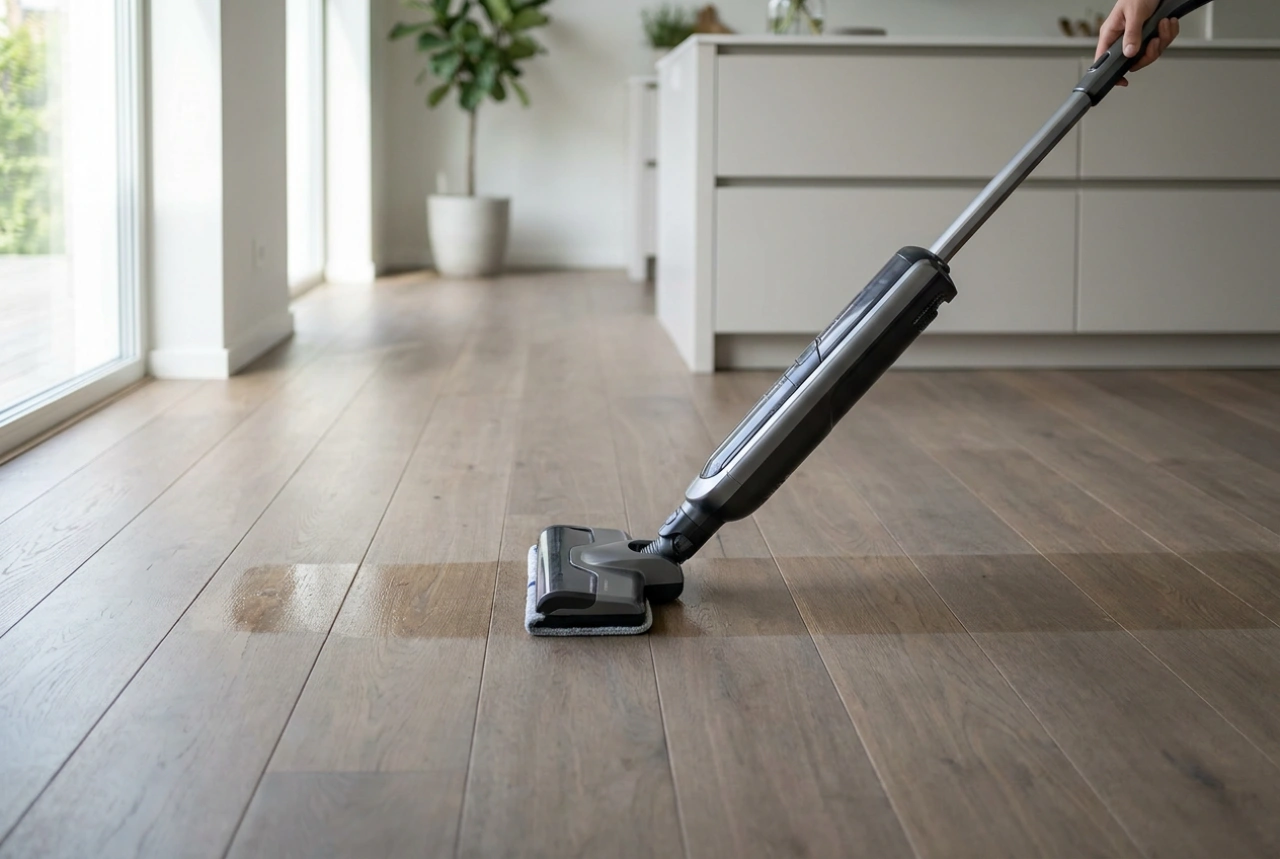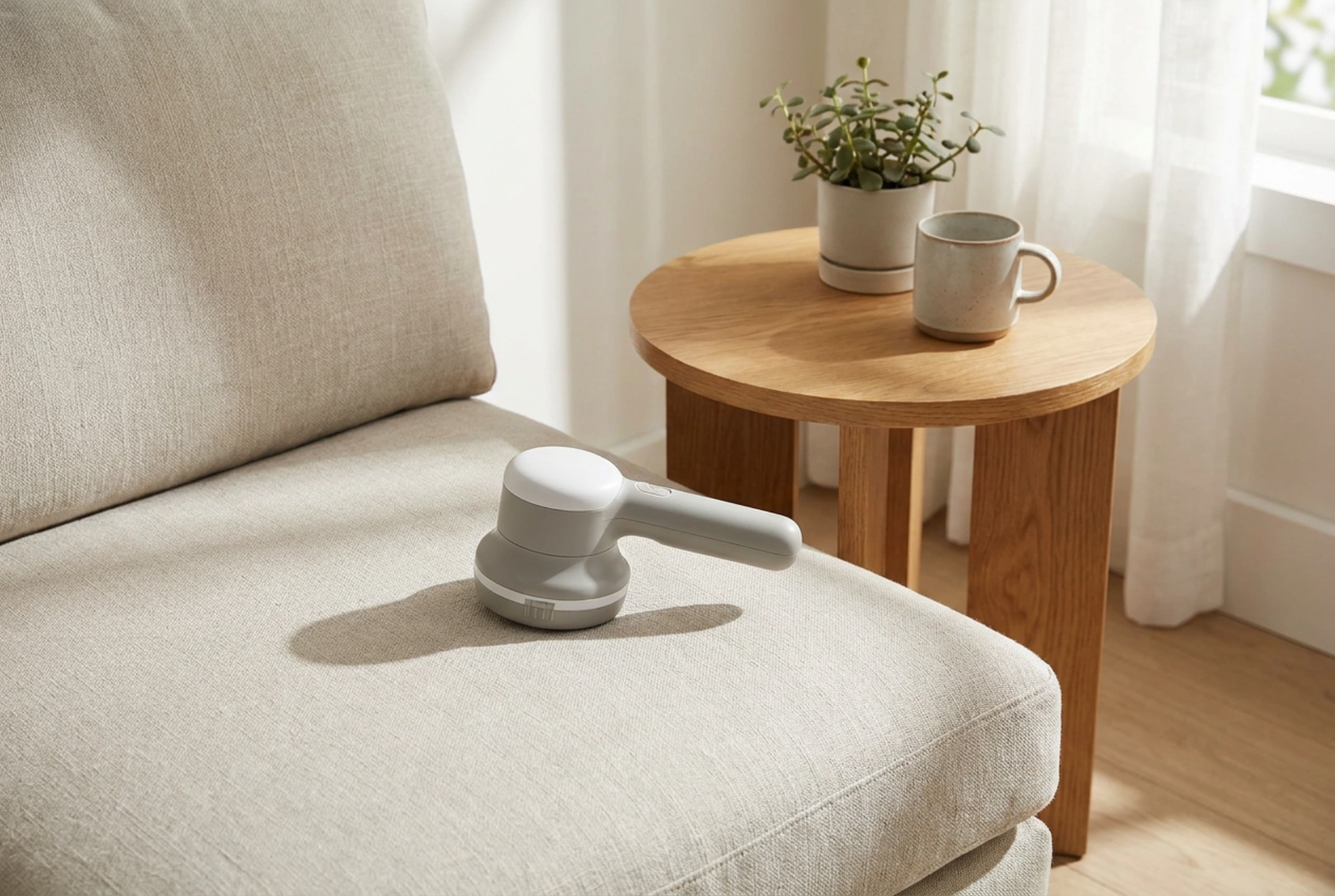


A handheld extraction cleaner, or spot cleaner, uses pressure, water, and mechanical suction to break the physical bonds between liquid-borne dirt and textile fibres.
The Mechanics of Extraction: How Pressure and Suction Remove Stains
Unlike standard vacuum cleaners that only pull dry loose particles from the surface, a handheld extraction cleaner relies on fluid dynamics. The machine injects a mixture of water and surfactant deep into the textile pile under pressure. This liquid encapsulates soluble dirt, grease, and dried organic matter. Almost simultaneously, the high-vacuum suction nozzle pulls the dirty solution out of the weave, transferring it into a waste water tank. This physical displacement is essential for deep cleaning, as it prevents the dirt from simply settling deeper into the backing of your upholstery or carpet.
Fresh Organic Stains and Liquid Spills
Handheld extraction cleaners excel at removing fresh, water-soluble organic spills before they undergo chemical binding with the fabric fibers. This category includes common household accidents such as spilled coffee, tea, fruit juices, wine, and mud.
- Beverages: Tannins and sugars in coffee or wine are highly soluble in water. By applying a warm water solution and immediately extracting it, you pull the pigment out of the yarn before it can dry and dye the fibers permanently.
- Mud and Soil: Fine soil particles suspend easily in water. Standard wiping often smears these particles across the fabric surface, driving them deeper. Extraction pulls the wet soil vertically out of the weave.
- Pet Accidents: Urine and saliva contain organic compounds and salts that must be thoroughly diluted and removed to eliminate lingering odors. Extraction washes the entire depth of the cushion foam, rather than just treating the surface.
Oily Residues and Sebum Build-Up
Over time, human skin contact leaves a layer of sebum (body oil) on armrests, headrests, and mattress borders. This oily film attracts airborne dust, turning fabrics grey and dull. Handheld extraction cleaners are highly effective at breaking down and removing this specific build-up.
To tackle oily soils, the water must be paired with an appropriate surfactant. The surfactant molecules attach their hydrophobic ends to the grease and their hydrophilic ends to the water. When the extraction tool is pulled across the fabric, the physical suction breaks the weakened oil bonds, lifting the emulsified grease out of the fibers. Using lukewarm water (around 40 degrees Celsius) accelerates this process by lowering the viscosity of the oils, making them easier to extract.
Deep-Seated Dust, Allergen, and Pollen Removal
Dry vacuuming often fails to remove fine particulate matter that has become electrostatically bonded to synthetic carpet fibers or deeply embedded in woven upholstery. Dust mite feces, pollen grains, and pet dander accumulate in these microscopic gaps. The pressurized spray of an extraction cleaner neutralizes the static charge and wets the fine dust, increasing its mass. Once wet, these microscopic particles cannot become airborne again and are easily swept up by the high-velocity air stream of the suction nozzle, resulting in a physically cleaner indoor environment.
When Extraction Is Not Recommended
While highly versatile, extraction cleaning is not suitable for all types of dirt or materials. Knowing when to avoid this method prevents permanent damage to household textiles.
- Non-Water-Soluble Stains: Solvent-based substances like oil paints, permanent markers, nail polish, and certain adhesives will not dissolve in water. Applying water can set these stains permanently or spread them over a wider area. These require targeted dry-cleaning solvents instead.
- Delicate Fabrics: Materials like silk, velvet, raw wool, and viscose can suffer from water spotting, pile distortion, or shrinkage. Always check the fiber content before applying moisture.
- Deeply Set, Oxidized Stains: If a stain has been left for months and has oxidized (especially blood or rust), the chemical bond with the fiber is complete. While extraction will sanitize the area, it may not remove the discoloration without specialized chemical reducing or oxidizing agents.