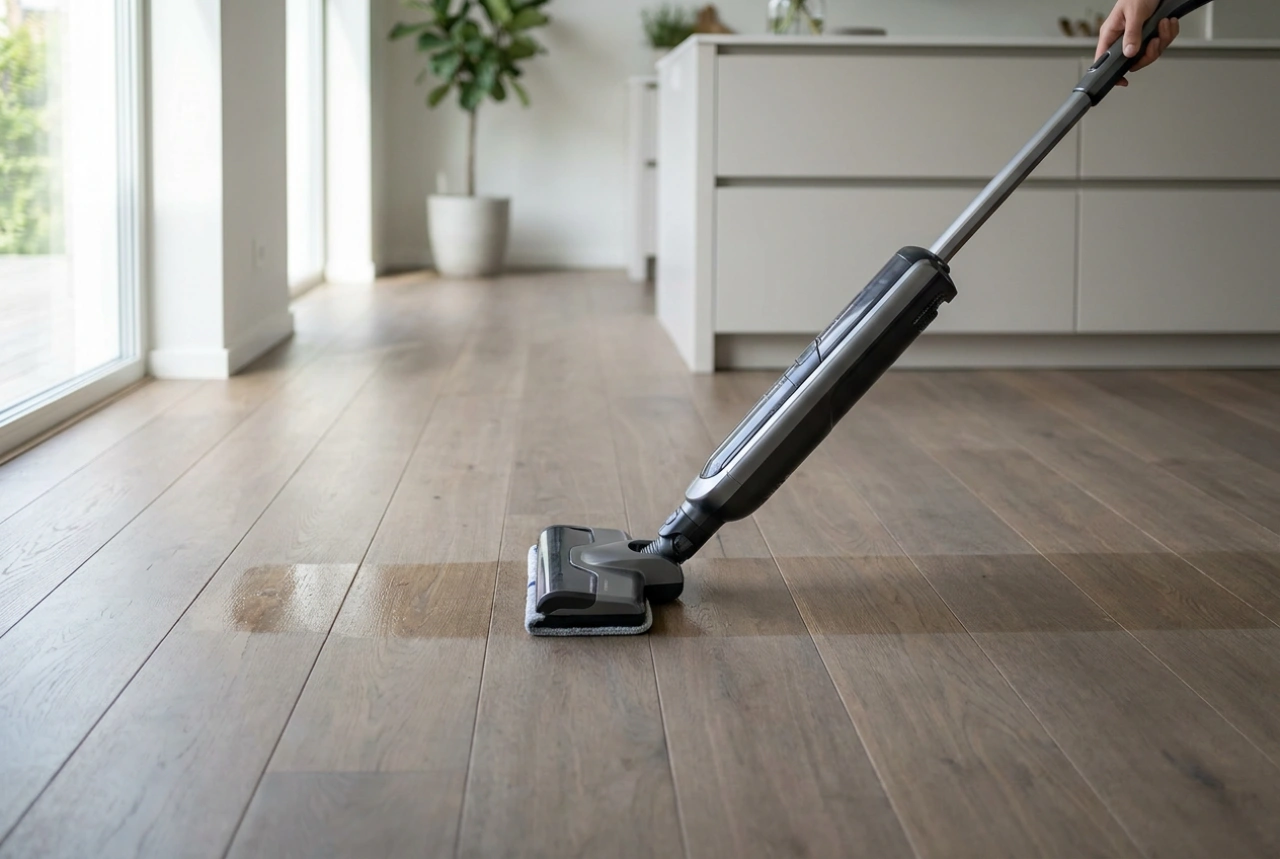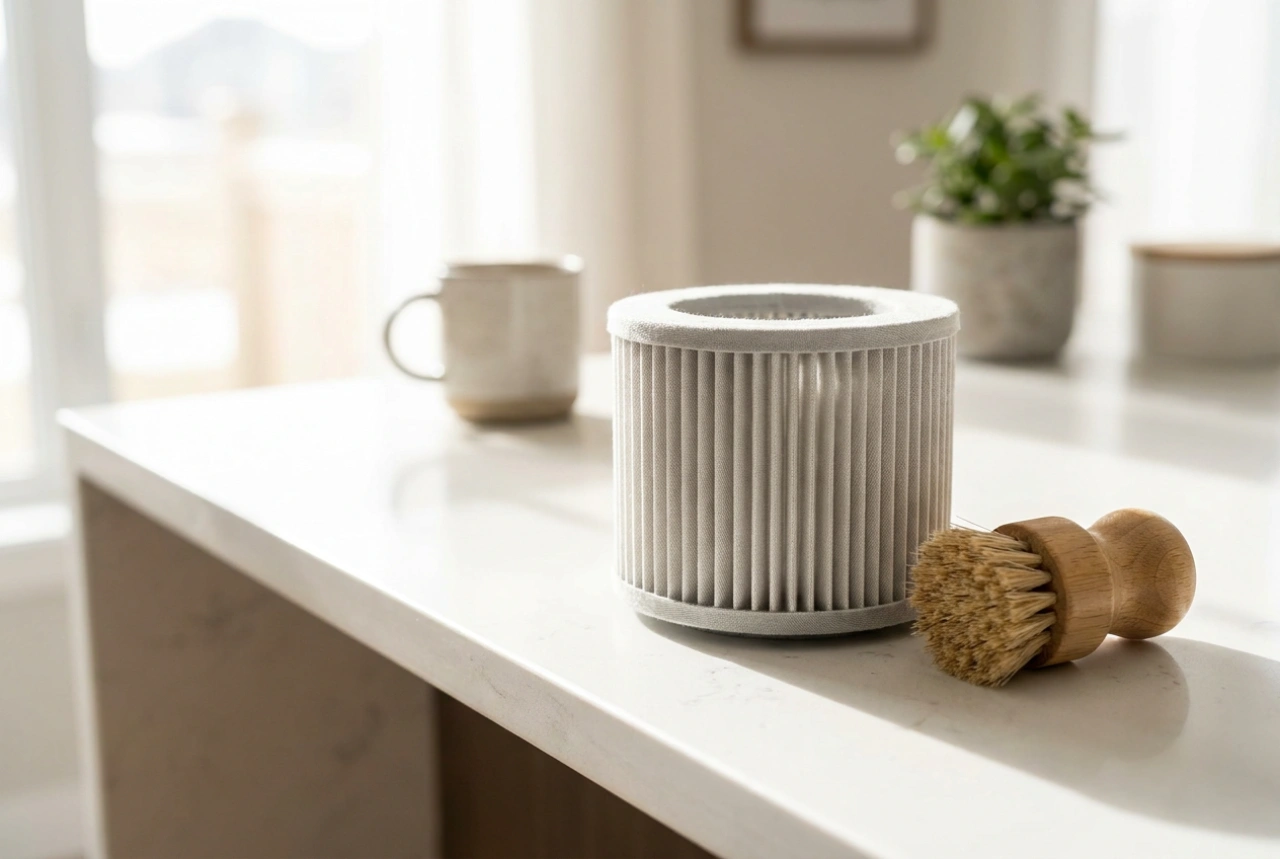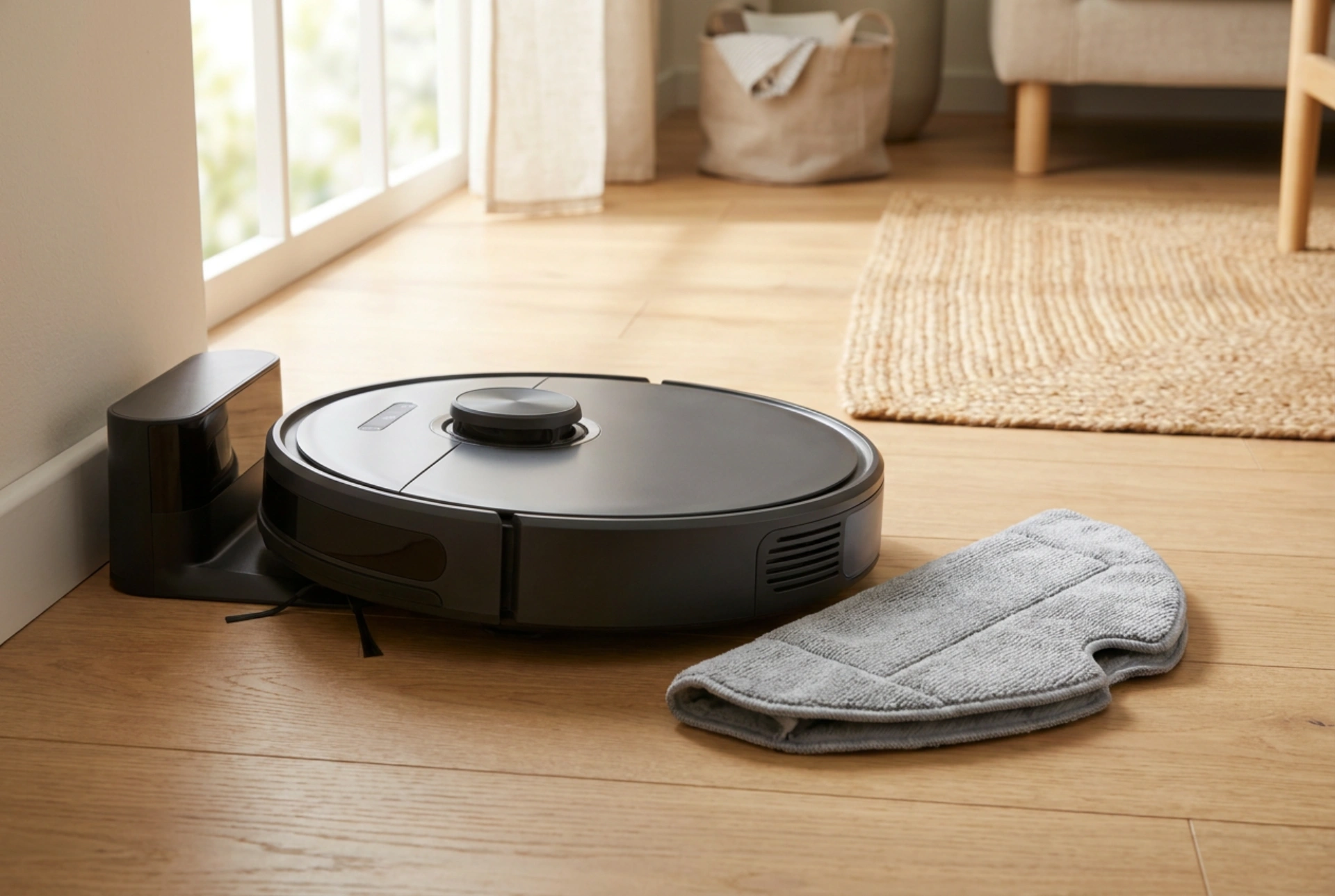


Modern robot vacuums offer an efficient dual-action clean, but transition to the mopping mode requires precise physical setup and correct configuration to protect your floors and achieve optimal results.
Understanding the Mechanics of Robot Mopping
Unlike manual mopping, which relies on heavy downward pressure and large volumes of water, a robot vacuum utilizes capillary action, controlled water dripping, and microfiber friction. The device operates with a small onboard reservoir that feeds water onto a reusable pad. This water is dispensed either via gravity-fed physical valves or an electronically controlled micro-pump. Understanding this distinction is crucial: gravity-fed systems will slow-drip constantly when filled, whereas electronic pumps only release moisture when the drive wheels are active. Microfiber pads work by trapping fine dust particles within their microscopic polyester and polyamide loops, which requires the fabric to be pre-dampened to initiate capillary action before the cycle begins.
Step-by-Step Physical Preparation
To avoid dry streaks and ensure an even clean from the first square meter, follow this precise sequence of physical preparation:
- Dampen and wring the pad: Never attach a bone-dry microfiber pad. Run it under lukewarm water, wring it out thoroughly so it is damp but not dripping, and slide it evenly onto the attachment plate, securing the hook-and-loop fasteners without wrinkles.
- Fill the water tank: Use cool or lukewarm water. Avoid hot water, which can warp the internal seals of the tank. If your manual permits, add only a microscopic drop of specialized, non-foaming floor cleaner. Standard household detergents will clog the tiny water outlets or cause the drive wheels to slip on the wet floor.
- Insert the module: Slide the filled water tank and mop plate into the robot. Listen for a distinct physical click, which indicates the locking mechanism is engaged and the electronic contact sensors have registered the damp cleaning module.
Software Configuration and Zone Management
Before launching the cleaning cycle, you must configure the robot's digital map to prevent damage to sensitive household textiles and materials. Open your device's companion application to set the parameters for wet cleaning.
Defining No-Go and No-Mop Zones
Water damage can ruin wool rugs, carpets, and untreated hardwood. Use the application’s map editor to draw precise virtual boundaries. 'No-Mop Zones' are active only when the mopping plate is physically attached; the robot will vacuum these areas normally when the plate is removed, but will bypass them completely when the wet module is present. 'No-Go Zones' are absolute barriers that the robot will never cross, regardless of its current configuration.
Adjusting the Water Flow Rate
Select the water flow level based on your specific flooring material. For sealed tiles and vinyl, set the flow rate to medium or high. For engineered wood or laminate, select the lowest possible water flow setting. Excess moisture can penetrate the seams of laminate boards, causing the fiberboard core to swell and warp irreversibly.
Post-Cleaning Maintenance and Hygiene
Leaving a wet mop attachment on a stationary robot vacuum creates a breeding ground for mold and bacteria, and can warp wooden floors underneath the charging dock. Immediately after the cleaning cycle finishes, pause the robot and remove the water module.
- Empty the reservoir: Pour out any remaining water to prevent mineral buildup and stagnant odors inside the tank. Leave the fill cap open to allow the interior to dry completely.
- Wash the microfiber pad: Peel the pad off the attachment frame. Rinse it under warm water with a mild, fragrance-free liquid soap to remove trapped dirt, or wash it in a washing machine without fabric softener, as softeners coat the fibers and destroy their moisture-wicking properties.
- Clean the sensors and wheels: Wipe down the robot's undercarriage. Wet wheels can gather hair and dust, which slip and reduce traction during subsequent runs.