

Modern heat pump tumble dryers dry laundry at significantly lower temperatures than traditional condenser dryers, protecting fibers while conserving energy. Understanding the thermodynamics of this process allows you to select the exact program and parameters to prevent shrinkage, fiber friction, and premature wear of your garments.
The thermodynamics of heat pump drying
Traditional dryers rely on open-loop heating elements that bake moisture out of fabrics, often reaching temperatures above 80 degrees Celsius. Heat pump dryers utilize a closed-loop refrigerant cycle. The system operates by circulating warm, dry air into the drum to absorb moisture from the wet textiles. This damp air is then passed over an evaporator, where it cools rapidly, causing the water vapor to condense and drain away. The cooled air is then reheated by the condenser and fed back into the drum. Because this cycle recycles heat, the drying temperature rarely exceeds 50 to 55 degrees Celsius. This lower thermal load preserves the structural integrity of natural and synthetic polymers alike, but successful drying still depends on matching the mechanical rotation and cycle duration to specific fabric structures.
Cotton and linen: Managing high moisture retention
Cotton and linen are composed of cellulose fibers, which are highly hydrophilic and can absorb up to 20% of their weight in water before feeling damp. This high water retention capacity means they require consistent airflow and specific mechanical movement to dry efficiently. For standard cotton sheets, towels, and heavy denim, select the standard "Cotton" cycle with a cabinet-dry sensor setting.
- Friction control: Large cotton items tend to bundle. The dryer uses bi-directional drum rotation (reverse tumbling) to unravel these bundles, ensuring even airflow through the fabric layers.
- Moisture sensing: Modern dryers use conductivity sensors located near the lint filter to measure the residual moisture of the load. The cycle terminates precisely when the target dryness is reached, preventing over-drying which makes cellulose fibers brittle.
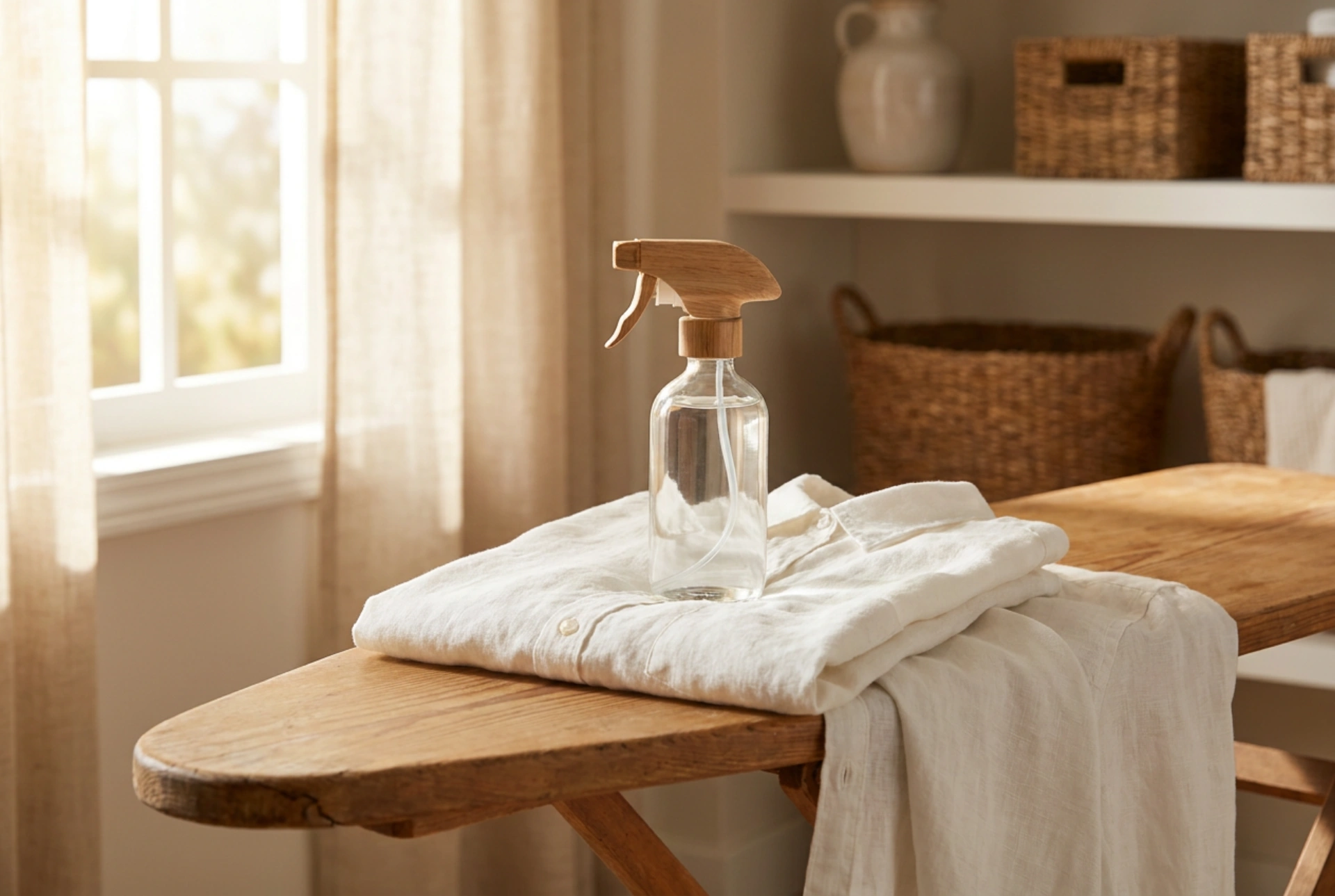
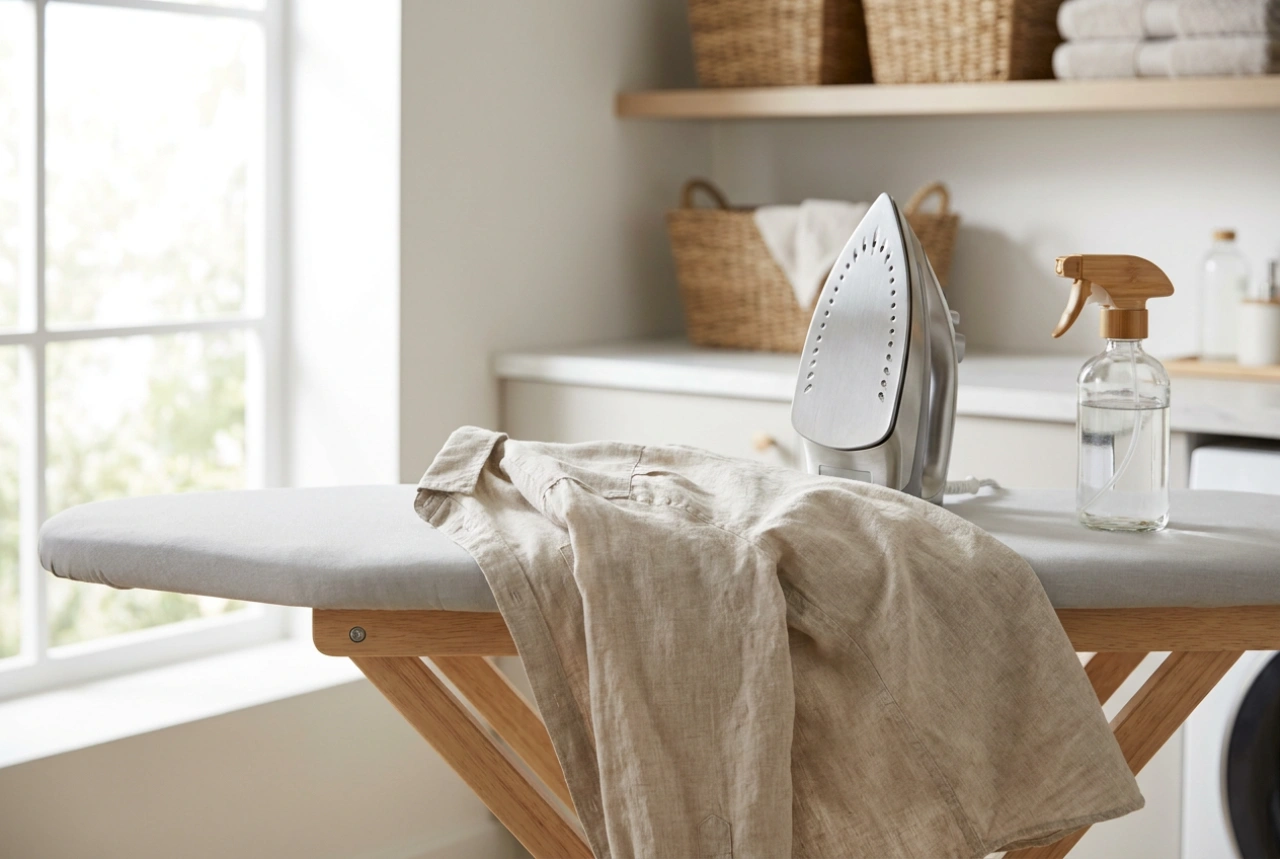
- Linen precautions: Pure linen has a lower tolerance for friction than cotton. Dry linen on a delicate or low-temperature cotton setting, and remove it while slightly damp (iron-dry setting) to preserve the flax fibers from micro-cracking along the creases.
Synthetics and performance wear: Avoiding thermal glazing
Synthetic fibers like polyester, polyamide (nylon), and elastane are thermoplastic polymers. When exposed to excessive heat, these fibers can reach their glass transition temperature, causing them to soften, deform, lose their elasticity, or develop a shiny, glazed appearance. Select the "Synthetics" or "Easy Care" program for these materials.
- Temperature regulation: The synthetics program caps the drying temperature at approximately 40 to 45 degrees Celsius. This prevents the relaxation of the polymer chains, preserving the original shape of synthetic garments.
- Static mitigation: Synthetic fibers accumulate static electricity easily through friction. Shorter cycle times combined with a gentle cool-down phase at the end of the program allow the fibers to dissipate static charge naturally.
- Elastane protection: Heat is the primary enemy of stretch fabrics. Always use the lowest possible heat setting for sportswear to prevent the elastane threads from snapping, which leads to bagged-out knees and waistbands.
Wool and delicates: Preventing mechanical felting
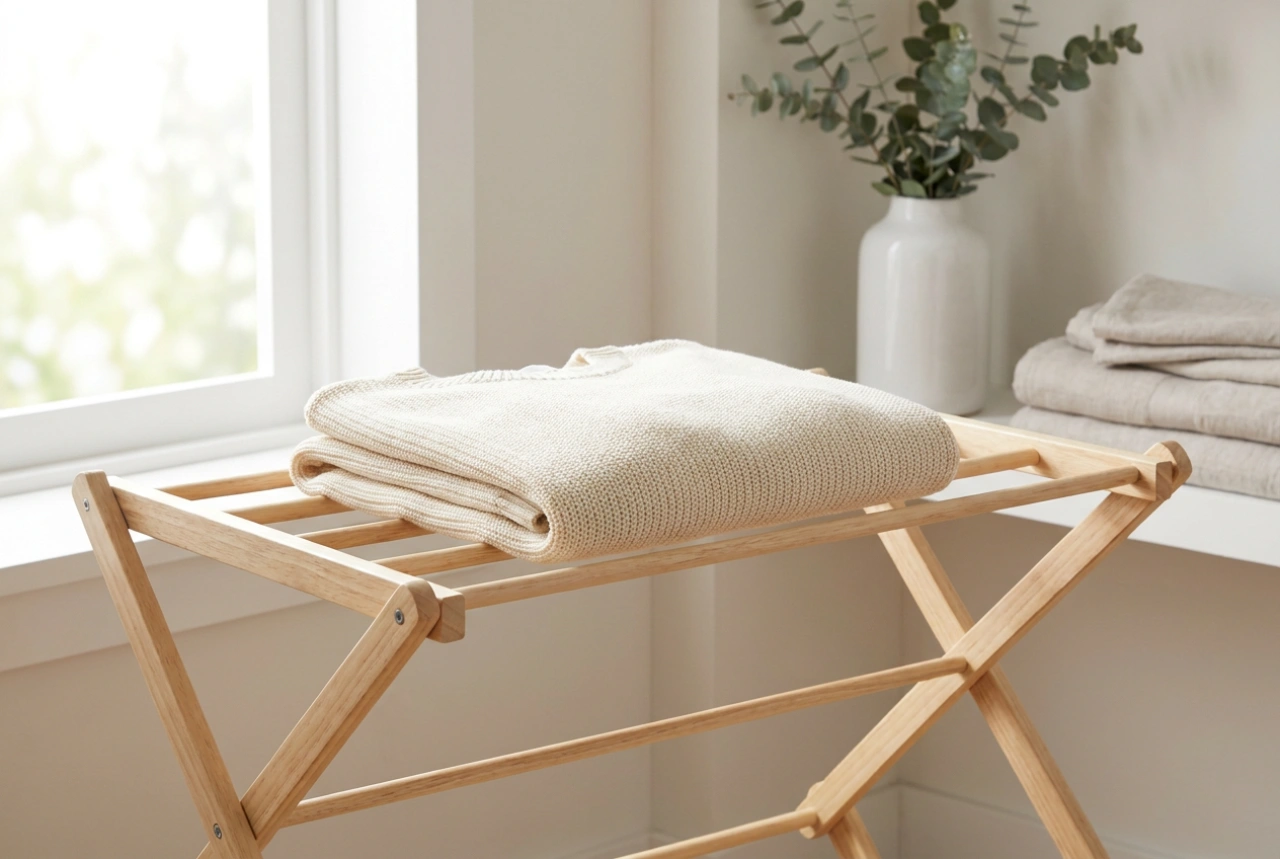
Wool fibers are covered in microscopic, overlapping scales. When wet wool is subjected to heat, moisture, and mechanical agitation (friction), these scales open up and interlock permanently. This process, known as felting, leads to severe shrinkage. Drying wool successfully in a heat pump dryer requires a dedicated "Wool" program or a drying rack.
- Low mechanical action: The wool program minimizes drum rotation. Instead of tumbling and falling from the top of the drum, the garments slide gently along the bottom, or the drum rotates just enough to redistribute the warm air.
- Using a drying rack: For extremely delicate woolens, use an insertable drying rack that remains stationary while the drum rotates around it. The warm air circulates through the stationary garment, eliminating mechanical friction entirely.
The mechanical physics of load sizing and maintenance
Efficient heat pump drying relies heavily on the free movement of air. Overloading the drum restricts airflow, forcing the compressor to work longer and causing uneven drying, where the outer layers of the load are bone-dry while the core remains damp. Always leave at least one-third of the drum volume empty. Additionally, maintaining the dual-stage filtration system is critical. A clogged lint filter restricts the air circulation rate, reducing the efficiency of the heat exchange cycle and lengthening drying times unnecessarily.