

Water filtration vacuum cleaners offer superior dust retention, but failing to clean the system immediately after use transforms the wet dust container into a breeding ground for bacteria and mold.
The physics of water filtration and why immediate cleaning is mandatory
In a water filtration vacuum, dirt is drawn into a turbulent water bath where dust particles are wetted, increased in mass, and trapped in the liquid. While this prevents microscopic particles from exhausting back into the room, the trapped organic debris, skin flakes, and pet dander rapidly decompose when left in standing water. Within hours, anaerobic bacteria multiply, leading to persistent odors and bio-films on the container walls. Postponing maintenance not only compromises the hygiene of your home but also clogs the secondary safety filters, reducing suction power and putting strain on the motor.
Step-by-step cleaning sequence for optimal hygiene
To keep the system running efficiently and odor-free, you must establish a strict post-cleaning routine using the correct order of operations.
- Emptying the tank: Turn off and unplug the appliance. Carefully remove the water container and pour the dirty water directly down the toilet rather than the sink to prevent plumbing blockages from accumulated hair and heavy debris.
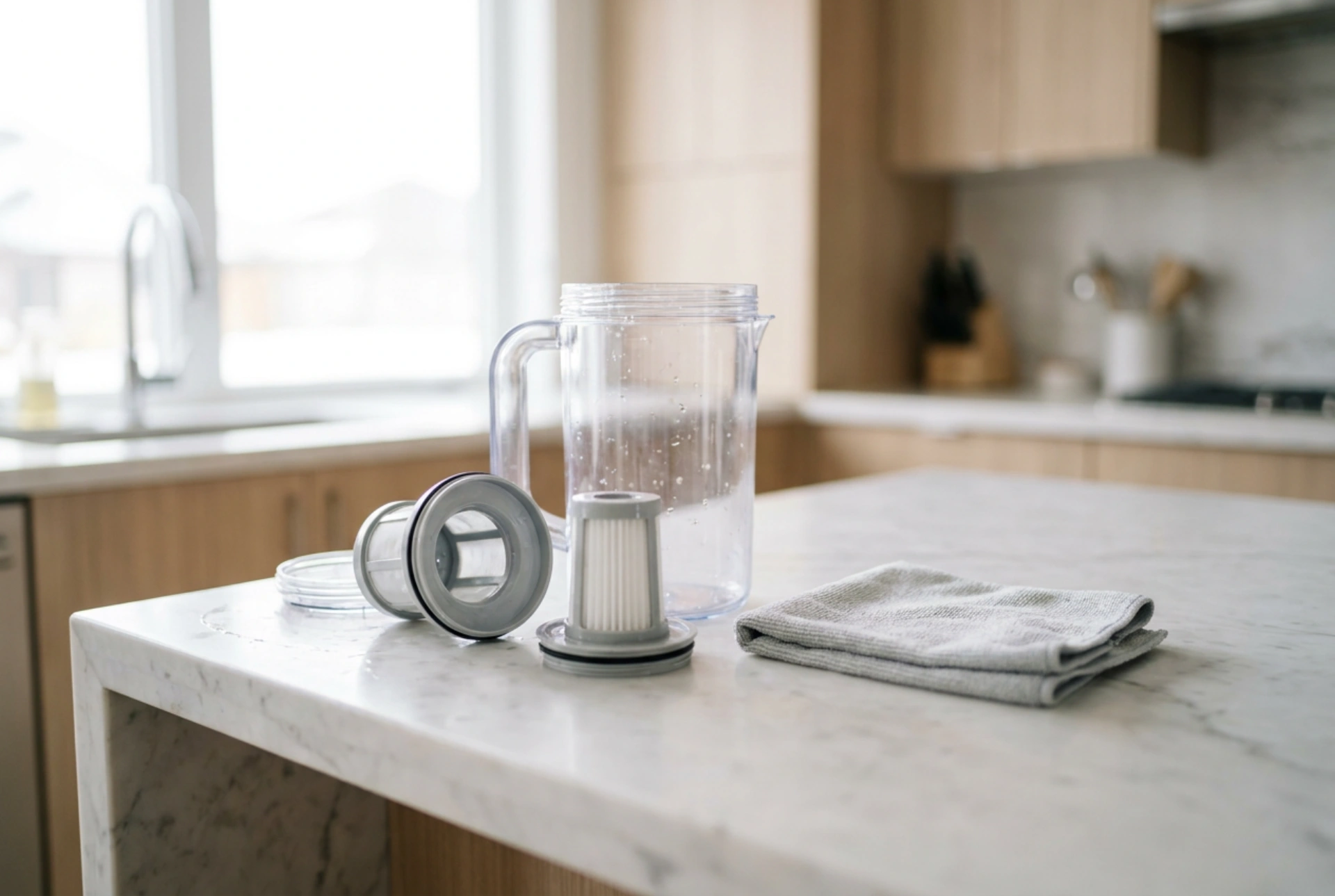
- Rinsing the components: Disassemble all removable parts of the filtration chamber, including the separator, baffles, and splash guards. Rinse each piece under warm running water (approximately 30 to 40 degrees Celsius) to loosen adhered grime without warping the plastic components.
- Sanitizing without harsh chemicals: Avoid using abrasive sponges or aggressive solvent-based cleaners which can micro-scratch the plastic, making it easier for dirt to stick in the future. Instead, use a few drops of mild dishwashing liquid and a soft microfiber cloth to wipe down the interior surfaces. If odors persist, rinse the tank with a diluted solution of white vinegar or oxygen bleach, which neutralizes organic compounds without damaging the seals.
The critical drying phase
Never reassemble a wet or damp water vacuum cleaner. Reassembling the unit while wet traps moisture inside the dark, airtight chambers, leading to mold colonization on the seals and secondary filters. Lay all cleaned components out on a dry towel in a well-ventilated area. Allow them to air-dry completely for at least 12 to 24 hours. Keep the lid of the vacuum base slightly open when stored to ensure any residual internal moisture can evaporate freely.
Inspecting seals and auxiliary filters
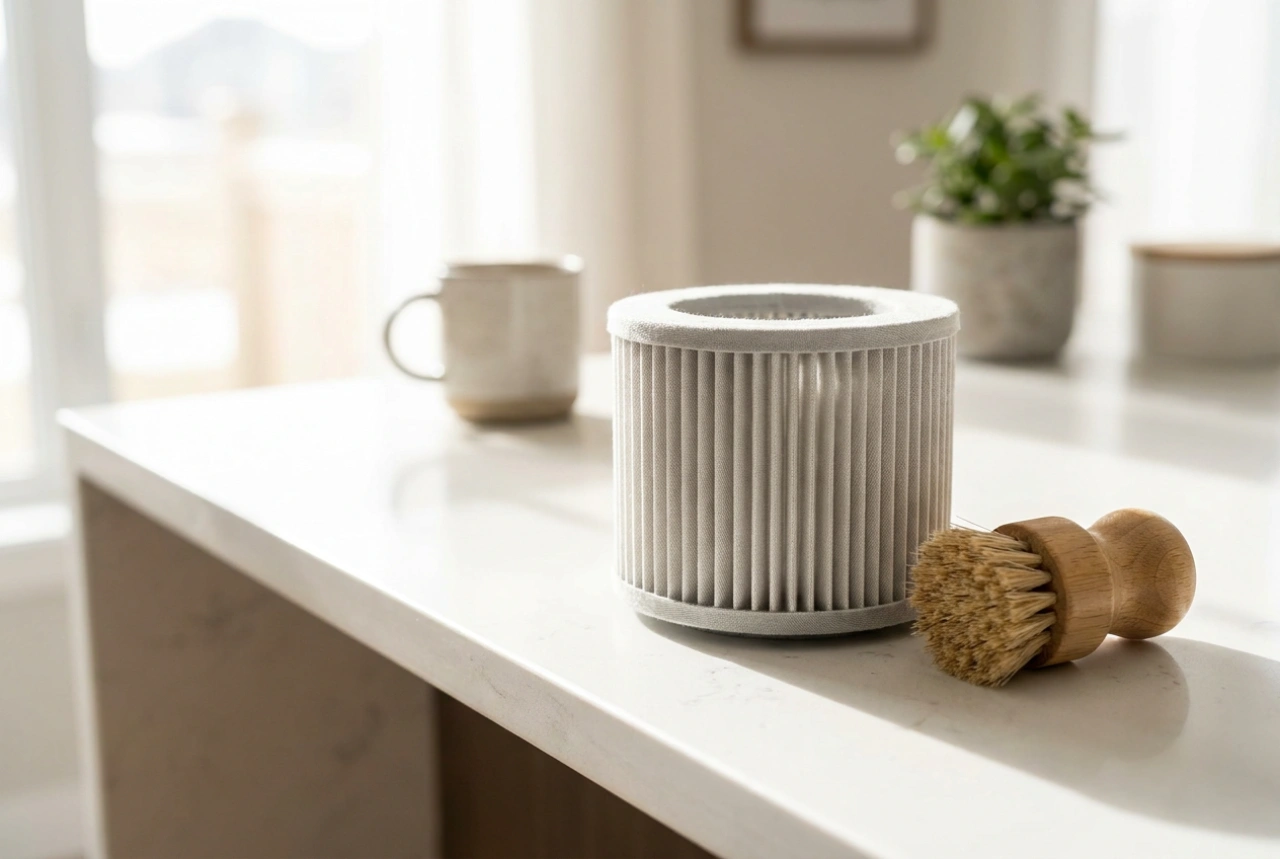
While the water traps the vast majority of dust, fine particles can still reach the foam pre-filters or the HEPA exhaust filter. Once a week, inspect these auxiliary filters. If the foam filter feels damp or dusty, wash it under cold water without squeezing or wringing it excessively, as this can tear the porous structure. Let it dry completely away from direct heat sources. Regularly check the rubber gaskets and seals around the water chamber; clean them with a damp cloth and ensure they are free of hair and grit to maintain the airtight seal necessary for strong suction.