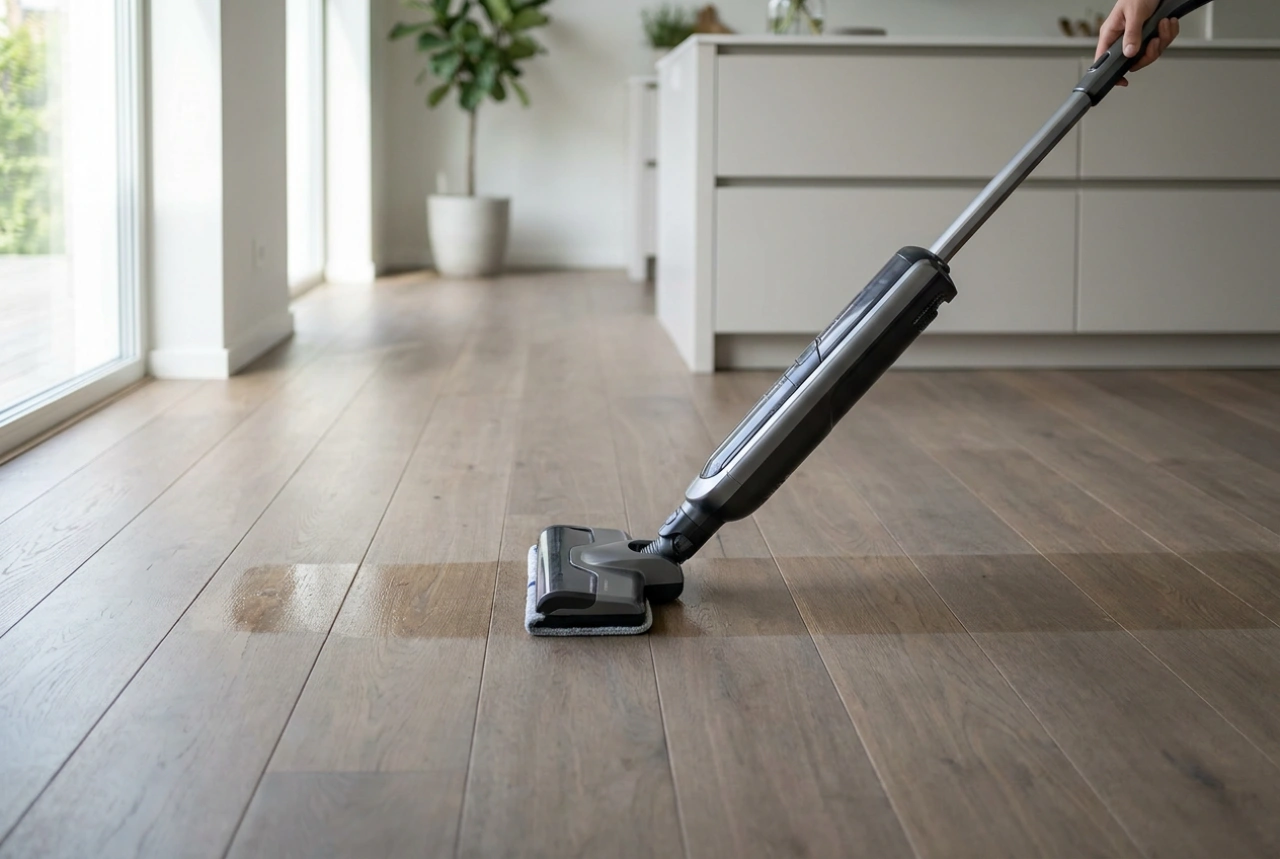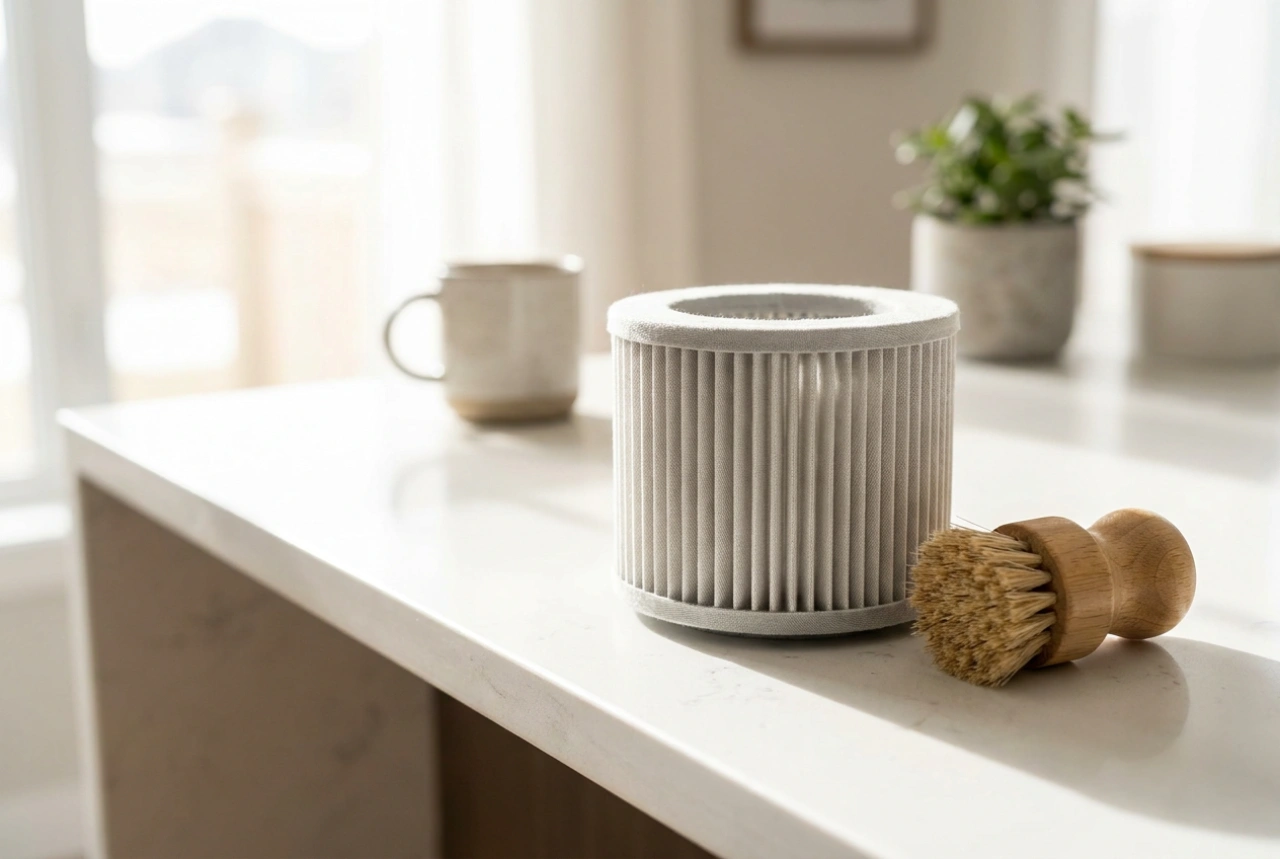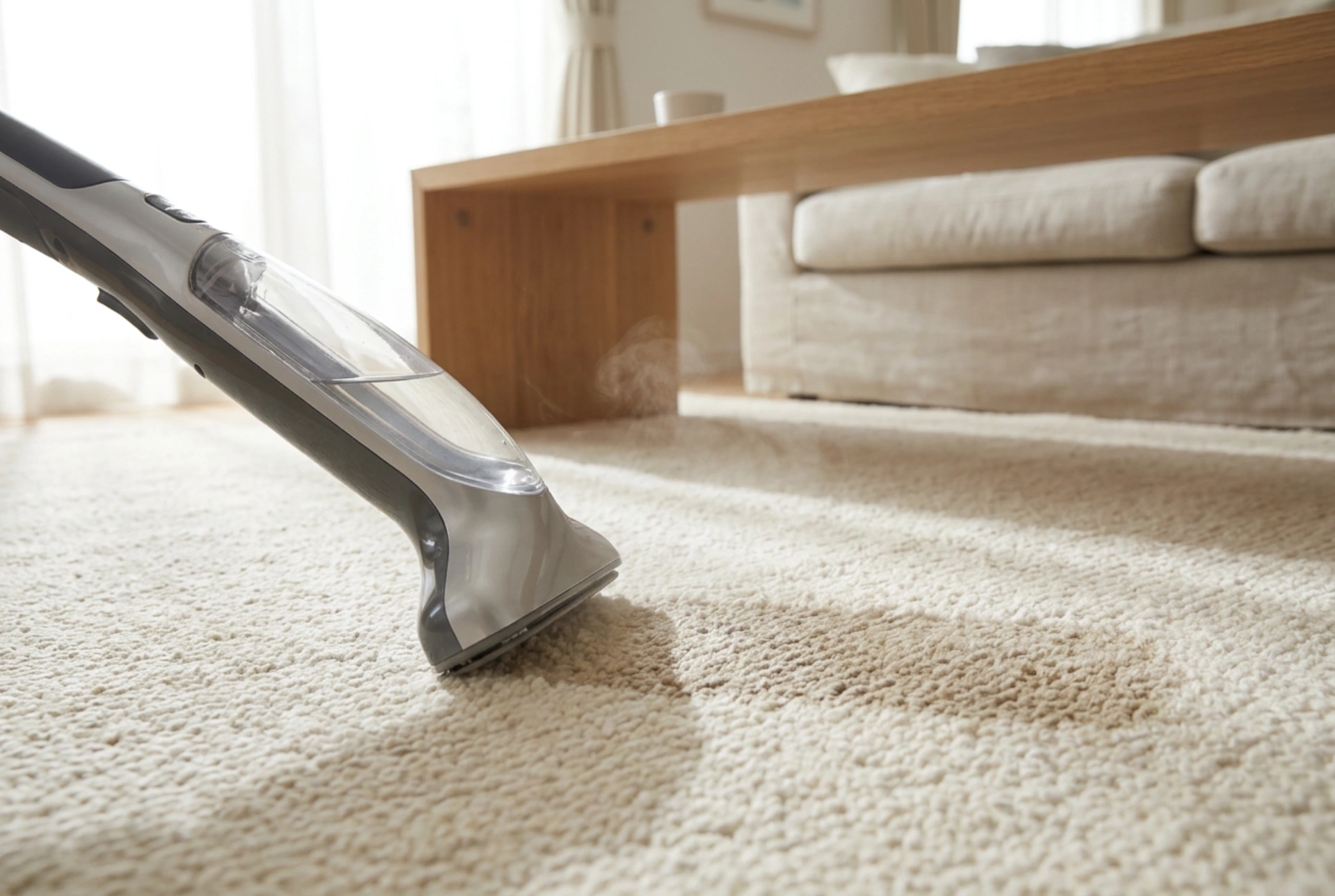


Using an extraction vacuum is the most efficient way to remove deep-seated dirt, oils, and allergens from carpet fibers without damaging the material backing.
The Science of Extraction Cleaning
Standard vacuuming only removes loose, dry particles from the upper layer of a carpet. Over time, oily residues from footsteps, cooking, and pets bind to the fibers, acting as an adhesive for fine dust. This sticky matrix cannot be lifted by dry suction alone. An extraction cleaner works by injecting water mixed with a surfactant deep into the pile under pressure. This liquid breaks the physical and chemical bonds between the dirt and the fibers. Instantly, the high-powered vacuum suction pulls the suspended dirty liquid out of the textile, preventing it from settling back down into the backing.
Pre-Treatment: The Key to Fiber Release
For the best results, never rely solely on the machine's standard pass. A systematic approach guarantees success.
- Dry Vacuuming: Always vacuum the carpet thoroughly in two perpendicular directions first. Removing loose grit prevents it from turning into abrasive mud when wet, which can wear down the carpet fibers during extraction.
- Pre-Spraying: Apply a mild, alkaline pre-spray solution to the carpet using a pressure pump sprayer. Focus on high-traffic lanes. This solution requires three to five minutes of dwell time to emulsify the oils and loosen stubborn proteins. Do not let the solution dry on the carpet.
The Correct Extraction Technique and Movement
Using the extraction wand requires a specific rhythm and pressure to maximize water recovery and avoid over-wetting, which can lead to mold or structural delamination of the carpet backing.
The Wet Pass
Pull the cleaning nozzle slowly toward you while holding down the trigger to spray the rinsing solution. Keep the nozzle flat against the carpet surface to maintain a tight seal, which creates the pressure drop necessary for suction. Move at a steady pace of about ten centimeters per second.
The Dry Pass
Release the spray trigger and pull the nozzle over the exact same path. This is the crucial step that extracts the remaining moisture and suspended soil. Repeat this dry pass twice for every wet pass. Watch the transparent nozzle head; stop repeating dry passes only when you no longer see liquid being sucked through the dome.
Temperature and Chemistry Selection
Fiber composition dictates your washing parameters. Synthetic fibers like polypropylene or polyester can withstand water temperatures up to fifty degrees Celsius, which helps dissolve greasy residues. Natural fibers, especially wool, are highly sensitive to heat and high pH levels. For wool, use only lukewarm water (maximum thirty degrees Celsius) and a pH-neutral cleaning agent to prevent fiber shrinking, felting, or stripping of the natural lanolin protective layer.
Drying and Fiber Realignment
Once the extraction is complete, the carpet pile will be damp and pressed down. Use a clean, medium-bristle brush to gently groom the pile upward in a single direction. This improves airflow between the individual fibers, cutting down drying time significantly. Keep the room well-ventilated by opening windows or using a floor fan. Avoid walking on the carpet until it is completely dry, which typically takes between six and twelve hours depending on humidity levels.