

Removing ballpoint pen ink from textiles requires understanding the chemical composition of the ink and the structural limits of the affected fiber. Because modern ballpoint inks rely on a combination of synthetic dyes, pigments, and heavy oil or glycol bases, simple washing with water will only set the stain deeper into the fabric weave.
The Science of Ink Solubility: Why Water Fails
Ballpoint pen ink is formulated to dry quickly and resist moisture, making it highly hydrophobic. The formulation typically consists of organic dyes dissolved in solvents like benzyl alcohol or phenoxyethanol, mixed with resins to control viscosity. To dissolve these resins and release the trapped pigments, you must use a solvent with similar chemical polarity. Water, being highly polar, cannot break down these hydrophobic polymers. Instead, organic solvents such as isopropyl alcohol or ethanol are required to dissolve the resin binders, freeing the pigment particles so they can be transferred out of the fabric matrix.
The Blotting Technique: Preventing Capillary Spread
The most common mistake when treating ink stains is rubbing the fabric, which forces the dissolved pigments deeper into the yarn and causes lateral spreading. To safely lift the ink, follow this precise mechanical sequence:
- Isolate the layer: Place a clean, dry white cotton cloth or several layers of absorbent paper towels directly underneath the stained fabric. This acts as a receiver for the dissolved ink and prevents it from bleeding through to the other side of the garment.
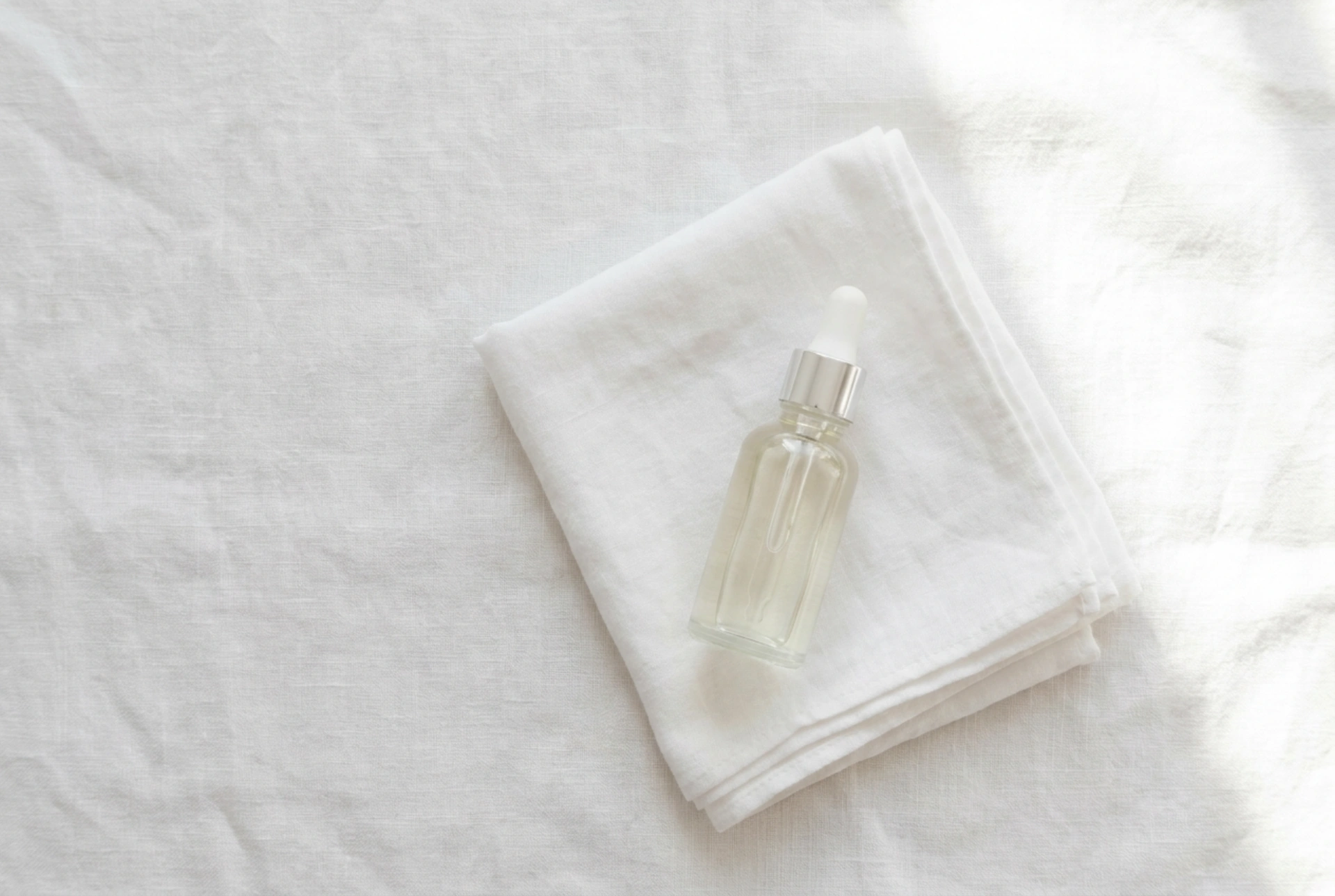
- Apply the solvent precisely: Use a dropper to apply a few drops of isopropyl alcohol (90% concentration is ideal) directly to the stain. Do not saturate the entire surrounding area.
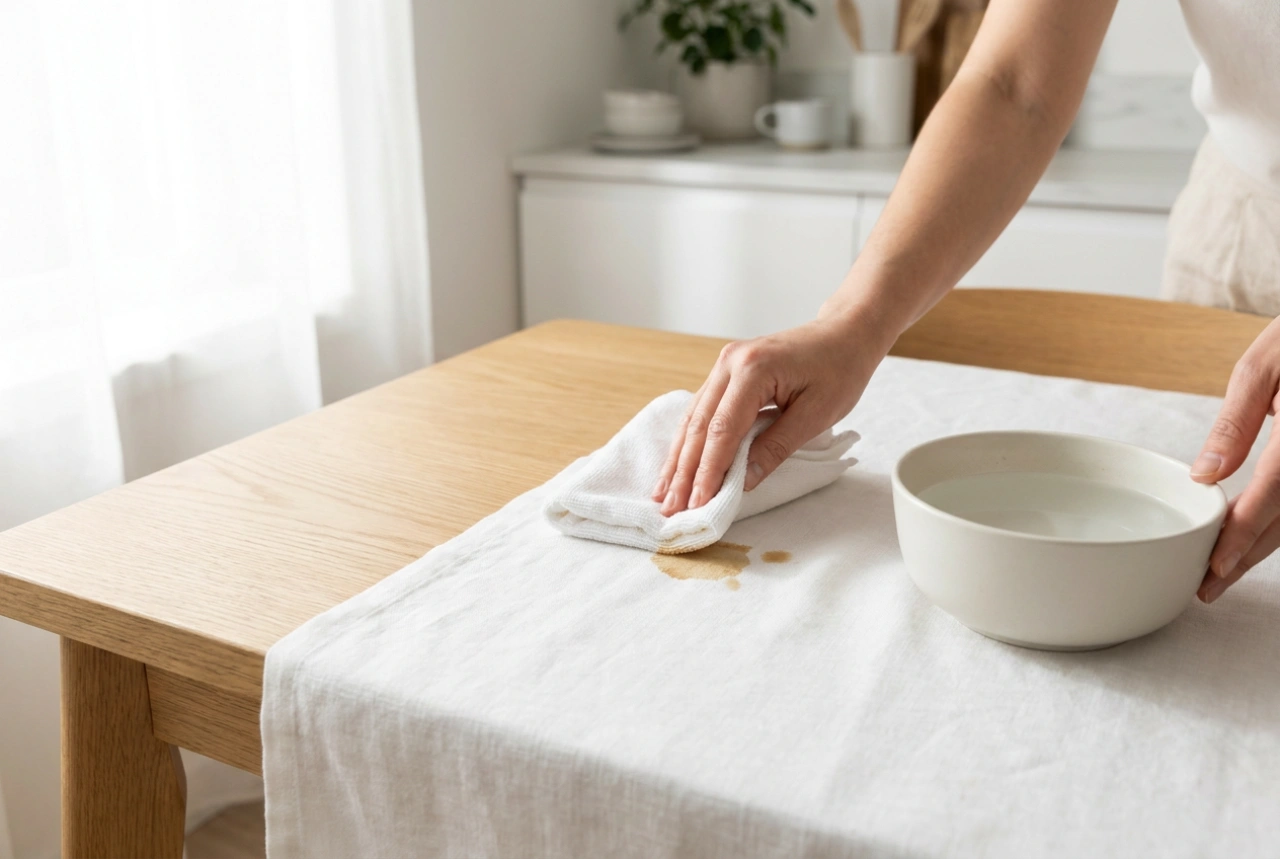
- Blot from the outside in: Using a clean, dry microfiber cloth, press firmly down onto the stain. Work from the outer edges toward the center to contain the pigment. Lift the cloth straight up; do not drag it.
- Rotate the contact area: As the ink transfers to the blotting cloth, shift to a clean section of the cloth to avoid redepositing the ink back onto the garment.
Tailoring the Method to the Fiber Structure
Different textile fibers react uniquely to solvents and mechanical stress. Choosing the wrong agent can weaken the polymer chains of synthetic fibers or strip natural protective oils from animal fibers.
Cotton and Linen (Cellulose Fibers)
Natural cellulose fibers are durable and can withstand strong organic solvents. Isopropyl alcohol or ethanol can be applied directly. If a faint shadow remains after solvent treatment, an oxygen-based bleach (such as sodium percarbonate) dissolved in warm water can be used as a targeted soak to oxidize the remaining dye molecules without degrading the cotton structure.
Polyester, Nylon, and Acrylic (Synthetic Polymers)
Synthetic fibers are thermoplastic and sensitive to aggressive organic compounds. While isopropyl alcohol is generally safe, solvents like acetone must be completely avoided as they will dissolve acetate and severely damage polyester. For synthetics, use a diluted alcohol solution or a surfactant-rich mixture (such as clear, dye-free liquid detergent) to lift the stain before it sets under heat.
Wool and Silk (Protein Fibers)
Protein fibers are highly susceptible to chemical damage and mechanical friction, which causes felting or fiber breakage. Avoid harsh alcohols if possible. Instead, apply vegetable glycerin to the stain. Glycerin acts as a humectant and solvent, softening the dried ink resins over a period of 15 to 30 minutes. Gently blot the area, then rinse with cool water mixed with a few drops of a neutral pH surfactant.
The Final Phase: Emulsification and Washing
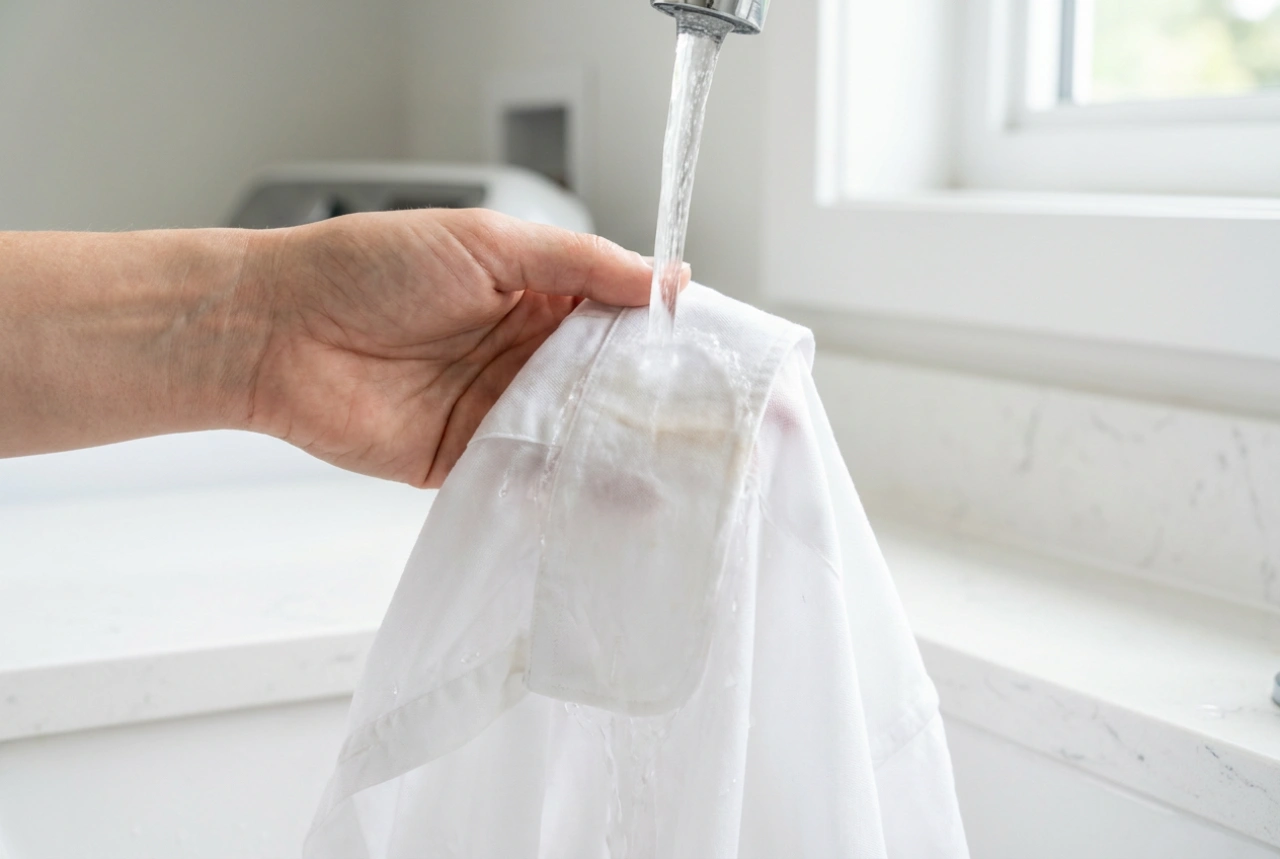
Once the bulk of the pigment has been transferred to the blotting material, any residual particles must be suspended in water using surfactants. Apply a drop of liquid laundry detergent directly to the area and work it gently with your fingertips to emulsify the remaining oils. Rinse thoroughly with cool water. Always inspect the area before placing the garment into a tumble dryer; the high thermal energy of a dryer will permanently bake any remaining pigment into the fibers, making subsequent removal virtually impossible.