

Defrosting a side-by-side refrigerator is only the first step; restoring its hygienic state requires systematic sanitisation of both the food compartments and the integrated ice-dispensing system. Because these large appliances maintain distinct airflow zones, targeted cleaning prevents cross-contamination and ensures your ice remains tasteless and odour-free.
The Science of Refrigerator Odours and Plastic Absorption
Refrigerator interiors are typically lined with High-Impact Polystyrene (HIPS) or Acrylonitrile Butadiene Styrene (ABS). While durable, these polymers are slightly porous and can absorb volatile organic compounds (VOCs) emitted by decomposing food or strong spices. When an appliance is turned off and warms up during defrosting, these trapped compounds are released, often creating a concentrated, unpleasant smell. To neutralise these acidic and basic odour molecules, a chemical buffer is required. Sodium bicarbonate (baking soda) acts as an amphoteric substance, reacting with both acids and bases to convert them into non-volatile, odourless salts. Applying a solution of 15 grams of sodium bicarbonate dissolved in one litre of warm water effectively neutralises these compounds without degrading the polymer lining.
Sanitising the Integrated Ice Maker and Water System
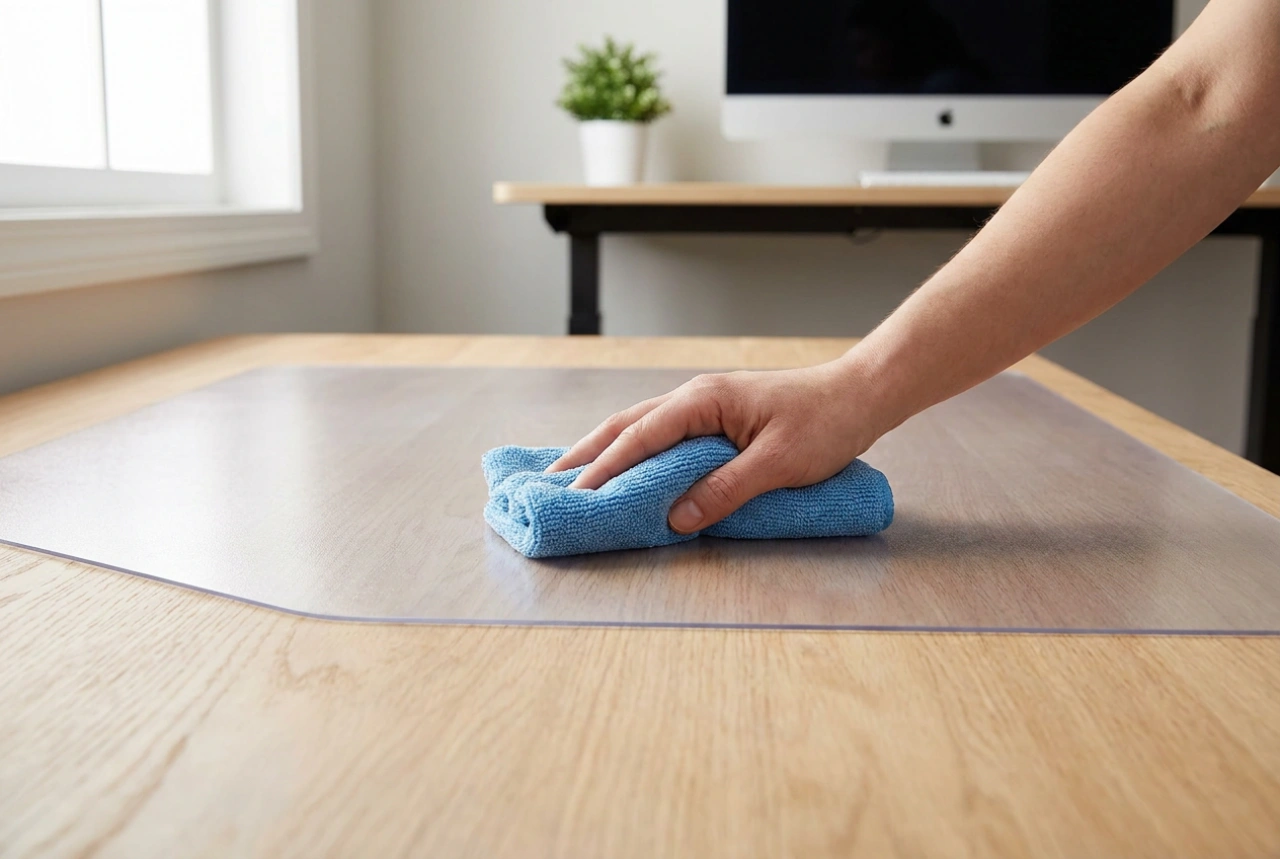
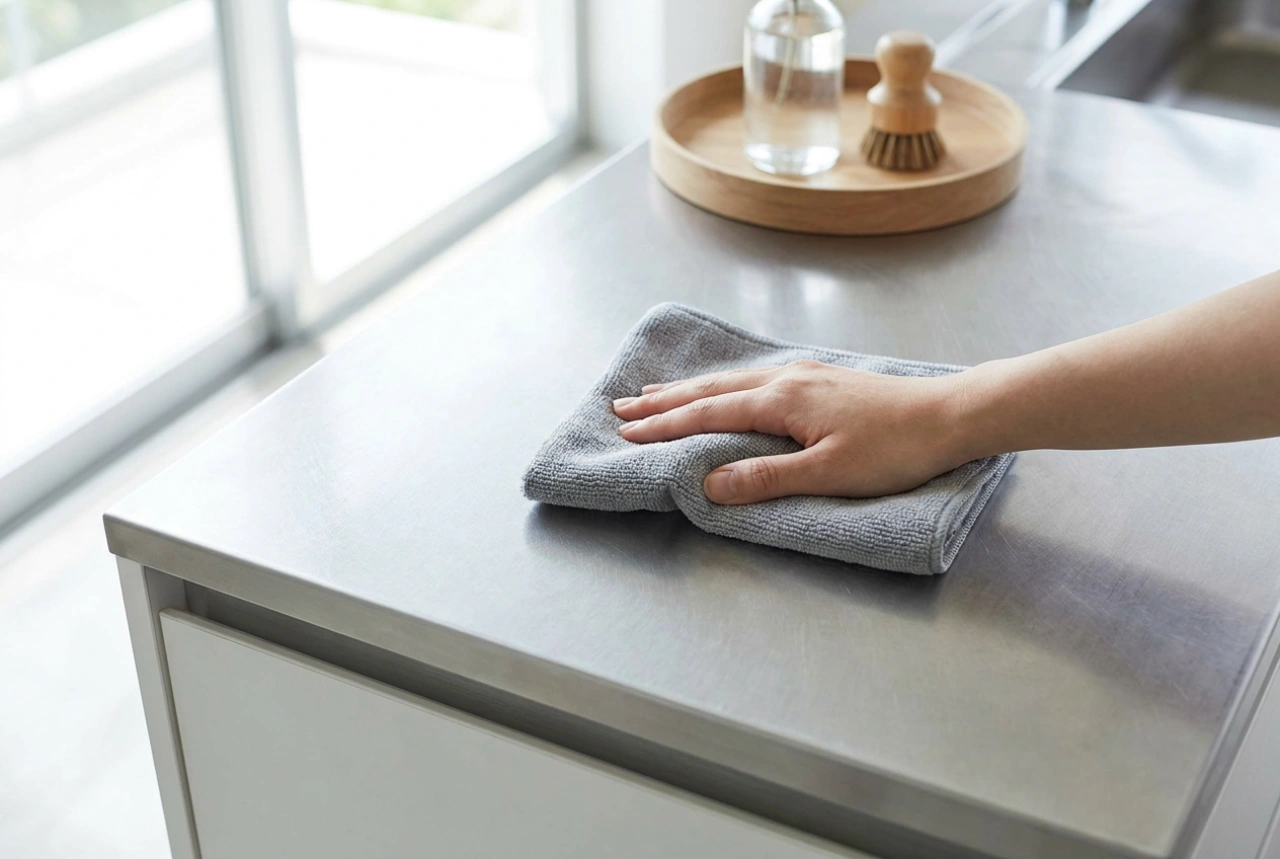
The ice maker and water dispenser loop are highly susceptible to biofilm formation. Biofilms are structured communities of microorganisms encapsulated within a self-developed polymeric matrix that adhere to the inner walls of water tubes and ice moulds. Regular defrosting does not eliminate these biofilms; it merely suspends their activity. To clean this system without using toxic chemicals or damaging delicate silicone seals, use a mild, food-grade acid like citric acid or a 3% hydrogen peroxide solution. Dilute 20 grams of citric acid in one litre of distilled water and pour it into the internal water reservoir if your model features one. Run the dispenser until the solution fills the lines, let it sit for 20 minutes to dissolve mineral scale and disrupt biofilms, then flush the system thoroughly with clean water. If your unit is plumbed directly, focus on manually wiping the ice storage bin and the ejector mechanism with a microfibre cloth dampened with a 1:1 mixture of isopropyl alcohol and distilled water, which evaporates quickly without leaving residue.
Cleaning the Air Ducts and Side-by-Side Shelving
Side-by-side units rely on forced-air convection to distribute cold air between the freezer and fridge compartments. This airflow passes through small ventilation grilles that can accumulate dust, food particles, and mould spores over time. During the post-defrost cleanup, use a soft-bristled brush or a vacuum cleaner with a narrow nozzle to clear these vents. Wipe the grilles down with a mild surfactant solution. When washing glass shelves, always allow them to reach room temperature before exposing them to warm water. Glass is sensitive to thermal shock; sudden temperature shifts can cause micro-fractures, leading to spontaneous shattering. Clean the shelf tracks and rubber door gaskets meticulously. Gaskets are made of flexible PVC or synthetic rubber, which traps moisture and organic matter in its folds. Clean them with a mild soap solution, dry them completely, and apply a thin layer of food-grade silicone grease or talcum powder to preserve their elasticity and ensure an airtight seal.
Re-Commissioning and Passive Odour Control
Once all surfaces are clean and dry, restart the appliance and allow it to reach its target operating temperatures (typically 3 to 4 degrees Celsius for the fridge and -18 degrees Celsius for the freezer) before restocking. The first two to three cycles of ice produced after cleaning must be discarded. This initial ice harvesting process flushes out any remaining sanitising agents or loosened mineral deposits from the internal mechanisms. To maintain a neutral environment going forward, place a shallow container of activated carbon on a central shelf. Activated carbon possesses an incredibly high surface-area-to-mass ratio, allowing it to physically adsorb residual VOCs and moisture far more effectively than standard baking soda alone.