

Cleaning a black side-by-side refrigerator without leaving unsightly streaks requires understanding the relationship between light reflection, lipid residues, and the mineral content of your cleaning solution. Dark surfaces do not hide dust, sebum, or hard water deposits; instead, they act as a high-contrast backdrop that amplifies even the microscopic residue left behind by improper wiping techniques.
The Science Behind Streaks on Dark Surfaces
Streaks are essentially uneven deposits of minerals, fats, or cleaning agents left behind after water evaporates. When light hits a matte or glossy black refrigerator door, any surface irregularity scatters the light unevenly, making smudges and wipe patterns highly visible. The primary culprits are skin lipids (sebum) transferred from hands, calcium and magnesium carbonates from tap water, and surplus surfactant molecules from cleaning detergents that do not volatilize at room temperature. To achieve a streak-free finish, you must use a cleaning agent that dissolves lipids, suspends them in solution, and evaporates completely without leaving non-volatile solutes on the surface.
Choosing the Correct Solvents and Surfactants
Standard household detergents often contain thickening agents, colorants, and artificial fragrances designed to leave a pleasant scent. On a black appliance, these additives remain as a dull film. Instead, opt for simple, highly volatile solvent mixtures. Isopropyl alcohol (isopropanol) mixed with distilled water in a 1:1 ratio is highly effective. Alcohol breaks down non-polar lipid chains (grease and fingerprints) almost instantly and has a high vapor pressure, meaning it evaporates rapidly before water spots can form. Alternatively, a highly diluted solution of white vinegar (acetic acid) can be used to dissolve mineral deposits, though it is less effective against heavy grease than alcohol. Always use distilled or demineralised water; tap water contains dissolved salts that inevitably crystallise into white spots when dry.
The Mechanics of Wiping: Capillary Action and Fiber Structure
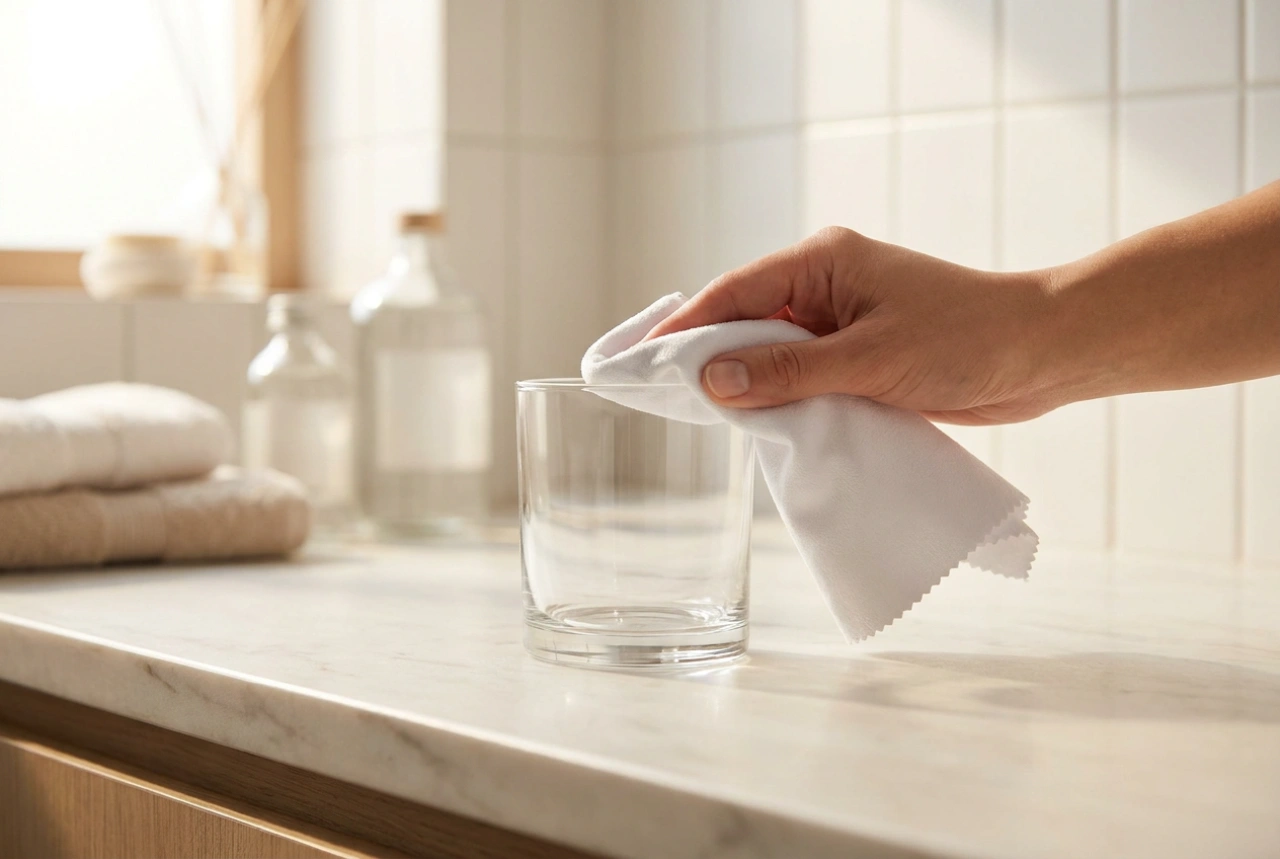
The tool you use is just as important as the liquid agent. Standard cotton cloths have thick, rounded fibers that merely smear grease across flat surfaces. You should use high-density, split-fiber microfiber cloths. The splitting process creates millions of tiny microscopic hooks and channels that use capillary action to lift and trap lipids and moisture deep within the cloth, rather than pushing them around. When cleaning, use two separate cloths: one damp cloth for the active cleaning and lifting of dirt, and a second, completely dry microfiber cloth for immediate buffing. Wiping must be done in straight, overlapping lines—ideally following the grain of the metal if it is brushed steel—rather than circular motions, which create multi-directional light-scattering patterns that appear as circular halos.
Step-by-Step Degreasing and Polishing Protocol
To restore your black side-by-side refrigerator to a flawless state, follow this precise method:
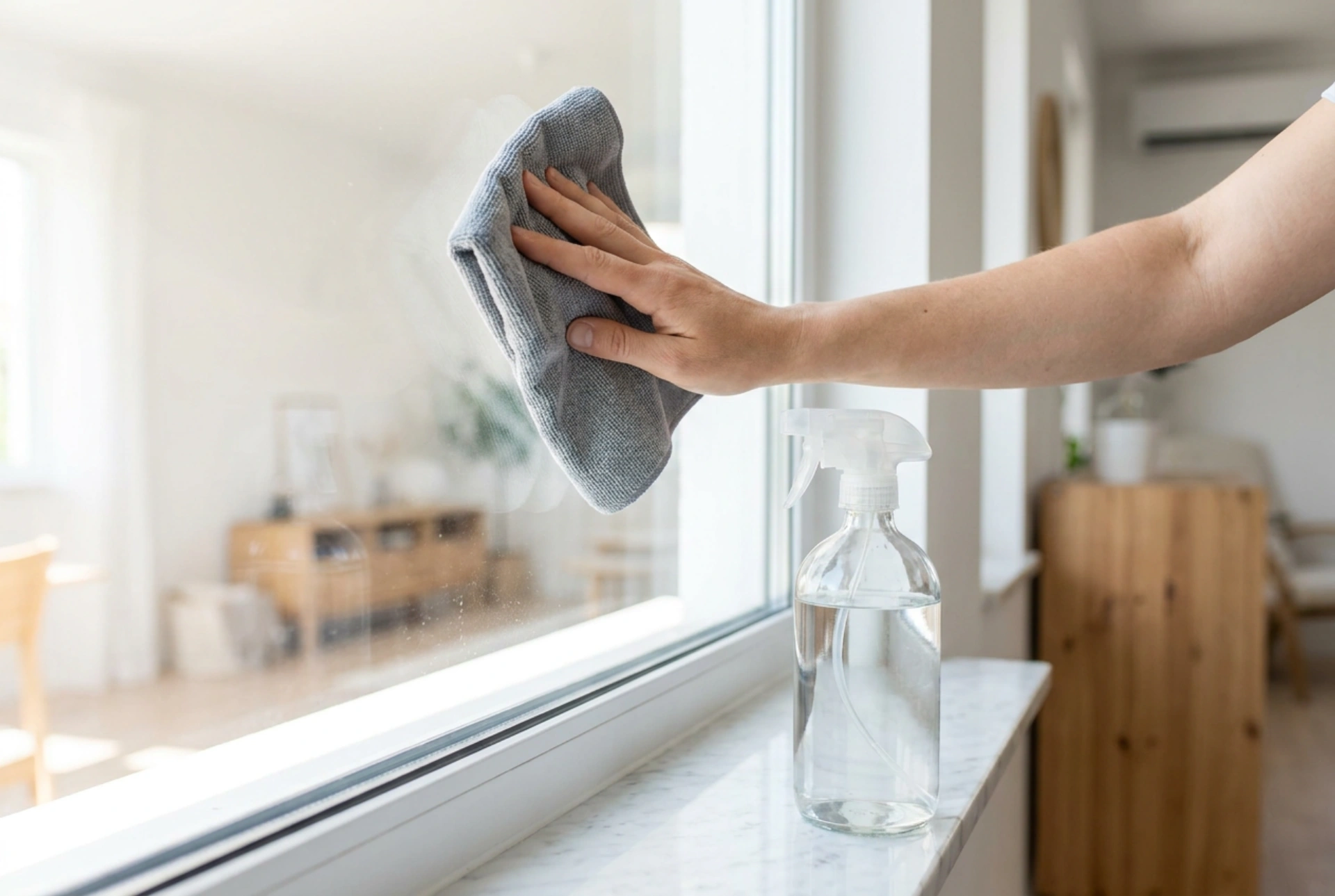
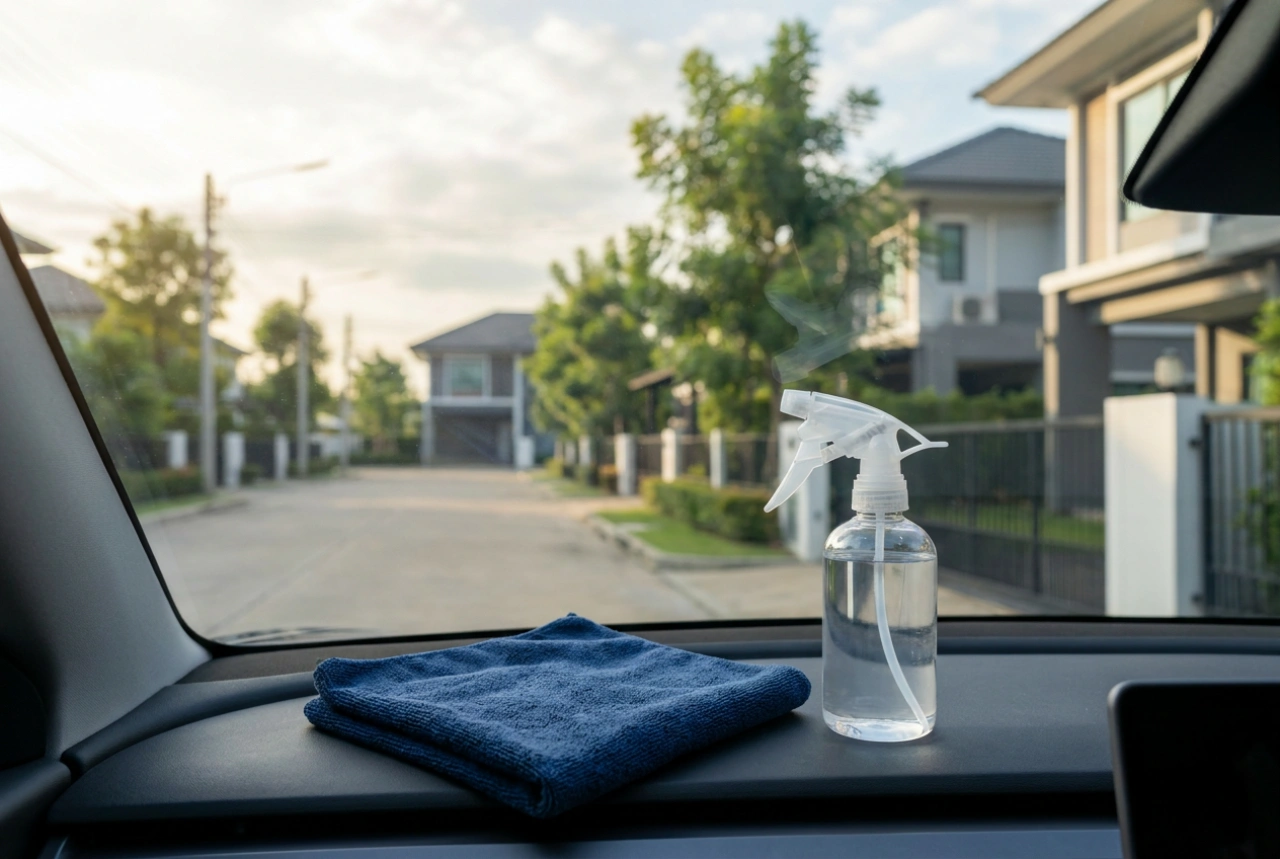
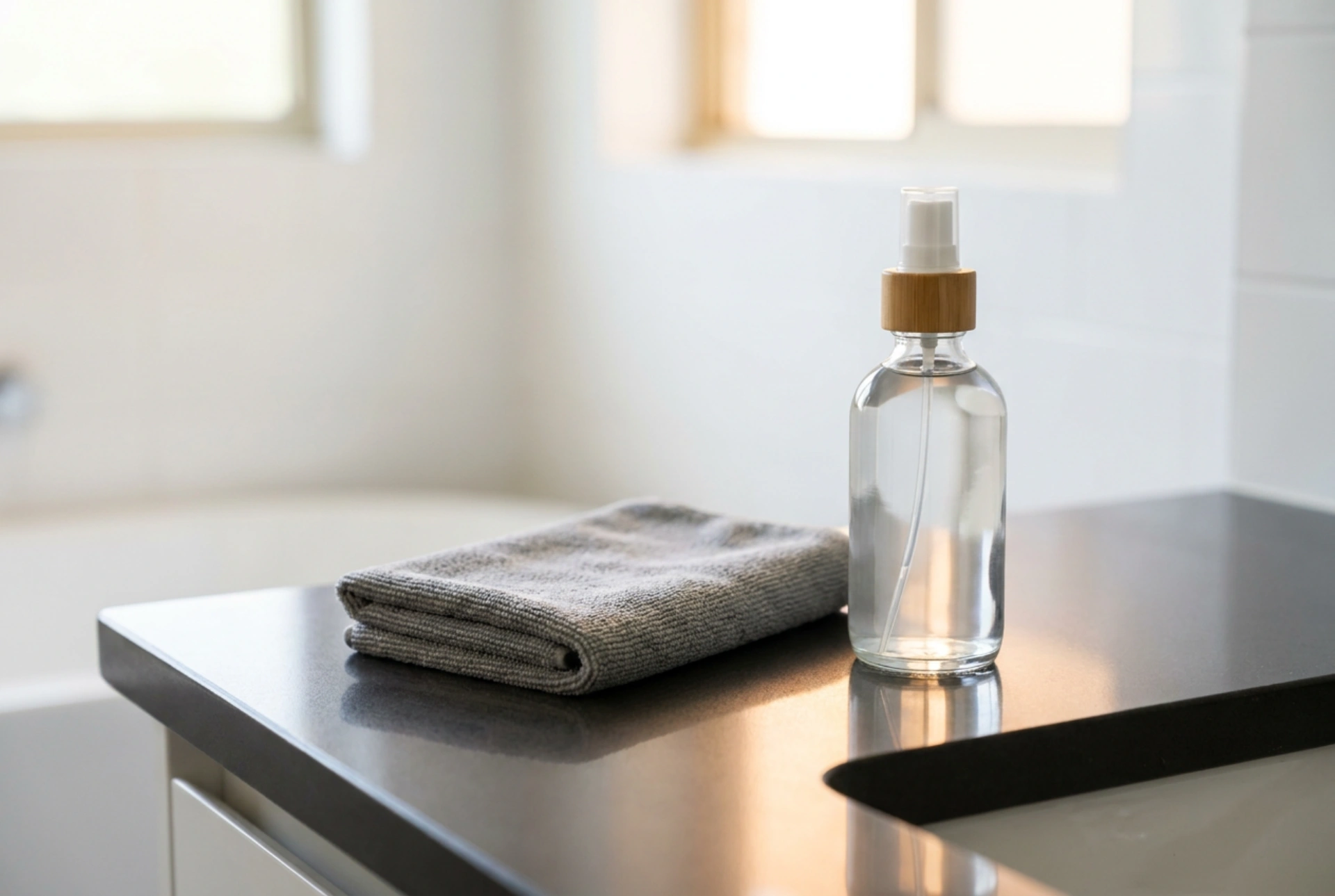
- Preparation: Mix equal parts of isopropyl alcohol and distilled water in a clean spray bottle. Ensure your microfiber cloths are freshly washed without fabric softeners, as softeners deposit silicone-based hydrophobic films that cause severe smearing.
- Application: Lightly mist the cleaning solution directly onto the first microfiber cloth, not the refrigerator door. Spraying the appliance directly can lead to runs and drips that dry at different rates, leading to uneven chemical concentrations and stubborn vertical marks.
- Wiping: Wipe the surface starting from the top down, using moderate, even pressure in horizontal lines. Ensure each pass overlaps the previous one by about twenty percent to guarantee complete coverage.
- Drying and Polishing: Immediately follow behind the damp cloth with the dry, high-pile microfiber cloth. This step must be performed while the surface is still slightly damp, capturing the suspended dirt and solvent before it has a chance to air-dry and crystallize.
By controlling the purity of your water, utilizing volatile solvents like isopropyl alcohol, and leveraging the mechanical superiority of split microfiber, you can maintain a deep, streak-free black finish on your side-by-side refrigerator without relying on heavy, oil-based polishes that ultimately attract more dust over time.