

Air ionisers improve indoor air quality by dispersing negatively charged ions that bond with airborne pollutants, but improper use can lead to ozone accumulation and surface discoloration. Understanding the physical principles of electrostatic precipitation is key to operating these devices safely and effectively in residential spaces.
The Physics of Air Ionisation
Air ionisers operate by using high-voltage electricity to apply a negative charge to surrounding air molecules. This process, often achieved via corona discharge, releases billions of free electrons into the atmosphere. These electrons rapidly attach to neutral oxygen molecules, turning them into negative ions. Once released, these negative ions seek out positively charged airborne particles, such as fine dust, pollen, mould spores, and pet dander.
When a negative ion collides with a positive pollutant, an electrostatic attraction occurs, causing the particles to clump together. This process, known as agglomeration, increases the mass of the particles until they are too heavy to remain suspended in the air. Consequently, they fall out of your breathing zone and settle onto the floor, furniture, or other nearby surfaces. While this effectively clears the air, it does not destroy the pollutants; it merely relocates them from the air to your household surfaces.
Understanding the Ozone Byproduct
A crucial safety aspect of air ionisation is the potential generation of ozone (O3). The high-voltage electrical field that splits oxygen molecules to create ions can also cause oxygen atoms to recombine into ozone. While oxygen in the atmosphere exists as a stable diatomic molecule (O2), ozone contains three oxygen atoms and is highly reactive.
In high concentrations, ozone acts as a powerful oxidant that can irritate the respiratory tract, causing throat irritation or coughing. To mitigate this risk, it is vital to operate ionisers in well-ventilated rooms. Never use a high-output ionising device in small, sealed spaces for extended periods. Setting the device to run on a timer when the room is empty is a highly effective way to gain the benefits of clean air without inhaling fresh ozone, which naturally degrades back into standard oxygen (O2) within a few hours.
Strategic Placement to Avoid the Black Wall Effect
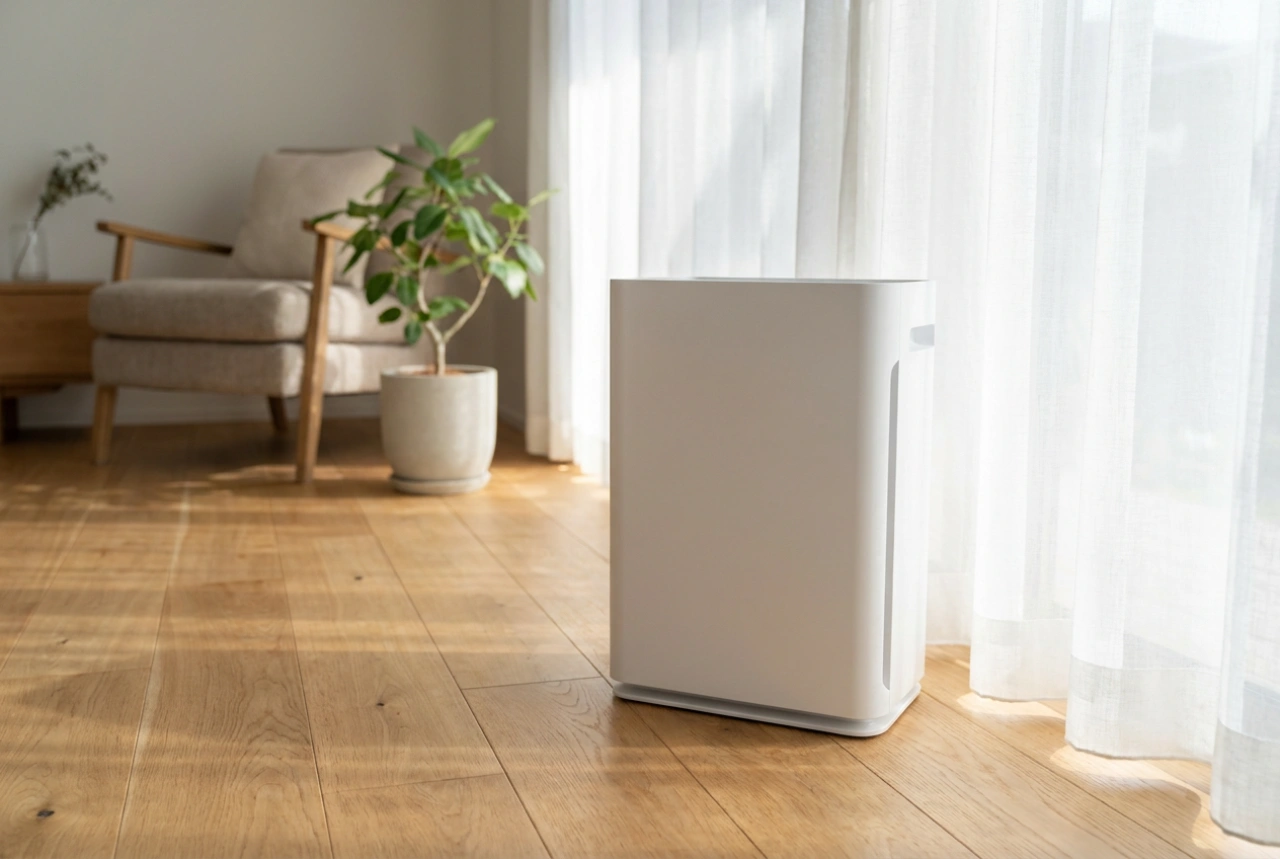
Because ionised particles carry an electrostatic charge, they are naturally attracted to grounded, conductive surfaces. This includes your walls, ceilings, and electronic equipment. If an ioniser is placed too close to a wall, the charged dust particles will collect on the paint or wallpaper, creating dark, stubborn smudges commonly referred to as the "black wall" effect. To prevent this cosmetic damage and ensure optimal performance, follow these placement guidelines:
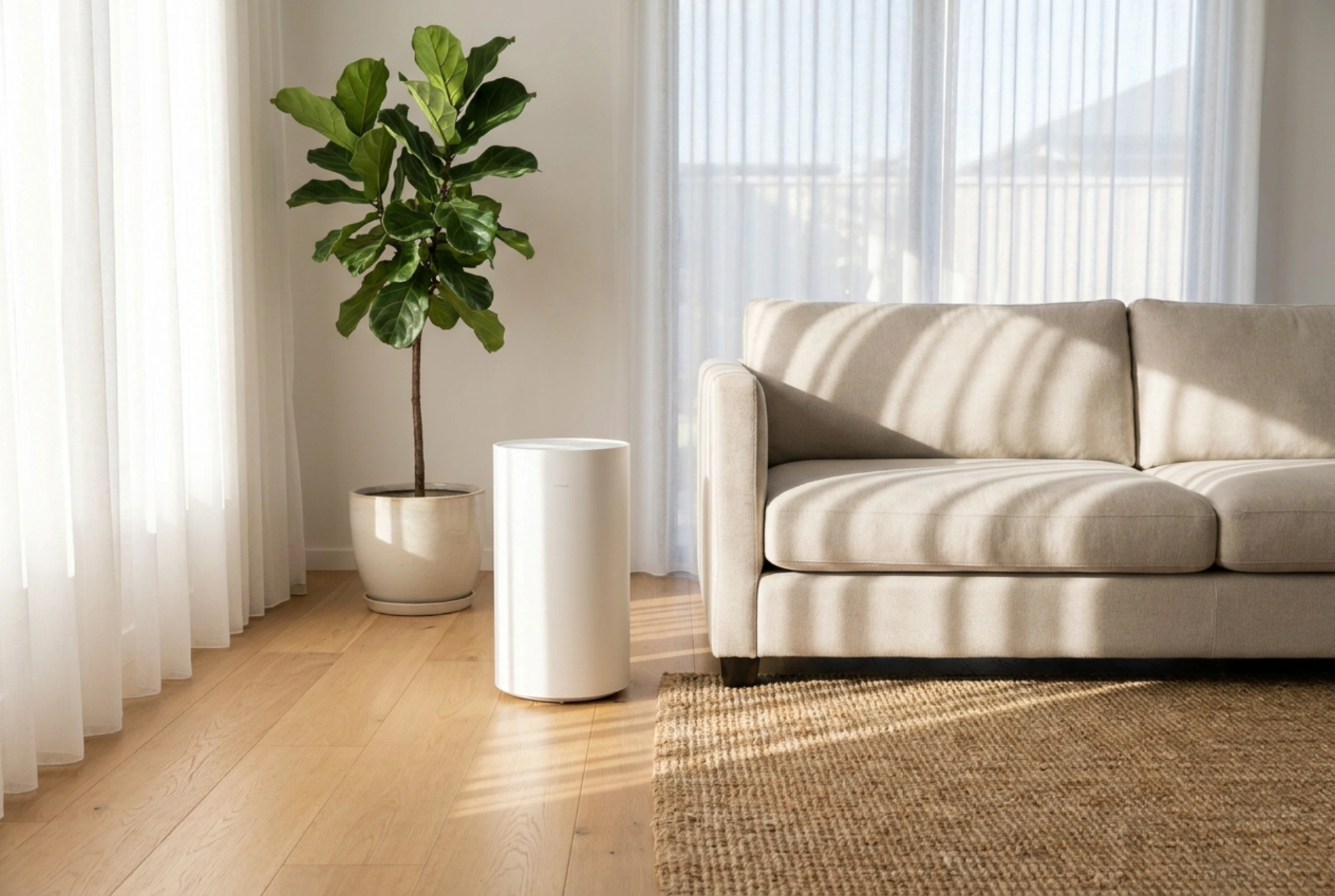
- Position the device at least one metre away from any walls, curtains, or wooden furniture.
- Place the unit on a hard, non-porous surface that is easy to wipe down, such as sealed wood or tile, rather than directly on thick carpeting.
- Ensure the ioniser is elevated slightly, such as on a side table, to allow the negative ions to disperse evenly throughout the middle layer of the room before settling.
Maintenance and Surface Hygiene Protocols
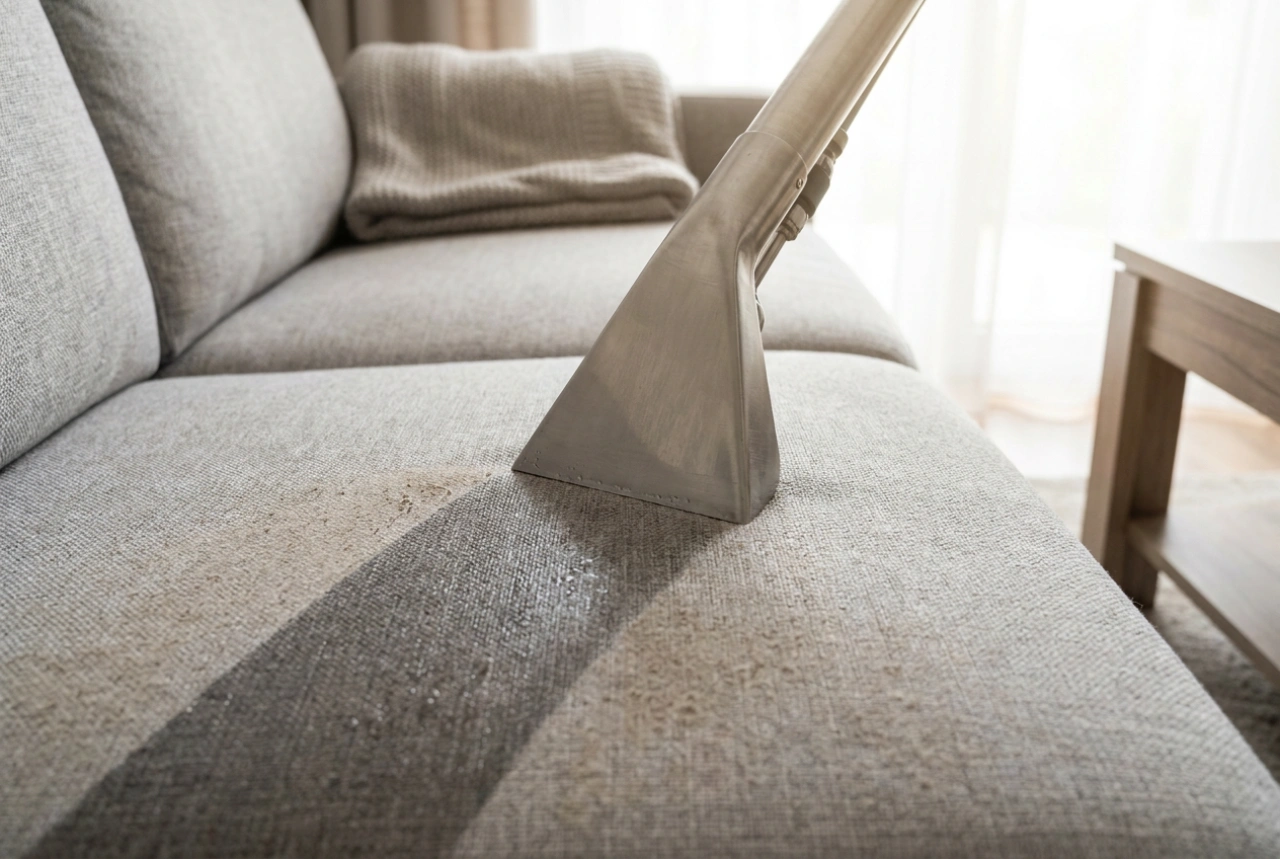
Because an ioniser deposits airborne dust onto flat surfaces, your cleaning routine must adapt to prevent these particles from being kicked back into suspension. Frequent wet dusting is highly recommended, as dry dusting merely redistributes the statically charged particles. Use a damp microfibre cloth to capture the settled dust from tables, shelves, and baseboards.
Additionally, vacuum floors regularly using a machine equipped with a high-efficiency particulate air (HEPA) filter. This ensures that the heavy, agglomerated dust on the floor is securely trapped rather than blown back out through the vacuum exhaust. Periodically clean the ioniser itself by unplugging it and gently clearing any dust buildup from the emitter needles using a dry cotton swab to maintain optimal electrical efficiency.