

Potato starch is a natural polymer consisting of amylose and amylopectin, which acts as a highly effective adhesive once it dries. Cleaning potato graters and grinding attachments requires a clear understanding of how these starch molecules behave under different temperatures and chemical conditions to avoid turning the residual paste into an indestructible glaze on your kitchen equipment.
The Science of Starch Gelatinisation and Temperature Control
When potatoes are ground or grated, the mechanical force ruptures the vegetable cells, releasing microscopic starch granules suspended in the potato's natural moisture. If these granules are immediately exposed to hot water, they undergo a physical transformation known as gelatinisation. At temperatures exceeding 60°C, the starch granules absorb water rapidly, swell to many times their original size, and eventually burst. This releases free amylose chains into the water, creating a highly viscous, sticky gel that penetrates the microscopic pores of stainless steel and plastic surfaces. When this gel dries, it contracts and polymerises into a tough, glass-like laminate that is exceptionally difficult to scrape off. To prevent this chemical bonding, the first and most critical step is always a thorough pre-rinse using cold water. Cold water keeps the starch granules in a stable, crystalline state, preventing swelling and allowing them to be flushed away freely without sticking to the metal substrate.
The Chemistry of Alkaline Soaking for Dried Starch
If potato residue has already dehydrated and hardened inside the intricate perforations of a grater drum or grinding plate, mechanical scrubbing alone is often insufficient and can dull the sharp cutting edges of the tool. Instead, the polymer matrix of the dried starch must be broken down chemically. This can be achieved through alkaline hydrolysis. Sodium bicarbonate (commonly known as baking soda) is an excellent, non-toxic alkaline agent for this task. When dissolved in water, it slightly raises the pH level, which helps to disrupt the hydrogen bonds holding the amylose and amylopectin chains together. To clean dried components, prepare a soaking bath of lukewarm water—strictly maintaining a temperature below 50°C to prevent any thermal gelatinisation—and dissolve two to three tablespoons of sodium bicarbonate into it. Submerge the disassembled metal and plastic components completely. Allow them to soak for approximately twenty to thirty minutes. During this period, the alkaline water penetrates the dried starch crust, hydrating and expanding the polymer structure, which causes it to lose its adhesion to the metal surface and lift away naturally.
Selecting the Right Tools and Mechanical Techniques
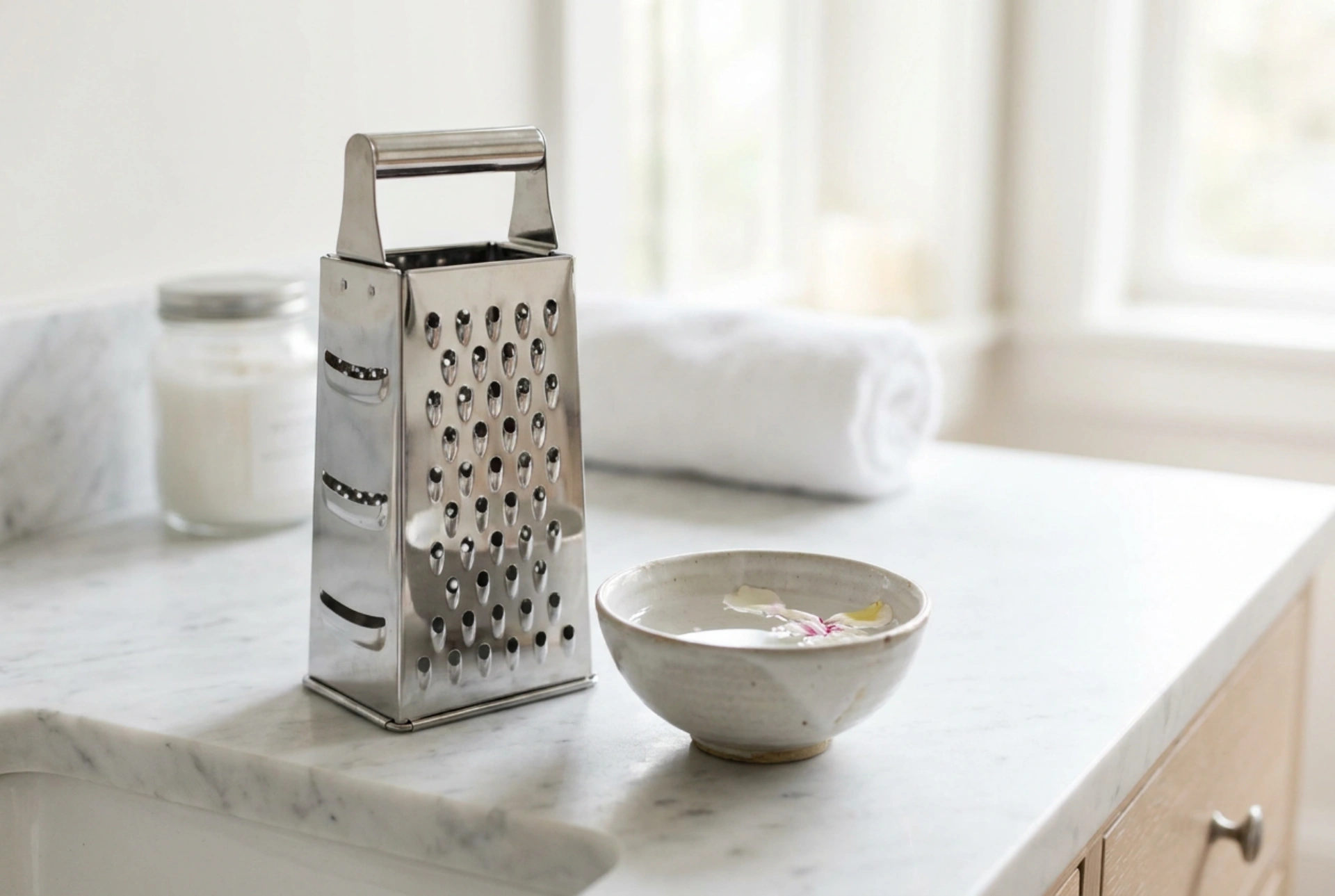
After soaking, the remaining loosened starch must be cleared from the fine holes and cutting surfaces. Standard cellulose sponges are highly ineffective for this task; the soft material cannot reach into the small perforations of a potato grater, and the sticky starch quickly clogs the sponge's pores, rendering it useless. Instead, use a stiff-bristled brush made of nylon or natural fibres. Nylon bristles have the necessary tensile strength to push through the holes of a grinding plate or grater without bending, yet they are soft enough not to dull the honed steel edges. When scrubbing a grater, always brush from the back of the blade assembly (the dull side) forward. This pushes the trapped potato fibres and starch out through the cutting holes rather than jamming them further into the blades. For the cylindrical holes of grinding plates, use a small bottle brush or wire-stemmed nylon brush of matching diameter, pushing it entirely through each hole to ensure no internal starch plugs remain.
Preventing Oxidation and Maintaining Equipment Longevity
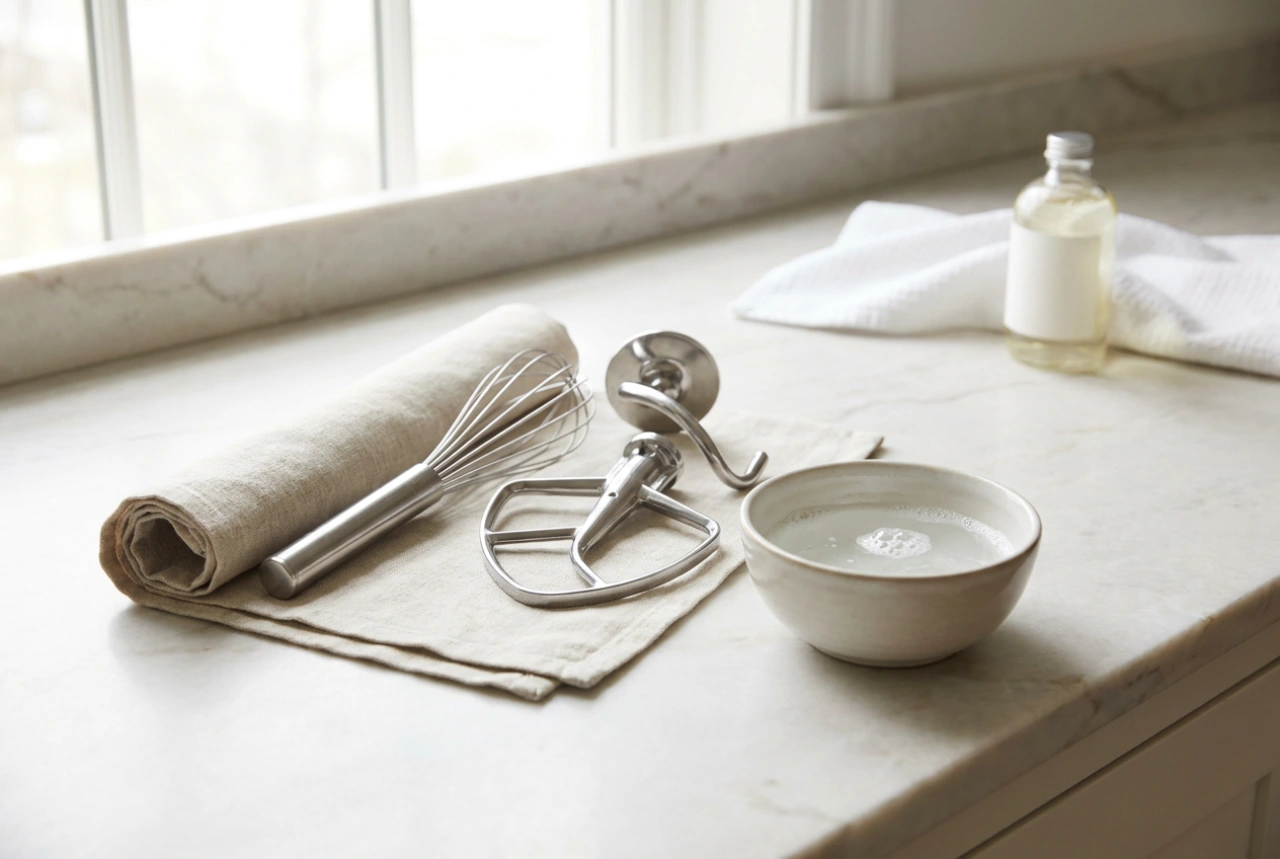
Starch deposits are not only difficult to clean, but they also trap moisture against the metal surface, which can lead to localised crevice corrosion on stainless steel or rapid rusting on cast iron parts. If you are unable to clean your potato grinder immediately after use, always submerge the dirty components in a bowl of cold water to keep the starch fully hydrated until you are ready to wash them. Once the cleaning process is complete, drying the components thoroughly is essential. Use a dry, lint-free microfibre cloth to remove all surface water immediately after rinsing. For cast iron or carbon steel grinders, which lack the chromium content of stainless steel to resist rust, apply a micro-layer of food-grade neutral oil (such as highly refined mineral oil) to all metal surfaces before storage. This barrier prevents atmospheric oxygen and residual humidity from reacting with the iron, keeping the grinding surfaces sharp and rust-free for future use.