

Removing polymerized grease from an electric kebab slicer requires a systematic approach based on lipid chemistry rather than aggressive scrubbing, which can damage the blade and motor housing.
Understanding the Chemistry of Kebab Grease
The residue found on electric kebab slicers consists of animal fats that have undergone thermal degradation and polymerization. When animal lipids are repeatedly heated and exposed to oxygen, they undergo a chemical reaction that transforms liquid fats into a sticky, varnish-like polymer. Simple wiping with cold water is ineffective because animal fats have a high melting point, typically between 35°C and 45°C. To break these bonds, you must use temperature and chemical surfactants to emulsify the lipids, making them water-soluble.
Pre-Cleaning Safety Protocol
Before initiating any cleaning process on an electrical appliance, safety must be prioritized. Always disconnect the power cable from the wall outlet. Never submerge the motor housing or the power cord in water. The internal electrical components must remain completely dry to prevent short circuits and oxidation. When handling the circular blade, wear cut-resistant gloves. The blade is exceptionally sharp, and grease makes the surface slippery, significantly increasing the risk of injury during disassembly.
The Dissociation and Emulsification Process
To clean the slicer effectively without abrasive tools, follow a structured chemical approach:
Disassembly
Carefully remove the circular blade and the protective guard according to the manufacturer manual. Separating these components prevents grease from becoming trapped in the joints and threads.Thermal Activation
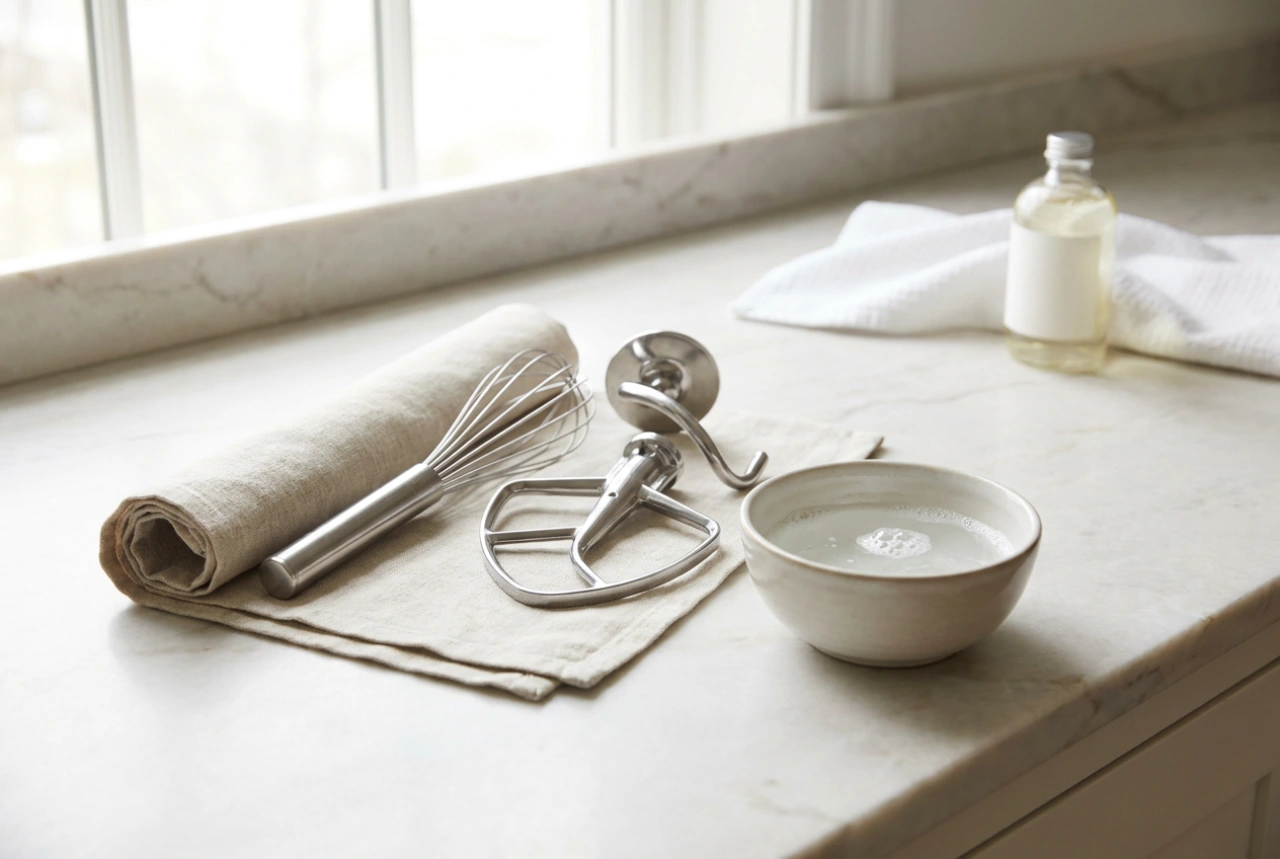
Immerse the detached metal parts—specifically the blade and guard—in hot water kept at approximately 55°C to 60°C. This temperature is high enough to melt the solidified fat molecules without warping the metal components.Surfactant Application
Introduce a highly concentrated dishwashing liquid or a mild sodium carbonate (washing soda) solution to the hot water bath. Surfactants contain hydrophilic (water-attracting) and lipophilic (fat-attracting) ends. The lipophilic ends attach to the grease molecules, while the hydrophilic ends pull them into the water, creating a stable emulsion that can be easily rinsed away.Mechanical Action
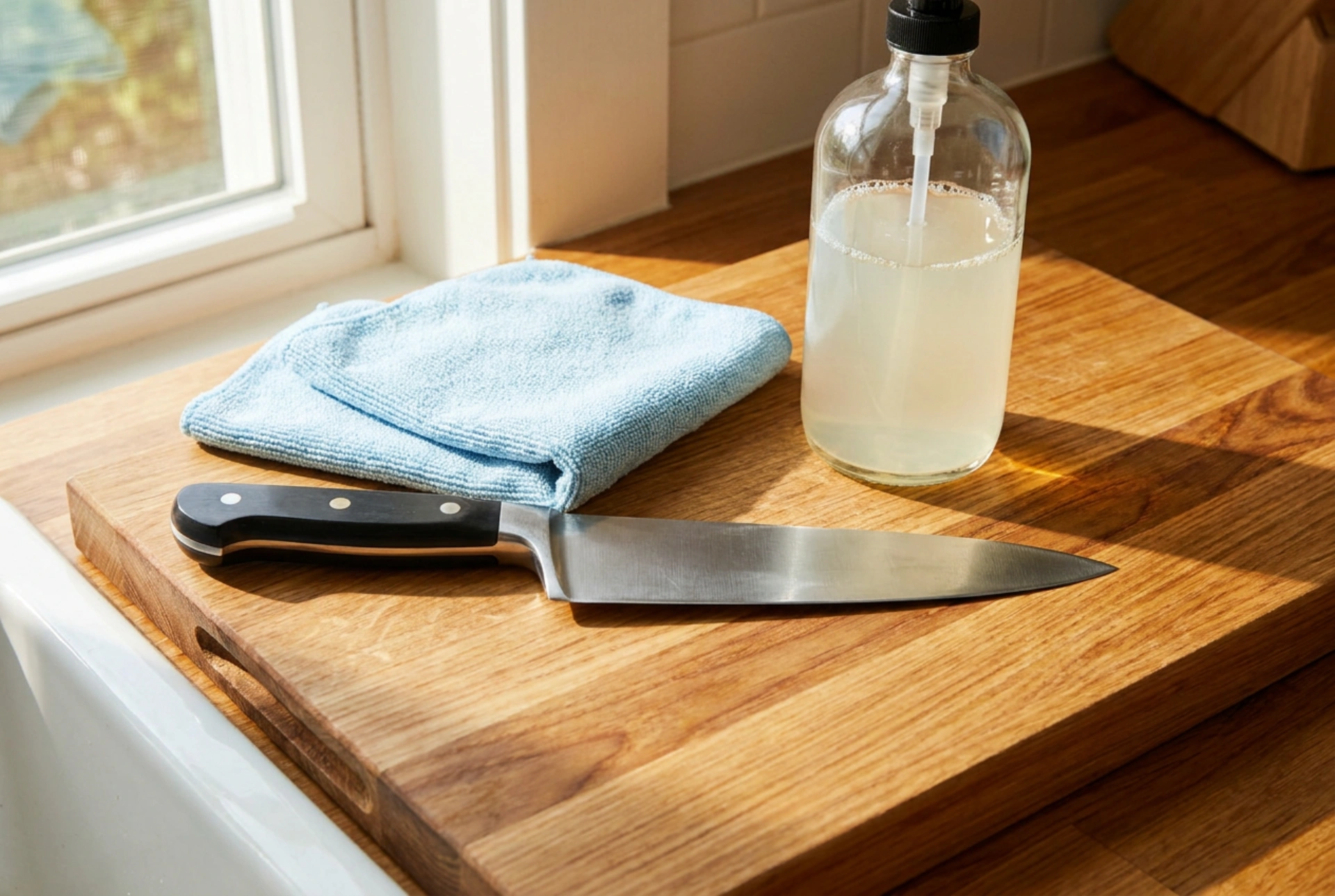
For stubborn, polymerized spots, use a non-abrasive nylon brush or a microfiber cloth. Move the brush in circular motions along the flat surface of the blade, working from the center outwards to avoid the sharp edge. Avoid using steel wool or metallic scourers, as they create microscopic scratches on the stainless steel. These micro-scratches provide a porous surface where bacteria and fresh grease can anchor more easily in the future.
Cleaning the Motor Housing
The main body of the slicer, which contains the motor, cannot be soaked. Instead, use a damp microfiber cloth wrung out in a warm surfactant solution. Wipe the housing carefully, ensuring no liquid penetrates the power switch, ventilation slots, or shaft seal. Dry the housing immediately with a clean, lint-free cloth. Residual moisture on the housing can lead to localized corrosion or compromise the electrical insulation over time.
Rinsing, Drying, and Reassembly
Once the grease is emulsified and wiped away, rinse the blade and guard thoroughly under running warm water to remove all chemical residues. Any leftover surfactant can dry into a film that affects the flavor of the food and attracts more dust. Dry every component completely using a clean cloth. Moisture trapped in the screw threads or the blade shaft can lead to rust. Apply a thin layer of food-grade mineral oil to the blade before reassembly; this acts as a hydrophobic barrier, preventing moisture from contacting the metal and reducing the rate of future grease polymerization.