

Removing stubborn milk fat and proteins from a manual milk frother requires a systematic approach based on food chemistry and surface tension. Skipping a thorough wash leads to oxidized lipids, a rancid smell, and a persistent sticky film that degrades both the hygiene and the performance of your frothing device.
Understanding the Chemistry of Milk Residue
Milk is a complex emulsion of water, proteins (casein and whey), lipids (fats), and sugars (lactose). When milk is heated and agitated to create foam, these components undergo physical and chemical changes. Proteins denature and form a stabilizing network around air bubbles, while fats liquefy and coat the surfaces of your frother. If hot water is applied immediately to a dirty frother, it coagulates the remaining proteins, effectively baking them onto the stainless steel mesh or whisk. This creates a hard, microscopic binder that traps grease and minerals, forming a resilient, cloudy film.
The Two-Step Temperature Rinse Protocol
To prevent proteins from bonding permanently to the metal mesh, you must control the water temperature during the initial cleaning phase. Always begin with a lukewarm water rinse (around 30°C to 35°C). Water at this temperature is warm enough to melt solid milk fats without coagulating the delicate whey proteins. Swirl the plunger or whisk in a cup of lukewarm water immediately after use to flush away the bulk of the residue. Once the proteins are rinsed away, transition to hot water (50°C to 60°C) combined with a surfactant. The high temperature at this stage decreases the viscosity of the remaining fats, allowing the detergent to emulsify and lift them from the surface.
Using Surfactants and Hydraulic Force
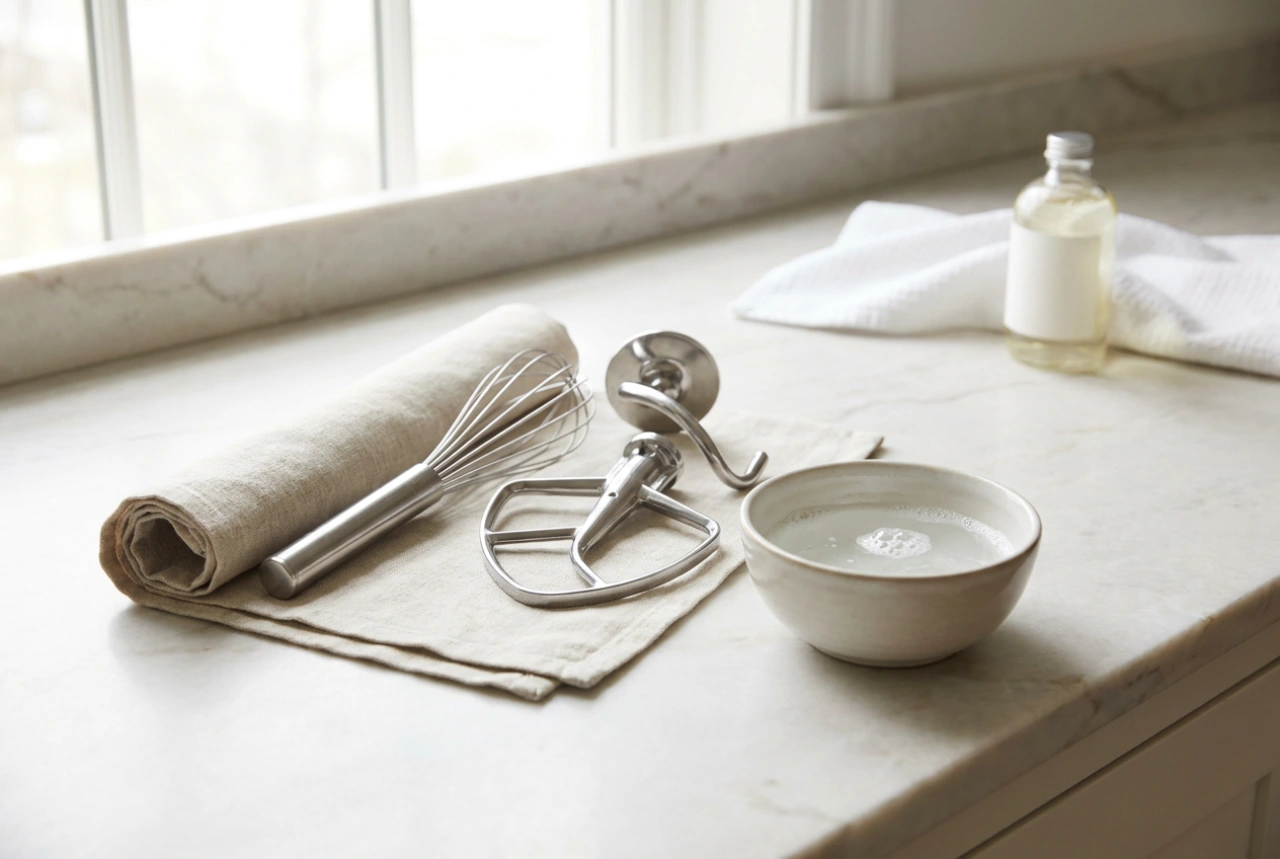
A standard liquid dish detergent acts as a powerful surfactant. The hydrophobic tails of the detergent molecules bind to the milk lipids, while the hydrophilic heads bond with water, allowing the grease to be washed away. To clean a plunger-style manual frother, fill a clean beaker or cup with hot, soapy water. Insert the plunger and rapidly pump it up and down. This motion creates high-velocity hydraulic currents that force the soapy water through the fine mesh openings, dislodging trapped fats that brushes cannot reach. For handheld whisk frothers, submerge the whisk element in soapy water and spin it on its highest setting for fifteen seconds to achieve a similar shear force.
Deep Cleaning and Mineral Scale Removal
Over time, minerals from tap water can combine with milk proteins to form "milkstone," a tough, white deposit. To dissolve this buildup without using harsh chemical cleaners, use a mild food-safe acid like citric acid or white vinegar. Soak the metal components in a solution of warm water and citric acid (one tablespoon per litre) for ten minutes. The acid breaks down the mineral bonds, releasing the trapped protein and fat molecules. Rinse thoroughly with clean water afterward to prevent any acidic taste from transferring to your next batch of milk.
Proper Drying to Prevent Microbial Growth
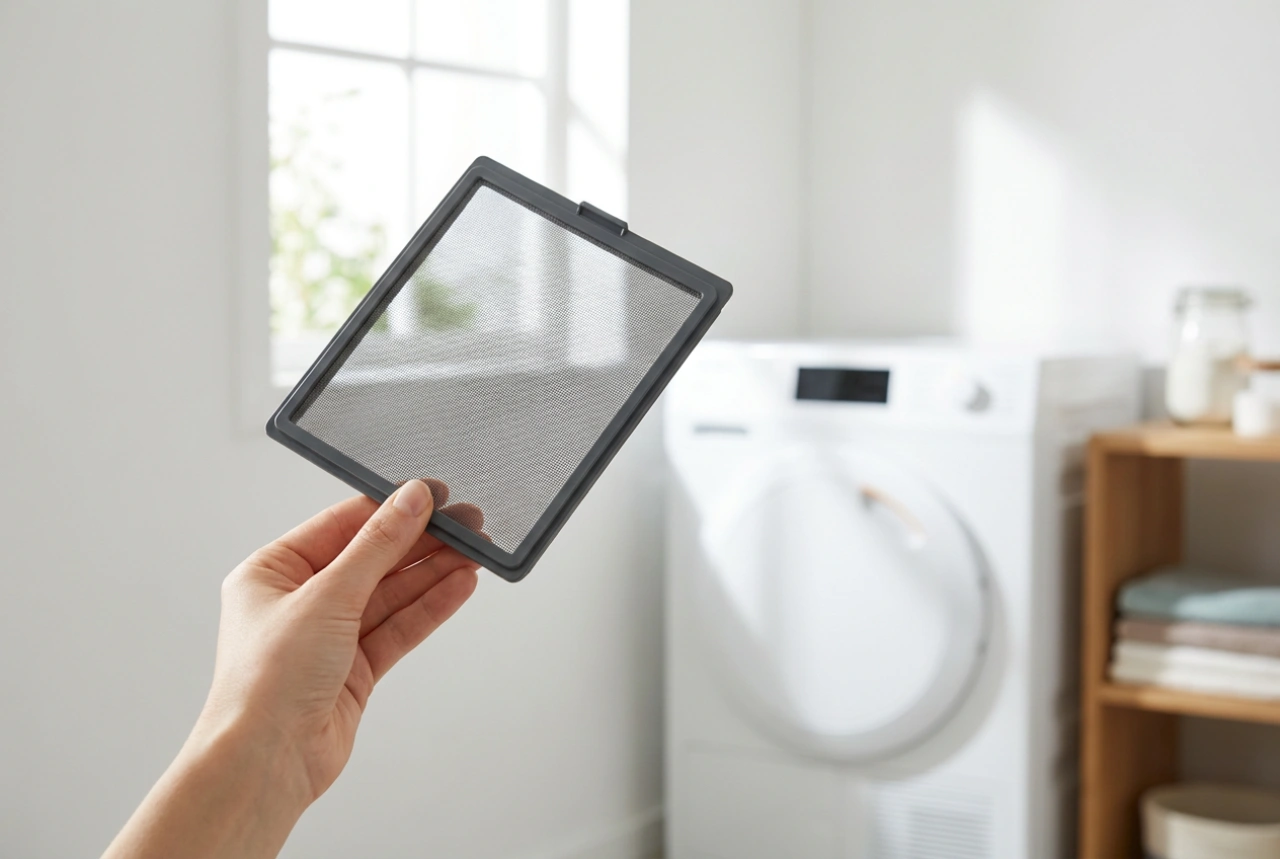
Residual moisture is the primary catalyst for bacterial proliferation on kitchen utensils. After washing and rinsing your manual frother, shake off excess water. Disassemble the plunger mechanism if possible to expose all overlapping metal rings and springs. Let the parts air-dry on a clean, ventilated rack. Avoid using fibrous kitchen towels that can transfer lint or dust onto the fine mesh, as these particles can act as nucleation sites, causing uneven foam structure during your next use.