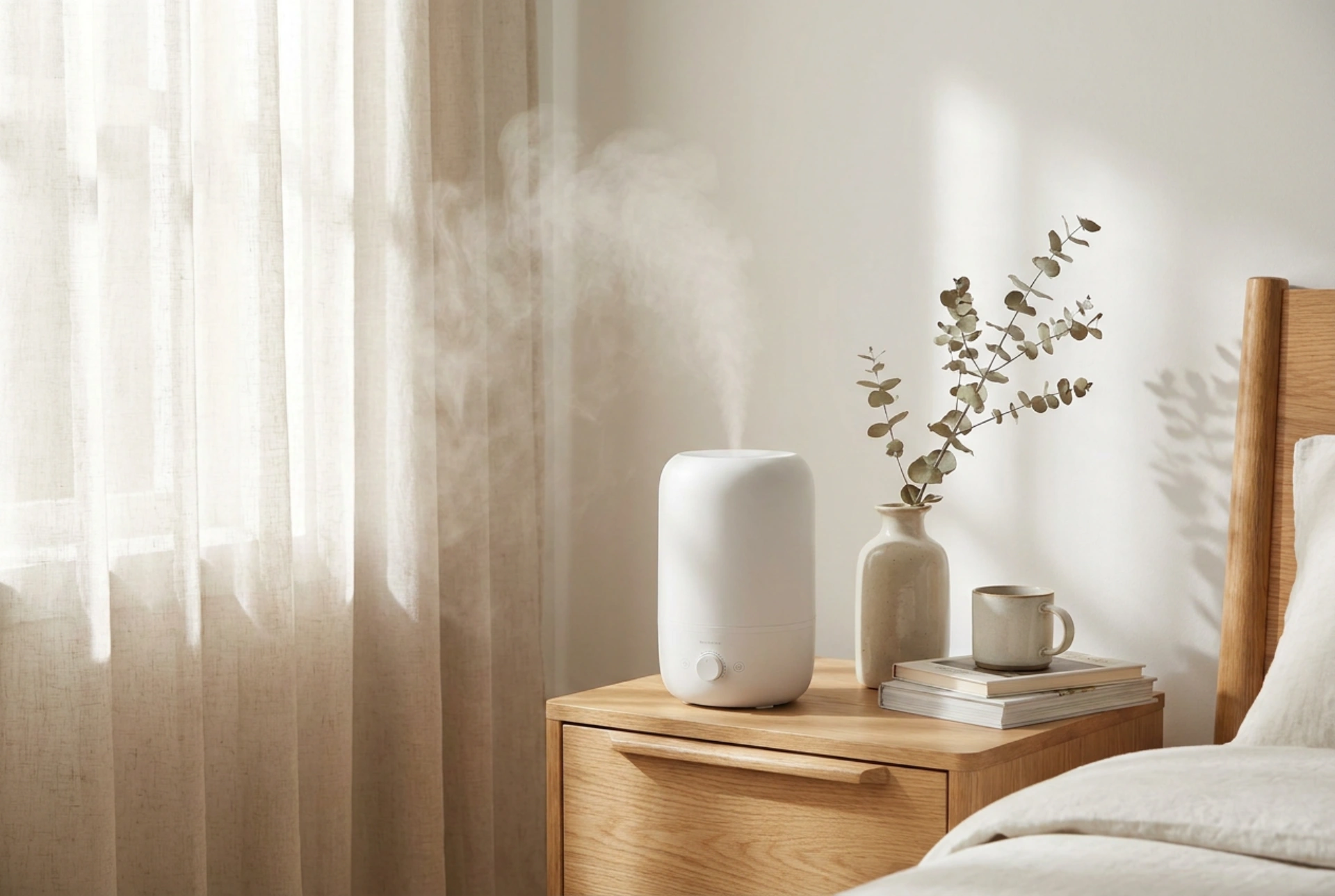


Integrating an air humidifier with an ioniser into your indoor climate control strategy can significantly improve air quality, provided you understand the physical and chemical principles at play. Balancing moisture levels while managing airborne particulate matter requires strict adherence to operating parameters to prevent mineral buildup and unwanted chemical reactions.
How Ionisation and Humidification Work Together
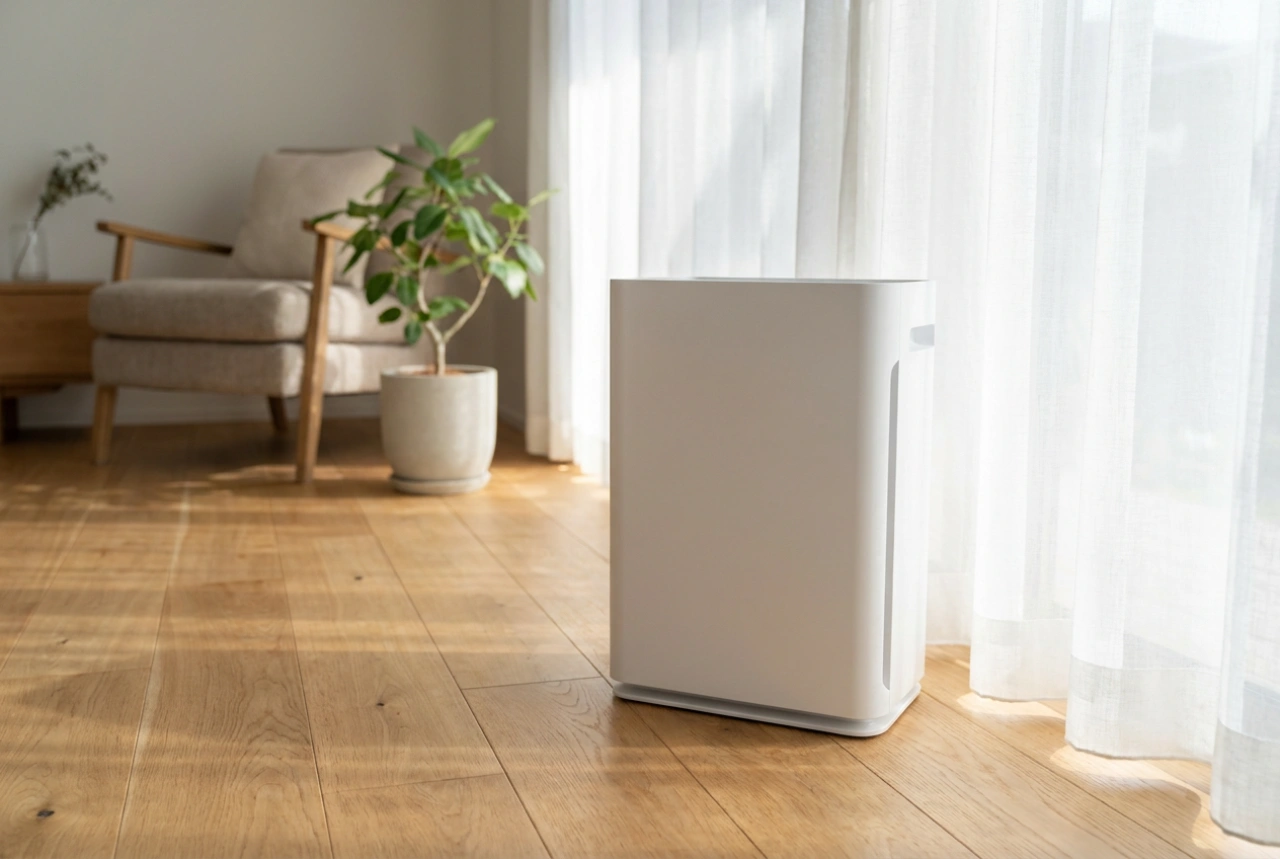
Humidifiers increase indoor relative humidity by dispersing water vapour, while ionisers release negatively charged ions into the air. These negative ions attach to positively charged airborne particles, such as dust, pollen, and pet dander, through electrostatic attraction. Once bound, these particles become too heavy to remain airborne and settle onto floor surfaces, where they can be easily vacuumed. This dual action targets both dry air and suspended particulate matter simultaneously, clearing the breathing zone of fine pollutants.
The Importance of Water Purity
The choice of water is critical, particularly in ultrasonic humidifiers with integrated ionisers. Tap water contains dissolved minerals, primarily calcium and magnesium carbonates. When ultrasonic transducers vibrate at high frequencies to create a fine mist, these minerals are aerosolised alongside the water molecules. As the mist evaporates, it leaves behind a fine white mineral dust on furniture and floors. More importantly, inhaling these fine mineral particles can irritate the respiratory system. To prevent this, always use distilled or demineralised water. Evaporative humidifiers are less prone to this issue, but still require regular descaling to maintain capillary action in their filters.
Managing Ozone and Indoor Air Chemistry
Many electronic ionisers generate negative ions via corona discharge, a process that can inadvertently produce small amounts of ozone (O3) as a chemical byproduct. While ozone in the upper atmosphere protects against ultraviolet radiation, ground-level ozone is a powerful oxidant that can irritate lung tissue and react with household volatile organic compounds (VOCs) to form secondary pollutants. To use an ionised humidifier safely, ensure the device complies with strict local ozone emission standards. Always operate the unit in well-ventilated spaces and avoid running the ionisation function continuously in small, completely closed bedrooms.
Cleaning and Maintenance Protocol to Prevent Biofilms
Standing water in a humidifier reservoir is an ideal breeding ground for microorganisms, including bacteria and mould. When the device is activated, these pathogens can be dispersed into the indoor air, leading to respiratory issues. To eliminate this risk, establish a strict cleaning routine:
- Empty and rinse the water tank daily to prevent the formation of slick biological films.
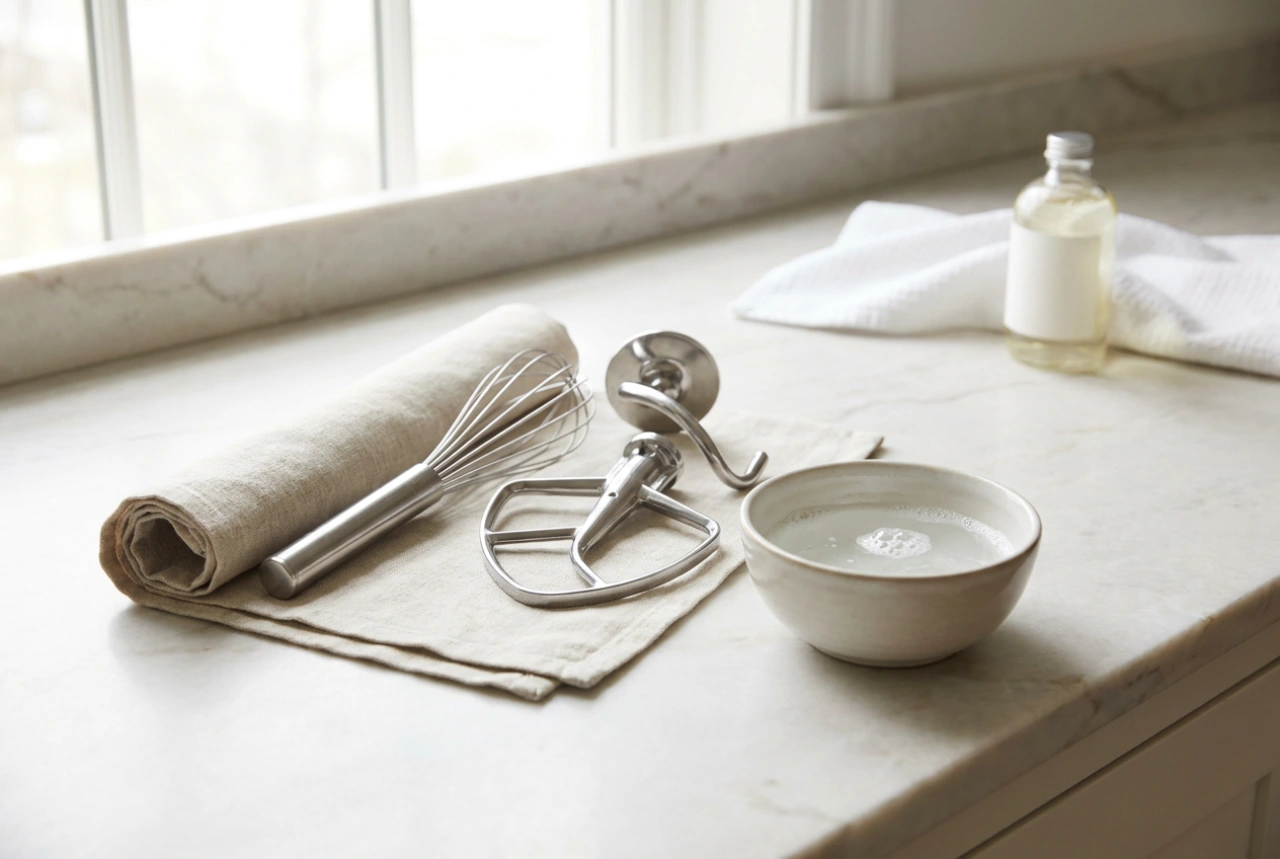
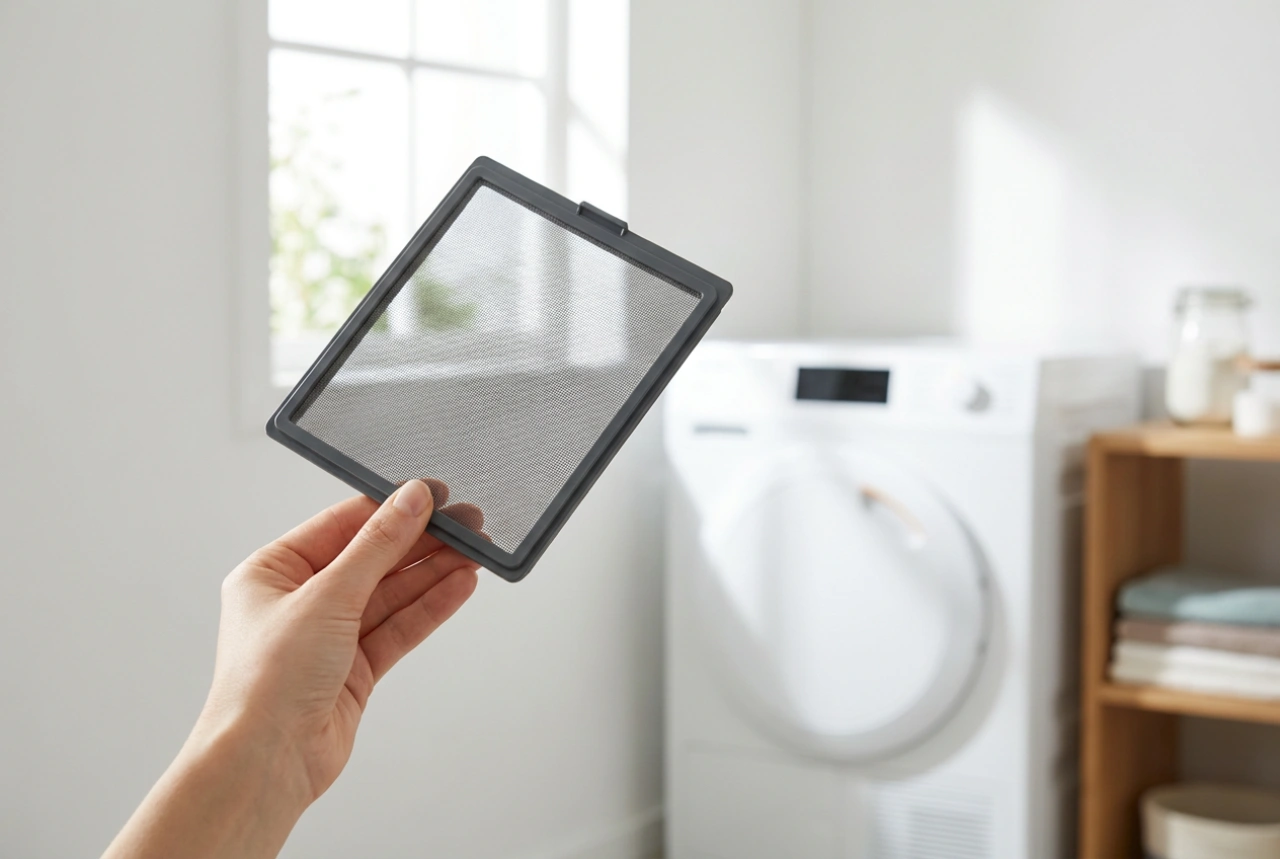
- Weekly, descale the transducer and reservoir using a mild acid solution, such as citric acid, to dissolve mineral deposits.
- For disinfection, wipe surfaces with a dilute hydrogen peroxide solution, ensuring you rinse all components thoroughly with clean water before restarting the device.
- Avoid using chlorine bleach or synthetic detergents, as chemical residues can become airborne during operation.
Best Practices for Daily Operation
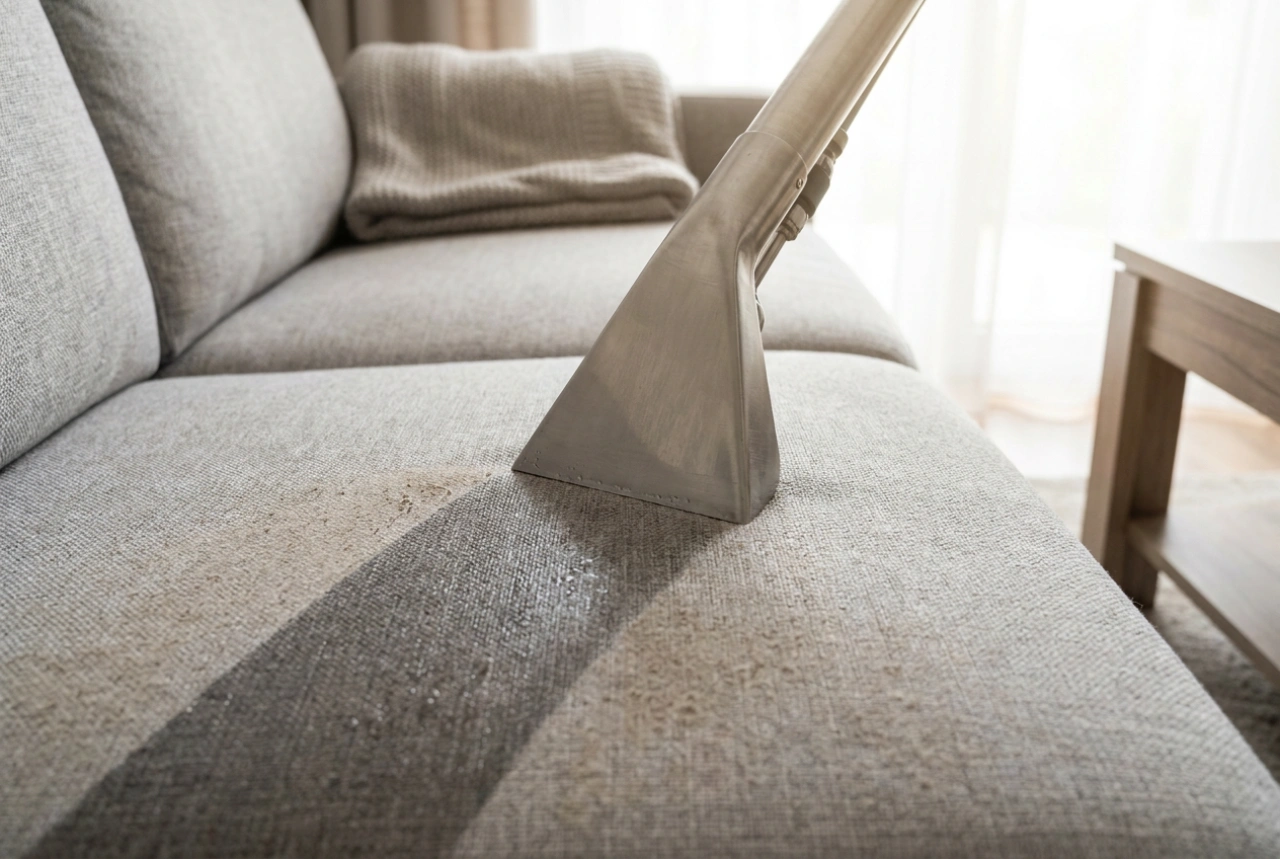
To maximise safety and efficiency, position the humidifier at least one metre off the ground and away from walls or wooden furniture to ensure even vapour distribution and prevent localised condensation. Maintain relative indoor humidity between 40% and 60% using an independent hygrometer, as excess humidity promotes mould growth in wall cavities and textiles. Finally, ensure you vacuum surrounding carpets and floors regularly to remove the precipitated dust particles bound by the ioniser.