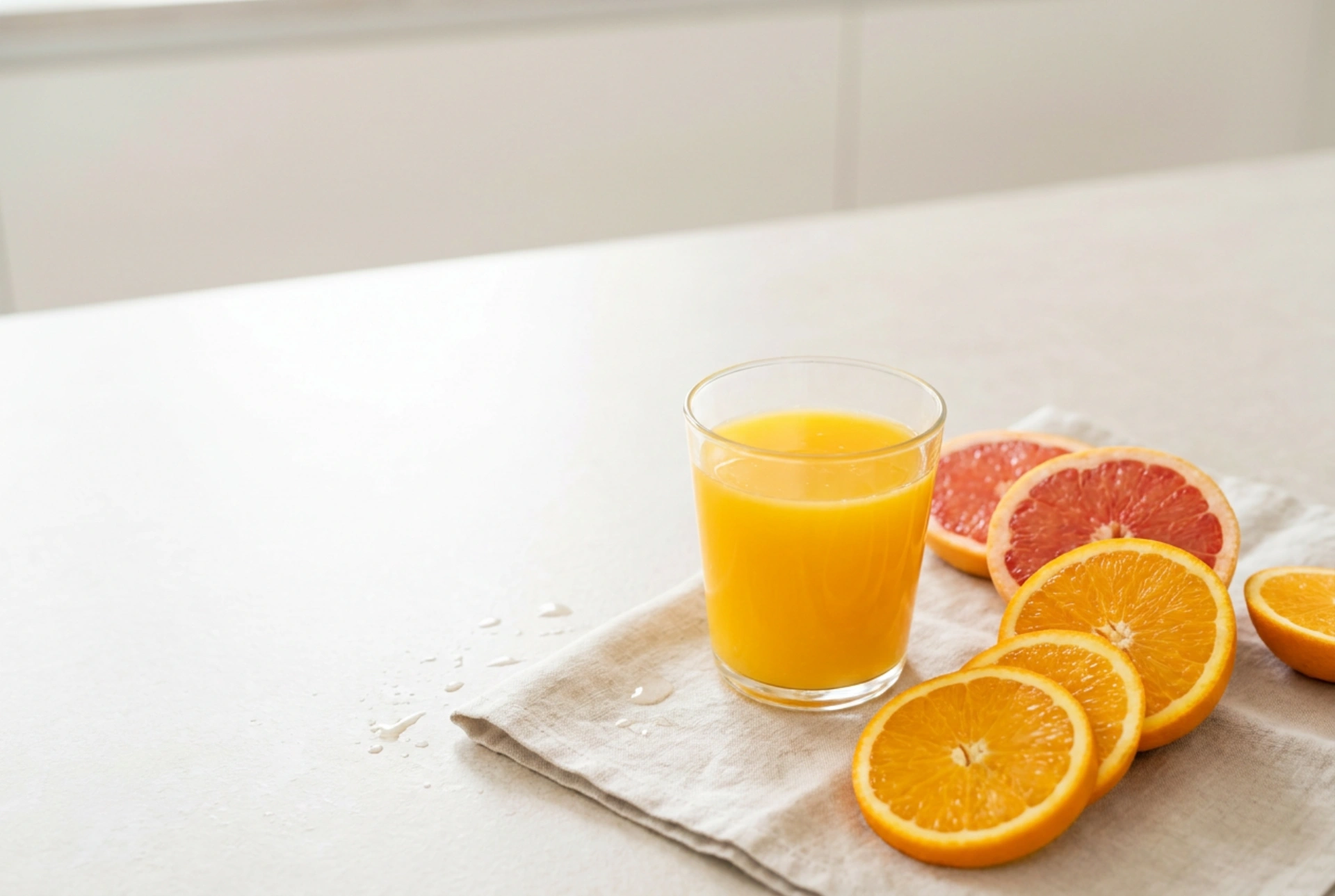


Masticating juicers rely on high-torque, low-speed mechanics to extract nutrient-dense liquid, but this process leaves behind highly concentrated organic residues that can quickly degrade the machine if not properly managed. Implementing a systematic cleaning routine based on household chemistry and correct physical techniques preserves the integrity of the micro-mesh screen, silicone gaskets, and plastic auger.
The Chemistry of Juicer Residue
Understanding what accumulates inside your juicer is key to removing it effectively. Fruit and vegetable processing deposits three main types of residue: insoluble cellulose fibres, sticky pectins, and mineral scale. Pectin acts as a natural gelling agent; when exposed to air, it dehydrates and binds tightly to plastic and metal surfaces, forming a tough, varnish-like layer. Furthermore, minerals like calcium and magnesium from both the produce and tap water bind with organic acids to form insoluble salts, such as calcium oxalate, which plug the microscopic openings of the juicing screen.
The Immediate Post-Juicing Protocol
The cleaning process begins while the machine is still running. Once the last piece of produce has passed through, pour a cup of lukewarm water through the hopper. This dynamic rinse uses the centrifugal motion of the auger to flush out loose pulp and dilute concentrated sugars before they dry. Turn off the machine and unplug it immediately.
Step-by-Step Disassembly and Initial Rinse
- Remove the juicing bowl, auger, screen, and spinning brush assembly as a single unit to prevent dripping, then separate the individual components over the sink.
- Rinse all parts under running, lukewarm water. Avoid using boiling water at this stage, as excessive heat can denature plant proteins and cook pectins onto the surfaces, making them far harder to remove.
- Use your fingers or a soft spatula to scrape away bulk pulp from the pulp ejection chute. Pay close attention to the silicone pressure plug beneath the bowl, which must be swung open to release trapped fibres.
Restoring the Micro-Mesh Screen
The stainless steel micro-mesh screen is the most critical and vulnerable component of a slow juicer. When pulp fibres clog these microscopic holes, the internal pressure of the juicing chamber increases, which can stress the motor and cause cracks in the plastic housing. Scrubbing requires a specific physical technique: use a stiff-bristled nylon brush and brush from the outside of the screen inward. The holes are tapered, wider on the outside and narrower on the inside; brushing from the outside pushes trapped particles back through the wider opening, releasing them efficiently.
To dissolve stubborn mineral scale and calcium oxalate buildup, soak the screen for 20 to 30 minutes in a solution of warm water and citric acid (two tablespoons of citric acid powder per litre of water). The acid chemically reacts with the insoluble mineral deposits, converting them into highly soluble citrates that easily wash away during a final rinse.
Tackling Carotenoid Stains and Biofilms
Deeply pigmented vegetables like carrots and beetroot contain carotenoids, which are fat-soluble pigments that readily bond with the polymers of plastic juicer parts. Water alone cannot dissolve these compounds. To break this bond, apply a small amount of neutral cooking oil to a microfibre cloth and rub the stained plastic areas. Because like dissolves like, the hydrophobic carotenoids will dissolve into the oil, allowing you to wipe them away before washing the part with standard dishwashing liquid to remove the oily residue.
For sanitisation and to eliminate organic biofilms, prepare a soaking bath using sodium percarbonate (oxygen bleach). Dissolve one tablespoon of sodium percarbonate in warm water (around 40 degrees Celsius). This compound releases hydrogen peroxide and sodium carbonate, which oxidise organic matter and lift stubborn stains without damaging the plastic or corroding the stainless steel elements.
Drying and Preservation of Seals
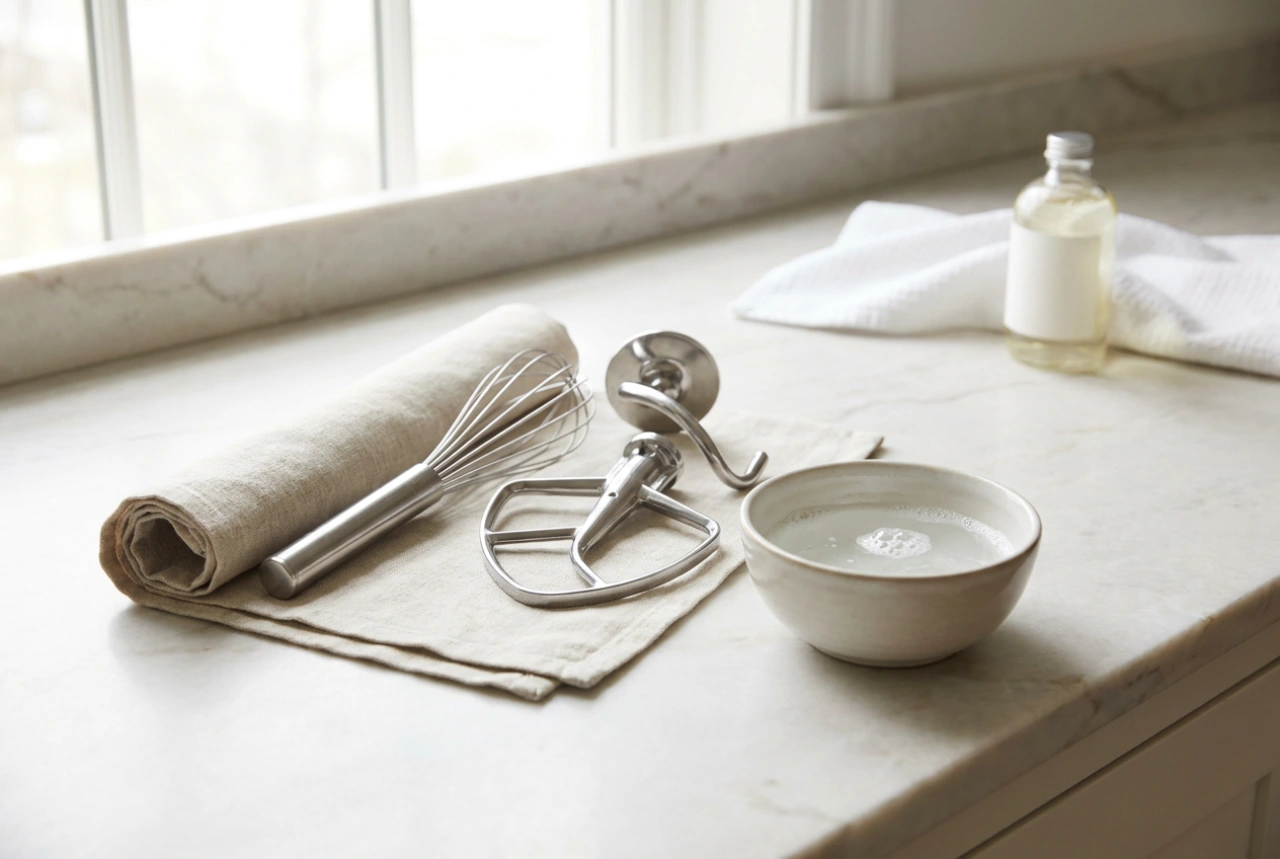
Never reassemble a wet juicer. Storing a damp machine creates a dark, humid environment that promotes anaerobic bacterial growth and mould. Lay all components out on a clean drying rack in a well-ventilated area. Pay special attention to the silicone gaskets and O-rings; damp seals can develop a black mould biofilm that is nearly impossible to sanitise completely. To prevent compression set—where silicone seals permanently lose their elasticity—leave the juicer disassembled or only loosely assembled when not in use.