

Choosing between an evaporative and an ultrasonic humidifier for daily use depends on understanding how water behaves at a molecular level when dispersed into your living space. Each technology relies on a distinct physical process, directly influencing indoor hygiene, mineral distribution, and your daily maintenance routine.
The Physics of Moisture: Nebulisation vs Evaporation
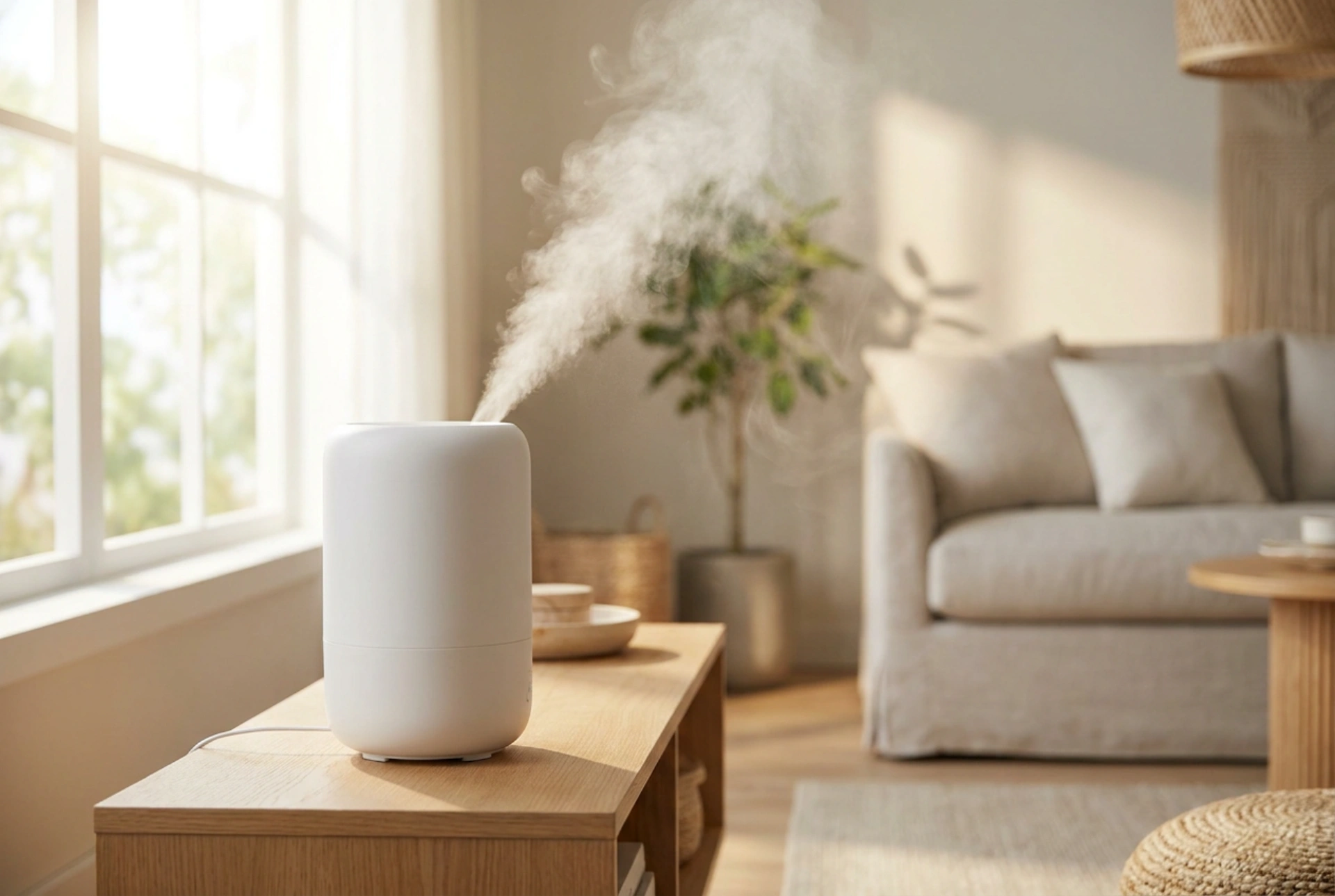
To make an informed choice, it is essential to look at how these devices transition liquid water into an airborne state. Ultrasonic humidifiers use a metal diaphragm vibrating at an ultrasonic frequency, typically around 1.6 to 2.4 megahertz. This rapid mechanical oscillation creates capillary waves on the water surface, throwing off microscopic droplets into the air as a visible, cool mist. This process is a mechanical shearing of the liquid, meaning whatever is in the water—minerals, dissolved solids, and microbes—is propelled directly into the room alongside the water molecules.
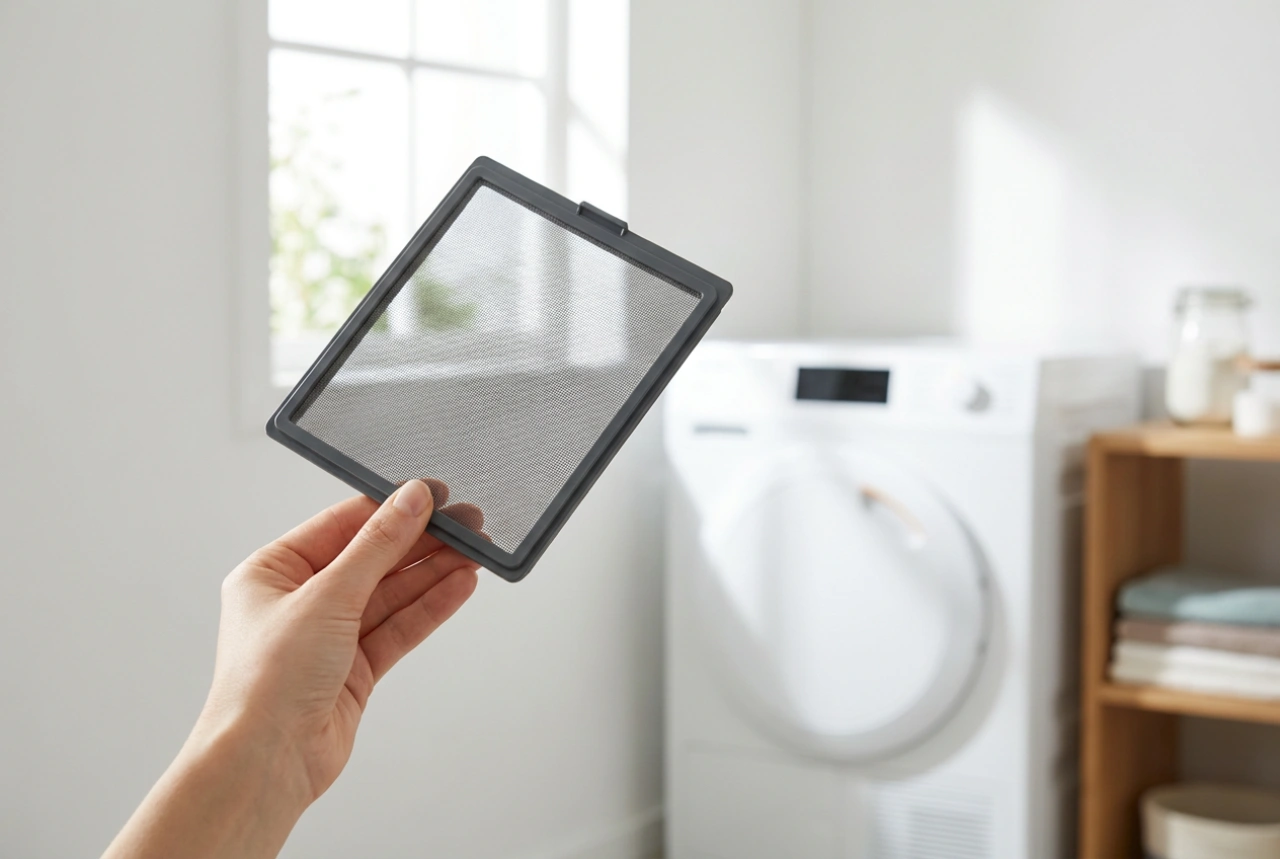
In contrast, evaporative humidifiers rely on the natural thermodynamic process of phase change. An internal fan draws dry ambient air through a saturated wick or filter. As the air passes through, liquid water absorbs heat energy from the environment and transitions into gaseous water vapor. Because this is a molecular phase change, only pure hydrogen dioxide molecules escape into the air. Dissolved minerals, heavy metals, and larger biological contaminants lack the thermal energy to evaporate and remain trapped within the matrix of the humidifying wick.
The Mineral Challenge and the 'White Dust' Phenomenon
The differences in dispersion physics lead to very different outcomes regarding indoor air quality and cleanliness. When tap water is used in an ultrasonic humidifier, the dissolved minerals—predominantly calcium carbonate and magnesium—are aerosolised. As these microscopic water droplets evaporate in the air, the minerals dry out and precipitate, settling on surfaces as a fine, chalky white dust. This dust can coat electronics, block ventilation grates, and be inhaled into the lungs, potentially irritating the respiratory system.
Using an evaporative humidifier eliminates this issue entirely. Because the minerals are left behind on the wick during phase transition, no white dust is ever produced, regardless of the hardness of your water source. However, this means the minerals will gradually build up on the wick itself, forming a stiff, crusty layer of scale that reduces the material’s capillary action (its ability to draw up water) over time. This necessitates periodic cleaning or replacement of the filter component.
Microbial Safety and Sanitation Protocols
Both devices require strict hygiene, but the biological risks differ significantly due to the mechanics of dispersion. Because ultrasonic humidifiers aerosolise the water itself, any bacterial biofilms or fungal spores multiplying in a stagnant reservoir will be misted directly into your breathing zone. To mitigate this risk, ultrasonic systems require daily water changes and frequent disinfection. Cleaning should involve rinsing the tank with a mild citric acid solution to dissolve scale, followed by a thorough wipe-down. Avoid harsh chemical fragrances or surfactant-heavy detergents that can leave residues on the transducer.
With evaporative humidifiers, the risk of aerosolising active pathogens is dramatically lower because bacteria cannot easily hitch a ride on individual water vapor molecules. However, the constantly damp environment of the wick is highly susceptible to mold and bacterial growth if left unmanaged. If the wick becomes colonised, the air forced through it will carry musty, organic odours throughout the home. Maintaining an evaporative unit requires washing the wick in cold water and treating the reservoir with a dilute hydrogen peroxide solution to keep organic growth at bay without damaging the filter fibers.
Selecting the Right Technology for Daily Use
When selecting a device for continuous, daily operation, consider these practical trade-offs in your decision-making process:
- Water Quality: If you do not have access to distilled or highly demineralised water, an evaporative humidifier is far more practical for daily use, as it handles tap water without creating white dust.
- Self-Regulation: Evaporative humidifiers are naturally self-limiting. As the relative humidity in the room rises, the rate of evaporation naturally slows down, preventing over-saturation and damp spots. Ultrasonic units will continue to pump moisture into the air regardless of ambient humidity levels, which can lead to condensation on cold windows and walls if not monitored by a built-in humidistat.
- Noise and Energy: Ultrasonic units are exceptionally quiet, making them popular for bedrooms, though they require meticulous cleaning. Evaporative units produce a steady hum from the fan, which some users find pleasant as white noise, but they require regular wick replacements to maintain peak performance.