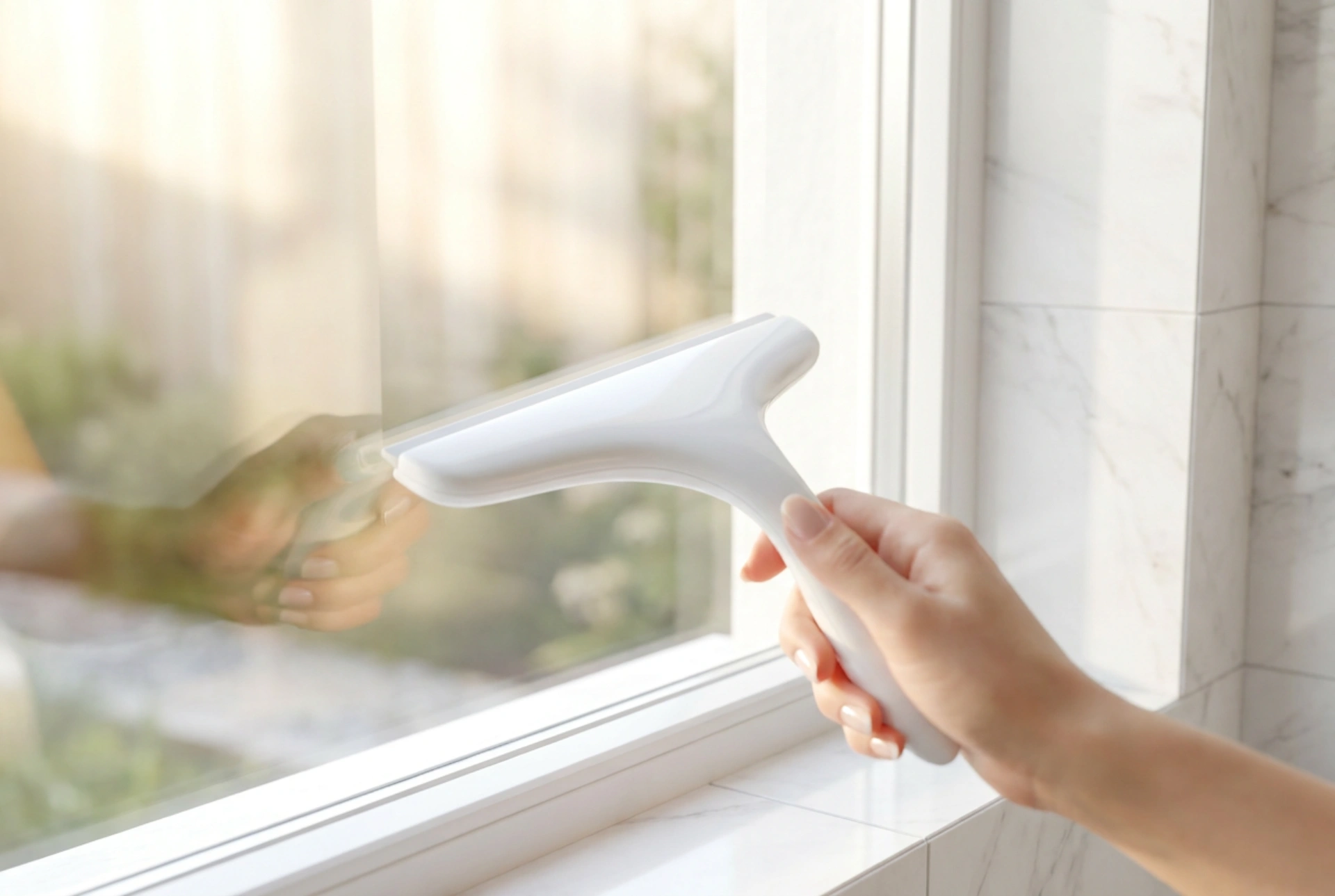


Steam cleaners offer a powerful, chemical-free method for achieving streak-free windows, but their high operating temperatures can silently degrade the rubber seals around your glass panes. Understanding how to manage thermal transfer is essential to protecting these elastomeric components from warping, cracking, or losing their sealing properties.
The Science of Steam and Elastomeric Degradation
Most modern window seals are made of synthetic rubbers like ethylene propylene diene monomer (EPDM) or silicone. These materials are chosen for their elasticity and resistance to environmental factors like UV radiation and temperature fluctuations. However, pressurized steam leaves the nozzle at temperatures exceeding 100 degrees Celsius (212 degrees Fahrenheit). When high-temperature steam directly contacts these elastomers, it causes rapid localized thermal expansion. Over time, excessive heat breaks down the polymer chains and extracts plasticizers—the chemical additives that keep the rubber flexible. This leads to hardening, micro-cracking, and eventual seal failure, allowing drafts and moisture to penetrate your home.
The Rule of Distance and Thermal Management
To clean windows safely, you must control the thermal energy reaching the window frame. Never hold the steam nozzle directly against or within a few centimeters of the rubber seals. Instead, maintain a minimum distance of 10 to 15 centimeters from the glass edge when working near the frame. This distance allows the steam to expand and cool slightly before making contact, dropping the temperature to a safe range. Additionally, keep the nozzle moving constantly. Resting the steam jet on one spot for even a few seconds can cause a heat spike that the rubber cannot dissipate quickly enough. Use continuous, fluid downward strokes to distribute the thermal load evenly across the glass surface.
Angle of Attack and Steam Flow Control
The direction of your steam path plays a critical role in protecting the seals. When cleaning near the edges of the window pane, angle the nozzle away from the frame, pointing it toward the center of the glass. This prevents the high-velocity steam jet from forcing its way under the lip of the rubber seal. If steam penetrates beneath the seal, it can deposit moisture in the internal frame channels where it cannot easily evaporate, leading to mold growth or wood rot in older frames. Furthermore, utilize the steam adjustment settings on your device; windows rarely require the maximum steam volume. A low-to-medium setting provides sufficient moisture and heat to dissolve dirt without overloading the surrounding materials.
Pre-Heating the Glass in Cold Weather
Thermal shock is a major risk when using steam on windows during colder seasons. Directing hot steam onto freezing glass causes rapid, uneven thermal expansion, which can lead to stress fractures or complete shattering of the pane. To prevent this, always pre-heat the glass. Hold the steam nozzle approximately 30 centimeters away from the window and sweep it across the entire surface to gently raise the temperature of the pane and its surrounding frame. Once the glass is warm to the touch, you can safely proceed with closer, more targeted cleaning, while still maintaining the necessary safety margin near the rubber gaskets.
Post-Cleaning Maintenance and Seal Care
After completing the steam cleaning process, immediate moisture management is vital. Use a clean, dry microfiber cloth to wipe down the rubber seals and the window track. Removing pooled water prevents long-term moisture degradation and stops dirt from resettling into the damp crevices. To further extend the lifespan of your seals, consider applying a thin layer of specialized silicone grease or glycerin after they have dried completely. This simple step replenishes the protective barrier on the elastomer surface, keeping the rubber supple and resilient against future thermal and environmental stresses.