

Most tropical houseplants require high relative humidity to thrive, yet common humidification methods can easily degrade, warp, or stain delicate windowsill surfaces. Achieving the perfect moisture balance without sacrificing the integrity of your home’s wood, stone, or plaster requires a careful understanding of evaporation physics and material protection.
The Biology of Plant Humidity and the Pitfalls of Direct Misting
Tropical plants regulate water loss through microscopic leaf pores called stomata. When indoor air drops below 40% relative humidity, transpiration exceeds root absorption, causing dry leaf tips. To counteract this, many resort to heavy misting. However, spraying water directly onto plants does little to increase ambient humidity. Instead, gravity causes water droplets to run down foliage, pooling at the base of pots and settling on the windowsill. This standing water initiates a process of slow material degradation, bypassing the plant's respiratory needs entirely.
How Moisture Damages Windowsill Materials
Different windowsill materials react uniquely to moisture. Wood is highly hygroscopic; its fibres absorb liquid and vapour, causing the wood to expand unevenly. This cyclical expansion breaks down varnishes, leading to warping and rot. Natural stone, such as marble, is highly porous. Unsealed stone absorbs water, trapping minerals from tap water that result in stubborn white efflorescence or permanent staining. Even PVC sills can suffer; trapped moisture underneath pots creates an anaerobic environment that fosters black mould growth, which degrades silicone caulking and adjacent plasterwork.
Safe and Effective Humidification Techniques
To raise humidity around your houseplants without saturating nearby surfaces, you must leverage the principles of passive evaporation and localized microclimates:
- The Pebble Tray Method: Fill a wide, shallow tray with clean pebbles and pour in water until it sits just below the top layer. Place your plant pots directly on the stones. The water evaporates upwards into the plant's immediate microclimate, while the stones keep the bottom of the pot dry, eliminating direct contact with the sill.
- Plant Grouping: Grouping plants close together creates a natural canopy that traps water vapour released during transpiration. As one plant breathes, it increases the local humidity for its neighbours, reducing the need for artificial humidifiers.
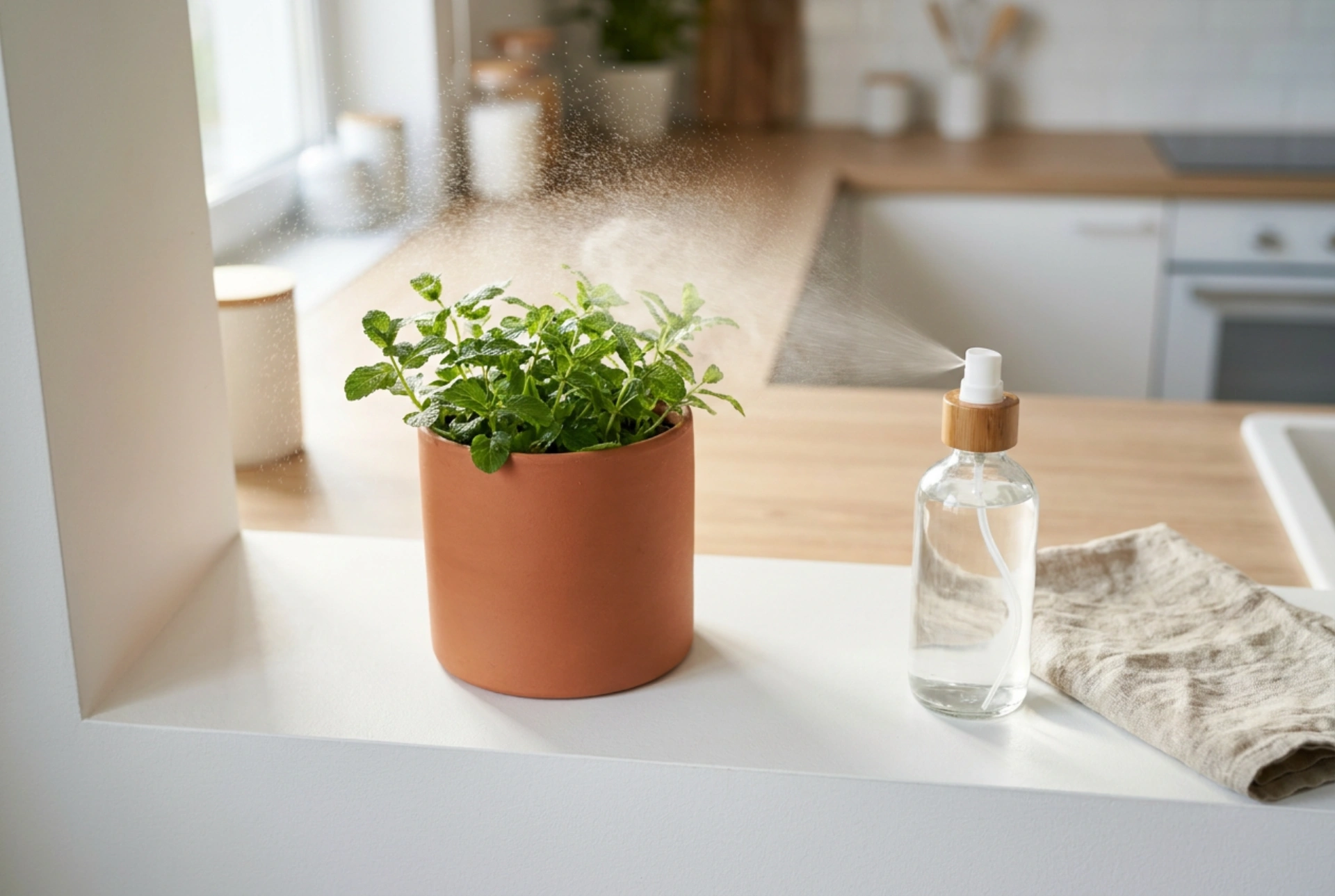
- Ultra-Fine Misting: If you mist, use a continuous ultra-fine mister rather than a heavy trigger spray. The goal is to create a suspension of microscopic water droplets in the air rather than large droplets that fall onto surfaces. Mist from thirty centimetres away, and only in the morning so the moisture evaporates before evening.
Physical Barriers and Protective Sealants
Protecting windowsills requires physical barriers that prevent moisture transmission. Glazed ceramic or glass saucers are highly effective because they are completely non-porous. Avoid unglazed terracotta saucers, as they are breathable and leach moisture onto the surface below. Place silicone mats or cork coasters with waterproof plastic backings under pots. If your windowsills are made of solid wood, apply a polyurethane sealant or a natural hardwax oil to seal the grain. For stone, a penetrating impregnator sealer should be applied annually to fill microscopic pores and repel water-based stains.
Preventing Mould with Air Circulation
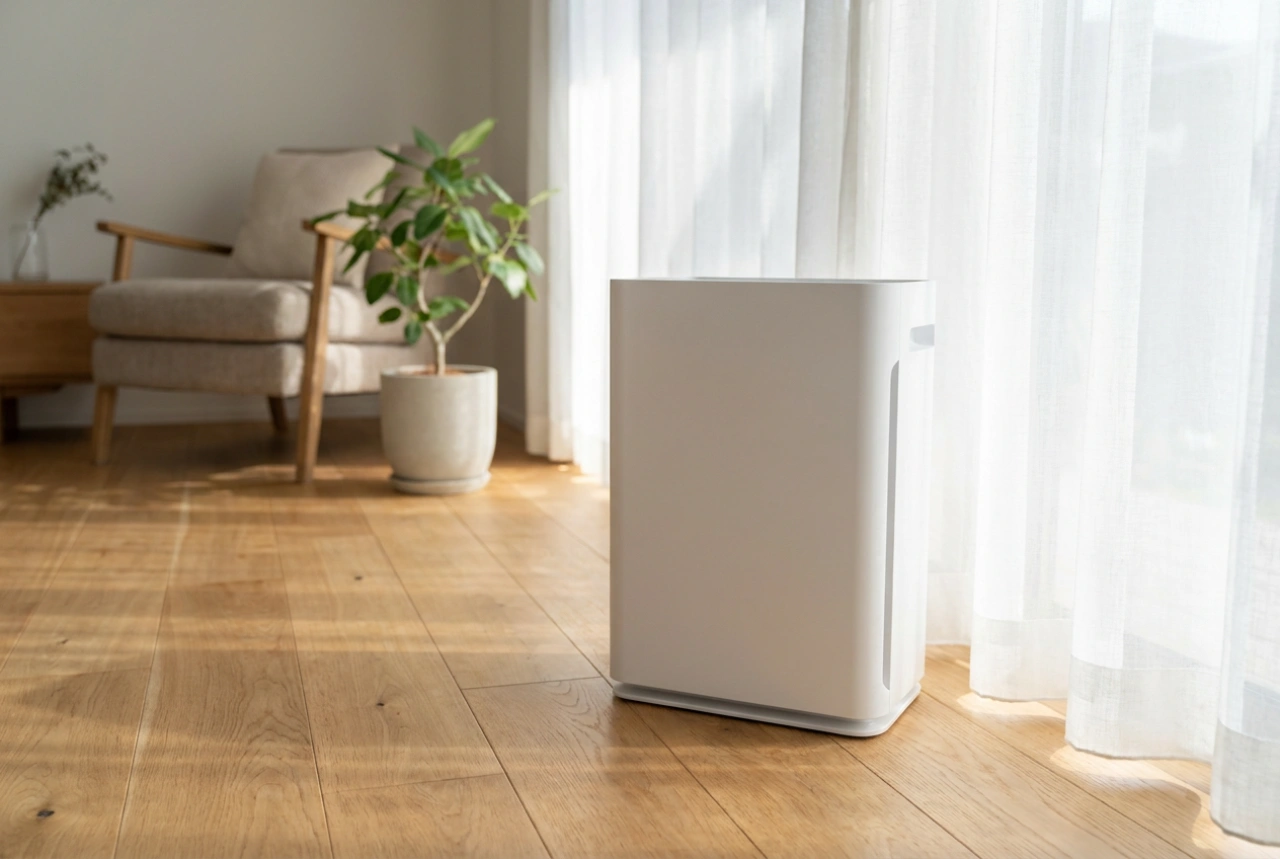
High humidity combined with stagnant air encourages mould and fungal spore germination. To prevent this, ensure adequate air circulation. A small, low-velocity fan placed nearby keeps air moving, preventing pockets of cold, damp air from settling on cool window panes and sills. Wipe away any condensation that forms on the glass or the sill during the morning, as this is the primary cause of plaster damage near window frames.