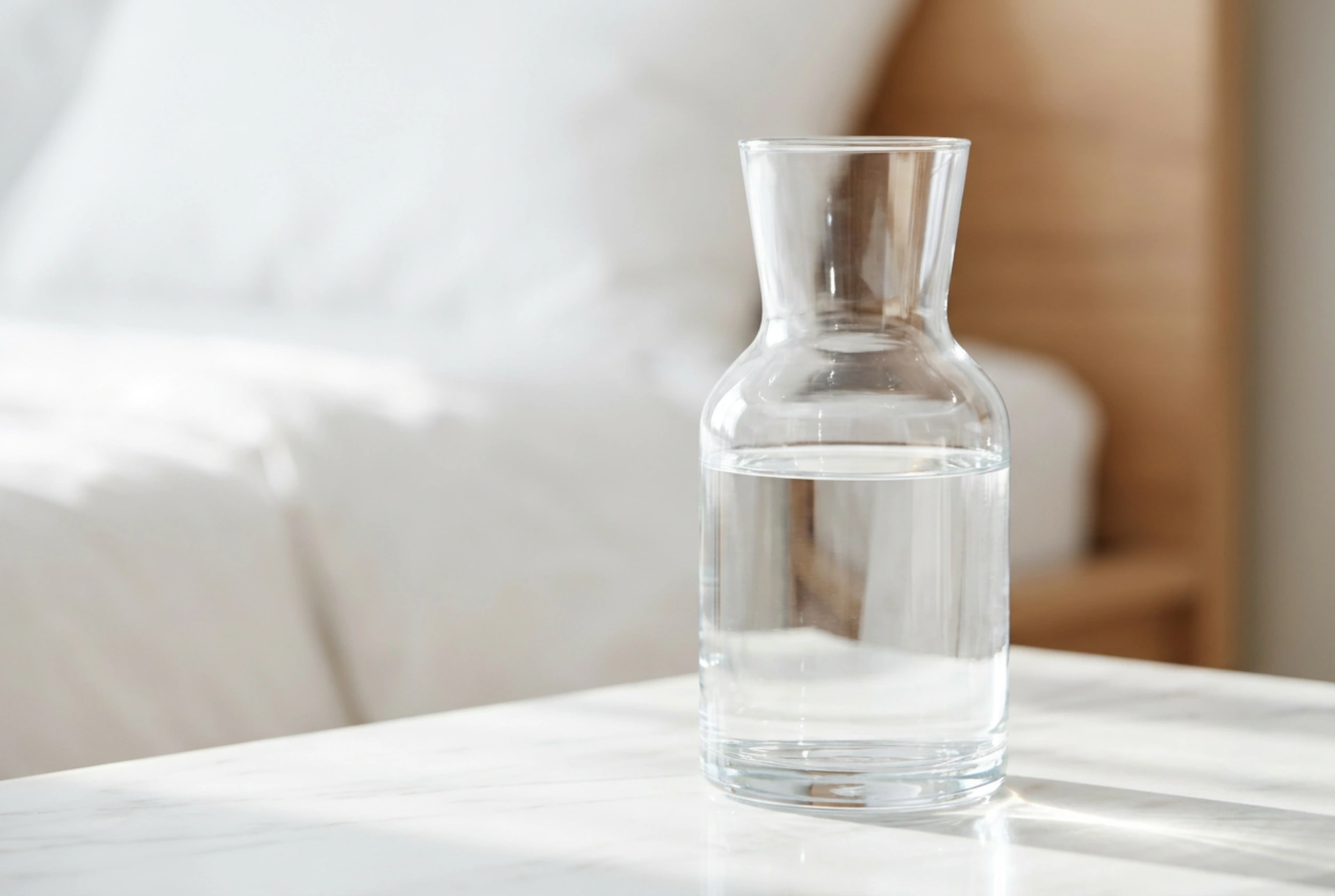


Cloudy white residue on your glass water pitcher is not just unsightly; it is a stubborn crust of mineral salts left behind by hard water. Fortunately, you can easily dissolve these deposits using simple household chemistry, restoring your glassware to pristine clarity without scratching the surface.
Understanding the Science of Water Scale on Glass
The white, chalky film that coats the interior of your water carafe is primarily calcium carbonate and magnesium carbonate. When tap water contains high concentrations of dissolved calcium and magnesium ions—commonly referred to as hard water—evaporation and changes in temperature cause these minerals to precipitate out of their liquid state. Over time, these microscopic crystals bond to the microscopic imperfections on the silica-based surface of the glass, forming a resilient, layered crust that cannot be washed away with standard dish soap.
Because glass is composed of silicon dioxide, it is highly durable and chemically inert to most mild acids. However, its smooth, reflective surface is highly susceptible to mechanical scratching. Using abrasive scouring pads, steel wool, or harsh scrubbing powders can leave micro-scratches that permanently dull the glass and provide even more texture for future mineral deposits to cling to. Therefore, the safest and most effective way to clean a glass carafe is through chemical dissolution rather than physical abrasion.
The Chemistry of Dissolution: Vinegar vs. Citric Acid
To dissolve calcium carbonate, you must introduce an acid that reacts with the carbonate ions, converting them into highly soluble salts that easily wash away. Two of the most effective and safe household acids for this purpose are acetic acid (found in white vinegar) and citric acid.
- Acetic Acid (White Vinegar): Standard white vinegar contains approximately 5% acetic acid. When applied to limescale, the acid reacts to form calcium acetate, water, and carbon dioxide gas. The resulting calcium acetate is highly soluble in water, allowing it to rinse away clean.
- Citric Acid: Typically sold in crystalline powder form, citric acid is a organic acid that can donate hydrogen ions. It is highly efficient at chelating metal ions, binding to the calcium and magnesium to form soluble citrates. Citric acid is virtually odorless, making it an excellent alternative if you want to avoid the pungent smell of vinegar.
To accelerate these chemical reactions, you can utilize thermal energy. Increasing the temperature of the acid solution increases the kinetic energy of the molecules, leading to more frequent and energetic collisions between the acid and the mineral crust. Warming your vinegar or water-citric acid mixture to about 50°C to 60°C will significantly cut down the required soaking time.
A Step-by-Step Descaling Protocol for Glass Carafes
To safely restore your glass carafe without risking thermal shock or physical damage, follow this precise sequence of operations:
1. Prepare the Active Solution
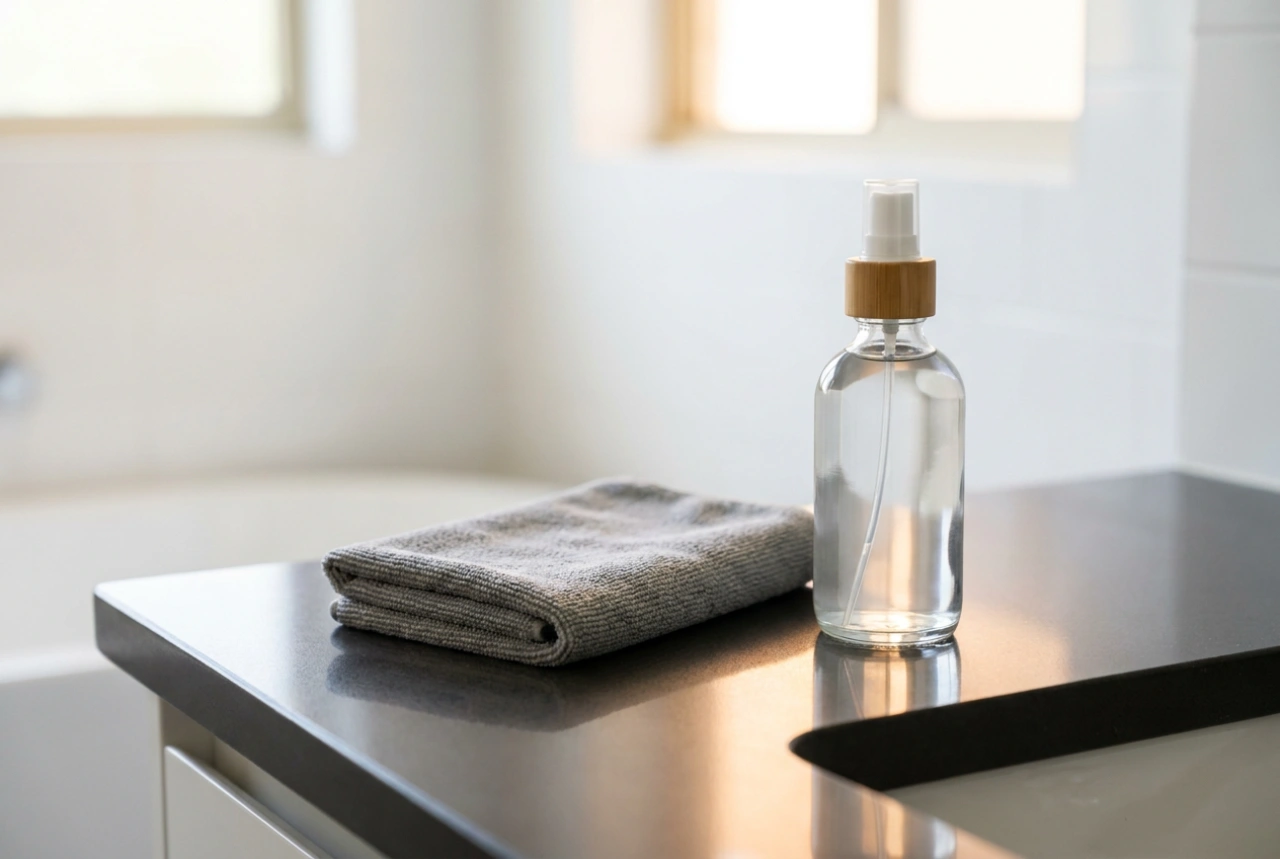
For moderate buildup, mix equal parts white vinegar and warm water (around 50°C). If you are using citric acid, dissolve two tablespoons of citric acid powder into one liter of warm water. Avoid using boiling water, as sudden temperature spikes can cause thermal stress, cracking the glass.
2. Allow for Chemical Contact Time
Pour the solution into the glass carafe, ensuring all affected areas are completely submerged. Let the liquid sit undisturbed for 15 to 30 minutes. For extremely thick or old mineral deposits, you may need to extend this soaking time to an hour. You will know the reaction is working when you observe tiny bubbles of carbon dioxide rising from the scaled surfaces.
3. Gentle Agitation
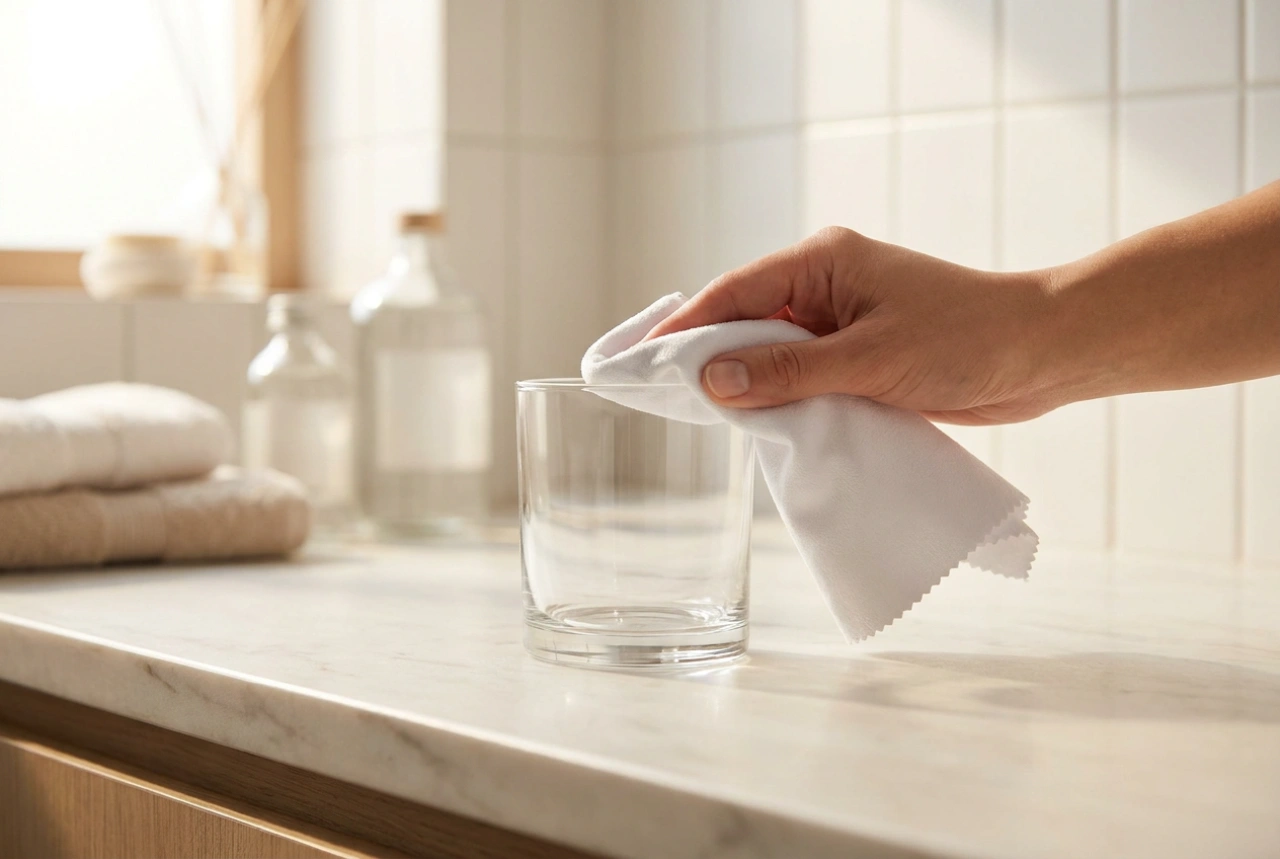
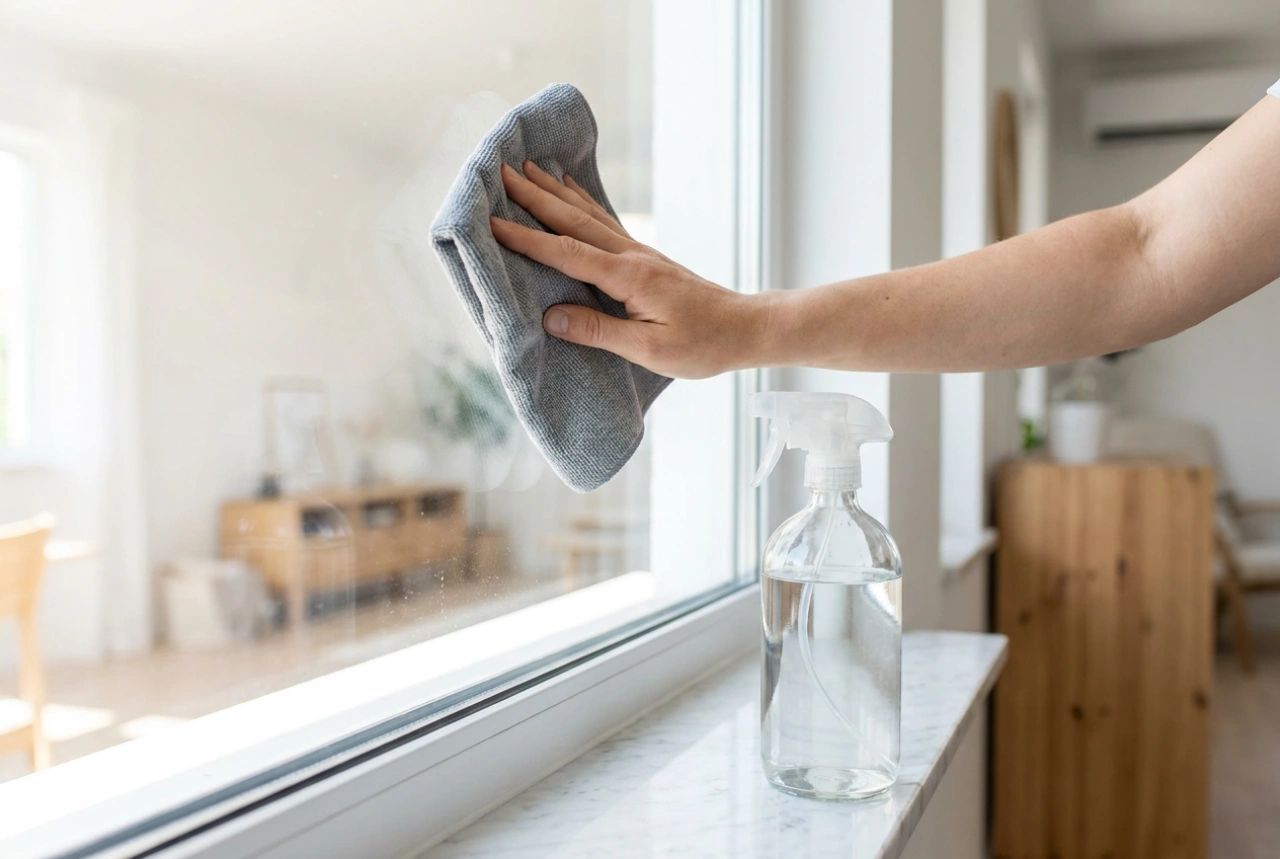
After soaking, the structural integrity of the mineral scale will have collapsed. Empty most of the solution, leaving just a small amount at the bottom. Use a soft microfiber cloth or a dedicated non-scratch silicone bottle brush to gently wipe down the interior walls. The softened scale should slide off effortlessly. Avoid using heavy pressure or rigid plastic brushes that could scratch the glass.
4. The Final Rinse and Dry
Rinse the carafe thoroughly with clean water to remove any residual acid or dissolved salts. If your local tap water is exceptionally hard, perform the final rinse with distilled or demineralized water. Finally, dry the exterior and interior immediately with a lint-free microfiber cloth. Allowing the glass to air-dry naturally will cause new water spots to form as the rinse water evaporates.
Preventative Habits to Maintain Glass Clarity
To keep your glass water pitcher sparkling and minimize the need for deep descaling, integrate these quick maintenance steps into your daily routine:
- Empty and Dry: Do not leave standing water in the carafe overnight when it is not in use. Empty the container and wipe it dry to prevent evaporation marks.
- Weekly Acid Rinse: Once a week, give the empty carafe a quick swirl with a dilute solution of citric acid or vinegar during your normal dishwashing routine to dissolve microscopic deposits before they nucleate into a visible film.
- Avoid Dishwashers: While some glass carafes are labeled dishwasher-safe, the high heat, harsh detergents, and mineral-heavy water in dishwashers can accelerate glass etching and deposit formation. Hand washing is always preferred for delicate glassware.