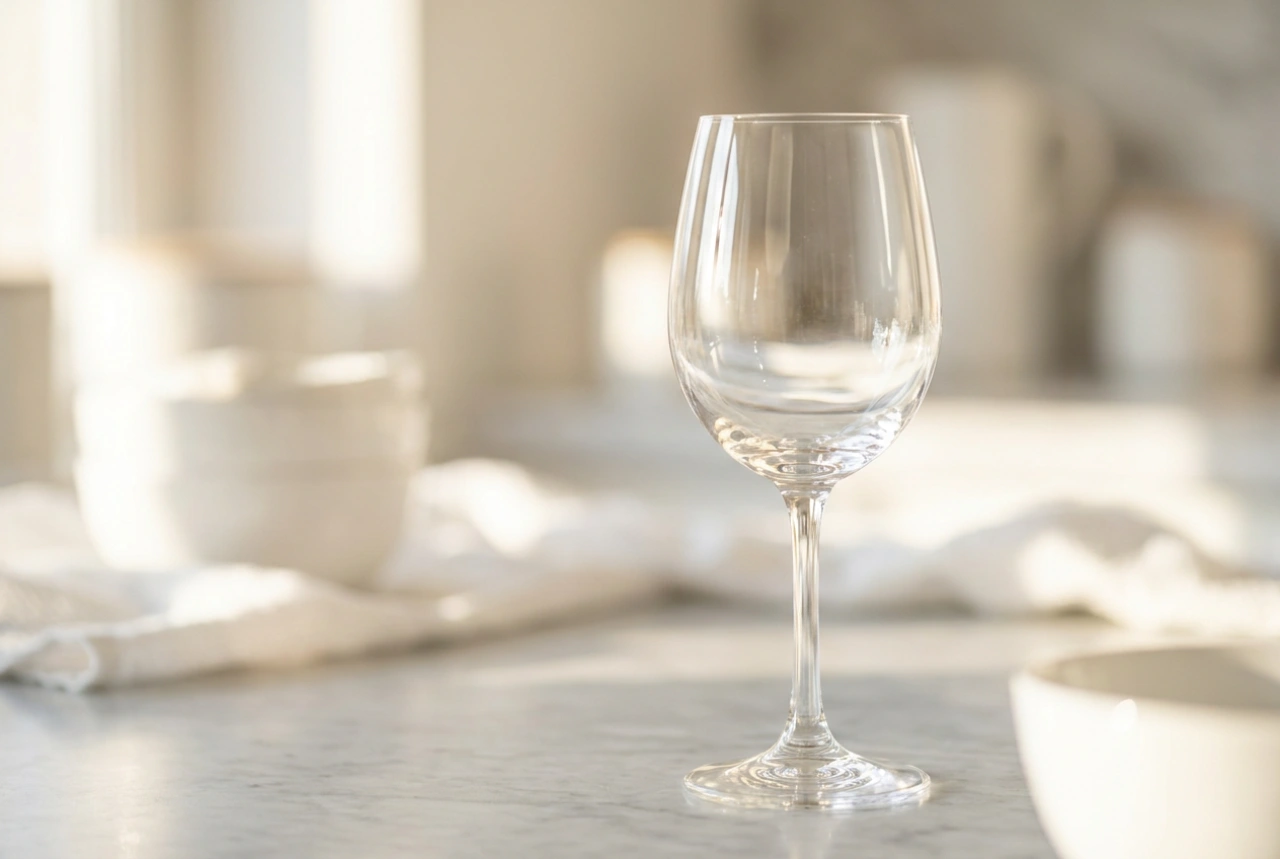


Delicate glassware, particularly lead crystal and ultra-thin hand-blown wine glasses, demands a cleaning method that balances chemical efficacy with physical gentleness. Traditional dishwashing techniques often rely on aggressive scrubbing, which introduces micro-scratches and causes irreversible clouding over time. Embracing a foam-based cleaning process combined with precise thermodynamic and physical techniques ensures your finest glassware remains structurally sound and optically clear.
The Chemistry of Foam: Why Less Friction is More
The primary advantage of using a dedicated foam rather than a liquid gel lies in the mechanics of surfactant action. Surfactants are compounds that lower the surface tension of water, allowing it to wet surfaces more effectively. These molecules feature a hydrophilic head, which binds to water, and a lipophilic tail, which attaches to oils, grease, and organic soils like lipstick.
When you agitate a diluted, pH-neutral washing liquid to generate a dense foam, you significantly increase the surface area of the active cleaning agent. The microscopic bubbles encapsulate oily residues and suspend them within the foam structure. This suspension allows you to lift contaminants away from the glass surface without needing to apply mechanical pressure. Eliminating abrasive friction is the single most effective way to prevent the hairline scratches that gradually dull the optical clarity of high-end glass.
Preventing Thermal Shock and Physical Impact
Glass is an amorphous solid with low thermal conductivity. When exposed to sudden temperature changes, the outer layer of the glass expands or contracts faster than the inner layer. This differential expansion creates internal mechanical stress, known as thermal shock, which can instantly shatter or weaken thin-walled vessels. To mitigate this risk, always maintain a stable, lukewarm water temperature—ideally between 30°C and 35°C—throughout both the washing and rinsing phases.
Physical protection is equally critical during the washing phase. Before introducing glassware to the sink, place a thick, clean cotton towel or a soft silicone mat at the bottom of the basin. This acts as a shock absorber, protecting the delicate rims and stems from chipping against hard ceramic or stainless-steel sink surfaces.
Step-by-Step Foam Cleaning Protocol
To clean delicate glassware systematically, follow this precise sequence of physical movements and chemical applications:
- Preparation: Remove any rings or jewellery from your hands to prevent metal-on-glass contact, which can easily scratch or chip the material.
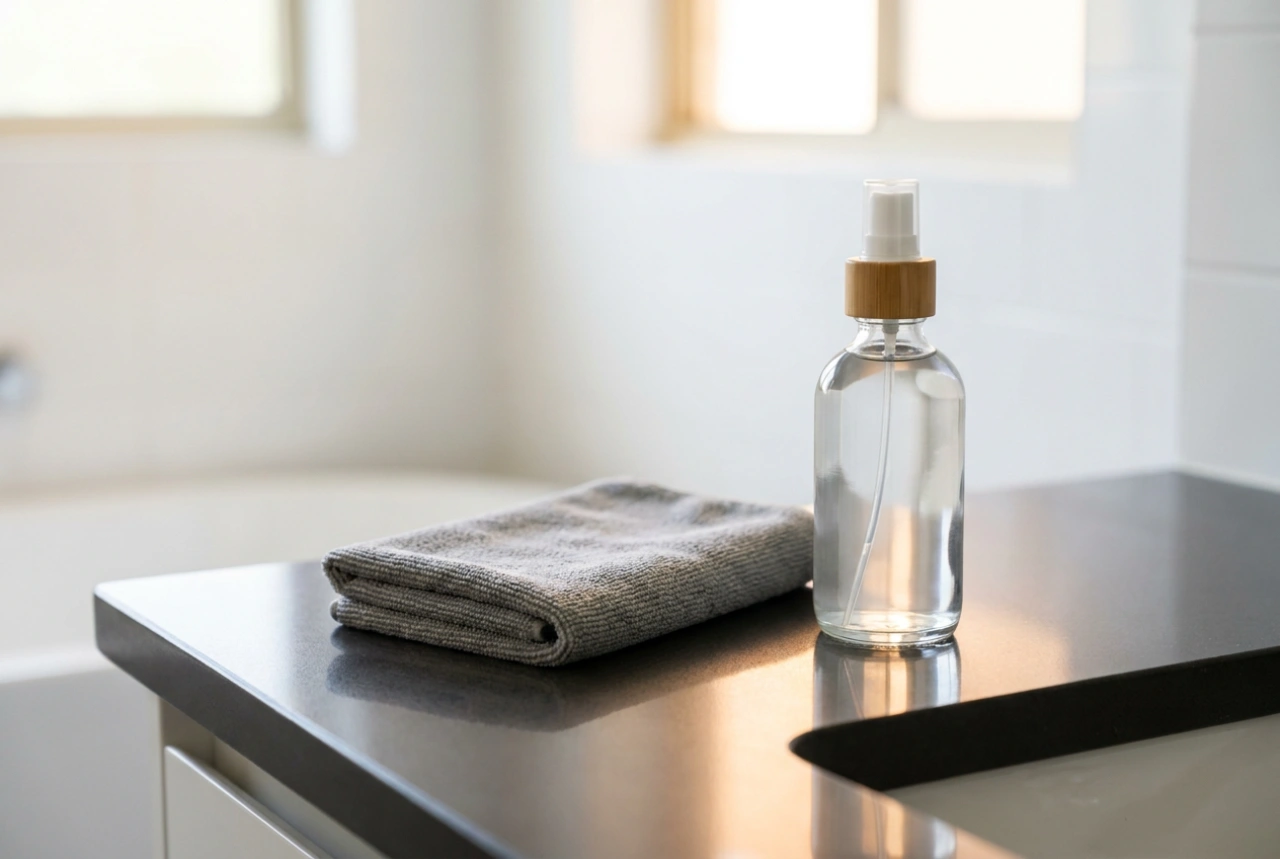
- Foam Generation: In a small, clean bowl, mix a few drops of a gentle, fragrance-free dishwashing liquid with lukewarm water. Use a small whisk or sponge to agitate the mixture until you produce a rich, dry foam.
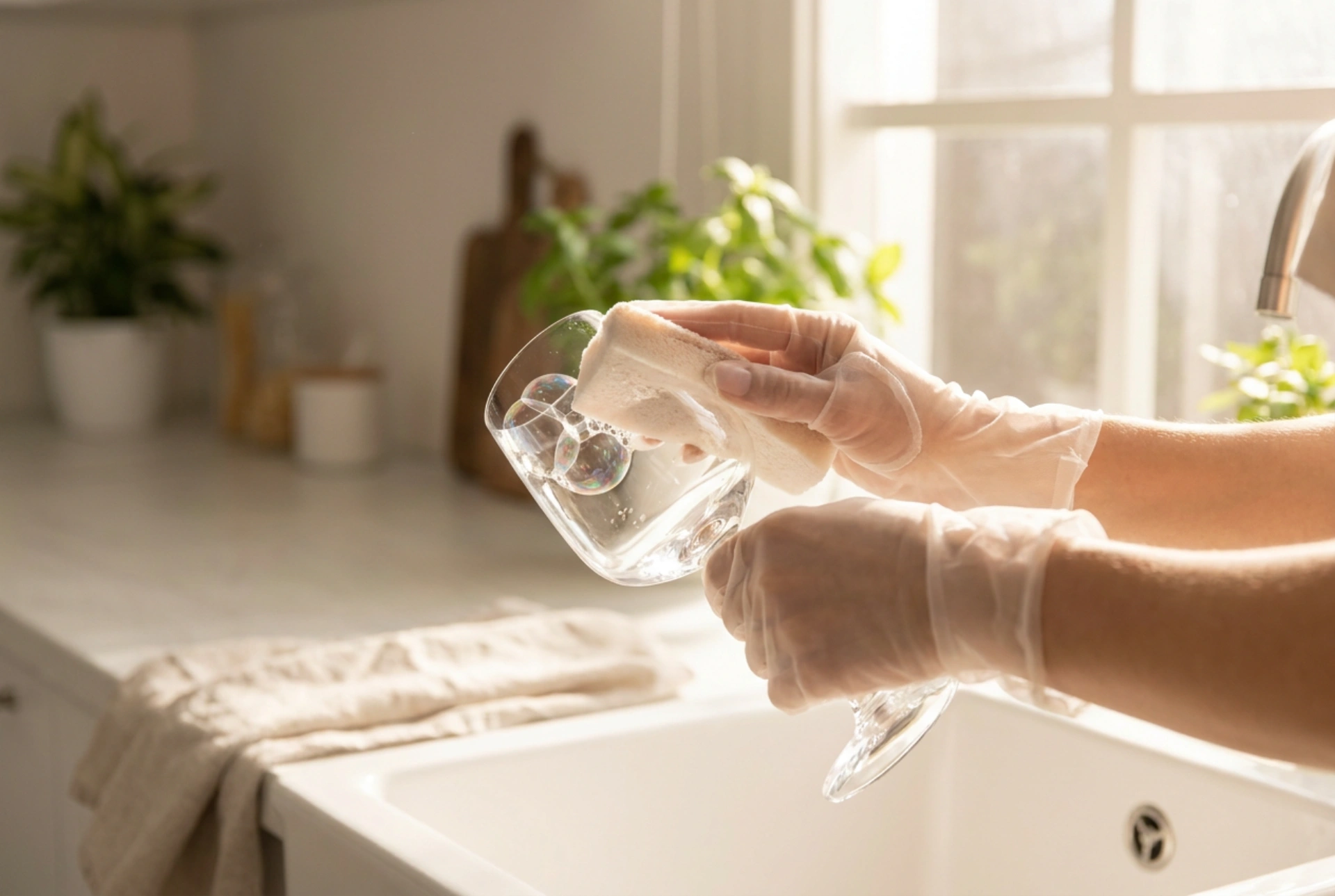
- Application: Scoop up the foam using your bare hands or an ultra-soft microfiber cloth. Apply the foam to the glass, tracing the contours of the bowl, stem, and base. Use light, sweeping motions rather than localized scrubbing.
- Rinsing: Hold the glass securely by the base and rinse it under a gentle stream of lukewarm water, ensuring all surfactant residues are completely washed away.
Drying and Polishing: Eliminating Mineral Spots
Water spots are the result of dissolved minerals—predominantly calcium and magnesium ions—remaining on the glass surface after water evaporates. To prevent these unsightly deposits, perform a final rinse using distilled or demineralised water, which is entirely free of dissolved solids.
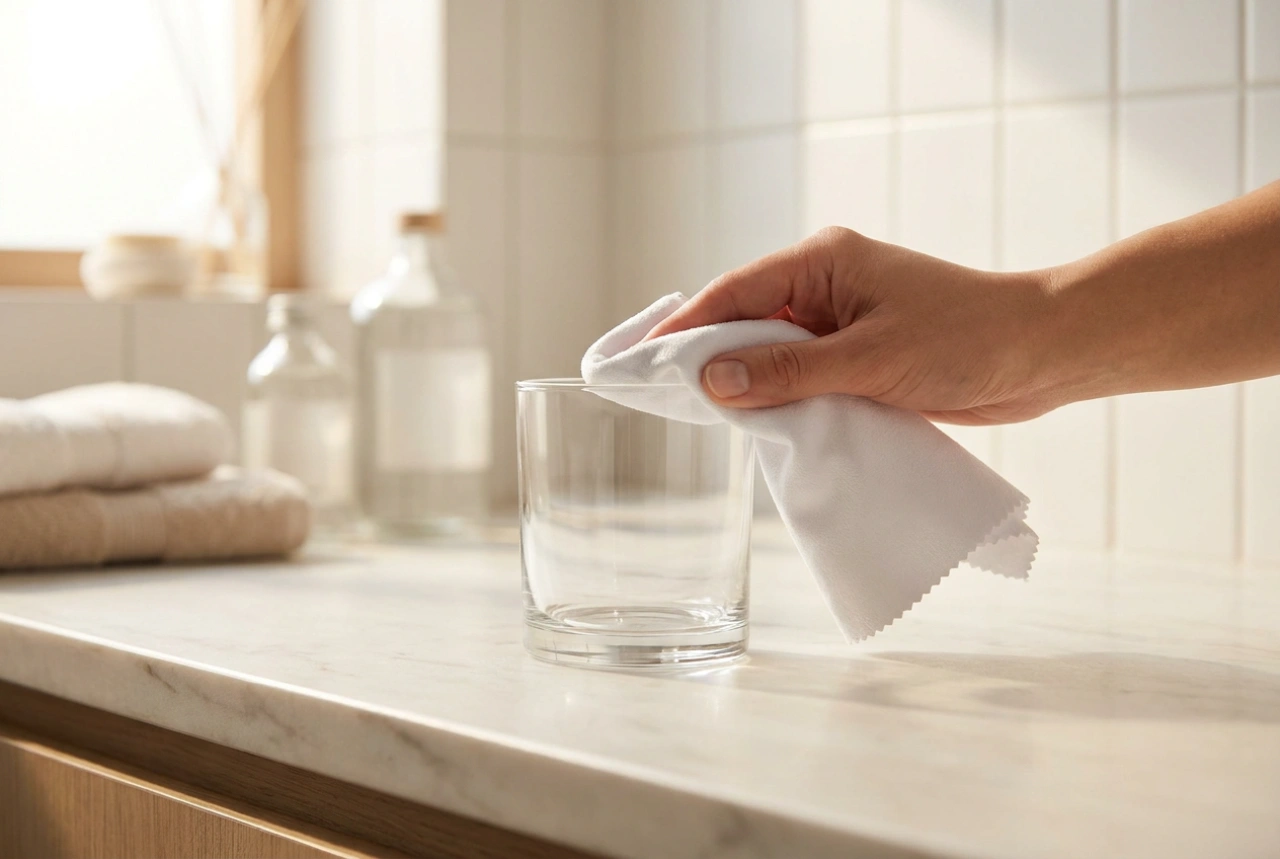
When drying the glassware, use two clean, lint-free microfiber or linen cloths. Hold the base of the glass with one cloth to avoid transferring skin lipids back to the clean surface. Use the second cloth to gently dry and polish the bowl. Always polish in smooth, circular motions. Never grip the base of a wine glass and twist the bowl; this torsional force concentrates stress at the thinnest part of the stem, frequently causing catastrophic structural failure. Instead, cradle the bowl directly in your palm while polishing its interior and exterior surfaces.