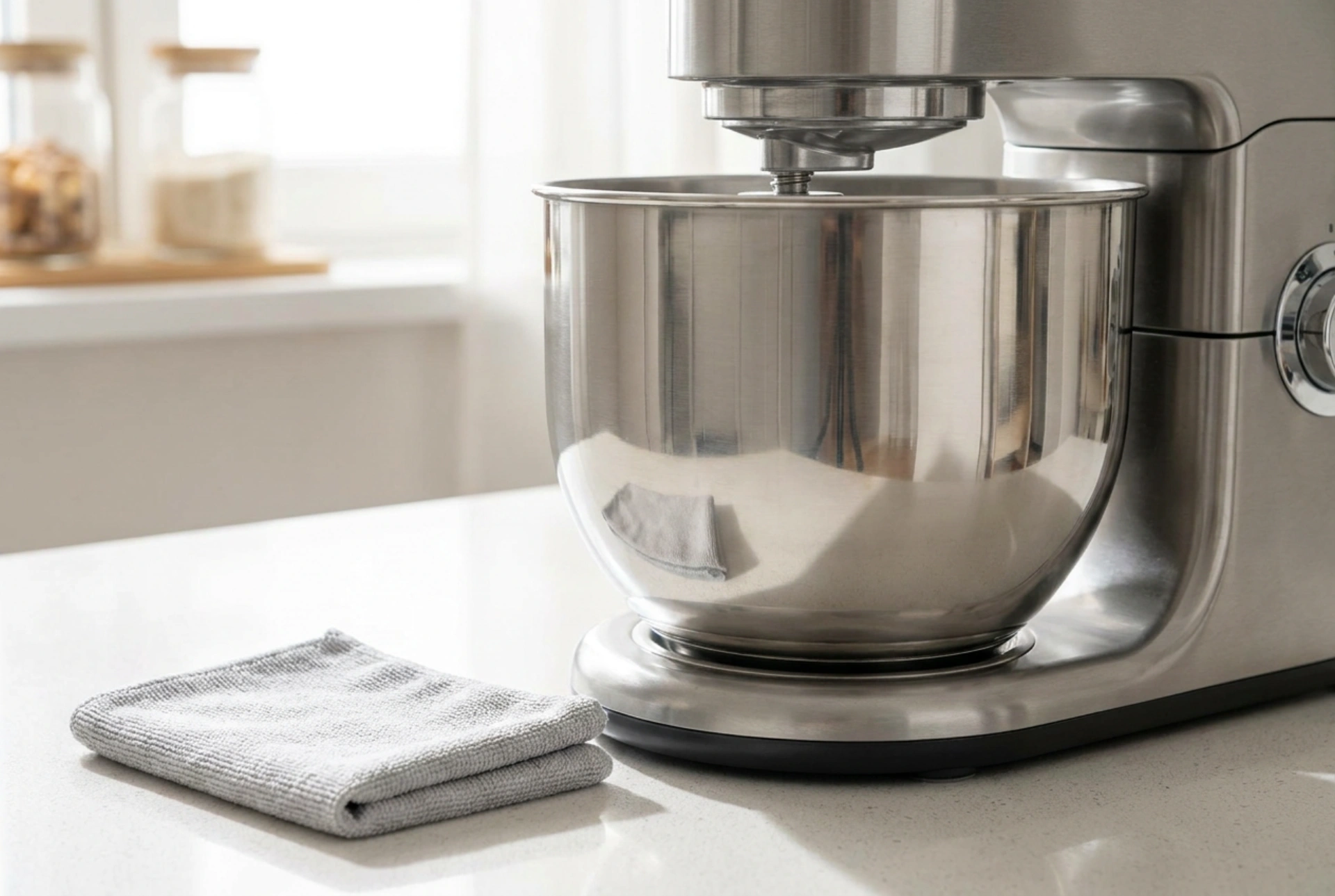


Preparing a compressor ice cream maker for off-season storage requires more than a quick wipe down; it demands an understanding of refrigeration physics and dairy chemistry to prevent mechanical failure and bacterial growth.
The Physics of Compressor Maintenance: Why Storage Position Matters
Unlike simple freezer-bowl models, a compressor ice cream maker contains a closed-loop refrigeration system consisting of a compressor, condenser, evaporator, and capillary tubes. Inside the compressor, a specific synthetic or mineral lubricant mixes with the refrigerant to keep the piston running smoothly. When storing the appliance, it is critical to keep it in its upright, horizontal operating position. Tilting or storing the machine on its side allows the compressor oil to migrate into the condenser and evaporator coils. If the appliance is turned on later with insufficient oil in the crankcase, the compressor can overheat and seize, permanently damaging the cooling mechanism.
Combating Dairy Residues: Proteins, Fats, and Biofilms
Ice cream mixtures are emulsions of milk fats, proteins (casein and whey), and sugars. When these substances cool and dry inside the mixing bowl and around the drive shaft spindle, they form a resilient biofilm. Over time, these residues spoil, creating a breeding ground for bacteria and unpleasant odours.
- The Role of Water Temperature: Never use boiling water on the freezing bowl or plastic paddles. High temperatures can warp plastic components and cause thermal shock to the metallic bowl, potentially damaging the seal between the bowl and the cooling coils beneath it. Use lukewarm water (around 40°C) which is sufficient to melt milk fats without compromising structural integrity.
- Chemical Breakdown: Avoid harsh chlorine-based bleach, which can corrode stainless steel and anodised aluminium. Instead, use a mild, neutral dishwashing detergent or a specialised enzymatic cleaner designed to break down proteins and fats.
- Mechanical Action: Use only soft microfibre cloths or non-abrasive silicone sponges. Anodised aluminium bowls have a thin protective oxide layer; abrasive scourers will scratch this layer, exposing raw aluminium to oxidation and pitting.
Cleaning the Non-Removable Parts and the Drive Shaft Spindle
The area around the drive shaft spindle is the most vulnerable zone in a compressor ice cream maker. The seal around the spindle prevents liquid mixture from leaking directly into the motor housing. Over the season, micro-splashes of mix can settle in these crevices. To clean this area, use a damp cotton swab or a soft-bristled brush dipped in a warm, diluted detergent solution. Gently clean the grooves, then wipe with a clean damp cloth to remove soap residue. Finally, dry the area completely using a dry microfibre cloth or a low-temperature hair dryer to ensure no moisture remains to corrode the metal spindle or degrade the rubber gaskets.
Preventing Pitting Corrosion and Mold
Moisture is the primary enemy of stored metal appliances. When moisture is trapped in an airtight, dark environment, it can lead to pitting corrosion on metal surfaces and the proliferation of mold spores.
- Desiccation: After washing all removable components (the bowl, paddle, and transparent lid), let them air-dry completely on a clean rack for at least 24 hours.
- Sanitisation: Before packing the appliance away, wipe the dry metal surfaces with a 70% isopropyl alcohol solution. Isopropyl alcohol sanitises the surface and evaporates rapidly, removing any microscopic water droplets in the process.
- The Open-Vent Storage Rule: When storing the unit, do not seal the lid tightly. Keep the lid slightly ajar or store it separately in a breathable cotton bag. This allows residual humidity to escape, preventing a damp microclimate from forming inside the chamber.
Preparing for the Off-Season: The Perfect Storage Environment
Store your ice cream maker in a dry, temperature-controlled environment. Avoid uninsulated garages, sheds, or damp cellars. Extreme temperature fluctuations can cause condensation to form inside the internal electronics and the compressor housing. A stable, cool pantry or kitchen cupboard is ideal. Additionally, cover the machine with a breathable fabric dust cover rather than a plastic bag to prevent any trapped moisture from condensing on the cold-rolled steel housing or the control panel.