

Maintaining kitchen cabinet fronts in pristine condition requires matching the cleaning agent and physical technique to the specific material's physical properties. Using the wrong chemical or abrasive cloth can permanently alter the surface reflection, cause swelling of the substrate, or strip protective coatings.
Matte Fronts: Managing Lipids and Preventing Polish Spots
Matte surfaces achieve their non-reflective appearance through microscopic texture that scatters light. However, this microscopic texture easily traps lipids from skin contact, leading to dark, shiny fingerprints. The challenge when cleaning matte cabinets is removing these stubborn oils without polishing the surface flat, which would create permanent shiny patches.
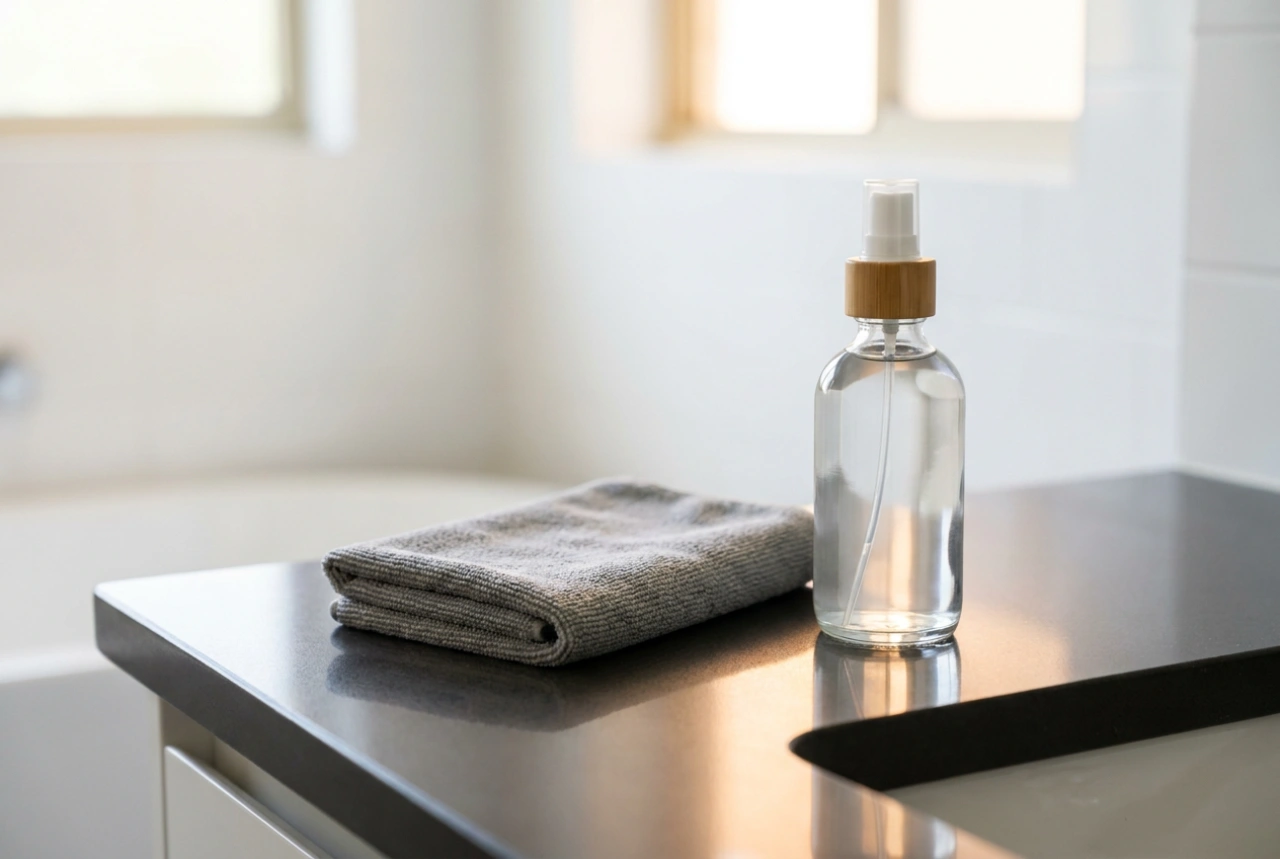
To clean matte fronts, avoid all abrasive powders, baking soda, and rough sponges. Instead, use a highly diluted, pH-neutral anionic surfactant, such as a basic dishwashing liquid, mixed with warm water. The surfactants wrap around grease molecules, lifting them from the micro-textured surface without physical abrasion. Always use a clean, high-density microfiber cloth. Apply light, linear pressure rather than circular motions, as circular rubbing can polish down the matte micro-texture over time. Finish by wiping the surface with a damp cloth to remove surfactant residue, then dry it immediately with a clean cloth.
High-Gloss Finishes: Protecting the Reflective Layer
High-gloss cabinets, whether made of acrylic, lacquered MDF, or PET film, rely on a perfectly flat surface to reflect light uniformly. Even microscopic dust particles can act as abrasives when wiped across a glossy surface, leaving fine scratches that dull the mirror-like finish over time.
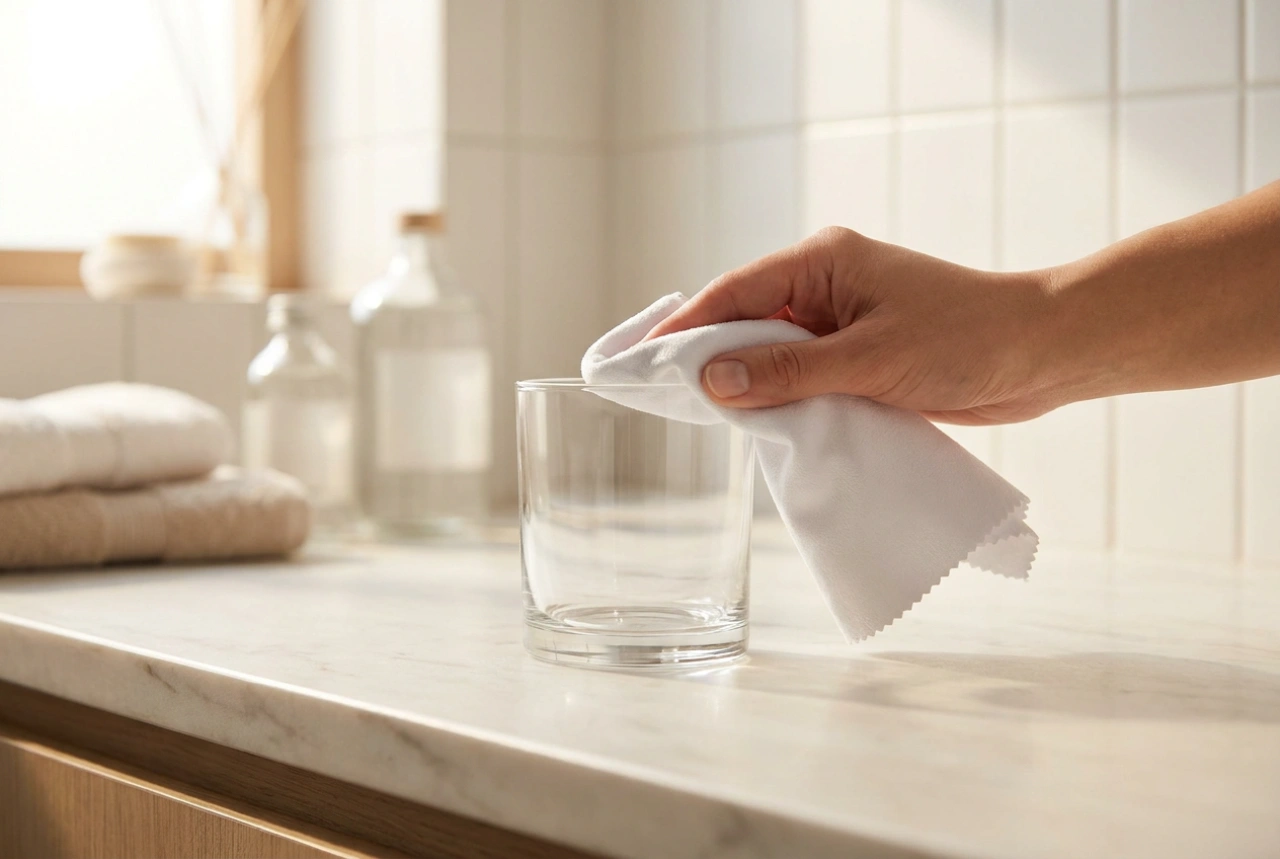
Before wiping high-gloss cabinets, always use a clean, dry, high-pile microfiber cloth to lightly dust the surface, capturing loose particles before wet cleaning. For the actual wash, use a very mild soapy solution or a dedicated plastic cleaner that does not contain alcohol, ammonia, or solvents. Strong chemical solvents can degrade the acrylic polymer chain, leading to micro-fissures and loss of gloss. Apply the solution using a soft cloth, keeping physical pressure to an absolute minimum. Wipe in straight, vertical lines. Avoid any window cleaning sprays containing alcohol, as these can strip the protective finish and cause chemical clouding.
Solid Wood and Veneered Cabinets: Moisture Control and Grain Protection
Solid wood and natural veneers are highly hygroscopic, meaning they constantly absorb and release moisture from the surrounding environment. Excessive water application can weaken the adhesive bonds in veneers or cause solid wood fibers to swell, warp, and crack along the grain.
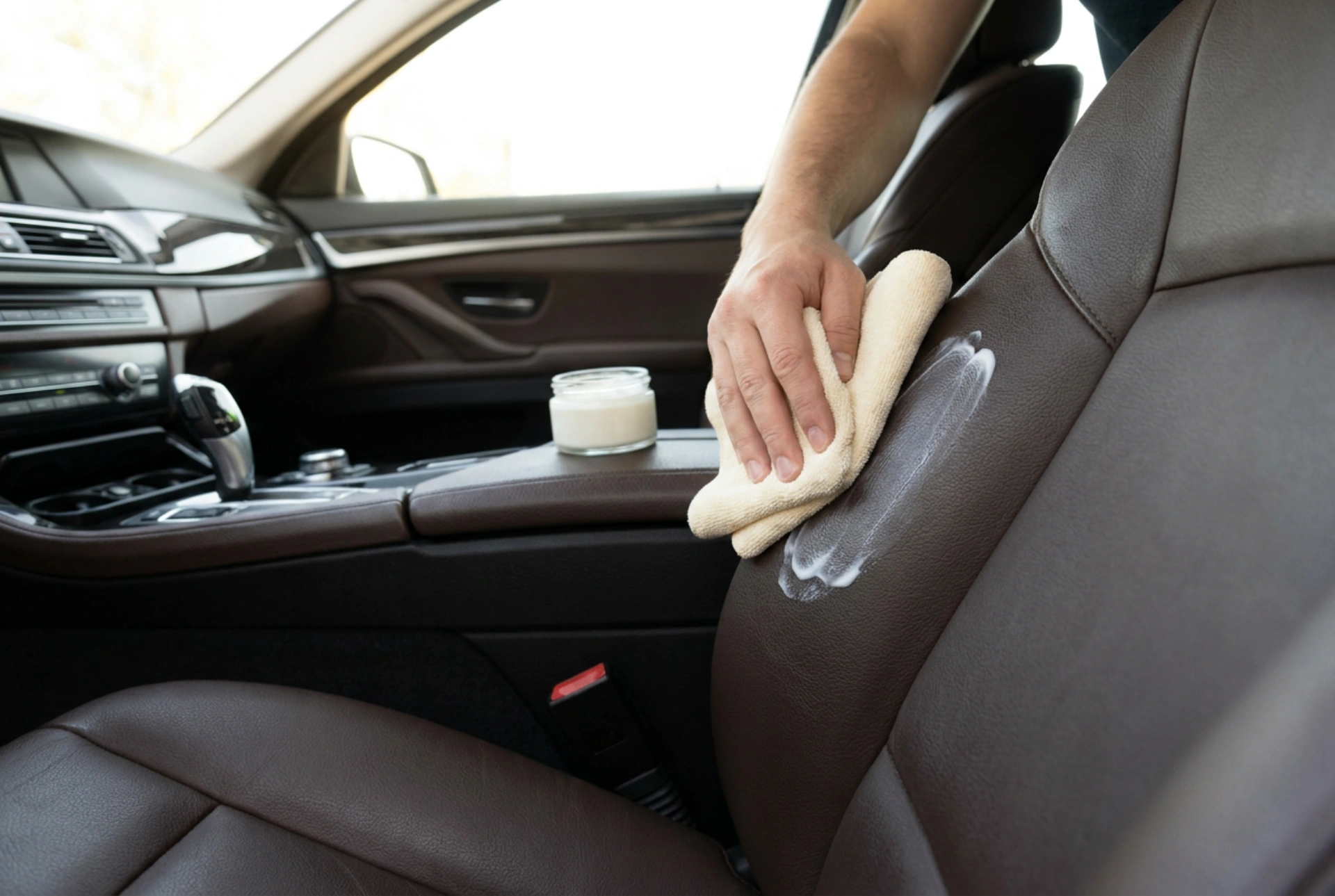
When cleaning wood cabinets, use a well-wrung, damp cloth rather than a wet one. The water temperature should be lukewarm to prevent melting any protective wax or oil finishes. Use a mild soap formulated for natural wood or a highly diluted pH-neutral detergent. Always wipe in the direction of the wood grain to remove accumulated dirt from the microscopic pores without packing it deeper into the wood structure. Immediately follow with a dry, soft cotton or microfiber cloth to absorb any remaining moisture. Never use silicone-based polishes regularly, as they leave a microscopic layer that attracts dust and makes future refinishing difficult.
Laminate and Melamine: Preventing Water Infiltration at the Seams
Laminate and melamine fronts are highly resistant to heat, impacts, and chemical agents, making them some of the easiest surfaces to clean. However, they possess a major vulnerability: the seams. While the flat face of the cabinet is waterproof, water can easily penetrate the joints where the edge-banding meets the face, causing the underlying particleboard or MDF to swell and bubble.
To clean laminates, use a standard solution of warm water and mild detergent. You can safely use a soft brush for textured finishes to lift dirt from deep crevices, but avoid wire brushes or steel wool. When cleaning near the edges of the doors, ensure the cloth is only slightly damp, not dripping. Never spray cleaning solutions directly onto the edges of laminate doors; instead, spray the cloth first. Dry the edges immediately after cleaning to prevent capillary action from pulling moisture into the core material.
Universal Principles of Cabinet Care
- Temperature limit: Always use lukewarm water. Hot water can emulsify protective lacquers and accelerate the swelling of wood fibers.
- Chemical avoidance: Keep bleach, vinegar, and ammonia away from kitchen cabinets, as their high acidity or alkalinity can corrode laminates, yellow acrylic, and strip wood oils.
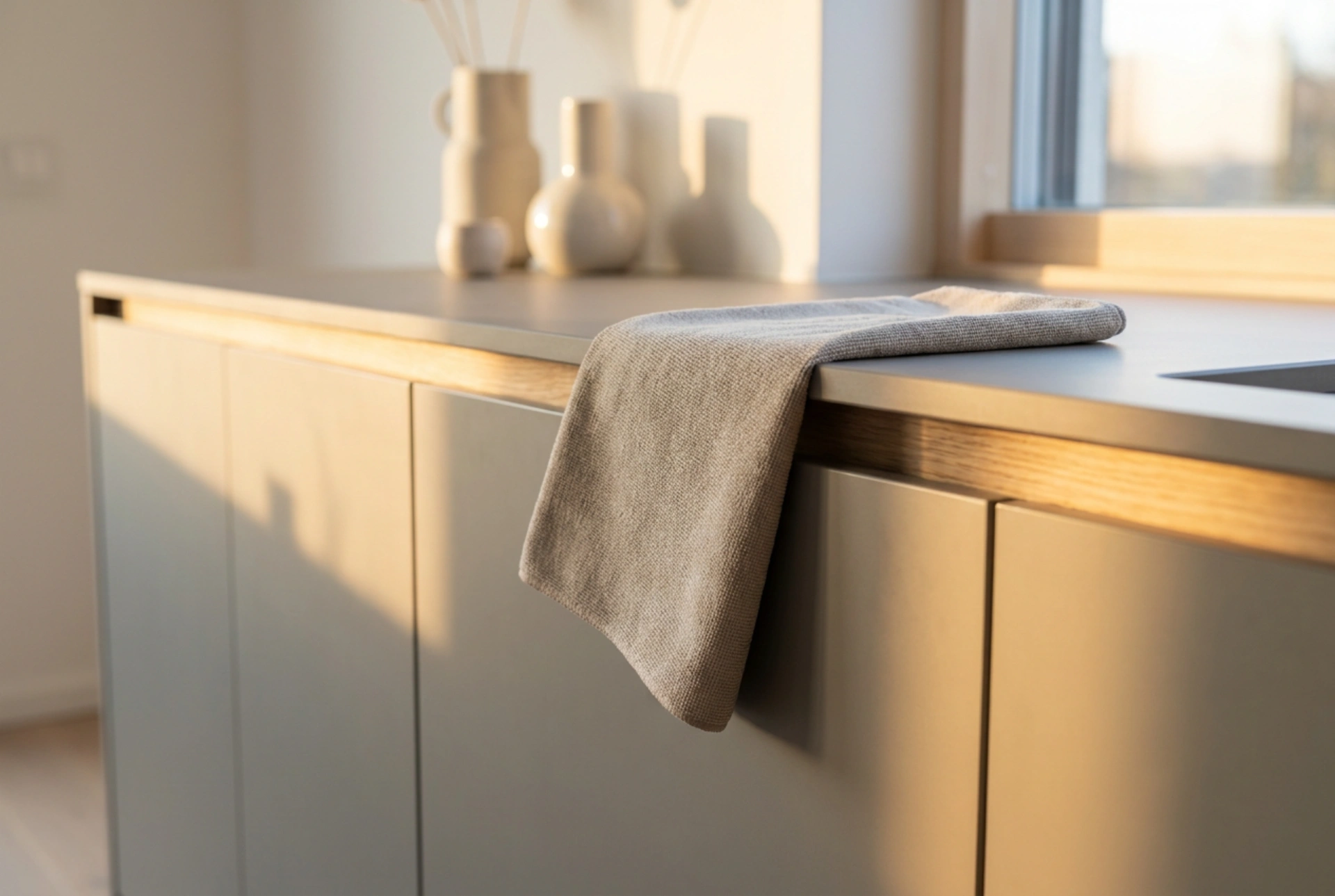
- Textile selection: Reserve soft microfiber towels exclusively for cabinet maintenance, ensuring they are free of residual debris from previous household cleaning.